
Reviewed · HISTORICAL TOURS
Wilhering Abbey: Discover 875 years of history!
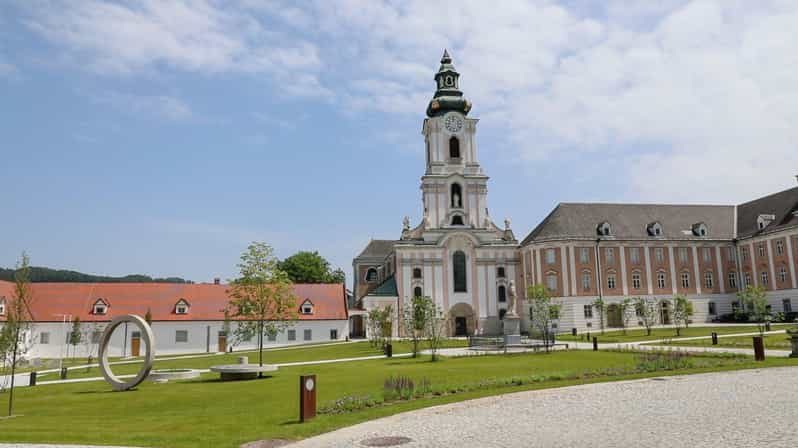
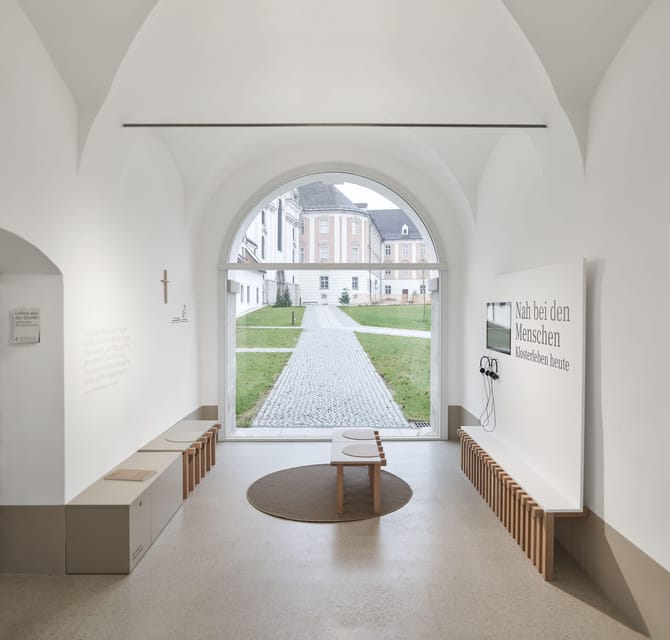
Wilhering Abbey gives you a lot to see for a small admission fee. The main prize is the rococo collegiate church, but the seven-room museum adds useful context about 875 years of abbey life, Cistercian spirituality, and the people who shaped this Upper Austrian site. The courtyard and cloister are open to everyone, even if you skip the museum.
I like the museum’s two-level approach: you can move quickly through the main ideas or stop for extra detail when a subject catches your eye. I also like the calm mix of church, cloister, courtyard, park, and café, all close together. The main limitation is time. Thirty minutes is enough for a focused visit, but not for reading every display and enjoying a leisurely coffee.
Key points
- Seven museum rooms: Each room covers a separate theme, from the abbey’s past to Cistercian spirituality and its major personalities.
- A celebrated rococo church: The church interior is the visual high point and is freely accessible.
- Cloister, courtyard, and park included: You can enjoy the abbey grounds without paying an extra fee.
- A useful stop for families: Interactive features give younger visitors something to do beyond reading panels.
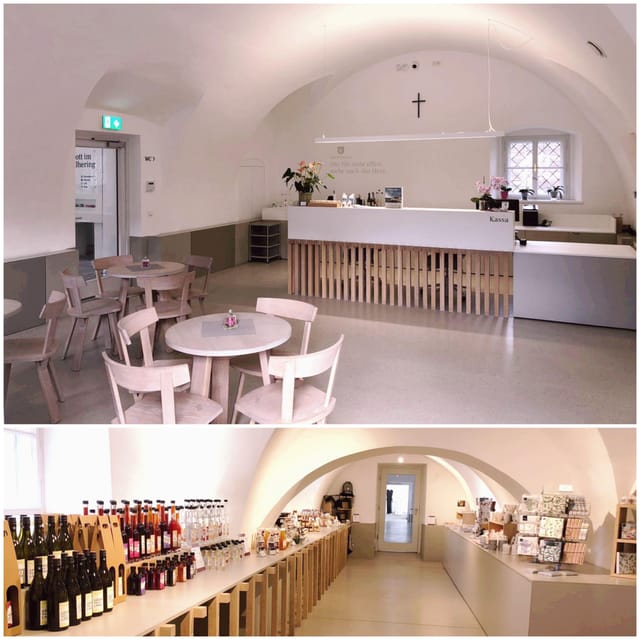
- Abbey Café in the Stiftshof: Stop for self-service cakes, coffee, drinks, and regional snacks.
- Low-cost, flexible visit: Admission is $7 per person, with free cancellation up to 24 hours before the visit.
Why Wilhering Abbey Is Worth Your Time
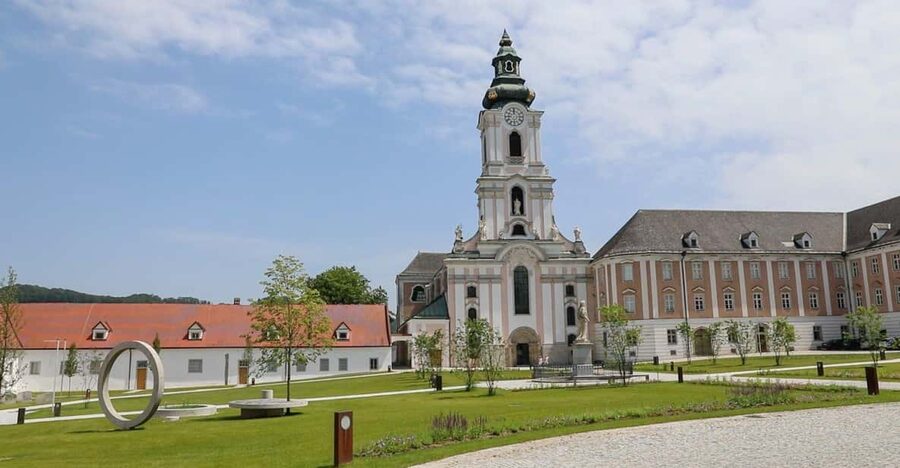
Wilhering Abbey is not just a museum ticket. It is a small abbey visit built around several different experiences: art in the church, quiet architectural spaces, an introduction to Cistercian life, and a simple café stop in the courtyard.
That variety matters. If you enjoy religious art, the church may be enough to justify your visit. If you prefer history and human stories, the museum gives you more to work with. If you simply need a pause during a day in Upper Austria, the courtyard, cloister, and park offer room to slow down without requiring a long tour.
The setting invites you to rest and linger rather than rush from one display to the next. I would plan this as a compact stop, not a full-day attraction. The listed museum time is 30 minutes, while the freely accessible areas let you stay a little longer if the surroundings appeal to you.
More Historical Tours in Austria:
- Vienna: Time Travel and Magic Vienna History Tour
★ 4.6 · 3,879 reviews - Vienna: World War II Historical Walking Tour
★ 4.8 · 1,772 reviews - Vienna Historic Center Small Group Walking Tour
★ 5.0 · 1,746 reviews
Starting at the Abbey Gate and Café
Your visit begins at the monastery gate, where you will find the museum entrance and the Abbey Café. If you are unsure where to start, café staff can help direct you.
The gate has a practical role, but it also introduces the abbey as a place of arrival and hospitality. This is where you can get your bearings, collect information from staff, and decide how much time to give the museum before seeing the church and outdoor spaces.
The café uses a self-service setup. You can order cakes, coffee, drinks, and abbey snacks, with a preference for regional suppliers. That makes it a handy stop before or after the museum, especially if you want a light break rather than a formal meal.
The café is in the beautiful Stiftshof courtyard. I like this arrangement because the refreshment stop is part of the abbey experience, not a separate modern facility far from the historic spaces. Still, keep your expectations sensible: the available information describes snacks, cakes, coffee, and drinks, not a full restaurant menu.
Seven Rooms, Seven Ways to Read the Abbey
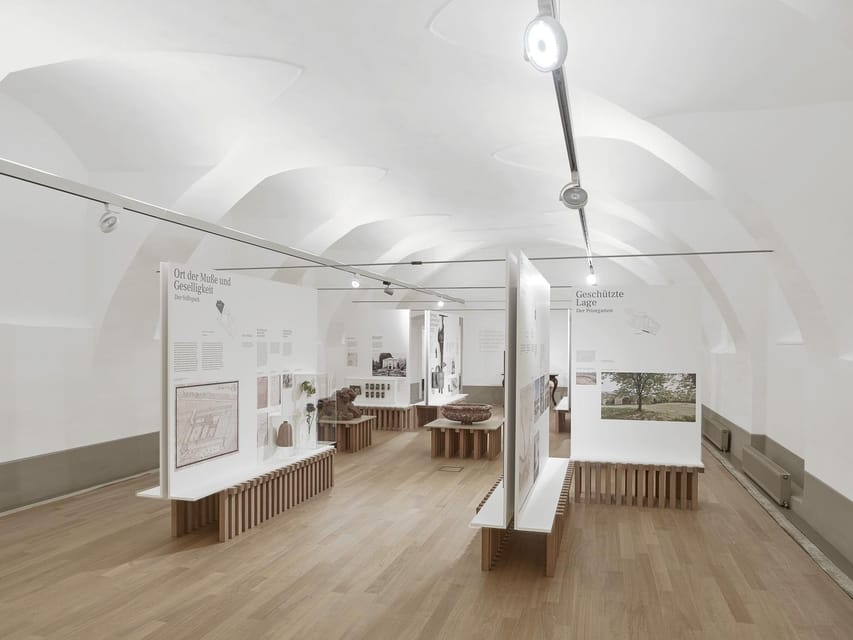
The museum is organized into seven exhibition rooms, with each room built around its own theme. The subjects connect as you move through the museum, creating a broad picture of Wilhering Abbey rather than a single narrow story.
The first layer gives you an overview of each room’s subject. This helps you keep moving if you have only half an hour. A second layer lets you spend more time on topics that interest you, which is useful if you want more than a quick look at labels.
The museum focuses on several main threads:
- The history of Wilhering Abbey
- Cistercian spirituality
- The order’s ora et labora approach, meaning prayer and work
- Important personalities connected with the abbey
This structure gives you a better sense of monastic life than a display of old objects alone. The Cistercian motto links daily labor with religious practice, while the stories of major figures add a human scale to the institution.
You should not expect a long guided lecture during the 30-minute visit. Instead, the museum lets you choose your own level of detail. I see that as a benefit for independent visitors, but it also means you need to pay attention to the available information if you want the full picture.
Interactive Features for Younger Visitors
The museum includes interactive elements aimed at younger visitors. That can make a real difference for families, since seven rooms of historical material may feel slow to children if every display depends on reading.
The interactions are designed to make the visit more entertaining without removing the historical and spiritual focus. I would still allow children some freedom to move at their own pace, since the museum covers ideas that may take longer for adults to understand than for children to enjoy.
For families, the best plan may be to see the church and courtyard as well as the museum. The combination gives children a change of scene and gives adults more time to appreciate the architecture and setting.
A different way to spend an afternoon here:
- Vienna: Vivaldi’s Four Seasons Concert in Karlskirche
★ 4.7 · 14,951 reviews - Vienna: Spanish Riding School Training
★ 3.9 · 9,281 reviews - Vienna: Skip-the-cashier-desk-line Giant Ferris Wheel Ride
★ 4.5 · 7,859 reviews - Vienna: Schönbrunn Palace & Gardens Skip-the-Line Tour
★ 4.7 · 7,739 reviews
The Rococo Church Is the Visual High Point
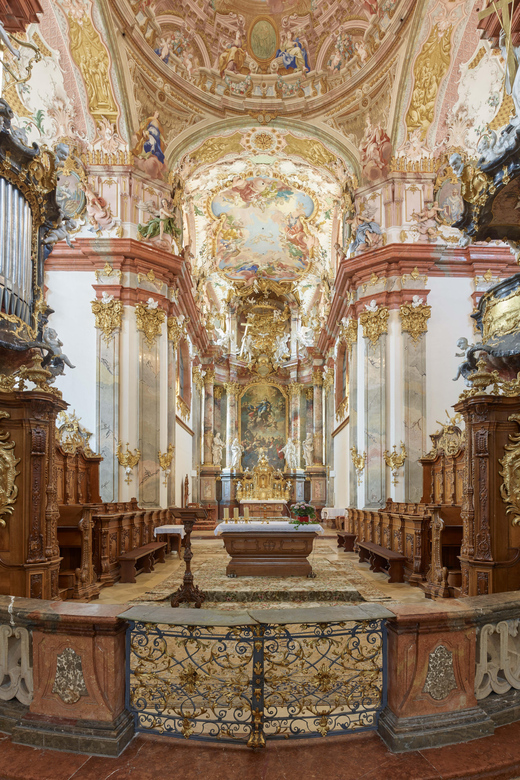
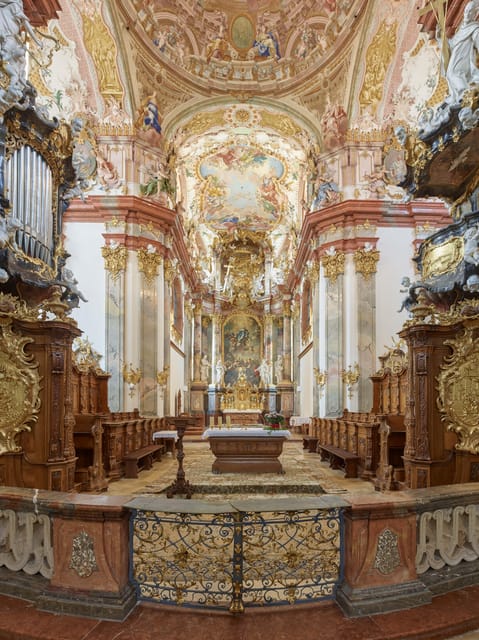
The collegiate church is freely accessible, so you do not need to buy the museum ticket to see it. Even so, the museum admission is worthwhile if you want context for the abbey beyond the church interior.
The church is presented as one of Europe’s finest rococo churches. That is the part of the visit where you should slow down and look upward, across the decorative interior, and into the details of the design. The supplied information does not provide a full architectural description, so I would avoid arriving with a checklist of specific artworks or named features.
Instead, give the church a quiet few minutes. Religious buildings can be difficult to appreciate when treated as quick photo stops. Here, the church’s value is also atmospheric. It is a place to sit, reflect, and understand why the abbey remains a destination for more than historical study.
Because the church is free to enter, it also works well as a short stop for visitors with limited time. If you are already nearby, you can see the main interior without committing to the entire museum.
Cloister, Courtyard, and Park: The Spaces Between
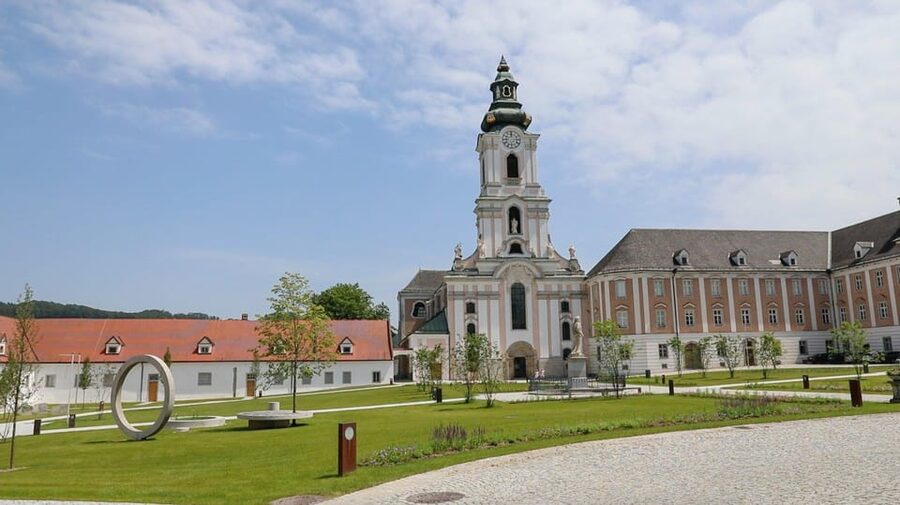
The cloister, abbey courtyard, and abbey park are also freely accessible. These spaces help balance the museum’s indoor displays and the church’s ornate interior.
The cloister is the place to appreciate the abbey’s quieter side. Its design is tied to monastic life, where movement, prayer, and work were organized around shared spaces. You may find it more rewarding after visiting the museum, since the exhibits explain the Cistercian way of life that gives the cloister its meaning.
The courtyard provides a more social setting. It is where the café operates, and it gives you a pleasant place to pause with coffee or cake. The park adds another option if you want a short walk or a little time away from enclosed rooms.
There is no extra charge for these areas, which improves the value of the visit. You can pay $7 for the museum, then use the church and outdoor spaces at your own pace. Or you can see the free areas alone if your schedule is tight.
The Monastery Store and Regional Products
The Monastery Store is located in the former farm area of the abbey, alongside the café, museum, and Benedict Hall. It sells products connected with the abbey, including wine from leased vineyards near Krems.
This is a modest but useful part of the visit. A monastery store can easily become a collection of generic souvenirs, but the wine connection gives you one specific regional product to look for. The information provided does not list the full range of goods, so I would treat the store as an optional browse rather than a reason to plan the visit.
The former farm setting also helps explain that an abbey was not only a place of prayer. It needed land, work, supplies, and people to function. That practical side fits the museum’s focus on ora et labora.
Is $7 a Fair Price for 30 Minutes?
At $7 per person, the museum offers good value if you care about the abbey’s story or want time with the exhibits. The ticket includes admission to all seven museum rooms, while the church, cloister, courtyard, and park remain free to everyone.
The listed duration is 30 minutes from first activation. That makes the price especially reasonable for a short visit, but you should understand what the ticket does and does not provide. It is not a long guided tour with a named guide, and no guide’s name is provided. You are paying for access to a self-paced museum, with staff at the café available to help you find the entrance.
I would budget 30 minutes for the museum, then add time for the church and outdoor spaces if you like to look closely. A café stop will extend the visit again.
The museum can only be visited during opening hours, so check the official Wilhering Abbey website before you go. This is the most important practical point. The free church and grounds may still be useful to you, but the museum ticket has no value if you arrive when the exhibition is closed.
Who Will Enjoy This Abbey Visit?
I would recommend Wilhering Abbey to several kinds of visitors:
- Art lovers who want to see a notable rococo church interior
- History-minded visitors who prefer a compact museum to a large, crowded attraction
- Families who value interactive elements for younger children
- Slow-paced sightseers who enjoy cloisters, courtyards, and quiet parks
- Budget-conscious visitors looking for a low-cost cultural stop
- Visitors already in Upper Austria who can add a short abbey visit to their day
It may be less suitable if you want a long guided experience, extensive English-language tour information, or a packed schedule of activities. The provided details do not list guided tour times or specific museum languages, so check current information before booking if language access is important to you.
The site is wheelchair accessible, which makes it easier for more visitors to consider. You should still confirm any route details directly if you have specific mobility needs, since the available information does not describe individual surfaces or access points.
Practical Timing and Booking Advice
The ticket has free cancellation up to 24 hours in advance, and you can reserve now while paying later. That flexibility is useful if your Upper Austria plans depend on weather or transport.
For the best use of your time, I would arrive with a simple plan:
- Start at the monastery gate or café and confirm the museum entrance.
- Spend about 30 minutes in the seven exhibition rooms.
- Visit the church and cloister at a slower pace.
- Walk through the courtyard and park.
- Finish with a café snack or a look inside the Monastery Store.
This order gives you the museum context before the church and outdoor areas. You can also reverse it if the café or church is easier to reach when you arrive.
The only firm timing warning is the opening schedule. Check www.stiftwilhering.at before setting out, since the museum is only open during stated hours.
Should You Book Wilhering Abbey?
Book it if you want a low-cost, calm cultural stop with more variety than a single church visit. The $7 admission covers seven museum rooms, while the church, cloister, courtyard, and park add value without another fee.
I especially recommend it if you appreciate rococo interiors, Cistercian history, or places where you can pause instead of rushing through a crowded attraction. The strongest parts are the impressive abbey setting, the friendly help available at the café, and the museum’s clear choice of short overview information plus extra detail.
Skip the paid museum if you only have a few minutes and want to see one interior. In that case, use the freely accessible church, cloister, courtyard, and park. But if you can spare half an hour, Wilhering Abbey gives you a thoughtful look at monastic life for very little money.
FAQ
How much does admission to the Wilhering Abbey Museum cost?
Admission costs $7 per person.
How long is the museum visit?
The activity is valid for 30 minutes from first activation.
What is included with the museum ticket?
The ticket includes admission to the Museum of Wilhering Abbey. The church, cloister, abbey courtyard, and abbey park are freely accessible.
Where do I enter the museum?
The museum entrance is in the monastery gate or the monastery café. Staff at the monastery café can help you.
Is Wilhering Abbey wheelchair accessible?
Yes, the activity is wheelchair accessible.
Can I visit the museum at any time?
No. The museum can only be visited during opening hours. Check the official website, www.stiftwilhering.at, before you go.
Recently added around Austria
- From Vienna: Austrian Lakes and Salzburg Private Tour★ 5.0 · 3 reviews
- Vienna: Private tour Mauthausen and Linz★ 4.1 · 3 reviews
- Salzburg On the Traces of Mozart Private Tour★ 4.5 · 3 reviews
- 2-Day Prague Tour from Vienna with private Transfers and Lunches★ 5.0 · 3 reviews
- Private Transfer from Munich to Salzburg, English-speaking driver★ 3.5 · 3 reviews
- Scenic Adventure Private Day Tour to The Konigssee Salzburg★ 4.5 · 3 reviews
- Vienna Self Guided Sherlock Holmes Murder Mystery Game★ 4.5 · 3 reviews
- In-depth private tour through every corner of Klagenfurt★ 5.0 · 3 reviews
Historical Tours, compared.

Vienna Historic Center Small Group Walking Tour
Read our review →

Skip-the-Line Schonbrunn Palace Guided Tour and Vienna Historical City Tour
Read our review →
Vienna Mozart Concert in Historical Costumes at the Musikverein
Read our review →
Browse the lists this tour appears in