
Reviewed · WALKING TOURS IN VIENNA
Vienna Historic Center Small Group Walking Tour
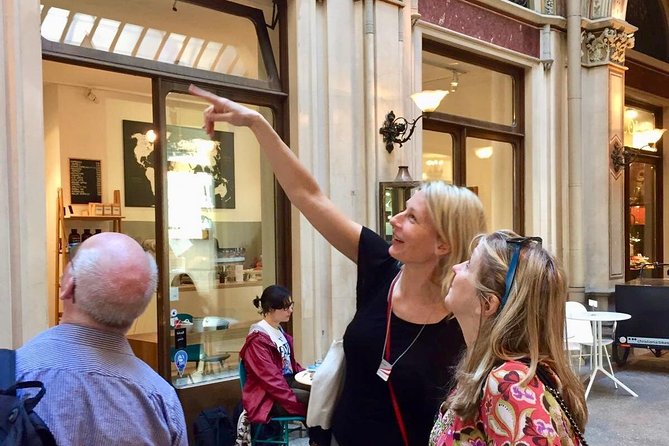
Vienna’s imperial center is compact, but its story is anything but small. In about two and a half hours, this walk links Maria-Theresien-Platz, the Ringstrasse, Hofburg Palace, Volksgarten, the University of Vienna, Graben, and St. Stephen’s Cathedral into one clear route. Guides such as Dace, Giselle, Gabriela, Beatrice, and Annelie are praised for mixing solid facts with humor and personal insight.
I especially like the small 15-person limit, which gives you a fair chance to ask questions. I also like the audio devices, a smart touch in noisy squares and crowded streets. The main catch is simple: this is mostly an outdoor sightseeing walk, so you pay for the guide’s stories and route, not entry into Vienna’s major museums or palace rooms.
Key points at a glance
- A strong first-day orientation: The route covers Vienna’s main central sights and helps you plan the rest of your stay.
- Imperial power in one walk: Hofburg Palace, Heldenplatz, Burgtor, the National Library, and the Winter Riding School all appear along the way.
- A group capped at 15: The smaller size allows more questions and easier contact with your guide.
- Mostly exterior sightseeing: You see the major buildings from outside, with only occasional indoor stops depending on the day.
- A serious amount of walking: One report counted about 14,000 steps, so wear comfortable shoes and dress for the weather.
- Useful local advice: The tour includes tips about Viennese food, cafés, restaurants, customs, and places to continue exploring.
Why this Vienna walk works so well for first-time visitors
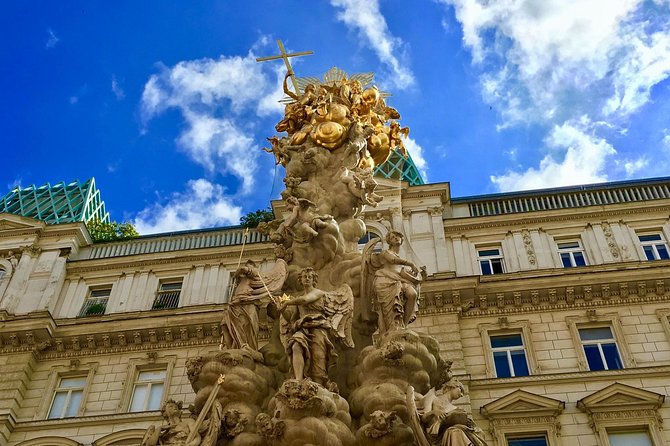
I see this tour as a fast way to put Vienna on a mental map. Rather than studying a city map and guessing which grand building matters, you follow a planned route through the old center while a certified local guide explains how the pieces connect.
The route covers political Vienna, imperial Vienna, musical Vienna, academic Vienna, and everyday Vienna. You hear about the Habsburg court, the Ringstrasse project, composers, scientists, coffeehouse culture, and modern Austrian politics. That range gives the walk more substance than a simple list of pretty façades.
It also suits a short stay. If you have only a day or two in Vienna, you can see the major sights first and then return to the places that interest you most. The tour ends at Stephansplatz, so you are well placed to continue through the center, visit the cathedral, shop along Graben, or stop for a meal.
The guide makes a big difference. Dace is repeatedly described as witty, clear, and full of personal stories. Giselle is praised for her enthusiasm and practical suggestions. Gabriela is noted for keeping the group comfortable on cold days, while Beatrice and Annelie are described as engaging and well prepared. The guide on your departure may be different, but the strong pattern is clear: presentation matters here, and the best guides bring humor to what could otherwise become a long lecture.
More Walking Tours in Vienna
- Vienna: Guided Walking Tour of City Center Highlights
★ 4.7 · 4,989 reviews - Vienna: Vienna Central Cemetery Guided Walking Tour
★ 4.8 · 3,307 reviews - Vienna: Guided Walking Tour of City Highlights & Hidden Gems
★ 4.9 · 2,180 reviews
Maria-Theresien-Platz and Vienna’s museum quarter
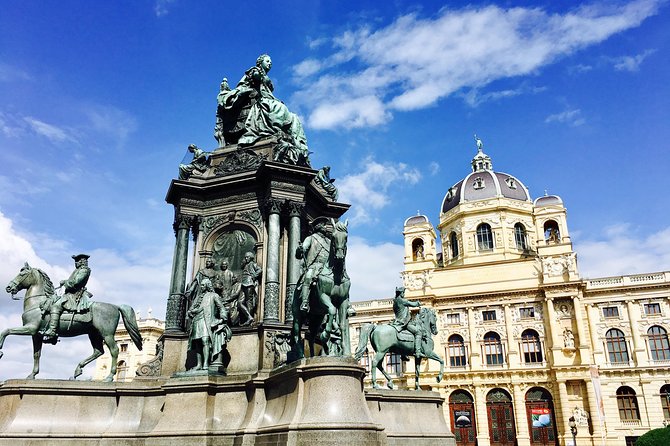
The meeting point is Maria-Theresien-Platz, a broad square between the Ringstrasse and MuseumsQuartier. Two impressive buildings face each other here: the Kunsthistorisches Museum, home to the former royal art collection, and the Natural History Museum.
At the center is the large monument to Empress Maria Theresa. It is more than a ceremonial statue. The monument includes many surrounding figures, including Wolfgang Amadeus Mozart, and gives your guide a natural opening to explain the empress, the Habsburg state, and the people who shaped Vienna’s cultural life.
You do not enter either museum on this walk. That is important. If you want paintings, archaeological collections, or the famous natural history displays, you will need a separate ticket and additional time. The value here is learning why these buildings were placed where they are and how Vienna’s imperial image was designed.
Ringstrasse, Burgtor, and the imperial edge
From the square, the route moves toward the Ringstrasse, the grand boulevard that circles Vienna’s historic center. It replaced the old medieval fortifications during the second half of the 19th century, opening space for monumental public buildings.
The Ringstrasse is a crash course in architectural styles. Classical, Gothic, Renaissance, and Baroque ideas appear along the route, often within a short walk of one another. You pass or discuss landmarks such as the Parliament Building, Rathaus, Burgtheater, Vienna State Opera, and University of Vienna.
Burgtor marks the old entrance toward the Hofburg. This neoclassical gate was built after the Napoleonic Wars and gives you a useful sense of how Vienna rebuilt and re-presented itself after conflict. It is a brief stop, but the setting helps explain the shift from fortified medieval city to imperial capital.
Expect short pauses rather than long visits. The itinerary allows only a few minutes at many sights, so your guide will point out details, explain the setting, and keep the group moving. That pace is useful for orientation, but it is not enough time for a full architectural study.
Hofburg Palace and Heldenplatz
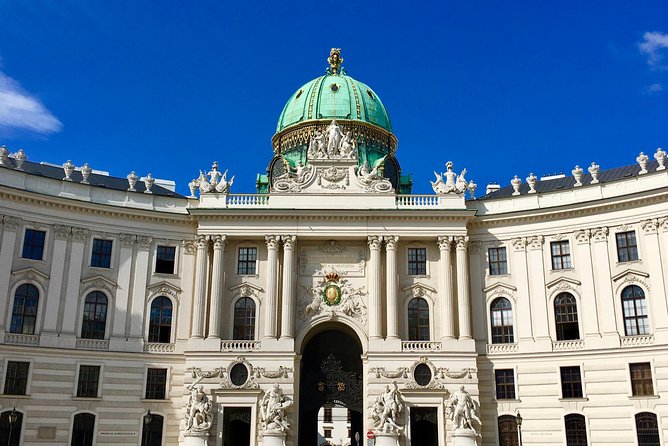
The Hofburg is the emotional center of the walk. This former Habsburg palace grew over centuries, so it is not one neat building. It is a large collection of courtyards, wings, façades, museums, offices, and ceremonial spaces.
Your guide explains the palace’s development and the lives of emperors and empresses. The stories help you read the façades as evidence of changing tastes and changing power. The palace also remains part of modern Austria, with government functions located within and around the complex.
The New Castle, or Neue Burg, houses institutions including the World Museum, Austrian History Museum, Imperial Armoury, and National Library facilities. The balcony of the New Castle also carries a grim 20th-century association: Adolf Hitler used it in 1938 to proclaim Austria’s annexation into Nazi Germany. A good guide places that moment in context rather than treating it as a spectacle.
Heldenplatz, or Heroes’ Square, opens beside the palace. It was created after the old bastion was demolished during the Napoleonic Wars. Today its broad green space offers one of the clearest views of the Hofburg’s scale.
Nearby, you may hear about the Austrian National Library and the Baroque Winter Riding School, where Lipizzan horses perform and train. Neither is an included museum visit, but both are useful options to mark for later. If you want to see a performance or tour an interior, plan separate time and admission.
The walk also touches the story of Elisabeth, the Habsburg empress often known as Sisi. Her life and personality have drawn enormous interest, but the guide can help separate the historical woman from the polished image created by later films and popular culture.
More Small Group Tours in Vienna:
- Budapest Small-Group Day Trip from Vienna
★ 5.0 · 545 reviews - Wachau Valley Small-Group Tour and Wine Tasting from Vienna
★ 5.0 · 540 reviews - Vienna: Small Group Guided Walking Tour of City Highlights
★ 5.0 · 540 reviews - Hallstatt Small-Group Day Trip from Vienna
★ 5.0 · 516 reviews
St. Michael’s Church and court life
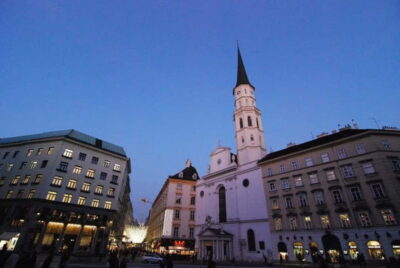
St. Michael’s Church dates to 1220 and offers a change of mood after the grand palace courtyards. Its age and atmosphere help you picture Vienna before the Habsburgs turned the area into such a powerful imperial stage.
The itinerary allows a short stop here, and depending on the day, the group may enter some churches or other indoor sites. Do not count on a full church tour or guaranteed interior access, but keep an eye out for the possibility.
The route also passes the office of Austria’s Federal Chancellor. This is a useful reminder that the area is not simply a preserved royal district. Vienna’s old power center still connects with the country’s present government.
Rathaus, Burgtheater, and the city’s public face
Vienna’s neo-Gothic Rathaus is one of the Ringstrasse’s most recognizable buildings. It serves as the seat of the city government and also hosts events. Your guide explains its role while giving you time to take in the towers, arches, and elaborate façade.
The Burgtheater sits nearby and is regarded as one of the world’s major theaters. Even if you do not attend a performance, the building helps explain Vienna’s long connection with drama, opera, music, and public culture.
The route may also touch Palais Ferstel, which once housed the Austro-Hungarian National Bank and Stock Exchange. These short architectural stops are valuable because they reveal how much of Vienna’s identity was built through public institutions, not just palaces and churches.
Volksgarten and Vienna’s musical memory
Volksgarten provides a welcome green pause along the route. At its center is the Theseus Temple, a small replica of the Hephaisteion in Athens. It was originally designed to display a sculpture by Antonio Canova.
The park also connects with café and music traditions. The Cortisches coffee house was once associated with performances by Johann Strauss. That detail helps bring Vienna’s musical culture down from grand concert halls to ordinary social spaces where people met, listened, and lingered.
A walk through Volksgarten is also a practical chance to catch your breath. Still, the tour keeps a firm pace. You may pause for photos, but this is not a leisurely park visit.
Beethoven, Freud, and Lise Meitner
The Beethoven Pasqualatihaus marks a former residence of Ludwig van Beethoven. Its position on the ramp of the old fortifications gives it an unusual setting and provides another link between Vienna’s city walls, music, and private life.
The University of Vienna adds a different strand to the story. Here, the guide connects the city’s academic tradition with figures such as Sigmund Freud and Lise Meitner. Meitner was a Jewish physicist whose work changed modern science, and her story adds needed breadth to a tour often dominated by emperors and composers.
This is one of the walk’s better features. You are not hearing only about grand rulers and famous musicians. You also get a sense of Vienna as a place of scientific thought, university life, and intellectual change. Depending on the day, there may be access to some indoor locations, but the tour does not promise entry to the university.
Freyung, coffeehouses, and the final approach
Freyung is one of the oldest squares in central Vienna. Compared with the wide ceremonial spaces around the Hofburg and Ringstrasse, it feels more intimate and picturesque.
The route may also point out a famous coffeehouse where writers, composers, architects, painters, psychoanalysts, and political figures once gathered over coffee, cake, and cigars. Café culture is not a side note in Vienna. It is part of how the city’s intellectual and social life developed.
You may be offered a coffee stop or a recommendation, such as Café Demel, but this should not be treated as a guaranteed included break. If you want to sit down during the tour, ask your guide. The café and restaurant advice is one of the practical benefits of taking the walk early in your visit.
Graben, Kohlmarkt, and St. Stephen’s Cathedral
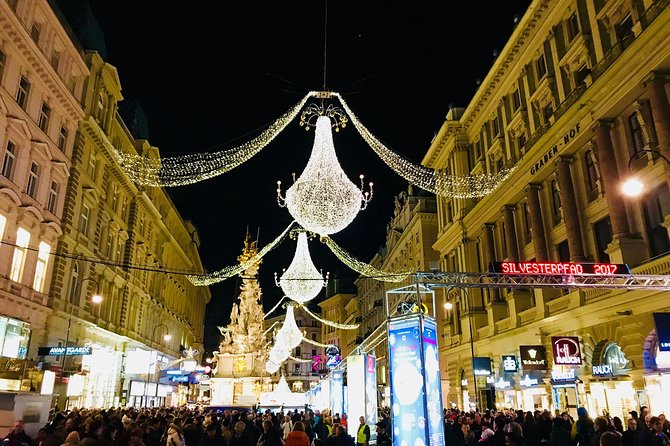
The last stretch leads through Kohlmarkt and Graben, two of Vienna’s most elegant pedestrian streets. These are polished shopping areas, but they are also historic routes into the heart of the city.
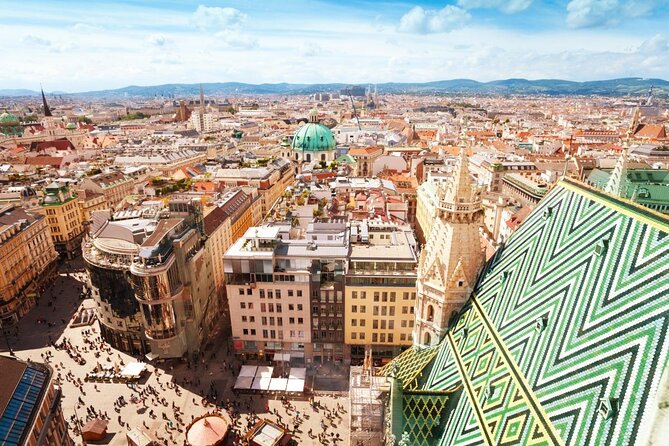
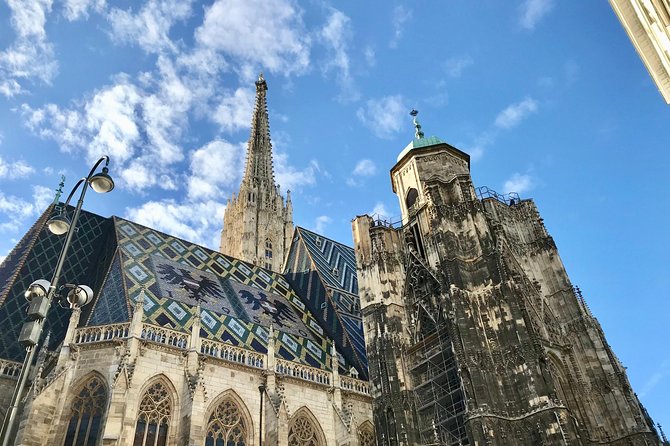
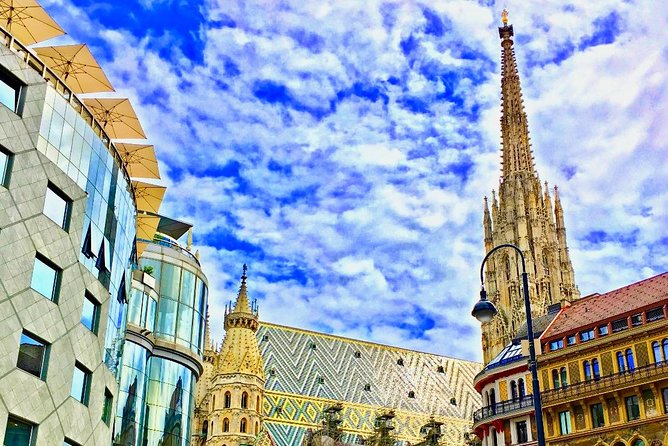
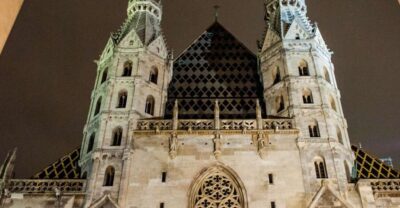
Stephansplatz is the final square and one of Vienna’s best orientation points. St. Stephen’s Cathedral dominates it and serves as the walk’s endpoint. The cathedral is Vienna’s most famous landmark, so ending here gives the tour a satisfying finish and leaves you free to continue at your own speed.
Again, the tour does not include a full cathedral visit. You can explore further after the guide leaves, subject to the cathedral’s opening arrangements and any applicable admission. The endpoint is convenient for continuing around central Vienna.
What the $72.56 price really buys you
At $72.56 per person, this is not a bargain basement city walk. You are not paying for museum admission, transport, food, or a palace tour. You are paying for a certified English-speaking guide, a carefully planned route, a small group, audio equipment, and local advice.
That price makes more sense if you want context. Vienna’s center can look like a series of grand buildings until someone explains the political and cultural story linking them. A good guide also helps you avoid wasting time, suggests places to eat, and points out buildings or courtyards you might otherwise pass without noticing.
The value is weaker if you mainly want interior access. For the same budget, you may prefer to buy an individual museum ticket and explore at your own pace. This walk is best viewed as an introduction, not a substitute for the Hofburg museums, Kunsthistorisches Museum, National Library, or a concert.
The 97 percent recommendation rate and 4.9 rating from 1,746 ratings indicate very strong satisfaction, especially with the guides’ delivery. The recurring strengths are humor, clear explanations, personal stories, and useful advice. One dissenting assessment found the tour expensive because it involved looking at attractions from outside. That criticism is fair, and you should decide in advance if exterior sightseeing meets your expectations.
Walking conditions, timing, and useful preparation
The tour lasts about two hours and 30 minutes, with several start times available. Some people have recorded close to 14,000 steps, so do not treat the duration as a gentle stroll. Comfortable shoes are essential.
You need a moderate level of physical fitness, and the tour is not recommended if you have walking disorders. The route uses city streets and public spaces, with frequent standing and walking. Bad weather can affect the departure, and the operator may offer another date or a full refund if the tour is canceled for that reason.
Dress for the season. A cold-weather walk can still be enjoyable, but a warm coat and sensible footwear matter. Gabriela and Dace have been praised for making sensible warm-up stops and caring for the group on brisk days.
The group is capped at 15 people, and audio devices are provided so you can hear the guide in busy areas. Service animals are allowed, and the meeting point is near public transportation. Confirmation arrives when you book, and free cancellation is available up to 24 hours before the start time.
Who should book this Vienna walking tour?
I would choose this for a first visit, especially if I wanted a clear overview before spending time inside museums. It also suits solo visitors, couples, families, and anyone who likes history explained with jokes and anecdotes rather than delivered as a dry lecture.
It is a good match if you want:
- A planned route through the main historic center
- A small English-speaking group
- Stories about politics, music, science, and court life
- Restaurant and café suggestions
- A tour that ends near the city’s main cathedral
I would hesitate if you want long stops, museum interiors, or a slow photographic walk. The amount of ground covered means the guide must keep moving, and some stops last only a few minutes.
Should you book it?
Book it if you are new to Vienna and want to get your bearings fast. The route covers a remarkable number of major sights, and the strongest part is the guide’s ability to connect buildings with people, politics, music, and daily life.
Skip it if exterior viewing feels unsatisfying or if you would rather spend $72.56 on direct admission to museums and palace rooms. For most first-time visitors who value clear history, practical advice, and a small group, the price is reasonable, provided you arrive ready to walk.
FAQ
How long does the Vienna Historic Center Small Group Walking Tour last?
The tour lasts approximately two hours and 30 minutes.
Where does the tour begin and end?
It begins at Maria-Theresien-Platz in Vienna and ends at Stephansplatz, beside St. Stephen’s Cathedral.
Is entry to museums included?
No. The tour does not visit the inside of any museum, and museum admission is not included. Depending on the weekday, the group may visit some churches or other indoor locations such as a palace, university, or café.
How large is the tour group?
The tour has a maximum of 15 participants.
Is the tour suitable for people with limited mobility?
A moderate level of physical fitness is required, and the tour is not recommended for people with walking disorders. You should expect substantial walking and standing.
What happens if bad weather cancels the tour?
If poor weather causes a cancellation, you will be offered another date or a full refund. Free cancellation is also available if you cancel at least 24 hours before the experience begins.
More Historical Tours in Vienna
- Vienna: Time Travel and Magic Vienna History Tour
★ 4.6 · 3,879 reviews - Vienna: World War II Historical Walking Tour
★ 4.8 · 1,772 reviews - Time Travel-Magic Vienna History Tour Ticket
★ 4.5 · 1,099 reviews - Skip-the-Line Schonbrunn Palace Guided Tour and Vienna Historical City Tour
★ 3.5 · 940 reviews
Recently added around Vienna
- Vienna: Private tour Mauthausen and Linz★ 4.1 · 3 reviews
- 2-Day Prague Tour from Vienna with private Transfers and Lunches★ 5.0 · 3 reviews
- Vienna Self Guided Sherlock Holmes Murder Mystery Game★ 4.5 · 3 reviews
- Vienna Private Schönbrunn Palace Tour, Extra Rooms and Gardens★ 5.0 · 3 reviews
- Salzburg and Lake Region Private Day Trip from Vienna★ 5.0 · 3 reviews
- Small-group Vienna Wine Tour★ 5.0 · 3 reviews
- True Crime mobile puzzle rally Vienna★ 4.0 · 3 reviews
- Exploring the Gutenstein Alps★ 5.0 · 3 reviews
Walking Tours in Vienna, compared.
Guided Walking Tour of City Center Highlights
Read our review →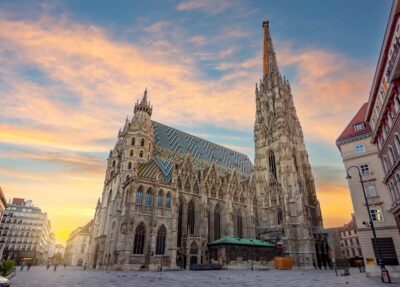
Guided Walking Tour of City Highlights & Hidden Gems
Read our review →
Ghosts and Legends Guided Nighttime Walking Tour
Read our review →
Browse the lists this tour appears in