
Reviewed · SALZBURG TOURS
Salzburg: Dark History Tour
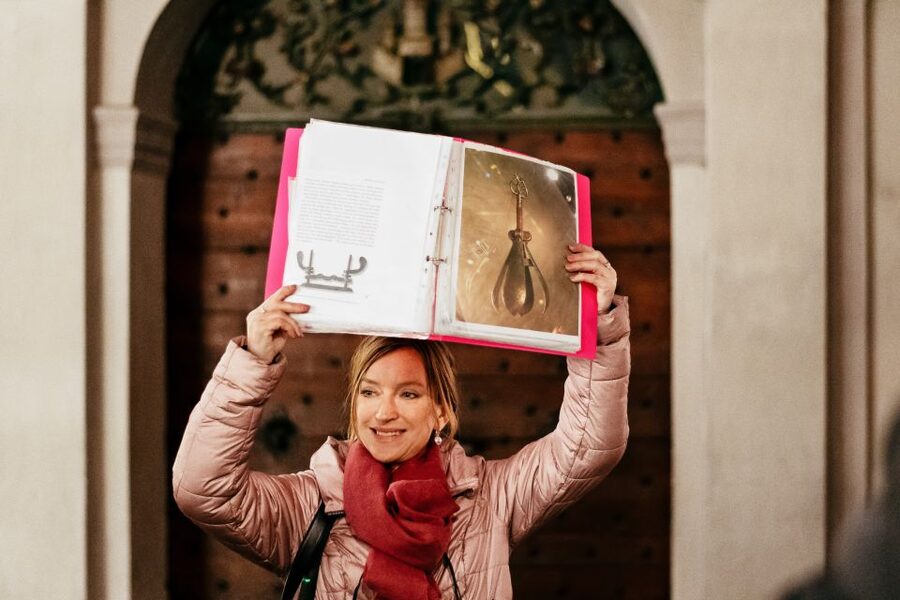
Salzburg’s prettiest streets have a grim side. On this 90-minute walk, you follow the old paths linked to witch trials, executions, and torture, while the guide explains how medieval and early modern justice really worked. The focus is historical rather than theatrical, so expect documented stories more than haunted-house scares.
I like the clear link between Salzburg’s old town and its darker past, and I like the mix of serious facts with dry humor. Guide Sabine Rath has earned praise for a professional, friendly style, and her storytelling seems to keep the pace lively.
The main thing to consider is the title. This is not primarily a ghost walk, and it may not frighten you. It is better suited to anyone curious about punishment, crime, and social control than to anyone seeking jump scares.
Key points
- Witch trials in 17th-century Salzburg: Learn how suspicion and fear shaped court cases.
- The work of executioners: Understand the difficult social role of those who carried out sentences.
- Medieval and modern torture methods: Hear how punishment changed over time.
- A walk through old-town lanes: The setting adds physical context to Salzburg’s darker stories.
- German-led storytelling: English or Spanish may be requested, but German is the listed language.
- Ages 11 and up: Dark subject matter is softened with humor, but it is not aimed at young children.
Salzburg’s old town after the postcard view
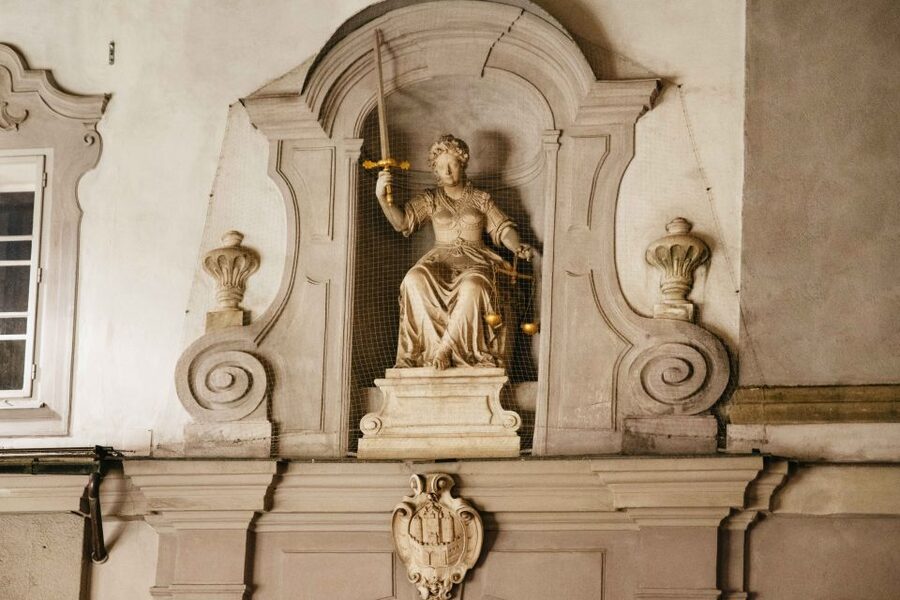
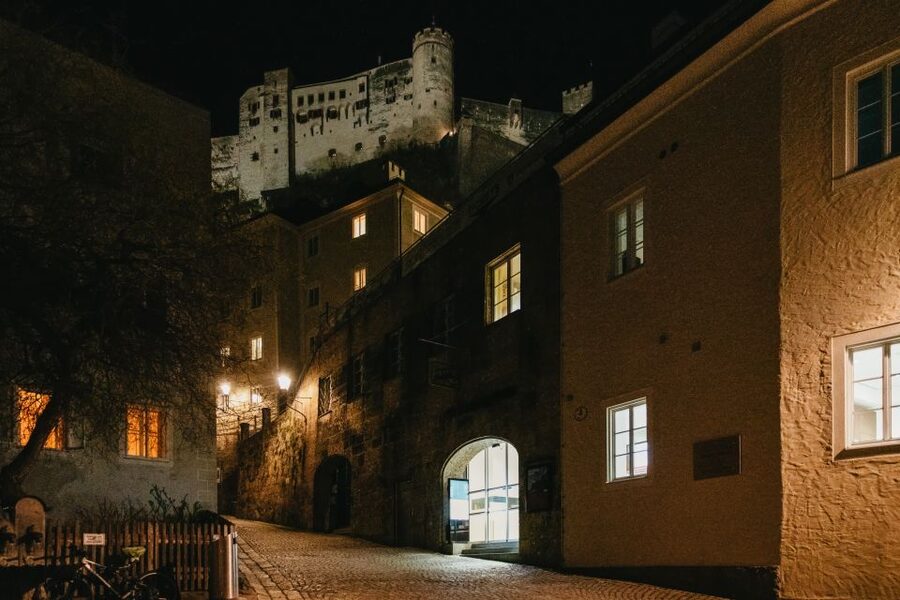
Salzburg is easy to admire. The churches, grand squares, fortress views, and polished historic lanes give the city a gentle, almost storybook air. This walk asks you to look past that surface and consider how the same town handled crime, punishment, religious fear, and public order.
You meet at Festungsgasse 4, next to the Talstation of the Festungsbahn, the funicular station for Hohensalzburg Fortress. That is a useful starting point because it is central and easy to identify, but you should arrive ready to walk rather than expecting an indoor presentation.
The route explores hidden corners and remote alleyways of the old town. Exact stops are not listed, and that is part of the character of the experience. Instead of moving from one named attraction to another, you follow a historical thread through Salzburg’s streets.
I like this format because the setting does some of the work. A story about justice becomes more memorable when you are standing in the same old urban environment where people once lived under those rules. Still, do not expect every story to be tied to a visible plaque or a preserved torture chamber. Much of the value comes from the guide’s explanation.
More Historical Tours in Salzburg:
- Vienna: Time Travel and Magic Vienna History Tour
★ 4.6 · 3,879 reviews - Vienna: World War II Historical Walking Tour
★ 4.8 · 1,772 reviews - Vienna Historic Center Small Group Walking Tour
★ 5.0 · 1,746 reviews
The witch trials and Salzburg’s fearful centuries
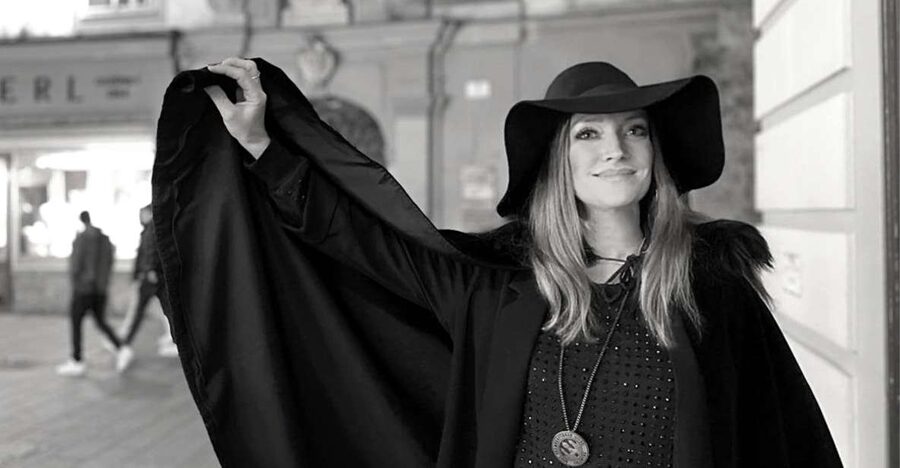
One of the central subjects is the witch trials of the 17th century. These cases offer a useful window into a period when religious belief, social anxiety, illness, rumor, and legal authority could reinforce one another.
The tour places these trials within Salzburg’s wider medieval and early modern past. You are not simply given a list of frightening tales. You hear how accusations and punishment fit into the systems of the time, at least within the documented history used for the walk.
That distinction matters. The tour is mainly based on records and historical evidence, not invented legends. If you prefer a spooky story with a loose connection to fact, this may feel restrained. If you want to understand how ordinary fears could become official charges, it should offer more substance.
The subject is dark, but the tone is not relentlessly grim. Humor helps keep the presentation moving, especially when the material becomes unpleasant. This balance also explains the age recommendation of 11 and up. Younger children may find the ideas too serious, while older children and teenagers may appreciate the unusual angle on Salzburg.
Executioners, torturers, and the jobs nobody wanted
The tour also looks at executioners and torturers. These were not simply faceless villains in a story. They held specific roles within the legal system, and those roles came with social consequences.
Learning about the work itself gives you a better sense of how punishment operated. An execution required a person with the skill and authority to carry it out. Torture, under the rules of the period, was connected to investigation and confession. That does not make the practices acceptable by modern standards, but it helps explain how authorities defended them at the time.
I find this angle more useful than a simple list of gruesome punishments. It shifts the focus from shock to structure. Who made the rules? Who enforced them? What happened to the people assigned to perform the work? Those questions turn a dark walk into a lesson about power and social boundaries.
You will also hear about medieval and modern methods of torture. The comparison gives the tour a longer time frame, showing that harsh treatment did not belong only to one distant age. The material may be uncomfortable, so this is not an ideal pick if you want a light stroll after dinner.
How the 90-minute route is likely to feel
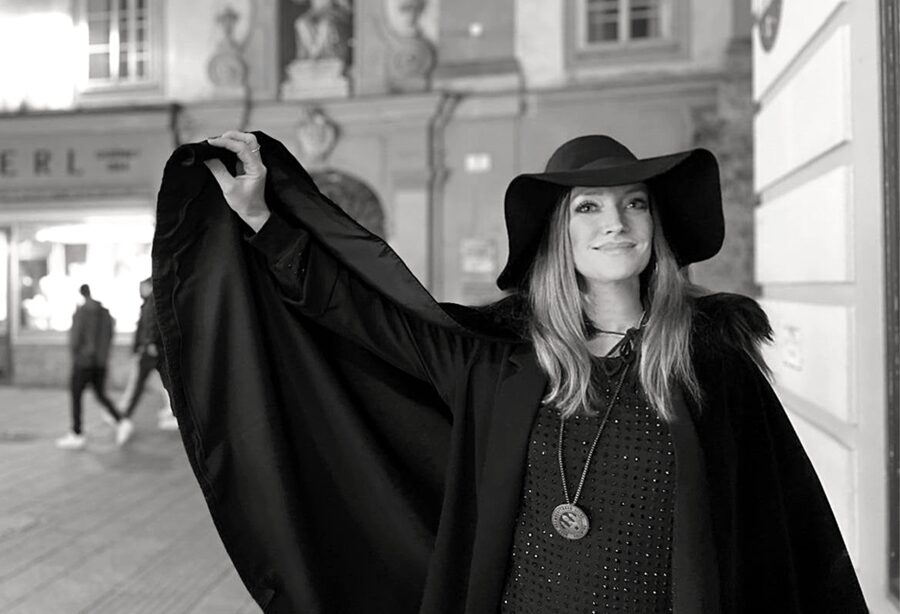
The walk lasts about an hour and a half, which is long enough to build a story but short enough to fit around a day of sightseeing. You begin near Festungsgasse, then move through parts of Salzburg’s old town associated with its darker history.
Because this is a walking tour, the route is more important than any single interior display. You will hear explanations while moving through streets and lanes, with the city itself providing the backdrop. There are no entrance fees included because the activity is a guided walk rather than a museum visit.
I like the length for a first look at this side of Salzburg. A shorter tour could reduce the subject to a few grisly anecdotes. A much longer version might test your patience, especially if torture and execution are not your main interests.
The pace also appears to benefit from a lively delivery. Sabine Rath is specifically praised for being professional, sympathetic, and humorous, while another recent booking described the tour as entertaining and easy to follow. Those qualities matter here. Dark history can become heavy if presented as a lecture, but it can also become shallow if treated as pure entertainment.
A few more Salzburg half-days to weigh up
- The Original Sound of Music Tour in Salzburg
★ 4.5 · 6,129 reviews - Salzburg: Original Sound of Music Tour
★ 4.8 · 5,059 reviews - From Salzburg: Half-Day Tour to Hallstatt
★ 4.6 · 3,596 reviews - Salzburg: Mozart Concert at Mirabell Palace
★ 4.8 · 3,498 reviews
A dark tour that is not really a ghost tour
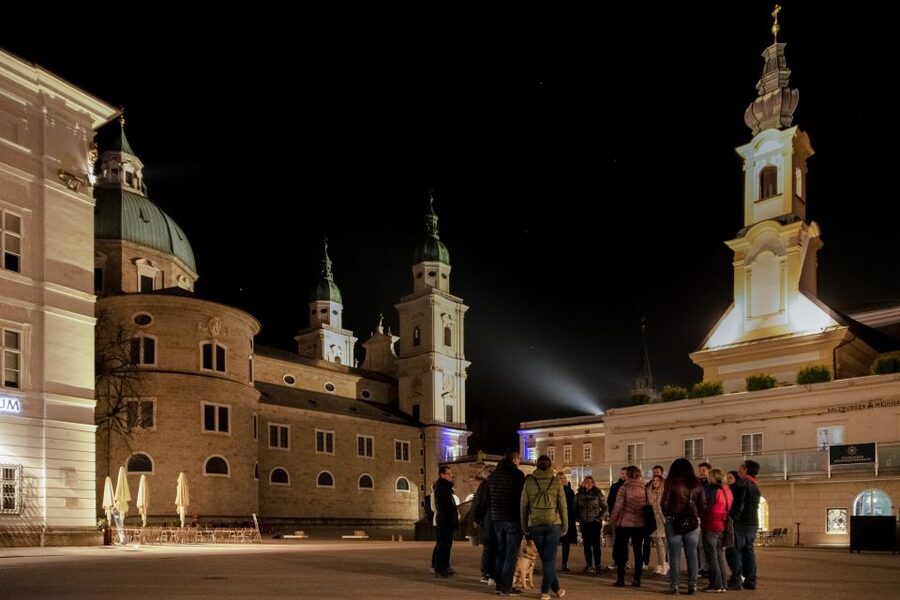
You should set your expectations before booking. The word dark refers mainly to the subject matter and the less pleasant side of Salzburg’s past. The experience is not described as a paranormal walk, and the strongest feedback points to historical storytelling rather than horror.
That makes the tour a good match for you if you enjoy social history, unusual local stories, or the practical details of old legal systems. You may also like it if you have already seen Salzburg’s major sights and want a different way to understand the city.
I would choose another activity if you want theatrical scares, actors, special effects, or a night of supernatural legends. One useful point is that the humor does not erase the seriousness of the material. Instead, it keeps the walk accessible without turning the past into a joke.
The balance seems especially helpful for families with older children. The minimum age is 11, and the tour’s humor can make difficult subjects easier to discuss. Parents should still decide based on their child’s comfort with executions, witch trials, and torture.
Language, guide style, and group needs

German is the listed tour language. You may request English, Spanish, or German, but you should make that request before booking rather than assume the guide will automatically switch languages.
The guide named for this experience is Sabine Rath. Her style is described as professional, friendly, historically informed, humorous, and entertaining. That combination is important because the walk depends heavily on the person leading it. There are no major indoor exhibits or displays to carry the experience.
For a private group or a larger event, additional guides can be provided. That option may be useful for school groups, clubs, or organized parties, although the supplied details do not specify the maximum standard group size or the extra cost.
The activity is listed as wheelchair accessible. Since it takes place in the old town and includes walking through lanes, you may still want to confirm the exact route and street conditions when booking, particularly if you need detailed accessibility information. The available information confirms accessibility but does not describe every surface or slope.
Is $32 a fair price?
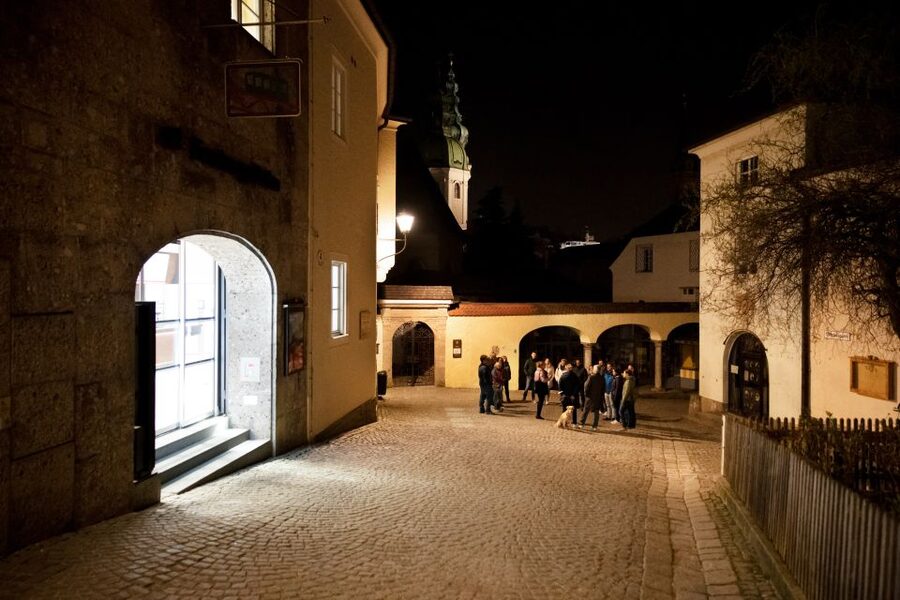
At $32 per person, this is priced like a focused specialty walk rather than a basic orientation tour. You are paying for a themed subject, a live guide, and 90 minutes of interpretation in Salzburg’s historic center.
The value is strongest if you care about the topic. A general city walk might cover architecture, music, and famous sights. This experience spends its time on witch trials, executions, torture, and the darker workings of law. If those subjects interest you, the narrow focus makes the price easier to justify.
The value is weaker if you mainly want views or landmark access. The walking tour does not include entrance fees, and no fortress, museum, or other paid attraction is part of the activity. You are buying stories and context, not admission to a site.
I also think the short duration helps. You can fit it into a full Salzburg day without giving up an entire afternoon. The ability to cancel up to 24 hours ahead for a full refund, along with the reserve-now-and-pay-later option, gives you some planning flexibility.
Who should book this walk?
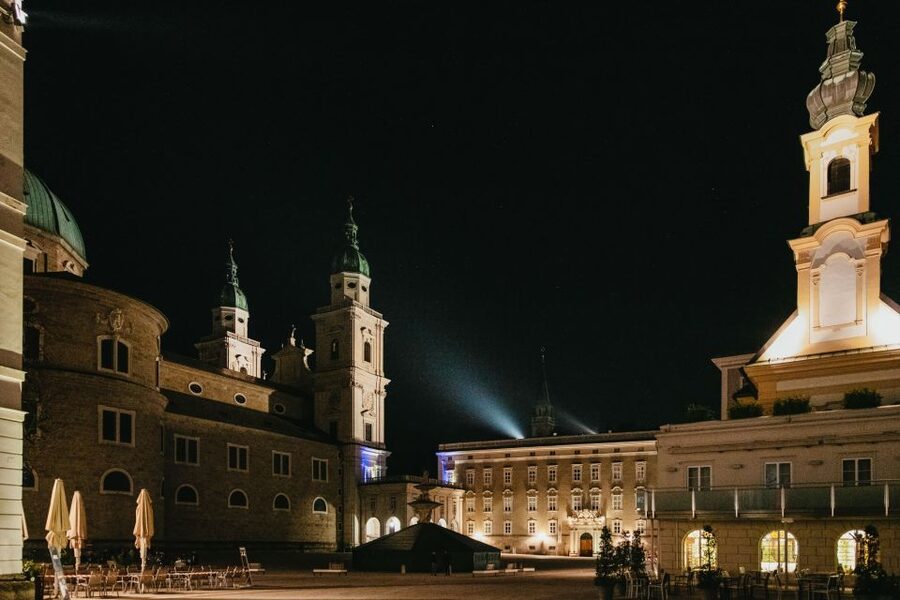
I would recommend it to adults and older children who enjoy history with an uncomfortable edge. It suits people who want to understand how medieval and early modern society dealt with crime, guilt, punishment, and fear.
It is also a smart choice after you have seen Salzburg’s familiar sights. The walk gives you a different lens on the old town, and you may notice the streets differently afterward. The humor makes it less severe than the subject list first suggests.
I would be cautious about booking it for children under 11, since they are not permitted. I would also avoid it if your idea of a dark tour means ghosts and theatrical fright. The title may create that expectation, but the actual focus is documented history.
Practical details before you reserve
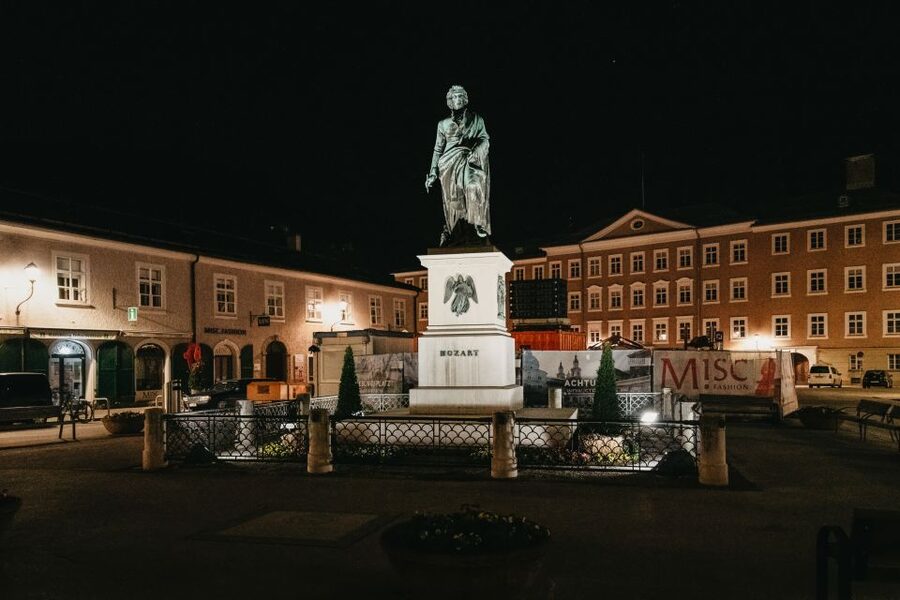
The meeting point is Festungsgasse 4, beside the Talstation of the Festungsbahn in Salzburg. Check the start time when you book because availability changes by date.
The tour takes 90 minutes and includes the walking tour itself. Entrance fees are not included, though the provided details do not identify any required paid stop.
The live guide language is German. English and Spanish can be requested, but confirmation is sensible. The experience is wheelchair accessible, and additional guides may be arranged for larger groups or special events.
You can cancel up to 24 hours before the start for a full refund. You may also reserve now and pay later, which is useful if your Salzburg schedule is still taking shape.
Should you book Salzburg’s Dark History Tour?
Book it if you want a factual, lightly humorous look at Salzburg’s witch trials, executioners, torturers, and past systems of punishment. The 90-minute length, central meeting point, and focused subject make it easy to add to a sightseeing day.
Skip it if you want a ghost story tour or a dramatic scare experience. The best reason to choose this walk is not fear. It is the chance to see Salzburg as a real city with difficult chapters, explained by a guide such as Sabine Rath who can keep the subject clear, human, and moving.
FAQ
Where does the Salzburg Dark History Tour meet?
The meeting point is Festungsgasse 4, next to the Talstation of the Festungsbahn, at 5020 Salzburg.
How long does the tour last?
The walking tour lasts about 90 minutes.
What does the tour cover?
It covers Salzburg’s darker past, including witch trials, executioners, torturers, and medieval and modern methods of torture.
Is the tour based on real history?
The tour is mainly based on documented history.
Is this a ghost or horror tour?
The information describes it as a historical tour of Salzburg’s darker side. It includes humor and focuses more on documented history than on scares.
What language is the tour in?
German is the listed language. You may request English, Spanish, or German.
Can children join the tour?
The tour is suitable for children aged 11 and up. It is not suitable for children under 11.
Is the tour wheelchair accessible?
Yes, the activity is listed as wheelchair accessible.
Are entrance fees included?
No. Entrance fees are not included. The included service is the walking tour.
How much does the tour cost?
The price is $32 per person.
Recently added around Salzburg
- From Vienna: Austrian Lakes and Salzburg Private Tour★ 5.0 · 3 reviews
- Salzburg On the Traces of Mozart Private Tour★ 4.5 · 3 reviews
- Salzburg & “The Sound of Music” Full Day Driver-Guided Tour★ 5.0 · 3 reviews
- Salzburg für Salzburger★ 5.0 · 3 reviews
- Salzburg “Sound of Music” Private Driver-Guided Tour★ 5.0 · 3 reviews
- Private Tour: Discover Salzburg and the Stunning Lake District★ 5.0 · 3 reviews
- Private Bavarian Mountain Tour★ 4.3 · 3 reviews
- MONDSEE: The Strudelgirl – bake your Apple Strudel Dream★ 5.0 · 3 reviews
Salzburg Tours, compared.


Eagle’s Nest and Berchtesgaden Tour from Salzburg
Read our review →
Browse the lists this tour appears in