
Reviewed · WALKING TOURS IN VIENNA
Vienna: Historical Walking Tour – Hitler and the 1900s
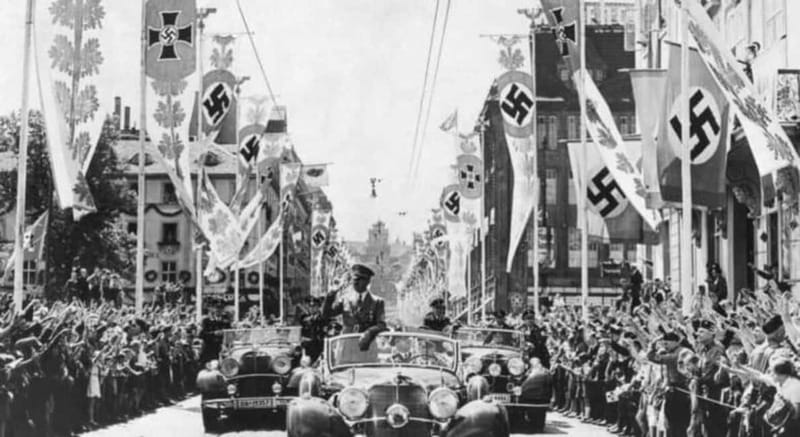
Vienna’s early 1900s were full of sharp contrasts: imperial ceremony on one side, radical politics and new art on the other. This two-hour walk follows Hitler’s early years in the city while also showing how figures such as Klimt and Wagner helped push Vienna toward modern life.
I like the serious historical focus and the way the route reaches beyond the standard postcard sights. I also like the low $22 price, the English-speaking local guide, and the chance to hear individual stories from guides such as Joseph and Cristina. The main consideration is that this is a walking tour without museum entry, food, or transport, so you will need to add those on your own.
Key points
- Hitler’s early Vienna: Learn how the young Hitler’s years in Vienna fit into the city’s political and social changes.
- Art and architecture together: Connect Klimt, Wagner, Karlsplatz, and Museumsquartier with Vienna’s move toward modern design.
- A two-hour city walk: The compact format works well early in a stay, though it cannot cover every part of the subject.
- Local storytelling: Guides such as Joseph and Cristina bring anecdotes, clear explanations, and personal recommendations.
- Good value at $22: Your guide and reserved place are included, while museum admissions and refreshments are extra.
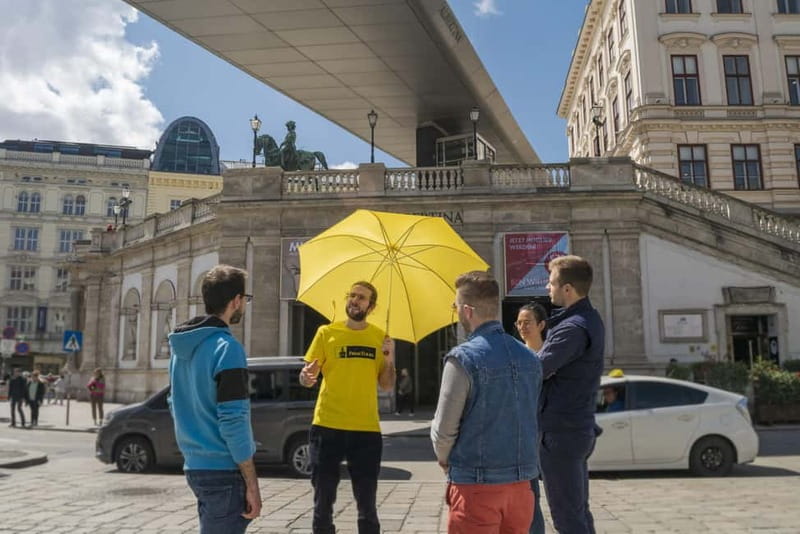
- Simple meeting point: Find the yellow Prime Tours umbrella, then return to the same meeting point at the end.
Vienna before the First World War
I find this tour most useful when you approach it as a story about a city, not only a story about Hitler. Vienna around 1900 was still the center of the Habsburg Empire, yet it was also changing fast. Old imperial habits sat beside new art, new buildings, mass politics, and social tension.
That setting helps explain why the route includes both Hitler’s early footsteps and the artistic revolution linked with Klimt and Wagner. The tour is not simply a march from one Hitler-related address to another. It places his early life within the wider city he knew.
You will hear how Vienna evolved from an imperial capital into a modern metropolis. The value here is context. A single building or square can tell you little on its own, but the guide’s explanation can connect politics, culture, architecture, and the city’s later identity.
The subject is also sensitive. Hitler’s Vienna years raise difficult questions about antisemitism, political influence, ambition, and personal failure. I would expect a good guide to treat those issues with care rather than turn them into sensational entertainment. The tour description points toward that broader approach, pairing his story with the city’s art and urban change.
More Walking Tours in Vienna
- Vienna: Guided Walking Tour of City Center Highlights
★ 4.7 · 4,989 reviews - Vienna: Vienna Central Cemetery Guided Walking Tour
★ 4.8 · 3,307 reviews - Vienna: Guided Walking Tour of City Highlights & Hidden Gems
★ 4.9 · 2,180 reviews
Following Hitler’s early footsteps
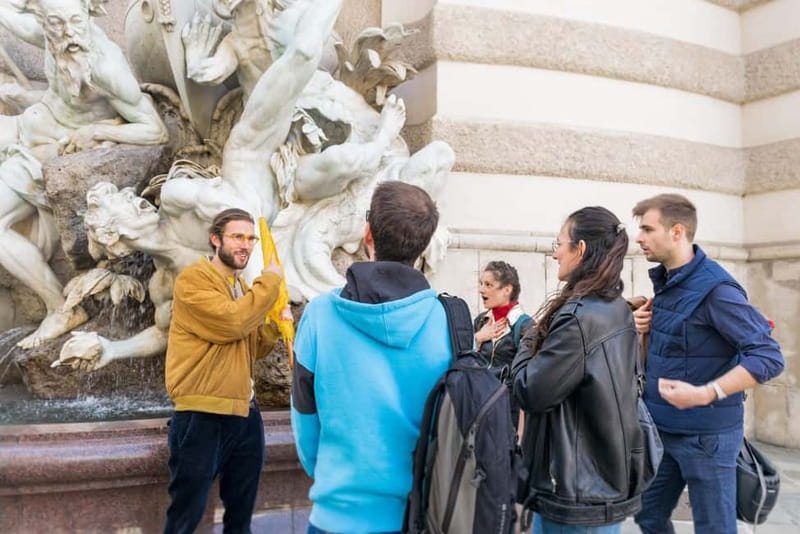
The central thread is Hitler’s time in Vienna before his later rise. You will explore places tied to his early life and consider how the city affected his ideas and ambitions.
It is important to keep your expectations in check. This is not presented as an access tour to a major Hitler museum, and there is no promise of entering private or restricted sites. Instead, the experience uses streets, public spaces, architecture, and explanation to build a picture of the young man and the city around him.
That format can work well for a difficult subject. You are not asked to admire Hitler or treat his early years as a heroic origin story. You are asked to examine the setting, the political climate, and the forces that shaped Vienna in the early 1900s.
I also appreciate that the route does not isolate this history from the people who lived through it. Vienna was more than the story of one future dictator. The walk connects his early years with artists, architects, imperial power, and the city’s movement into a new age.
The guide makes a major difference here. Joseph is especially associated with anecdotes and many individual stories, which suits a route built around places that may not explain themselves. Cristina is described as clear and well spoken, qualities that matter when the topic includes political ideas and complicated chronology.
Karlsplatz and the city’s changing face
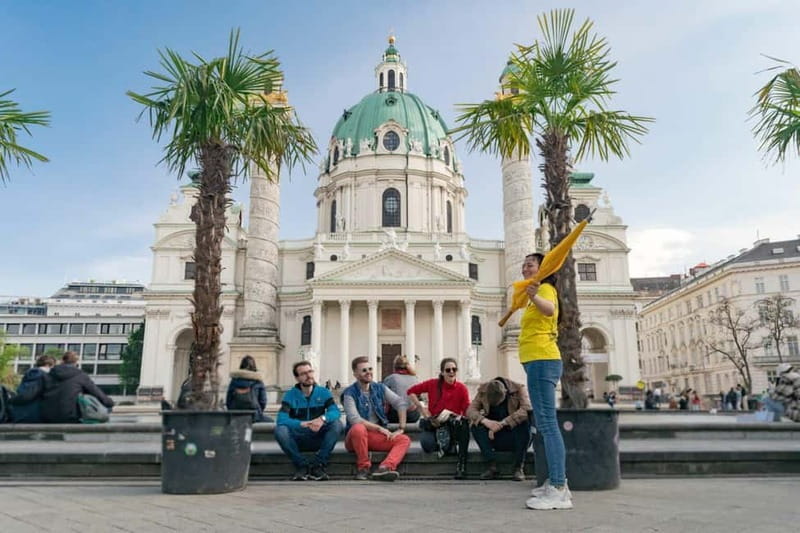
Karlsplatz is one of the named stops, and it gives the tour a strong setting for discussing Vienna’s transformation. Its position among major cultural and architectural sights makes it useful for looking at the tension between imperial tradition and newer design.
I would pay attention here to how the guide frames the buildings and public space. The point is not only to take photographs. You are looking at the visual language of a city that was trying to remain an imperial capital while also responding to modern art, new technology, and changing public life.
The connection with Otto Wagner is particularly useful. Wagner is linked with Vienna’s artistic and architectural shift, and his work helps show why this period matters beyond Hitler’s biography. The city was experimenting with forms that felt less tied to older imperial decoration and more suited to a modern urban center.
A walking stop also lets you see scale and setting in a way a book cannot. You can notice how one building relates to a square, how movement through the city works, and how old and new styles share the same streets. The guide supplies the interpretation, while the city provides the evidence.
Karlsplatz is not a museum visit, so do not expect a long indoor presentation or an extended look at one collection. Its strength is the street-level view. You get a quick but useful lesson in how architecture reflects a city’s changing priorities.
Museumsquartier and Vienna’s artistic revolution
Museumsquartier brings another side of the story into view. The stop helps link Vienna’s modern cultural identity with the artistic changes that took shape around 1900.
Klimt is part of this thread. His name gives the period an immediate artistic reference point, but the tour’s bigger purpose is to show that Vienna was not culturally frozen under the Habsburgs. Artists and architects were testing new ideas, and the city was becoming a place where old authority met modern expression.
I like this balance. A tour focused only on Hitler can become narrow and grim. By placing him beside Klimt, Wagner, and the city’s broader artistic shift, the guide can show the competing currents of the period. Vienna was producing both creative innovation and destructive political thinking.
Museumsquartier also gives you a useful stop if you plan to explore Vienna’s museums later. The tour does not include entrance fees, so you will not be walking through the museums as part of the two-hour experience. Still, the guide can help you understand why this district matters and may offer suggestions for the rest of your visit.
The practical advantage is that you can combine this tour with a museum visit on another day. If you want a full art experience, budget separately for admission and time inside. If your schedule is tight, the outdoor explanation still gives you a framework for deciding which cultural sites deserve your attention.
More Historical Tours in Vienna:
- Vienna: Time Travel and Magic Vienna History Tour
★ 4.6 · 3,879 reviews - Vienna: World War II Historical Walking Tour
★ 4.8 · 1,772 reviews - Vienna Historic Center Small Group Walking Tour
★ 5.0 · 1,746 reviews - Time Travel-Magic Vienna History Tour Ticket
★ 4.5 · 1,099 reviews
From Habsburg capital to modern metropolis
The most interesting promise of this walk is its larger historical arc. Vienna did not simply move from one ruler or one style to another. It changed through political pressure, artistic rebellion, social conflict, and the slow reshaping of urban life.
The Habsburg Empire provides the starting point. Vienna’s imperial identity influenced its streets, institutions, and public image. At the same time, the city faced new political movements and social divisions. Those pressures form the backdrop for Hitler’s early years and for the artistic changes associated with Klimt and Wagner.
You will likely get more from the walk if you keep asking how the city’s past remains visible today. A building can survive while its meaning changes. A public square can serve different political purposes across time. An artistic movement can be celebrated in the same city where darker ideas were also taking root.
This is where a local guide earns the price. A printed timeline can give you dates, but a guide can point to a place and explain why it mattered. The strongest moments should come from those small connections between what you see and what happened there.
The experience also gives Vienna a less polished image. The usual imperial tour presents grand palaces, music, and ceremony. This route looks at conflict and uncertainty beneath that surface. I would not choose it as my only Vienna tour, but I would choose it for a second look at the city’s political and cultural character.
What the guides add to the walk
Your guide is central because the tour depends on spoken explanation rather than entry to a major attraction. The guide needs to make public places meaningful, keep the chronology clear, and handle Hitler’s story without drifting into spectacle.
Joseph is associated with a lively supply of anecdotes and individual stories. That style can make the route easier to follow, especially if you enjoy history through personal details rather than a long lecture.
Cristina is described as well spoken and informed, which should suit anyone who wants a clear account of Vienna’s political and artistic shifts. Ángeles and Mia also singled out their guide’s strong grasp of Vienna’s history, suggesting that the guiding team can bring solid subject knowledge to the walk.
Those details are useful, but you should remember that a walking tour varies with the person leading it. One guide may stress personal stories, while another may give more attention to architecture or politics. Either way, the tour’s structure gives the guide several good subjects to work with.
Insider tips and recommendations are included. I would ask about museum choices, nearby sights, and places to continue the story after the walk. Since the tour ends where it begins, you can also use the guide’s suggestions to plan your next stop in the same part of Vienna.
The $22 price and what it really covers
At $22 per person, this is a reasonable buy for a two-hour guided introduction to a serious and less familiar side of Vienna. You are paying for a local English-speaking guide, the walking route, a reserved place, and the chance to ask questions along the way.
The value depends on what you want. If you prefer self-guided sightseeing and already know Vienna’s early 1900s history, you may not need it. If you want the city’s streets interpreted for you, $22 is modest compared with the cost of a private guide or a longer specialist tour.
The price does not include food, drinks, transport to the meeting point, or admission to museums and other attractions after the walk. Plan for the tour as an outdoor history lesson, not a package that gets you inside every landmark.
A tip for the guide is included, and giving more on the spot is welcome. That makes the price easier to understand, since the basic guide gratuity is already covered. You can still add something if the guide’s storytelling and help improve your day.
The two-hour length is another value point. It is long enough to provide a real theme without taking over your whole day. I would schedule it near the start of your Vienna stay if possible, since the advice and city context may help with later sightseeing.
Practical details before you book
Look for the yellow Prime Tours umbrella at the meeting point. The activity ends back at the same meeting point, which simplifies planning and means you do not need to arrange a return transfer.
The tour is offered in English with a live guide. It is wheelchair accessible, an important detail for anyone checking routes in advance. You should still consider that this is a walking activity and ask the operator directly if you need route information beyond the stated accessibility detail.
Free cancellation is available up to 24 hours before the tour for a full refund. You can also reserve now and pay later, which helps if your schedule is still taking shape.
The safety note places participation on a voluntary basis and says the freelance guides cannot be held responsible for injuries to people or property. Read that wording before booking, and use normal care on city streets. Wear comfortable shoes, allow time to reach the yellow umbrella, and check the available start times before you commit.
There is no stated group size. That means I would not book this expecting a private or small-group experience unless the operator confirms it separately. The quality of the guide and the questions you ask will matter more than the promise of a particular group format.
Who will get the most from this tour
I would recommend this walk to anyone who has already seen some of Vienna’s imperial highlights and wants a more difficult, modern subject. It suits history-minded visitors, architecture fans, and people curious about how art and politics shaped the same city.
It is also a good fit if you want a compact introduction before choosing museums or further walks. The route names Karlsplatz and Museumsquartier, so it can help you place those areas within a wider story.
Families with older children or teenagers may find the topic useful, but the material concerns Hitler, political change, and the darker side of Vienna’s past. I would decide based on their interest and maturity rather than treating this as a light sightseeing walk.
You may want to skip it if your priority is palace interiors, classical music, food, or a relaxed overview of Vienna’s main monuments. The tone is historical and serious, and two hours is not enough for a broad survey of every major sight.
Should you book Vienna’s Hitler and 1900s walk?
Book it if you want context rather than a checklist. For $22, you get a focused way to connect Hitler’s early Vienna with Klimt, Wagner, Karlsplatz, Museumsquartier, and the city’s move from imperial capital to modern metropolis.
I would treat it as a strong first or second-day activity, then use the guide’s recommendations to shape the rest of your stay. Choose it with realistic expectations: you will walk through public places, hear detailed stories, and receive local guidance, but museum admissions and transport are separate.
Skip it if this subject feels too heavy or if you want a tour centered on Vienna’s grander, more cheerful traditions. For the right reader, though, the tour offers a clear-eyed look at the city’s past and the forces that still shape how Vienna is understood today.
FAQ
How long does the tour last?
The walking tour lasts two hours. Starting times vary, so check availability when booking.
What language is the tour in?
The live tour guide conducts the experience in English.
What is the price?
The listed price is $22 per person.
Where does the tour start?
Look for the yellow Prime Tours umbrella at the meeting point.
Where does the tour end?
The activity ends back at the meeting point.
Are museum entrance fees included?
No. Entrance fees to museums or other attractions after the tour are not included.
Is transportation included?
No. You are responsible for getting to and from the meeting point.
Can I cancel for a full refund?
Yes. You can cancel up to 24 hours in advance for a full refund. You can also reserve now and pay later.
Recently added around Vienna
- Vienna: Private tour Mauthausen and Linz★ 4.1 · 3 reviews
- 2-Day Prague Tour from Vienna with private Transfers and Lunches★ 5.0 · 3 reviews
- Vienna Self Guided Sherlock Holmes Murder Mystery Game★ 4.5 · 3 reviews
- Vienna Private Schönbrunn Palace Tour, Extra Rooms and Gardens★ 5.0 · 3 reviews
- Salzburg and Lake Region Private Day Trip from Vienna★ 5.0 · 3 reviews
- Small-group Vienna Wine Tour★ 5.0 · 3 reviews
- True Crime mobile puzzle rally Vienna★ 4.0 · 3 reviews
- Vienna: Wachau Valley Private Kayak and Wine Tour★ 5.0 · 3 reviews
Walking Tours in Vienna, compared.

Guided Walking Tour of City Center Highlights
Read our review →
Guided Walking Tour of City Highlights & Hidden Gems
Read our review →
Vienna Historic Center Small Group Walking Tour
Read our review →


Ghosts and Legends Guided Nighttime Walking Tour
Read our review →

Browse the lists this tour appears in