
Reviewed · WALKING TOURS IN VIENNA
Vienna: Guided Walking Tour of City Center Highlights
Vienna’s imperial center is compact, grand, and full of stories that are easy to miss when you walk alone. This two-hour tour links the Hofburg, Spanish Riding School, coffee-house district, Blutgasse, and St. Stephen’s Cathedral into a useful first look at the city.
I like the way the route mixes famous sights with smaller lanes, especially the turn into Blutgasse. I also like the guides’ storytelling style, with Alex, Sandra, Wolfgang, Stephan, and others praised for humor and clear explanations. The main drawback is that this is a public walking tour, and without a headset, hearing every word may be hard in a larger group.
Key points at a glance
- Imperial Vienna in two hours: See the outside of the Hofburg and the Spanish Riding School without spending half a day indoors.
- More than postcard sights: The route leaves the grand avenues for the narrow Blutgasse district.
- Coffee-house culture included: You learn how traditional Viennese cafés fit into the city’s daily life and identity.
- Strong guide-led storytelling: Alex, Sandra, Wolfgang, Stephan, Sarah, and other guides are praised for humor, local detail, and lively delivery.
- A good first-day choice: The tour gives you a map in your head, then points you toward places to revisit on your own.
- Prepare for city conditions: It runs in rain and heat, and the guide may have limited time for photographs.
Why this walk works as a first look at Vienna
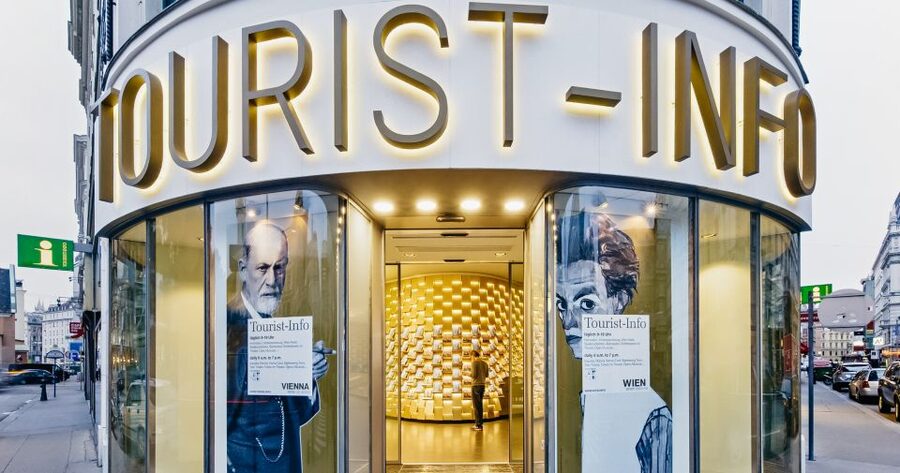
Vienna can feel like a museum at first. Grand palaces, statues, churches, and ceremonial buildings fill the center, but the meaning behind them is not always clear from a quick glance. A guide helps connect those pieces, especially the long story of the Habsburg dynasty and the imperial court.
The tour begins near the Sacher Hotel, placing you close to the historic center and several of Vienna’s best-known landmarks. From there, you move through the old town on foot rather than being carried between sights by bus. That matters because Vienna’s center is made for short walks, and the shifts between broad squares, palace courtyards, lanes, and church views are part of the experience.
I would use this tour early in your stay. It is not meant to replace a full visit to the Hofburg, a museum ticket, or a focused cathedral tour. Instead, it gives you the basic structure of central Vienna, so later you can return to the places that caught your attention.
The 4.7 rating from 4,989 reviews reflects a very consistent strength: the guides make the material easy to follow. Alex is often described as funny and a strong storyteller, while Sandra is praised for warmth, humor, and detailed explanations. Wolfgang is noted for keeping a group engaged for more than two hours, and Stephan for combining facts with an approachable style.
Guide quality can vary on any public tour, but this experience has a deep bench of well-liked guides. You may be led by Alex, Sandra, Wolfgang, Stephan, Sarah, Johann, Margareta, Verena, Lukas, or another member of the team. The language choices are English and German.
More City Tours in Vienna
- Vienna: City Cruise with Optional Lunch
★ 3.4 · 3,982 reviews - Vienna: City Cruise
★ 3.3 · 2,978 reviews - Vienna: Guided Walking Tour of City Highlights & Hidden Gems
★ 4.9 · 2,180 reviews
The Hofburg exterior and Vienna’s imperial center
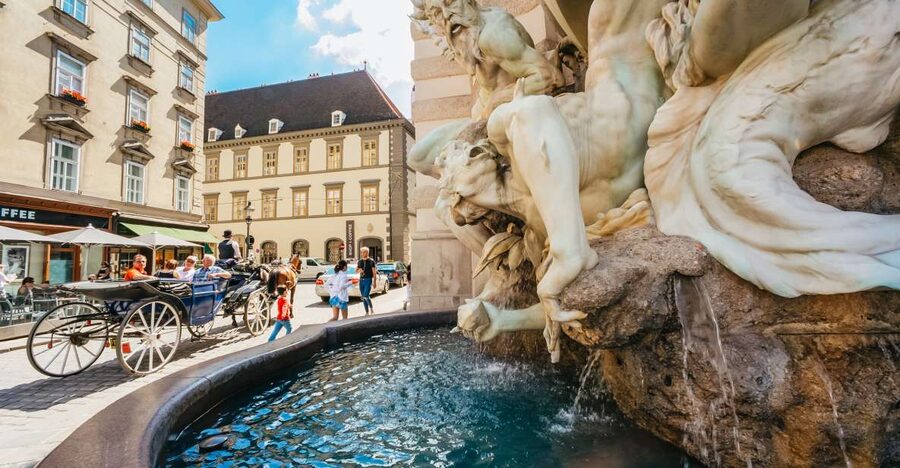
The Hofburg is the tour’s main lesson in imperial Vienna. This enormous complex was the principal palace of the Habsburg dynasty, and its many buildings reflect the way the ruling family expanded its home over centuries.
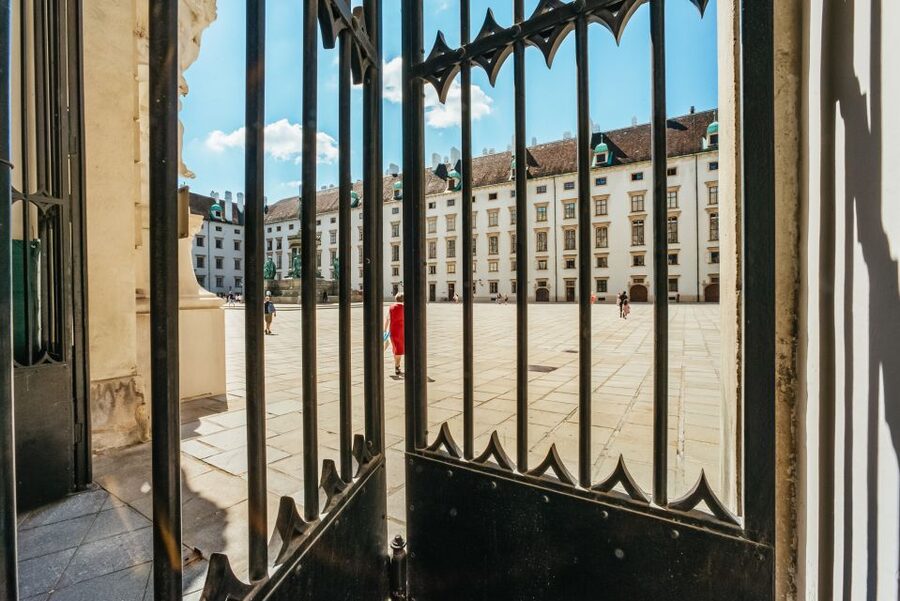
You see the exterior rather than enter the palace. That keeps the tour moving and helps the guide cover more of the central district, but it also sets a clear limit. If you want the Imperial Apartments, museums, or other interior rooms, you need a separate admission ticket. Entry to the Hofburg is not included.
The value here comes from context. On your own, you may photograph a grand façade and move on. With a guide, you can hear how the palace functioned, why the Habsburgs shaped Vienna so strongly, and how the surrounding monuments and buildings fit into the city’s story.
The focus leans heavily toward emperors, empresses, court life, and the Habsburg period. That suits anyone interested in dynastic Vienna, but it may feel less balanced if you want equal attention to every period from ancient Rome through modern Austria. One guide was specifically praised for covering a broad span from the Roman era to the present, yet the usual emphasis remains the imperial age.
Allow yourself a little patience at the palace stops. The buildings are large, and the guide may pause in places where the group can gather and listen. On hot days, a good guide may seek out shade, as Sandra did during one particularly warm tour. In rain, the tour continues, so bring suitable clothing rather than expecting weather delays.
The Spanish Riding School and its Lipizzaner tradition
The Spanish Riding School is one of the route’s most distinctive stops. You see the building and may catch sight of the Lipizzaner horses being trained, but this is not an indoor riding performance or a riding-school admission.
That difference is important when you compare this walk with a dedicated Spanish Riding School experience. Here, the school is part of a wider city tour. You receive a short introduction to its place in Vienna, then continue to the next district. If the horses are visible, that adds a memorable touch, but you should not book this tour expecting a full equestrian program.
I like this stop because it gives the imperial story a living connection. The Hofburg can seem formal and distant, while the horses make the old court world easier to picture. The guide can also explain why this institution remains such a recognizable part of Vienna’s image.
The route is designed for movement, not long photo sessions. One person found that the schedule left little time to take pictures, especially when the group was running behind. If you want carefully framed photographs of the palace or riding school, take them quickly when the guide allows, then stay close to the group.
Viennese coffee houses beyond the cake-and-coffee cliché
Vienna’s traditional coffee houses receive their own part of the walk. This is more useful than a simple recommendation to order a slice of cake. The guide explains the role of cafés in Viennese culture and helps you understand why they are treated as part of the city’s social identity.
The route passes some of the city’s famous coffee-house areas, giving you a chance to note places you may want to revisit. You are not promised a café meal or tasting, so think of this as an introduction rather than a food stop.
For me, this is one of the tour’s most practical features. Palace history can blur after several grand façades, but coffee-house customs give you something concrete to use during the rest of your visit. You can return later, sit down, and see the tradition in its everyday setting.
Do not expect the guide to stop the group for a long café break. The full route has several major subjects to cover, and the coffee-house section is part of the walking narrative. If café culture is your main interest, use the tour to choose a place, then plan a separate visit when you have time to linger.
More Walking Tours in Vienna
- Vienna: Vienna Central Cemetery Guided Walking Tour
★ 4.8 · 3,307 reviews - Vienna: Viennese Underworld Guided Walking Tour
★ 4.7 · 1,865 reviews - Vienna: World War II Historical Walking Tour
★ 4.8 · 1,772 reviews - Vienna Historic Center Small Group Walking Tour
★ 5.0 · 1,746 reviews
Blutgasse, narrow lanes, and a change of mood
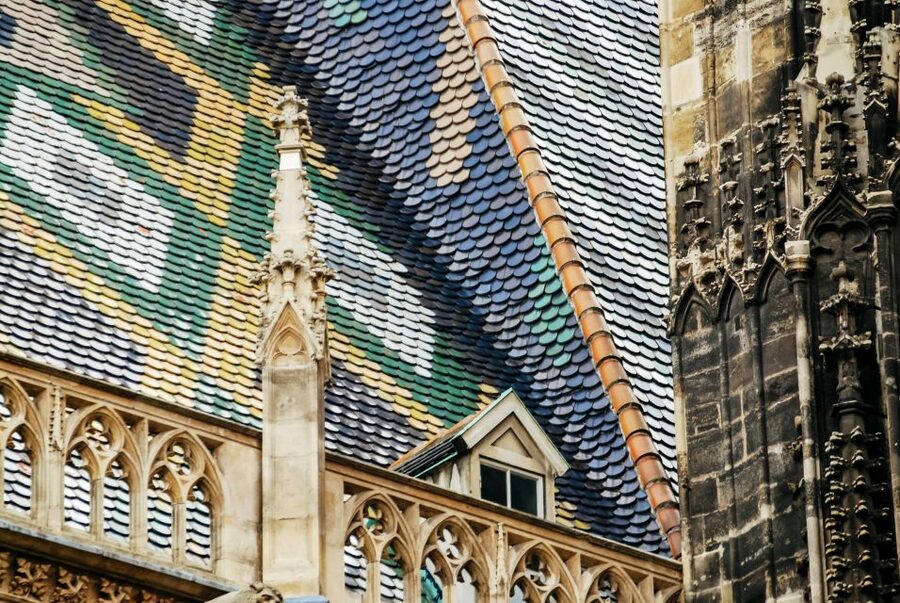
The turn into the Blutgasse district is a welcome shift from Vienna’s formal imperial avenues. This area offers narrower streets and a more intimate sense of the old center. It is the kind of place you might pass without understanding how it relates to the larger city around it.
The guide uses this section to show a different side of Vienna. The palace façades tell you about power and ceremony. The lanes tell you more about the texture of the old town, where the scale becomes smaller and the route feels less staged.
The supplied details do not promise a long stop at one specific building in Blutgasse, so treat this as a neighborhood walk rather than a museum visit. You may find the most value in the stories attached to the streets and in the chance to notice details you would otherwise miss.
This is also where group movement matters. Vienna’s center can be crowded with several walking tours at once. A small group is easier to hear and easier to keep together, while a larger group can make narrow streets and guide visibility more difficult.
St. Stephen’s Cathedral provides the final landmark
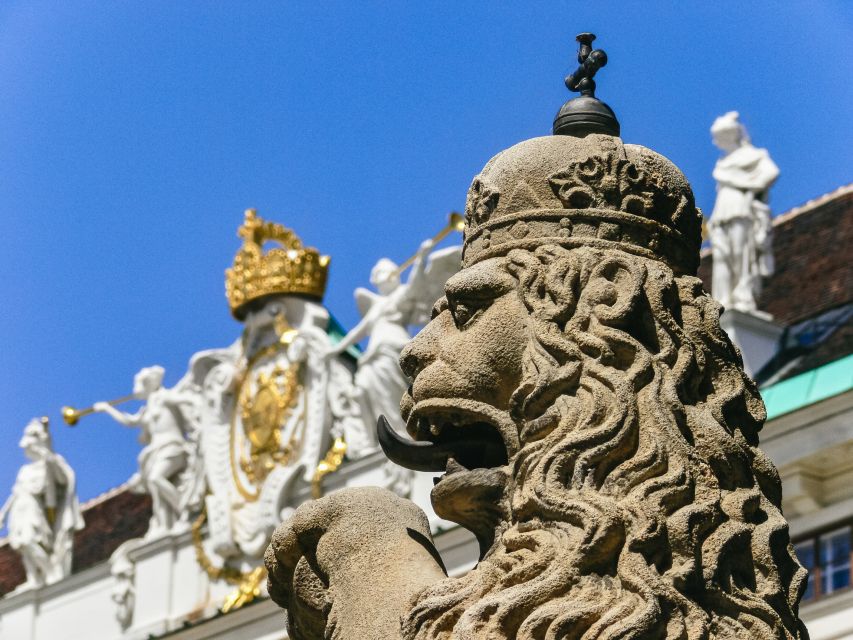
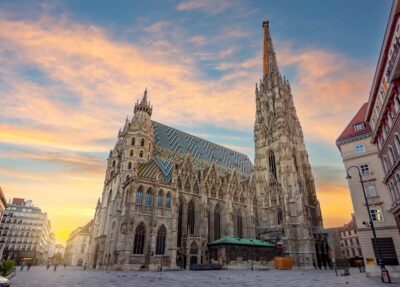
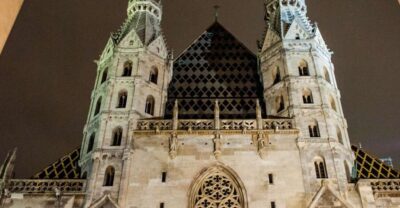
The walk finishes with a view of St. Stephen’s Cathedral, Vienna’s most famous church and one of the clearest reference points in the old town. The cathedral gives the route a strong ending because it brings you from imperial buildings and cafés to a major religious landmark.
The tour centers on the exterior view and the cathedral’s legends. It does not include entry, so you will need to arrange a separate visit if you want to see the interior or climb any towers. Still, an outside explanation can help you appreciate the building before you return on your own.
I especially like ending here because St. Stephen’s is easy to use as a starting point for independent exploring. After the tour, you can orient yourself around the cathedral, find nearby streets, or return to another stop that deserves more time.
The cathedral is also a practical meeting and navigation landmark in central Vienna. If you are staying in the city for several days, the route’s final location helps you understand how the old town fits together.
The guides make or break the experience
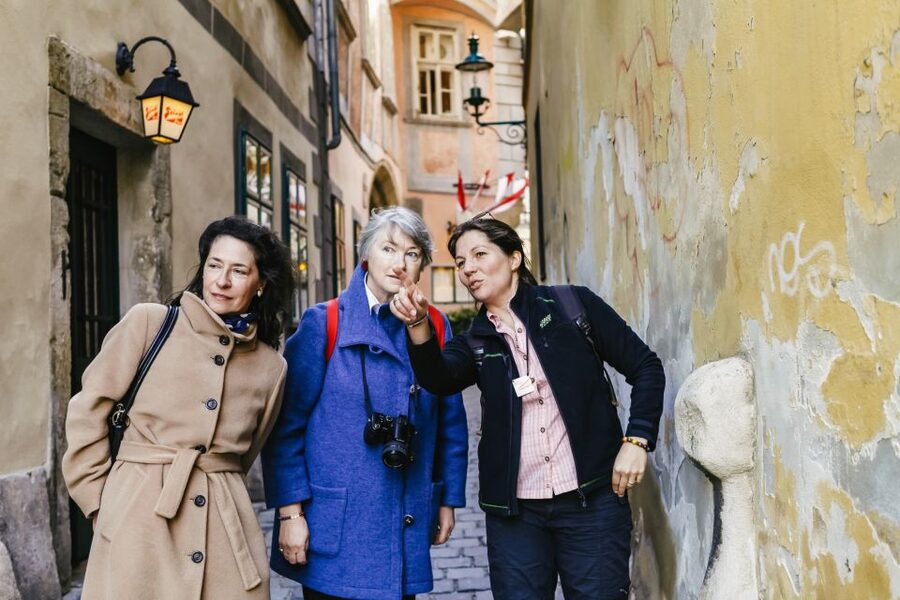
A history walk succeeds or fails on delivery. The strongest guide reports describe a mix of clear facts, jokes, personal touches, and answers to questions. Alex is repeatedly praised for his humor, friendliness, and storytelling. Sandra is described as entertaining, detailed, and attentive to the group. Wolfgang is credited with using photos and personal interaction to keep information easy to absorb.
Stephan is another strong name to watch for, with praise for his English, humor, and command of Vienna’s past. Sarah is described as approachable and funny, while Johann is praised for informative commentary delivered in excellent English. Verena receives special praise for combining historical skill with an artistic view of the city.
You should not assume a specific guide unless your booking option identifies one. The useful takeaway is that this team appears to rely on personality as well as facts. That makes the tour a better fit for you if you like history explained through stories rather than a dry list of dates.
There is one practical weakness: no tour guide system or headset is included. One person in a group of 13 had trouble hearing the guide and suggested a small portable speaker. If hearing every word matters to you, stay near the guide and consider choosing a smaller group or private option.
Group size, pace, and the realities of a city walk
This is a public tour, so other people may join. Group size can vary, and a smaller group makes it easier to ask questions, hear commentary, and speak with the guide between stops. A private group option is available if you want a more controlled experience.
The pace is designed to cover the main points in about two hours. That is a good length for a first introduction, especially if you have just arrived and want useful orientation without spending half a day on your feet. It also means the guide must keep the schedule moving.
You may not get long pauses at every landmark. The walk covers the Hofburg, Spanish Riding School, coffee houses, Blutgasse, and St. Stephen’s Cathedral, so the time is spread across several subjects. Think of each stop as a well-chosen introduction, not a full guided visit.
Wear comfortable shoes and plan for changing conditions. The tour operates in rain, and summer heat can make a two-hour walk tiring. The route is wheelchair accessible, but the public format and busy city streets can still affect how easily the group moves.
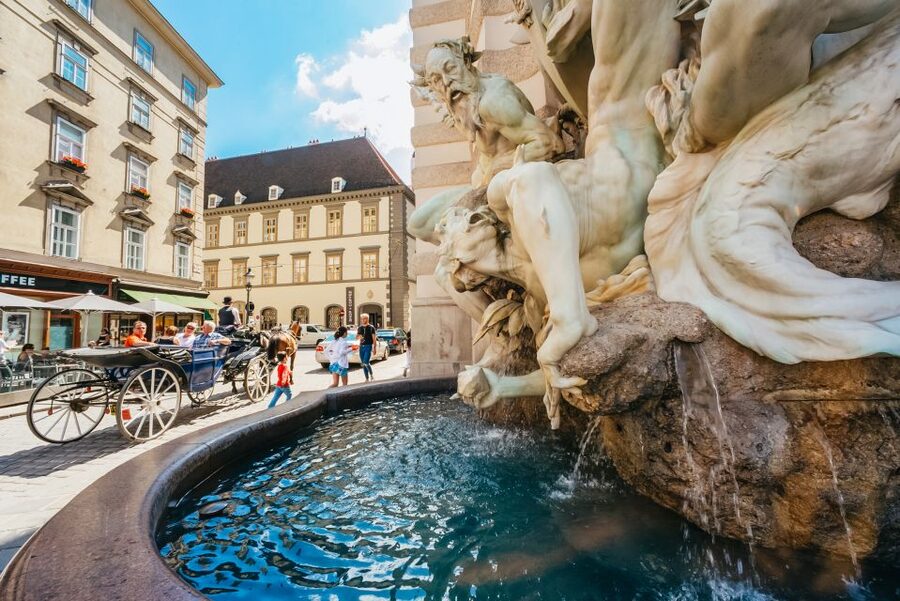
The meeting point varies by the option you book. Check your confirmation carefully, especially because many tour groups gather around the center. One useful tip is to look for the guide near the Information Shop when that is your designated meeting place.
Is $25 a fair price for two hours?
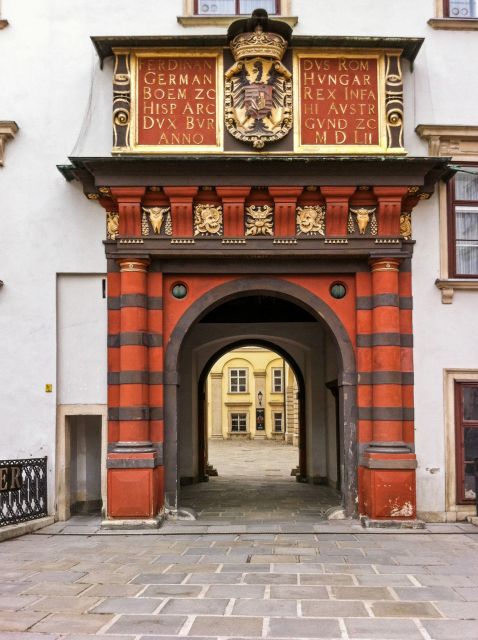
At $25 per person, this is a strong value if you want orientation and historical context rather than admissions. You are paying for a licensed guide and a carefully arranged route through several of Vienna’s most important central sights.
The price does not include entry to the Hofburg, a cathedral interior visit, a riding-school performance, food, or a headset. That keeps the base price low, but you should add separate admission costs if those interiors are on your must-see list.
I would compare the tour with the price of a private walk or a longer palace visit. For a modest fee, you get two hours of explanation and a route that helps you plan the rest of your stay. The value is strongest on your first day, when knowing where the major sights are can save time later.
The private option may suit families or groups who want hotel pickup on foot and more control over questions and pace. For solo visitors and couples, the public tour is likely the better deal, as long as you are comfortable with a changing group size.
You can reserve now and pay later, and cancellation is free up to 24 hours before the start time. Those terms are useful if your Vienna plans are still shifting, but the main decision should be the tour’s content and style, not the booking flexibility.
Who should book this Vienna walking tour?
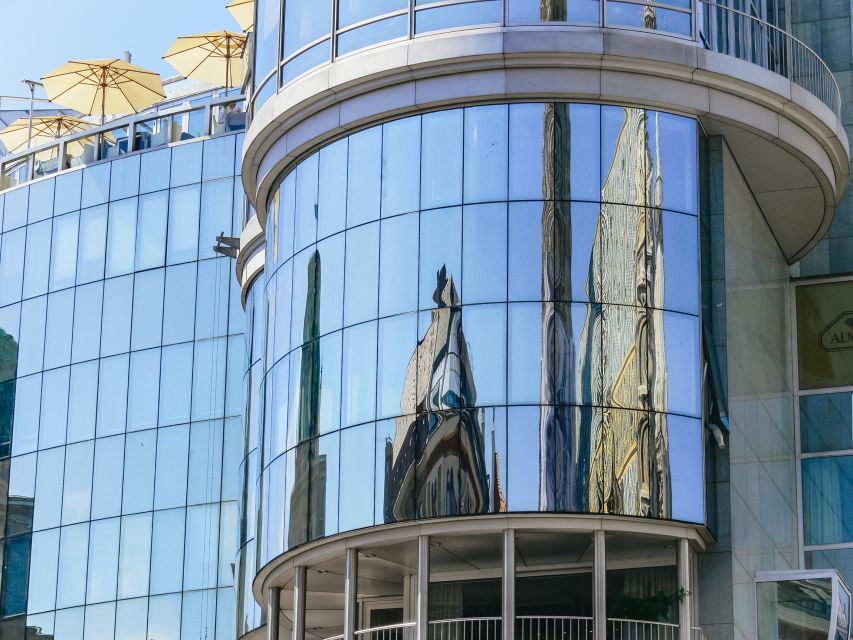
I would choose this tour if you are visiting Vienna for the first time, enjoy hearing history explained in plain language, and want to see the center before deciding which interiors deserve your time and money.
It also suits you if you have only a short stay. The route covers several essential landmarks in two hours and finishes near a place you can continue exploring independently.
Families and mixed-age groups may appreciate the humor and short format, though small children may tire if they are not interested in historical stories. History fans should enjoy the Habsburg focus, but anyone seeking a full account of modern Vienna may want another tour or museum visit afterward.
You may want a different experience if you need extended photography stops, a quiet private pace, or detailed access to the Hofburg and Spanish Riding School. In that case, book this only as an introduction and add separate visits.
Should you book it?
Yes, if you want a low-cost, story-led introduction to Vienna’s old center. The strongest reasons are the well-liked guides, the useful mix of major landmarks and Blutgasse lanes, and the way the tour helps you plan the rest of your visit.
Book with realistic expectations. You will see the Hofburg and Spanish Riding School from outside, learn about coffee houses, hear legends connected with St. Stephen’s Cathedral, and keep walking rather than stopping for long visits. Stay close to the guide, arrive at the exact meeting point, and choose a smaller or private option if hearing and personal attention are important.
FAQ
How long is the Vienna walking tour?
The tour lasts about two hours, with the stated duration ranging from 1.5 to 2 hours depending on the option and pace.
What language is the tour offered in?
The live guide speaks German or English. Check the language when selecting your booking option.
Where does the tour begin?
The tour starts near the Sacher Hotel, but the exact meeting point may vary by the option you book.
Does the tour enter the Hofburg?
No. The tour includes an exterior visit to the Hofburg complex. Entry to the Hofburg is not included.
Does the tour include a Spanish Riding School performance?
No. You see the Spanish Riding School from the outside and may see Lipizzaner horses being trained, but a performance or interior visit is not included.
Is coffee or cake included?
No. The tour explains Vienna’s traditional coffee houses and passes famous café areas, but food and drinks are not included.
Does the tour enter St. Stephen’s Cathedral?
The tour finishes with a view of St. Stephen’s Cathedral and explains its legends. Cathedral entry is not listed as included.
Is the tour wheelchair accessible?
Yes, the activity is listed as wheelchair accessible.
Is a private tour available?
Yes. A private group option is available, and hotel pickup and drop-off on foot can be included when the private option is selected.
Can I cancel the tour?
Yes. You can cancel up to 24 hours in advance for a full refund. You can also reserve now and pay later.
Recently added around Vienna
- Vienna: Private tour Mauthausen and Linz★ 4.1 · 3 reviews
- 2-Day Prague Tour from Vienna with private Transfers and Lunches★ 5.0 · 3 reviews
- Vienna Self Guided Sherlock Holmes Murder Mystery Game★ 4.5 · 3 reviews
- Vienna Private Schönbrunn Palace Tour, Extra Rooms and Gardens★ 5.0 · 3 reviews
- Salzburg and Lake Region Private Day Trip from Vienna★ 5.0 · 3 reviews
- Small-group Vienna Wine Tour★ 5.0 · 3 reviews
- True Crime mobile puzzle rally Vienna★ 4.0 · 3 reviews
- Vienna: Wachau Valley Private Kayak and Wine Tour★ 5.0 · 3 reviews
Walking Tours in Vienna, compared.
Guided Walking Tour of City Highlights & Hidden Gems
Read our review →
Vienna Historic Center Small Group Walking Tour
Read our review →
Ghosts and Legends Guided Nighttime Walking Tour
Read our review →
Browse the lists this tour appears in