
Reviewed · WALKING TOURS IN VIENNA
Wien: Tours with locals by public transport & walking
Vienna’s best lesson may come from its tram tracks and subway signs. This small-group tour shows you how locals move around the city while linking major sights with Otto Wagner’s elegant transport designs and Hundertwasser’s playful buildings. It is a practical way to get your bearings without spending the whole day inside a tour bus.
I like the hands-on public transport practice, especially if Vienna is your first stop in Austria. I also like the choice of focus, from the Ringstraße and Hofburg to Belvedere, Schönbrunn, or the route from Spittelau to Hundertwasserhaus. The main drawback is that the tour can feel fast and broad, and museum admission, transport tickets, food, and detailed historical explanations are not included.
Key points to know before booking
- You learn Vienna’s transport system by using it, with trams, buses, and the subway built into the experience.
- The route can be shaped around your interests, although the exact meeting point and stops depend on the option you book.
- Otto Wagner and Hundertwasser are the design stars, giving the tour a strong architectural theme.
- The advertised stops are ambitious, with Hundertwasserhaus, Hofburg, Belvedere, and Schönbrunn all listed as possible visits.
- Groups are limited to 10 people, with English and German tours available.
- The $56 price is strongest for first-time visitors who want transport coaching and sightseeing in one outing.
Why public transport is the real subject
Many Vienna tours use a coach or keep to a tight walking circuit. This one asks you to ride the city’s own network. That small difference matters. You learn where to find a tram stop, how the subway fits into the city, and how to move between central Vienna and its outer sights.
The guide explains how public transport developed and how Viennese residents use it day to day. You are not just looking at a map. You are practicing the system with someone beside you, then using the same skills to reach another sight.
That makes this especially useful early in your stay. One visitor who booked the tour at the start of a Vienna trip found it saved time later, since taking trams instead of walking everywhere made it easier to cover the city. I would make the same case for booking it on your first or second day, when transport signs and routes still feel unfamiliar.
The tour uses the subway, tram, and bus. Tickets for Wiener Linien are not included, so you need to budget for those separately. The guide can explain how the system works, but you still need a valid ticket for your own rides.
More Walking Tours in Vienna
- Vienna: Guided Walking Tour of City Center Highlights
★ 4.7 · 4,989 reviews - Vienna: Vienna Central Cemetery Guided Walking Tour
★ 4.8 · 3,307 reviews - Vienna: Guided Walking Tour of City Highlights & Hidden Gems
★ 4.9 · 2,180 reviews
Otto Wagner’s Vienna, built around movement
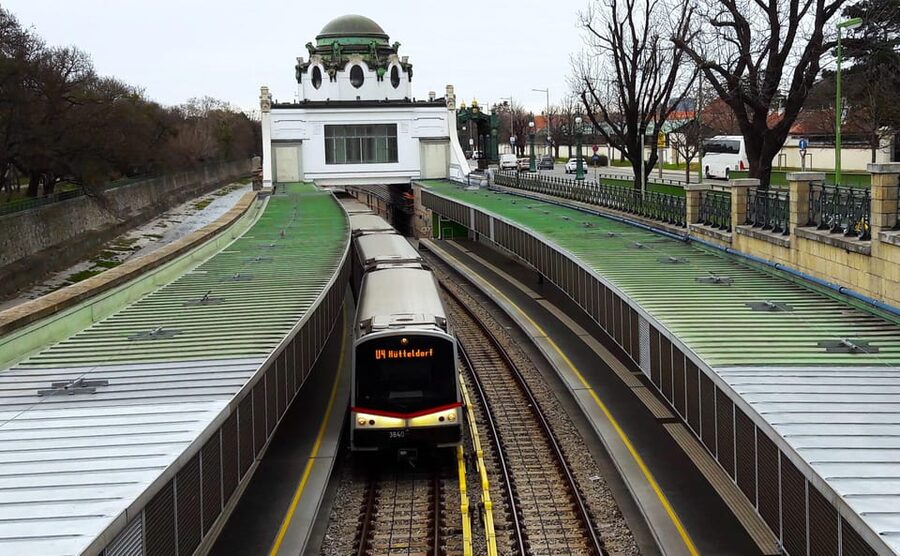
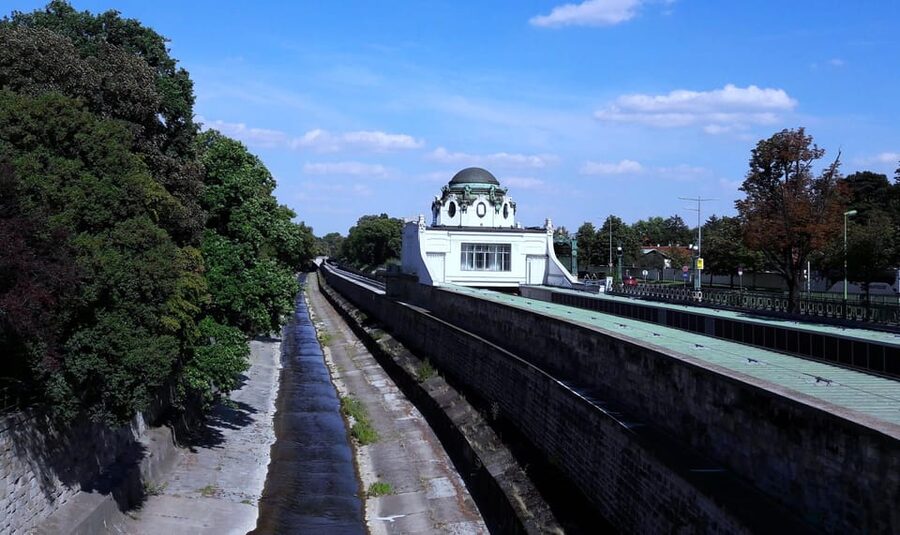
Otto Wagner gives this experience a clear thread. He was closely connected with the planning and design of Vienna’s early subway system, and his work helps explain why transport is more than a way to get from one palace to another.
The Otto Wagner Pavilions are available as a special focus, and the route can also reach the Otto Wagner Hof Pavilion behind Schönbrunn. These are useful stops if you care about architecture, urban planning, or the way a city presents its public buildings.
You should not book this expecting a full academic lecture. Detailed historical explanations are specifically not included. Instead, you get a guided introduction while moving through the city, with the guide pointing out buildings and explaining how they connect to Vienna’s development.
That format will suit you if you prefer seeing several places and asking practical questions. If you want long, detailed commentary at every monument, a dedicated architecture tour may be a better fit.
Hundertwasserhaus and the Spittelau connection
Hundertwasserhaus is one of the most memorable stops on the route. Its irregular lines, bright colors, planted features, and playful surfaces feel far removed from Vienna’s grand imperial buildings. The guided visit lasts about 45 minutes in the sample schedule, giving you time to see the exterior and understand why the building matters.
The tour can also follow Hundertwasser’s ideas from Spittelau to Hundertwasserhaus. Spittelau is associated with one of the city’s early ecological concepts, and the route lets you see another side of the artist’s work beyond the famous apartment building.
This is a strong choice if you want modern Vienna alongside the palaces. The contrast helps you read the city more clearly: imperial ceremony in one direction, experimental design and environmental thinking in another.
Keep your expectations practical. Hundertwasserhaus is a sightseeing stop, not a museum admission visit. Tickets for museums and other attractions you may wish to enter are not included. The activity is built around guided walks and views of places, with optional museum visits handled separately.
Hofburg and the central city
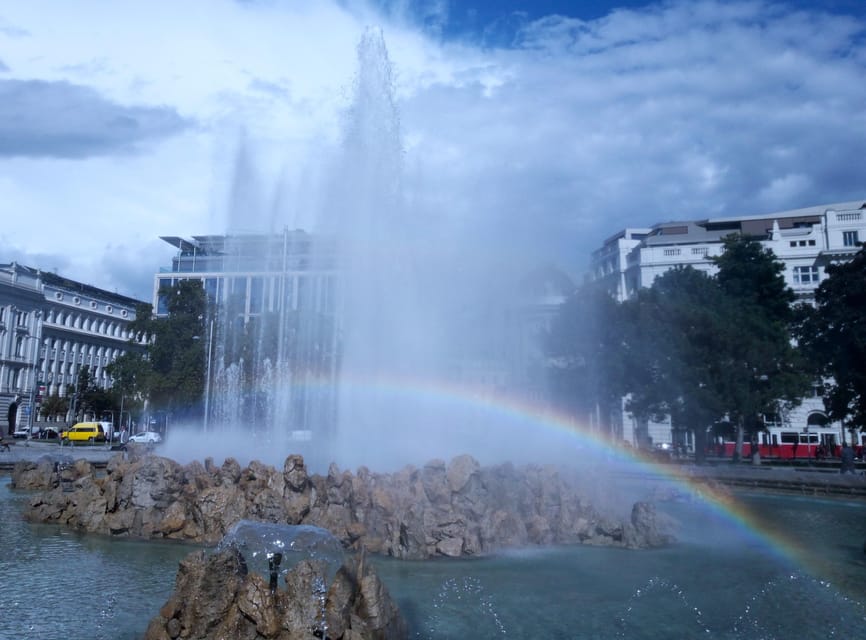
A central portion of the outing may include the Hofburg Palace, reached by public transport and followed by a guided walk. The sample schedule allows around 45 minutes here.
The Hofburg is an efficient place to connect Vienna’s royal past with the city you are walking through today. It also gives the guide a chance to point out lesser-known corners and buildings around the Ringstraße, rather than limiting the tour to one famous facade.
The Ringstraße itself can be the main subject of a separate route. You may get out to visit well-known buildings as well as places that are easy to miss when you rush around the boulevard. This is one of the tour’s more useful features because the Ringstraße is best understood as a collection of stops, not a single sight.
The central route is also the most convenient option if you have limited time. A two-hour booking may work better for a focused Ringstraße and Hofburg outing, while a longer option gives you room to reach another district.
A different way to spend an afternoon here:
- Vienna: Vivaldi’s Four Seasons Concert in Karlskirche
★ 4.7 · 14,951 reviews - Vienna: Spanish Riding School Training
★ 3.9 · 9,281 reviews - Vienna: Skip-the-cashier-desk-line Giant Ferris Wheel Ride
★ 4.5 · 7,859 reviews - Vienna: Schönbrunn Palace & Gardens Skip-the-Line Tour
★ 4.7 · 7,739 reviews
Belvedere gardens and Schönbrunn walks
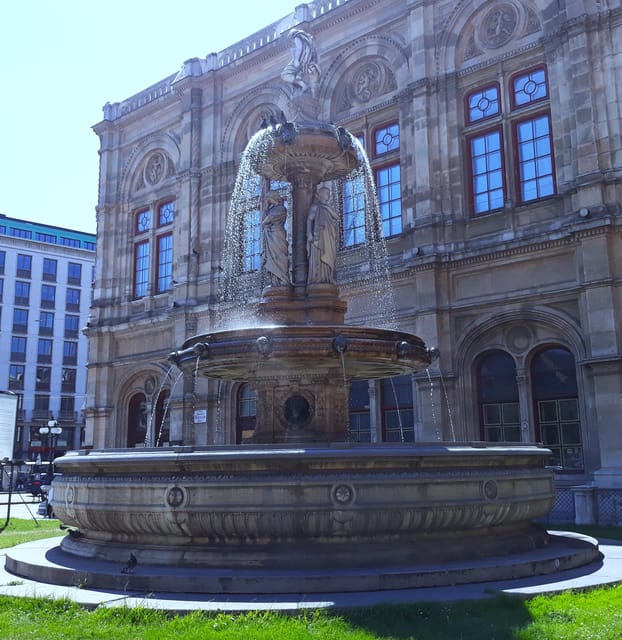
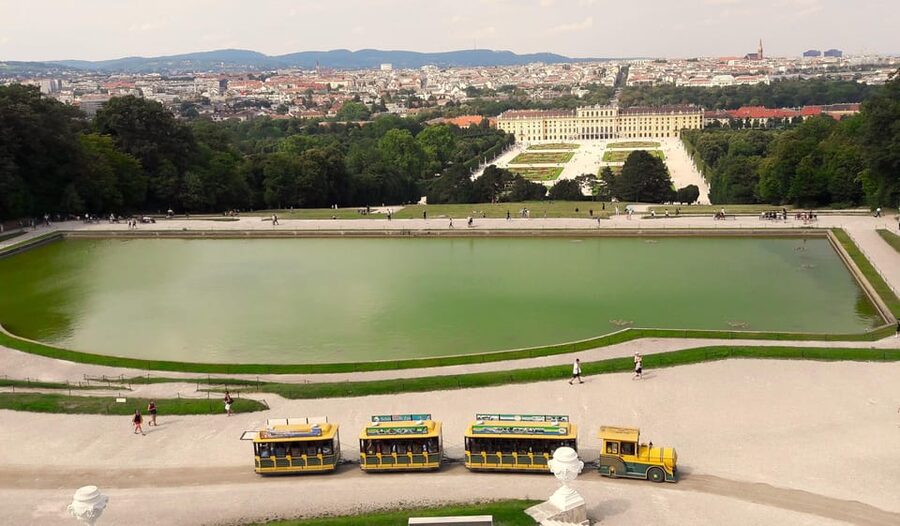
Belvedere Palace can be reached by tram, followed by a guided walk through the gardens. The sample schedule gives this stop about an hour, though the actual duration depends on the option and route you select.
The gardens offer a change of pace from streets and stations. You can see the palace setting, walk through the grounds, and keep the visit focused on the outdoor spaces unless you choose to buy museum tickets separately. Admission to the Upper and Lower Belvedere museums is not included.
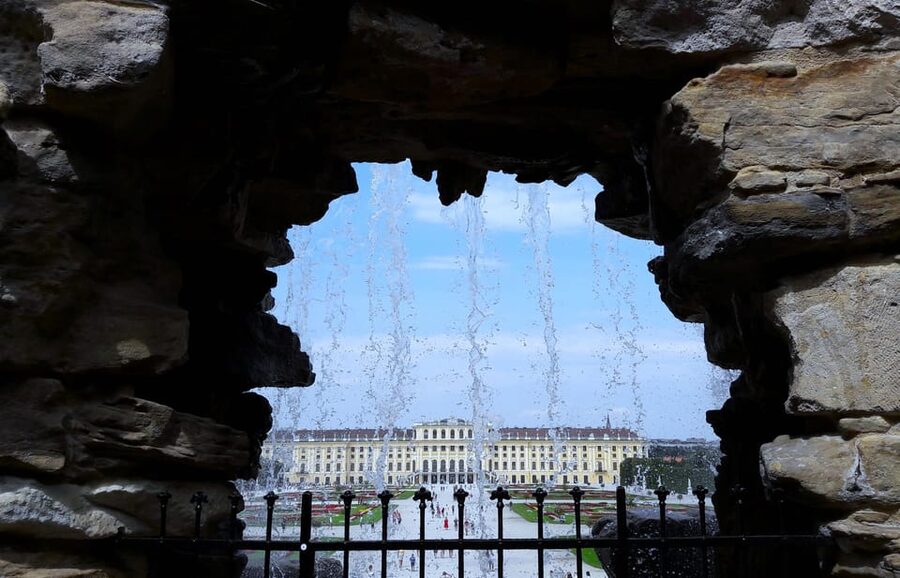
Schönbrunn is another possible focus. The plan may include a subway ride, a guided visit around the palace area, and a garden walk lasting about an hour. The palace and gardens take time, so this option is better for a longer booking rather than a rushed two-hour session.
You should clarify the exact combination before booking. The promotional route lists Hundertwasserhaus, Hofburg, Belvedere, and Schönbrunn, but a two to four hour tour cannot give every place the same attention. The experience is flexible by design, so you and the guide decide which route and sights make sense.
What the timing really means
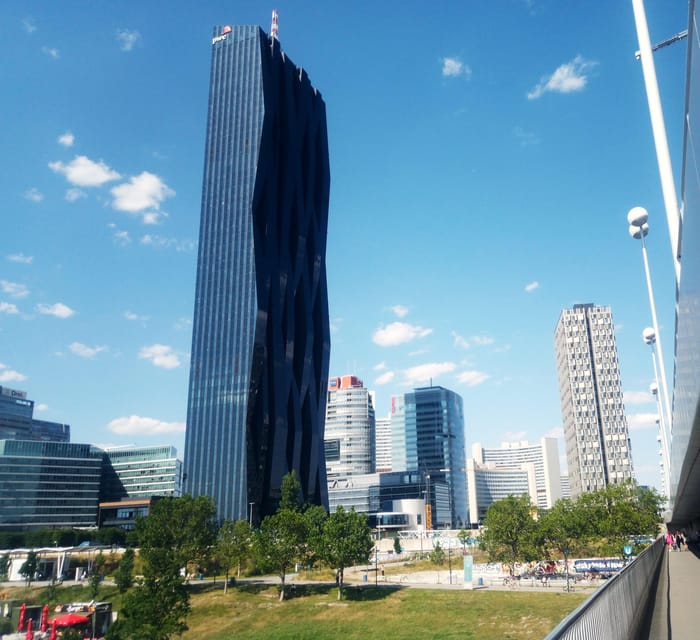
The advertised duration is two to four hours. That is a wide range, and it reflects the custom nature of the experience.
A short version could focus on the central city, transport basics, and one major theme such as the Ringstraße or Hundertwasser. A longer version could connect several districts, though travel time between them will naturally reduce the time spent at each sight.
The sample schedule includes:
- A 15-minute orientation and safety briefing
- A 15-minute tram ride to Hundertwasserhaus
- About 45 minutes at Hundertwasserhaus
- A 25-minute public transport connection
- About 45 minutes around Hofburg
- A 20-minute tram ride
- About an hour at Belvedere
- A 20-minute subway ride
- About an hour at Schönbrunn
- A final public transport journey of around 30 minutes
Read that schedule as a menu of possible segments, not a promise that every stop will be completed in one short tour. If all four major sights are important to you, ask which version includes them and how long you will have at each one.
The group is limited to 10 people, which should make station changes and questions easier than on a large coach excursion. Headsets are provided, a useful touch when the group is walking beside busy streets or riding public transport.
The guide’s role and the pace
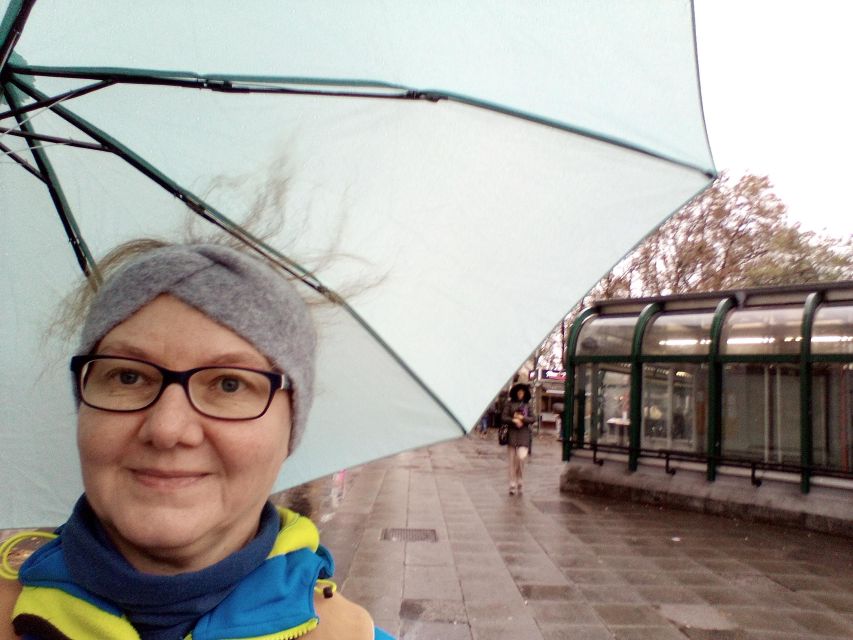
The guide from Guide from Vienna, RAXI Tours, is there to combine orientation with sightseeing. You will receive explanations in English or German, and the activity usually works best when you treat it as an interactive city introduction rather than a formal museum tour.
One German-language booking described the outing as quick but praised the explanation of Vienna’s transport system. That is a fair warning. The pace can be brisk because the experience tries to cover both the network and several major sights.
Another booking praised a patient and well-prepared guide, while a separate German-language booking described the tour as warm, informative, and full of sights. Those details point to the best use of the experience: ask questions, tell the guide what matters most, and avoid trying to collect every possible stop.
Language planning deserves attention. English and German are offered, but in rare cases the tour may be conducted in two languages if the booking is made at short notice or other participants are already booked. You can email [email protected] to ask about the language mix, since the booked languages may not be shown clearly during booking.
Is $56 a fair price?
At $56 per person, the value depends on what you want from the outing. You are paying for a small-group guide, headsets, route planning, and practical coaching on Vienna’s public transport. You are not paying for museum entry, transport tickets, meals, hotel transfers, or a long set of historical lectures.
For a first visit, that combination can be worthwhile. A taxi-heavy trip can become expensive, while a full day of walking between distant sights can waste time and energy. Learning the system early may help you reach the Belvedere, Schönbrunn, and other districts on your own later.
The price is less attractive if you already understand Vienna’s trams and subway or mainly want admission to palace interiors. In that case, you would be paying for guidance you may not need, while still buying the attraction tickets separately.
I would compare the cost with your schedule. If you have only one day and want a tightly scripted highlights tour, the flexible format may feel too loose. If you have several days and want to become comfortable moving around, the price buys a useful skill as well as sightseeing.
Who will enjoy this most
I would recommend this to first-time visitors who feel uncertain about public transport. It is also a good match for people who want imperial Vienna, modern architecture, and local routines in one outing.
Families and small groups may like the limited group size and the chance to set priorities with the guide. Comfortable shoes are essential because the tour combines station transfers, tram rides, outdoor sightseeing, and walks through palace grounds.
Architecture fans will get the most from an Otto Wagner or Hundertwasser focus. Garden lovers should ask about Belvedere or Schönbrunn. If you have a particular personal destination in Vienna, the guide can help you reach it by public transport, just as local residents do.
This is not the best choice for someone who wants a slow, detailed museum day. It is also not ideal if rain would spoil your plans, since the tour runs rain or shine. Bring suitable clothing and shoes, and remember that the route may include waiting, walking, and changes between transport types.
Booking advice and final verdict
Before you reserve, decide which sights matter most. Tell the guide if you want Hundertwasser’s buildings, Otto Wagner, the Ringstraße and Hofburg, Belvedere, Schönbrunn, or simply a practical lesson in getting around.
I would also check the meeting point carefully because it can change with the option you choose. The listed starting points include Parlament Österreich and Stubentor, with the ending possibly at Parliament, Belvedere, or elsewhere in Vienna. Hotel pickup and drop-off are not included.
The activity offers free cancellation up to 24 hours before the start, and you can reserve now and pay later. It runs with a live guide in English or German, but check the possible two-language format if language clarity matters to you.
Should you book it?
Book this tour if you want to learn Vienna while moving through it, not simply ride past the sights. The strongest reasons are the public transport coaching, small group, flexible route, and unusual mix of Otto Wagner, Hundertwasser, imperial buildings, and palace gardens.
Skip it if you want guaranteed, extended visits to every major attraction or detailed museum commentary. At $56, it is best viewed as a transport lesson and customizable city orientation with sightseeing attached. Book it early in your stay, choose two or three priorities, and you should get the most from the time.
FAQ
How long does the Vienna public transport tour last?
The tour lasts between two and four hours. Starting times depend on availability, and the final duration depends on the option and route you choose.
Which languages are available?
The live guide speaks English or German. In rare cases, the tour may be conducted in two languages if participants have booked different languages.
What public transport does the tour use?
The experience uses Vienna’s subway, trams, and buses. You practice the system while traveling between sightseeing stops.
Are public transport tickets included?
No. Tickets for Wiener Linien are not included, so you must arrange your own transport ticket.
Which sights can be included?
Possible sights include Hundertwasserhaus, Spittelau, the Ringstraße, Hofburg Palace, Belvedere Palace, Schönbrunn Palace, and Otto Wagner buildings. You and the guide decide which route and sights suit your booking.
Are museum tickets included?
No. Tickets for the Upper and Lower Belvedere museums and other museums are not included. You can order attraction tickets separately if you want to enter.
Where does the tour meet and finish?
The meeting point depends on the option booked. Listed starting points include Parlament Österreich and Stubentor, while possible drop-off points include Parlament Österreich, Belvedere Palace, and Vienna.
What should I bring?
Bring comfortable shoes. The tour takes place rain or shine and includes public transport, outdoor sightseeing, and walking.
Recently added around Vienna
- Vienna: Private tour Mauthausen and Linz★ 4.1 · 3 reviews
- 2-Day Prague Tour from Vienna with private Transfers and Lunches★ 5.0 · 3 reviews
- Vienna Self Guided Sherlock Holmes Murder Mystery Game★ 4.5 · 3 reviews
- Vienna Private Schönbrunn Palace Tour, Extra Rooms and Gardens★ 5.0 · 3 reviews
- Salzburg and Lake Region Private Day Trip from Vienna★ 5.0 · 3 reviews
- Small-group Vienna Wine Tour★ 5.0 · 3 reviews
- True Crime mobile puzzle rally Vienna★ 4.0 · 3 reviews
- Exploring the Gutenstein Alps★ 5.0 · 3 reviews
Walking Tours in Vienna, compared.

Guided Walking Tour of City Center Highlights
Read our review →
Guided Walking Tour of City Highlights & Hidden Gems
Read our review →
Vienna Historic Center Small Group Walking Tour
Read our review →


Ghosts and Legends Guided Nighttime Walking Tour
Read our review →

Browse the lists this tour appears in