
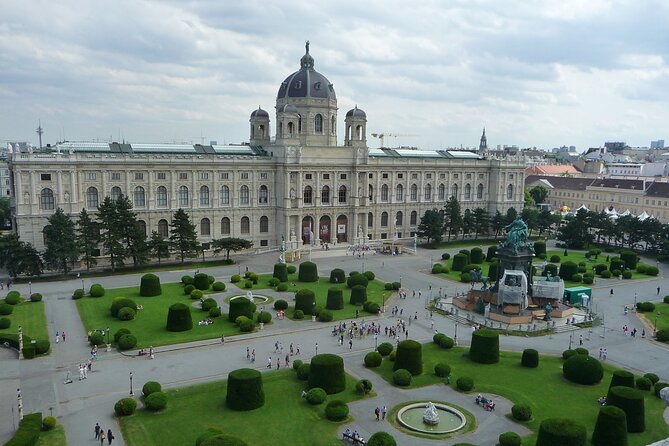
Reviewed · WALKING TOURS IN VIENNA
Exclusive Vienna Old Town Highlights Walking Tour (max. 6 persons)
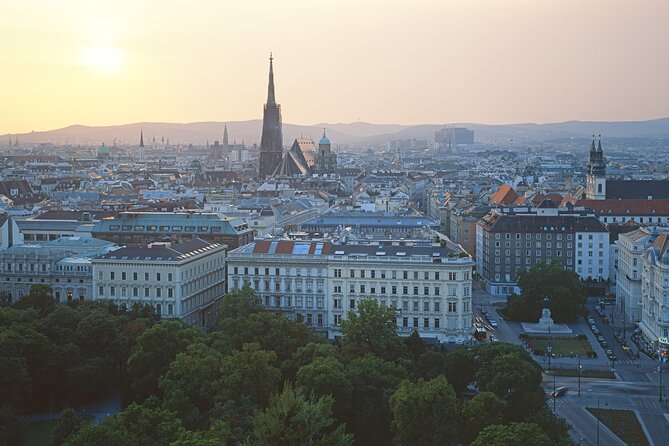
Vienna’s grand center is compact, but it is layered with imperial power, music, religion, food, and a few excellent side streets. This six-person maximum walking tour gives you a quick framework for the city, from the State Opera and St. Stephen’s Cathedral to the Hofburg and the older lanes around Ballgasse.
I like the small group, since you can ask questions without shouting across a crowd. I also like the mix of famous sights and less obvious corners, plus the practical advice some guides give on cafés, restaurants, and avoiding long lines. The main drawback is value: at $151.23 per person, this is a premium orientation walk, and admission to the interiors is not included.
Key points to know before booking
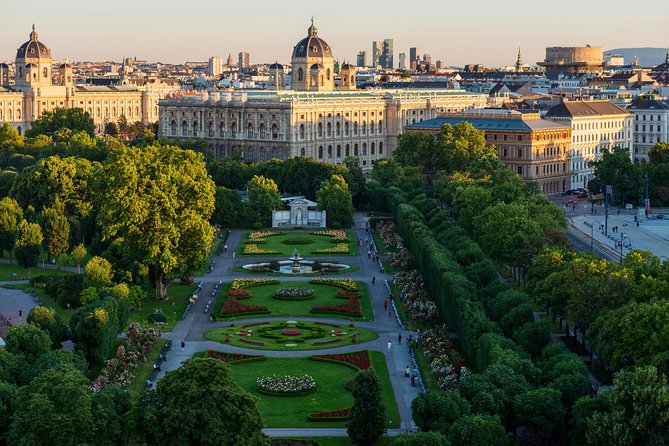
- Six people is the hard limit, so the guide can adjust the pace and answer questions directly.
- The route links Vienna’s essential sights: Albertinaplatz, the State Opera, Neuer Markt, Ballgasse, Stephansplatz, and the Hofburg.
- The State Opera and cathedral are viewed from outside during the standard route, with entrance fees not included.
- Guides vary by departure, with past guides including Michael, Lisa, Edi, Ana, Siri, Biljana, and Antonia.
- Two daily start times make it useful on arrival day or during a short stay.
- The walking is city-center sightseeing, and one family reported managing the route with a mobility scooter.
A useful first look at Vienna’s center
This is best understood as an introduction, not a full museum tour. In roughly two and a half hours, you get a guided walk through the heart of Vienna and the stories that connect its grand buildings.
That matters because Vienna can initially feel like a collection of polished façades. A guide helps explain why the opera house, imperial palace, cathedral, crypt, and narrow lanes sit so close together. You begin to see the city as the former center of Habsburg power, not just as a series of pretty buildings.
The group size is the experience’s strongest feature. Six people allows for real conversation. If you want to stop over a detail, ask about the Habsburg family, or get advice about coffeehouses and dinner, you have a much better chance of being heard than on a large coach walk.
The company uses several guides, so the personality of the tour can vary. Michael is described as a native Viennese guide with a good sense of humor and useful food and café advice. Edi is especially strong on Vienna’s place in Europe, the Habsburgs, the Austro-Hungarian Empire, and the role of balls and dancing in upper-class life. Lisa, Ana, Siri, Biljana, Antonia, Anastasia, Lillian, and others are also praised for clear storytelling, warmth, and flexibility.
More Walking Tours in Vienna
- Vienna: Guided Walking Tour of City Center Highlights
★ 4.7 · 4,989 reviews - Vienna: Vienna Central Cemetery Guided Walking Tour
★ 4.8 · 3,307 reviews - Vienna: Guided Walking Tour of City Highlights & Hidden Gems
★ 4.9 · 2,180 reviews
Meeting under the green umbrella at Albertinaplatz
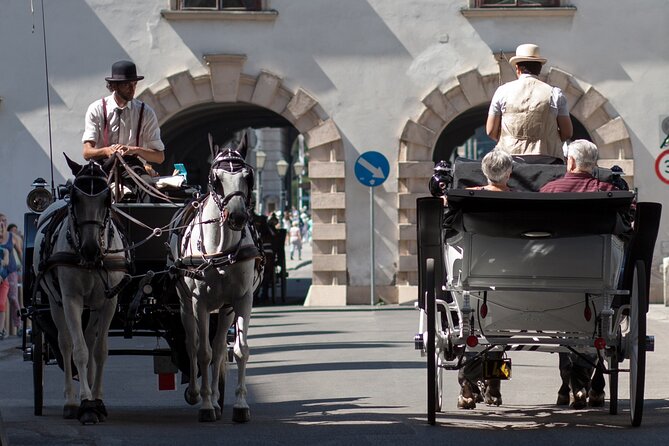
You meet at Albertinaplatz, in front of the Albertina area, with the guide identified by a green umbrella. That detail is worth remembering because a central Vienna square can be busy, and a clear visual marker saves time.
Albertinaplatz is a sensible starting point. It sits close to the State Opera, the Hofburg, Kärntner Straße, and several major museums, so the tour gets into the historic center quickly. The meeting point is near public transportation, but hotel pickup and drop-off are not included. Plan to reach the square on your own.
The route is offered in English and lasts about two hours and thirty minutes. The schedule has two daily starting times, which is handy if you are fitting the walk around a train arrival, a concert, or a museum visit.
Wear comfortable shoes. Vienna’s center is easy to explore on foot, but the tour remains outdoors for much of its length. Winter can be cold and rainy, so bring a coat and an umbrella. One useful bit of advice from the tour experience is to avoid bringing heavy baggage. You want both hands free and a light load while moving through busy central streets.
The Vienna State Opera and the city’s musical identity
The first major stop is the Wiener Staatsoper, or Vienna State Opera. It opened in 1869 with Mozart’s Don Giovanni and remains one of the world’s major opera houses.
The guide’s role here is to give the building context rather than take you inside. Admission is not included, and the standard stop is brief, about ten minutes. That is enough to understand the opera house’s place in Vienna’s public life, but not enough for a full architectural visit or performance.
I like beginning here because music is central to Vienna’s image, yet the building also introduces the city’s imperial scale. The opera house is not an isolated attraction. It belongs to the ceremonial center built and shaped under the Habsburgs.
If you want to attend a concert or opera during your stay, use this stop to ask practical questions. Keep in mind that any separate concert tickets or booking help may involve an additional charge. One past participant was surprised by a fee connected with concert tickets at the Kursalon Music Hall, so clarify costs before agreeing to any extra arrangement.
Neuer Markt and the Imperial Crypt
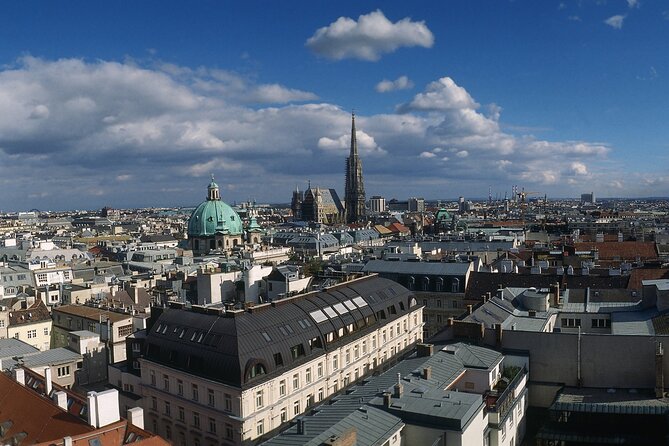
The walk continues toward Neuer Markt, where you pass the Imperial Crypt. The crypt is the burial place of the Habsburg emperors and other members of the dynasty. It offers a sharp change of mood from the opera house and grand public squares.
The value here is the connection between architecture and people. Vienna’s imperial story can seem abstract when told only through palaces and dates. The crypt brings it down to a dynasty, its rulers, family members, and the long ritual life of the court.
The tour does not include admission to the crypt, so treat this as an exterior orientation unless your guide explains otherwise. If you want to see the interior, you will need to arrange and pay for that separately.
The stop is short, but a good guide can make it count. Ask about succession, court ceremony, or how the Habsburg family shaped Vienna. Guides such as Edi have been especially praised for explaining the dynasty’s role in European politics without turning the walk into a hard-to-follow lecture.
A different way to spend an afternoon here:
- Vienna: Vivaldi’s Four Seasons Concert in Karlskirche
★ 4.7 · 14,951 reviews - Vienna: Spanish Riding School Training
★ 3.9 · 9,281 reviews - Vienna: Skip-the-cashier-desk-line Giant Ferris Wheel Ride
★ 4.5 · 7,859 reviews - Vienna: Schönbrunn Palace & Gardens Skip-the-Line Tour
★ 4.7 · 7,739 reviews
Ballgasse, where older Vienna feels closer
Ballgasse is one of the more appealing parts of the route because it trades grand imperial scale for a smaller, older street setting. It is described as one of the oldest parts of the city, where food and local life meet history.
This is the kind of place you might pass without understanding its importance if you were walking alone. The lane gives the guide room to point out how Vienna’s center changes from formal avenues to intimate streets. It also helps break up the sequence of monumental buildings.
The stop is free and lasts about ten minutes. You will not get a long food tour, but this is a good moment to ask for restaurant and café suggestions. Michael, in particular, has been praised for offering advice on places to eat and where to avoid long lines.
I like this portion because it makes the city feel more human. The Habsburg story is necessary, but Vienna is not only palaces and rulers. Its older lanes, dining spots, and everyday streets show how the historic center still functions as a city.
Stephansplatz and St. Stephen’s Cathedral
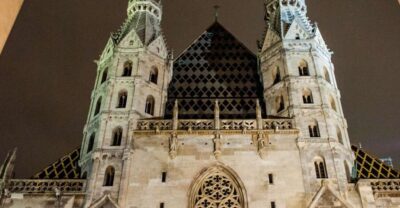
Stephansplatz brings you to Vienna’s most recognizable church, St. Stephen’s Cathedral. Its patterned roof and tall Gothic form dominate the square, and the cathedral is one of the central landmarks of the city.
The guide will help you read the building and its place in Vienna. The visit is listed as a ten-minute stop, and admission is not included. That means the standard experience is primarily an outside explanation rather than a full cathedral visit.
This is an important distinction when judging the price. If you want interior details, chapels, towers, or a longer look at the cathedral, plan a separate visit. The walking tour gives you the orientation so you know what you are seeing and why it matters, but it does not replace a dedicated church visit.
Stephansplatz is also a useful place to get your bearings. From here, you can understand how the central streets connect and return later on your own. Several past participants found the tour useful as a first-day activity for exactly this reason. It gives you a mental map before you set off to explore independently.
The Hofburg and the Habsburg court
The final major sightseeing stop is the Hofburg, the former imperial palace complex. Here, the focus turns to the Habsburg family, the empire, and the personal stories behind Vienna’s political center.
The Hofburg is too large to cover properly in ten minutes, so expect an outside introduction rather than a palace tour. The guide can explain the complex’s role and share family anecdotes, court customs, and the habits of the imperial household.
This is where the quality of the guide matters most. A list of rulers can make Vienna’s past feel dry. The best guides turn it into a story about people, power, social rules, and the choices that shaped the city. Edi has been singled out for explaining how balls and dancing influenced the design and social life of central Vienna. Antonia and Anastasia have also been praised for making history lively and easy to follow.
The tour ends at the Vienna State Opera, on Opernring 2, in front of the opera house next to the tram station. That is convenient if you want to continue sightseeing, find a café, use public transportation, or return toward the Albertina and central shopping streets.
What the $151.23 price really buys you
At $151.23 per person, this tour is expensive for a two-and-a-half-hour walk. You are paying for the small group, the guide’s time, and the chance to shape the conversation, not for entry to major attractions or a meal.
For two people, the listed price comes to about $302.46 before any optional extras. That can feel high if you expect a private palace or museum visit. One disappointed participant felt the walk offered too little beyond exterior explanations. That criticism is fair if your main goal is to enter buildings.
The price makes more sense for people who value personal attention. A group of three or four may effectively have a private-feeling experience, especially if the departure does not fill. One solo booking even became a private tour after a scheduling problem, although you should not assume that outcome.
I would compare this with the cost of a standard large-group city walk. The premium is justified only if six people or fewer, flexible conversation, and guide quality matter to you. It is not justified by included admissions, because there are none listed.
Before booking, decide what kind of help you want. If you need a fast, well-explained overview and local suggestions for the rest of your stay, the price may work. If you want interiors, formal museum interpretation, or a long visit at each sight, spend the money elsewhere or add separate admissions.
The guides make the difference
The company assigns different English-speaking guides, and the names associated with strong experiences include Michael, Lisa, Edi, Ana, Siri, Biljana, Antonia, Anastasia, Lillian, Dexter, and Mona Lisa.
Their strengths vary. Michael is a good match if you want a native Viennese perspective, humor, and practical food advice. Edi suits you if European politics, the Habsburgs, and the end of the Austro-Hungarian Empire interest you.
Lisa and Ana are described as attentive and clear, while Siri has been praised for adapting a private tour to the subjects that mattered most to the group. Biljana is known for asking questions and using simple explanations, and Antonia received especially strong praise for her command of history.
Since you cannot generally choose your guide in advance from the information provided, book this for the small-group format and subject matter rather than for a particular person. If a specific guide is important to you, you can ask the operator, but there is no guarantee stated here.
The best use of the guide is to ask questions. Come prepared with a few: How did the Habsburg court work? Why is music so important here? Which palace interiors are worth paying for? Where should I have coffee? The small group gives you a better chance to get useful answers.
Who will get the most from this walk
I would choose this for a first visit, a short stay, or the first day of a longer trip. It gives you the central sights quickly and helps you decide which ones deserve a return visit.
It also suits solo visitors, couples, families, and small groups who dislike crowded tours. The group cap is particularly useful if you want to ask questions or need a slower, more attentive explanation.
The route appears manageable for most people, and one family reported that a parent using a mobility scooter got around the city streets and sidewalks without trouble. Still, this is a walking tour, so contact the operator if you have specific mobility needs. Service animals are allowed.
I would be cautious if you are looking for a deep museum experience, a fully private tour with guaranteed customization, or included entrance tickets. The route gives you outside views and historical context. It does not provide a full interior tour of the State Opera, Imperial Crypt, St. Stephen’s Cathedral, or Hofburg.
Practical details that affect your day
You receive confirmation when you book, and the experience is provided in English with a mobile ticket. It starts at Albertinaplatz and ends at the State Opera, so you do not return to your hotel.
The tour is near public transportation, and the ending beside a tram station is useful for continuing your day. Allow time to find the green umbrella at the start, especially if you are arriving from another part of Vienna.
Free cancellation is available up to 24 hours before the start time. Changes or cancellations inside that window are not accepted for a refund. The tour also requires a minimum number of participants, and if the company cancels for that reason, you are offered another date or experience, or a full refund.
The tour is booked an average of 53 days ahead, which suggests that popular dates can fill early. If your Vienna schedule is fixed, reserving ahead is sensible.
Should you book the Exclusive Vienna Old Town Highlights Walking Tour?
Book it if you want a small, conversational introduction to central Vienna and you are willing to pay for guide attention. It is especially useful when you have only a day or two, or when you want advice that helps shape the rest of your visit.
Skip it if $151.23 feels too high for an outdoor walk. You can see the main buildings from public streets, and the tour does not include meals or admission tickets. In that case, choose a less expensive group walk and put the savings toward the Hofburg, cathedral, or Imperial Crypt.
For the best value, take it near the start of your stay, wear weather-ready shoes, carry little, and use the guide’s time for questions. That is when this tour earns its premium: not by showing you every room, but by helping Vienna’s center make sense.
FAQ
How long does the walking tour last?
The tour lasts approximately two hours and thirty minutes.
How many people can join the tour?
The maximum group size is six participants.
Where does the tour begin?
The meeting point is Albertinaplatz in Vienna’s first district. Look for the guide with the green umbrella.
Where does the tour end?
The tour ends in front of the Vienna State Opera at Opernring 2, next to the tram station.
Are entrance tickets included?
No. Admission tickets for attractions such as the State Opera, Imperial Crypt, St. Stephen’s Cathedral, and the Hofburg are not included.
Is hotel pickup included?
No. Hotel pickup and drop-off are not included.
Recently added around Vienna
- Vienna: Private tour Mauthausen and Linz★ 4.1 · 3 reviews
- 2-Day Prague Tour from Vienna with private Transfers and Lunches★ 5.0 · 3 reviews
- Vienna Self Guided Sherlock Holmes Murder Mystery Game★ 4.5 · 3 reviews
- Vienna Private Schönbrunn Palace Tour, Extra Rooms and Gardens★ 5.0 · 3 reviews
- Salzburg and Lake Region Private Day Trip from Vienna★ 5.0 · 3 reviews
- Small-group Vienna Wine Tour★ 5.0 · 3 reviews
- True Crime mobile puzzle rally Vienna★ 4.0 · 3 reviews
- Vienna: Wachau Valley Private Kayak and Wine Tour★ 5.0 · 3 reviews
Walking Tours in Vienna, compared.
Guided Walking Tour of City Center Highlights
Read our review →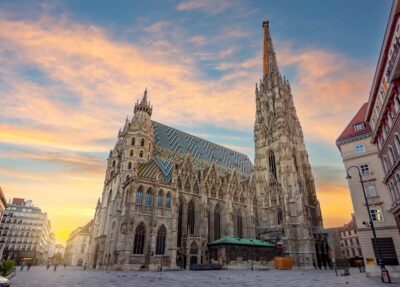
Guided Walking Tour of City Highlights & Hidden Gems
Read our review →
Vienna Historic Center Small Group Walking Tour
Read our review →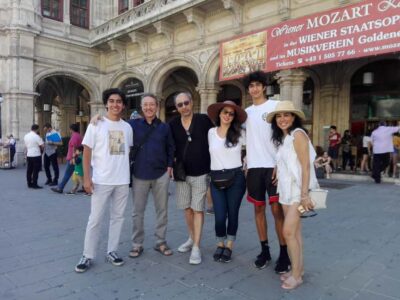
Ghosts and Legends Guided Nighttime Walking Tour
Read our review →
Browse the lists this tour appears in