
Reviewed · VIENNA TOURS
Chocolate workshop in Chocolate Museum Vienna “BO-YO”
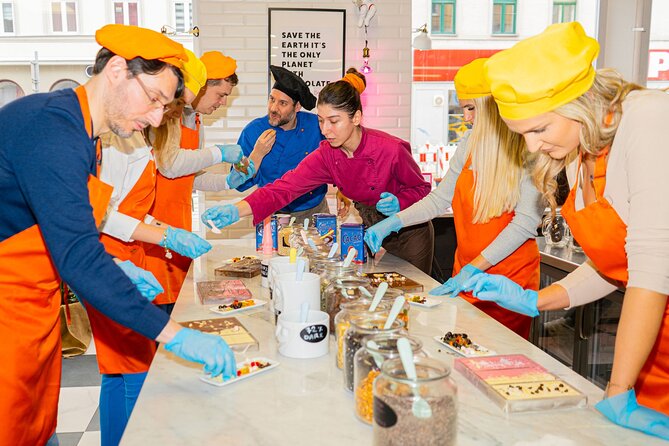
The best part of BO-YO’s workshop is that you make three chocolate bars and a cup of Xocolatl, the old Aztec and Mayan-style hot chocolate flavored with chili, vanilla, and cinnamon. You do not need cooking experience, and the staff guide you through the process from the first explanation to the final toppings. I like the hands-on format and the chance to choose how your bars look. I also like that the activity works well for families, birthdays, and a rainy afternoon in Vienna.
Keep your expectations in check. This is not a bean-to-bar class. The chocolate is already melted, so you are mainly filling molds, decorating, and learning the basics rather than processing cocoa beans or making chocolate from raw ingredients. The museum itself is small, too, and the workshop can feel crowded when the group reaches its maximum of 30 people.
Key points to know before booking
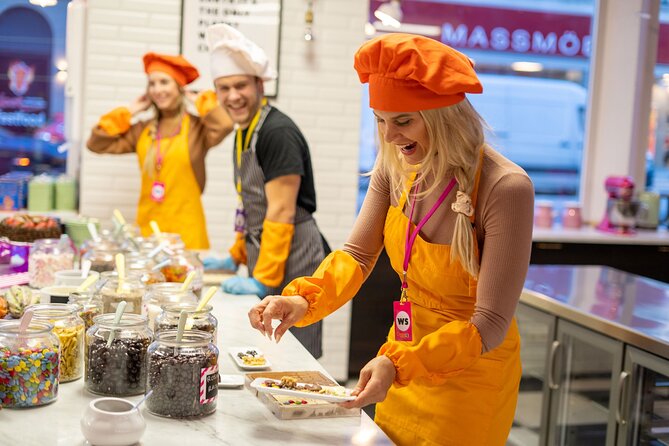
- Three handmade chocolate bars: Fill molds with prepared melted chocolate and decorate them with the available toppings.
- Xocolatl is part of the class: Prepare a hot or cold Aztec-style cocoa drink with chili, vanilla, and cinnamon.
- Good for children: Children from roughly ages 3 to 5 can attend, and anyone under 10 needs an adult with a ticket.
- A small museum visit is included: Expect a few chocolate displays and information panels, not a major Vienna museum.
- The class lasts about 1 hour 15 minutes: Some sessions run closer to 1.5 hours, so allow a little extra time.
- Free cancellation is available: Cancel at least 24 hours before the start for a full refund.
Filling molds at BO-YO in Vienna
The workshop takes place at Schönbrunner Str. 99 in Vienna’s 1050 district. The venue is near public transportation, and the activity begins and ends at the same location. The building has been described as pink and located on a corner, but street numbering in the area can be confusing, so I would give yourself time to find the entrance.
Once inside, you receive the cookware, ingredients, recipes, and equipment needed for the session. The staff begin with a short introduction to chocolate and its past, then explain the basic theory behind making good chocolate. The lesson is aimed at beginners, so you are not expected to know the difference between tempering and melting before you arrive.
The central practical step is tempering. In simple terms, this is the process of working with chocolate at controlled temperatures so it sets with a smooth texture and a pleasant finish. The instructor handles much of the technical work, but you get a useful introduction to why temperature matters.
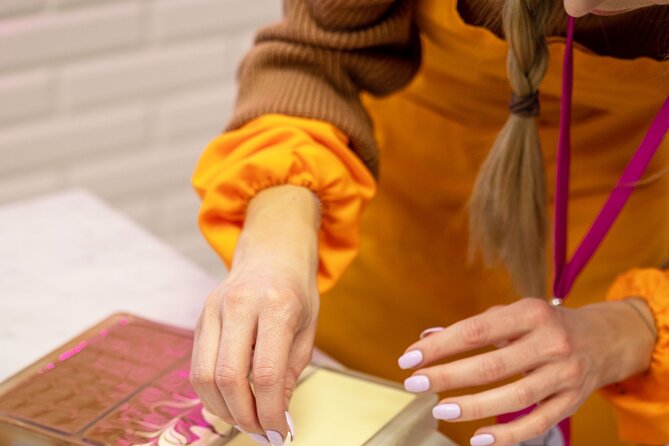
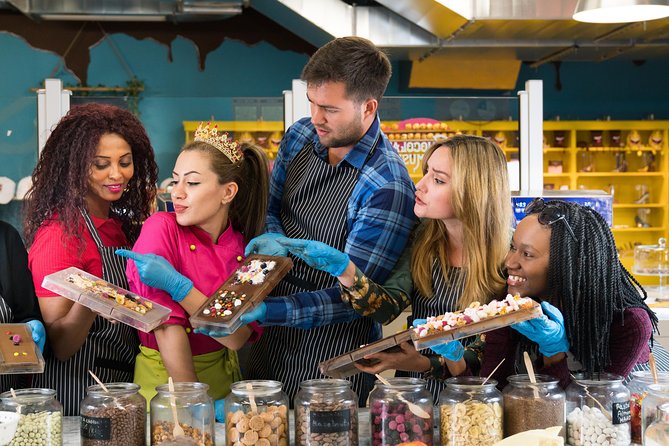
The hands-on portion is more straightforward than the word chocolatier might suggest. You fill chocolate molds, then add toppings and decorations to create three bars. Depending on the session, the chocolate choices may include milk chocolate, white chocolate, pink-colored white chocolate, 70 percent dark chocolate, or very dark chocolate.
The topping selection appears to be more appealing to children than to serious chocolate fans. Marshmallows are available, and you may find a few other simple decorations, but the range can feel limited if you hoped to combine sea salt, spices, freeze-dried fruit, or unusual flavorings. If creative flavor design is your main reason for booking, this is worth knowing before you pay.
Still, the activity has an easy rhythm. You do not spend the entire class listening to a lecture. You make something with your hands, stop to hear an explanation, then return to decorating. That balance is a good fit for children and for adults who want an activity rather than another historic building.
A few more Vienna half-days to weigh up
- Vienna: Chocolate Workshop in Chocolate Museum w/ Tasting
★ 4.5 · 1,802 reviews - Vienna Coffee, Cake & Pastries Tour with Local Stories
★ 5.0 · 470 reviews - Vienna: 2.5-Hour Viennese Coffee, Cake, and Chocolate Tour
★ 4.6 · 44 reviews
Making Xocolatl with chili and cinnamon
The second food activity is Xocolatl, an ancient hot chocolate recipe linked to Aztec and Mayan traditions. It is served hot or cold and uses chili, vanilla, and cinnamon for a more spiced flavor than the usual European cocoa.
I like this part because it gives the class a little more character than simply pouring chocolate into molds. You get to learn how chocolate can be paired with heat and spice, and the drink offers a clear contrast to the sweet bars you make.
The quality and preparation can vary by session. Some visitors have found the drink tasty and warming, while others felt it relied too heavily on powdered milk, cocoa, sugar, and chili. The safest expectation is a simple demonstration drink, not a refined tasting menu or a pastry-chef lesson.
You may have some control over the final flavor, but the supplied information does not promise a wide range of mix-ins or a fully custom recipe. If you are especially interested in recreating the drink at home, pay close attention during the demonstration and ask about proportions. A recipe sheet or home instructions are not guaranteed.
What the museum adds to the visit
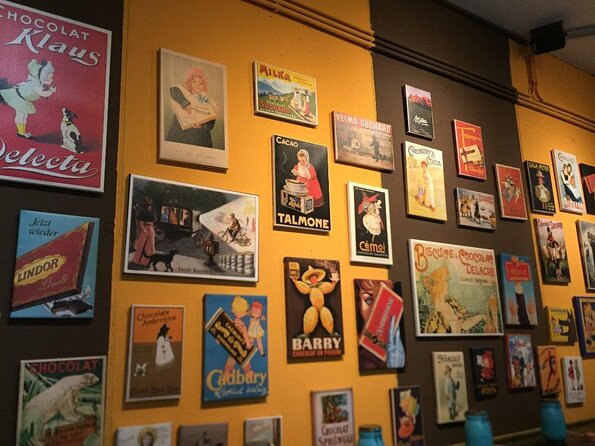
Admission to the Chocolate Museum is included in the workshop price. The museum portion is small, with a few displays and chocolate-related information in the basement or adjoining areas. It can fill a few minutes before or after the class, and it gives children a place to look around while the chocolate sets.
Do not book this for a major museum experience. The venue is closer to a chocolate shop with a demonstration kitchen and a compact exhibit area than to a large cultural institution. The displays may be fun and informative, but they are not likely to occupy an entire afternoon.
That smaller scale has one benefit: you can combine the museum visit and workshop without feeling worn out. The whole stop fits neatly into a morning or afternoon in Vienna. It can also provide a welcome break from sightseeing, especially for families who need an activity with a clear beginning, middle, and end.
The setting has received mixed reactions. Some people find it cheerful and suitable for children. Others have found parts of the museum underwhelming or poorly maintained. I would treat the exhibit as an included extra, not as the reason to pay for the class.
The staff make the biggest difference
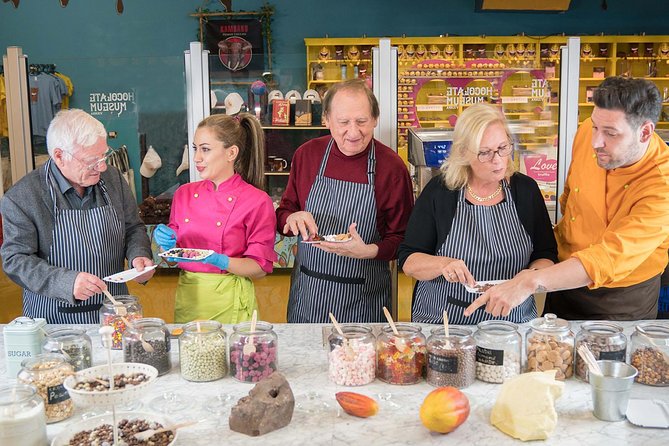
The workshop depends heavily on the instructor. When the guide is friendly, patient, and lively, the session becomes an easy, pleasant hour. Children can follow the instructions, and adults get enough explanation to understand what they are doing.
Several sessions have been described as well organized, with staff who help from start to finish. One instructor was singled out for being entertaining and flexible, while another was praised for clear directions and a welcoming manner. The class is offered in English, so you can expect the main instruction to be delivered in that language.
The group size can reach 30 people. That is manageable if the room is arranged well, but it can make the workstations feel tight. One important criticism is that the workshop area may feel too small for a full group. If you prefer quiet instruction and plenty of personal space, the busiest sessions may disappoint.
There is also a practical lesson here: arrive on time. One late arrival resulted in the family being refused entry with only part of the class remaining. The staff may not be able to restart the workshop once the chocolate work is underway, and the stated cancellation policy does not provide a refund for a missed or late-arrival session.
A different way to spend an afternoon here:
- Vienna: Vivaldi’s Four Seasons Concert in Karlskirche
★ 4.7 · 14,951 reviews - Vienna: Spanish Riding School Training
★ 3.9 · 9,281 reviews - Vienna: Skip-the-cashier-desk-line Giant Ferris Wheel Ride
★ 4.5 · 7,859 reviews - Vienna: Schönbrunn Palace & Gardens Skip-the-Line Tour
★ 4.7 · 7,739 reviews
How much chocolate do you really make?
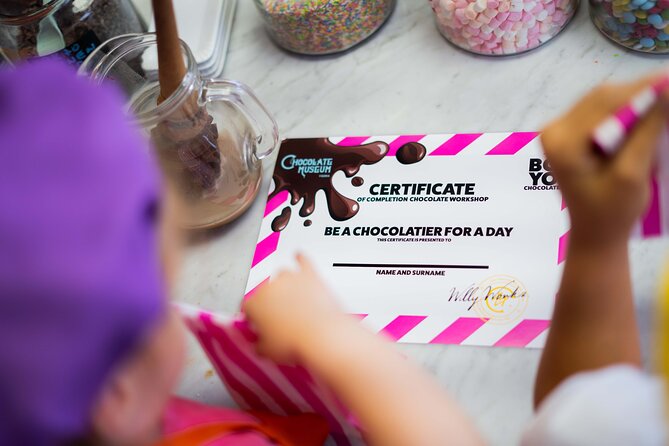
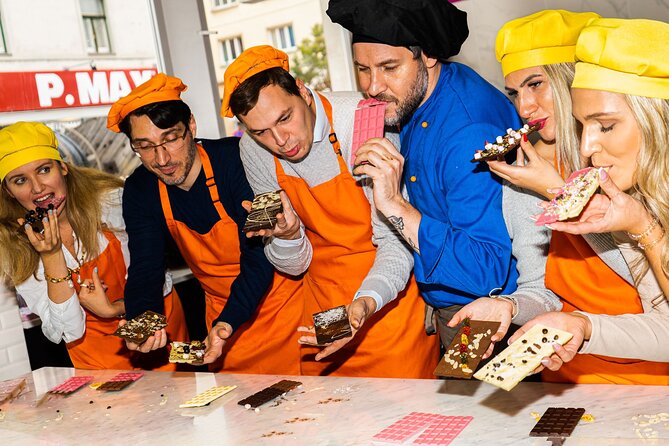
You take home three decorated chocolate bars. That is a generous part of the activity for children, and it gives you a tangible souvenir instead of only a memory and a museum ticket.
The final bars are not presented as professional confectionery. They may be placed in a basic paper bag rather than a sealed wrapper, so you should handle them with care. If you are carrying them around Vienna or taking them on a long trip, heat and pressure could affect their appearance.
The class teaches a foundation, not a complete trade. You learn about chocolate, tempering, molds, decoration, and flavor. You do not make chocolate from cocoa beans, roast or grind the beans, or control every stage of production.
That distinction matters at the current price of about $56.72 per person. The cost covers the workshop, ingredients, three bars, the Xocolatl activity, instruction, and museum admission. For a family looking for a structured activity, that package may feel fair. For an adult who already makes chocolate at home, the content may seem basic for the price.
I would also check the venue’s direct price before booking through a third-party seller. A direct booking may sometimes cost less. The experience provider is Chocolate Experience GmbH, and the activity is often reserved around 30 days ahead, so popular dates may require planning.
Who will enjoy this most?
This is best for families with children, first-time chocolate makers, and anyone looking for a light activity away from Vienna’s major sights. The format is simple enough for beginners, and the finished bars give children a clear reward for paying attention.
It can also work well for a birthday or another small celebration. The decorating stage gives everyone at the table something to do, and the class does not require previous cooking skill. Groups of friends can enjoy it for the same reason: you are working side by side rather than sitting through a formal demonstration.
Children from about ages 3 to 5 can attend, according to the supplied age guidance. Children under 10 must be accompanied by an adult who also buys a ticket. Babies are not barred, but if a baby becomes upset, you are asked to step outside until the child calms down.
Adults seeking serious culinary instruction should choose carefully. The class will introduce chocolate basics, but it is not designed as professional training. The prepared chocolate and limited toppings keep the activity accessible, yet they also limit how much technique you actually practice.
Timing, transport, and small practical details
Plan for about 1 hour 15 minutes, though some sessions take closer to 1.5 hours. That extra time may include the museum, explanations, decorating, and waiting for the bars to set.
The mobile ticket is useful, and confirmation is provided at booking. The meeting point is near public transportation, but the confusing street numbers make it sensible to arrive early. I would aim to be at Schönbrunner Str. 99 at least 15 minutes before the start.
Food and drinks from outside the museum are not allowed. You receive the necessary ingredients during the activity, so there is no need to bring supplies. Wear clothes that you do not mind wearing around chocolate, especially if you are visiting with young children.
The class has a maximum of 30 participants. That limit does not guarantee a small group, so consider the group size when deciding if the price feels right. A full room may be energetic and fun for children, but less comfortable for adults hoping for close individual instruction.
Free cancellation applies if you cancel at least 24 hours before the local start time. Within 24 hours, the amount paid is not refunded, and changes are not accepted. That policy makes early planning useful, but it also means you should not wait until the last minute if your Vienna schedule is uncertain.
The real value of the workshop
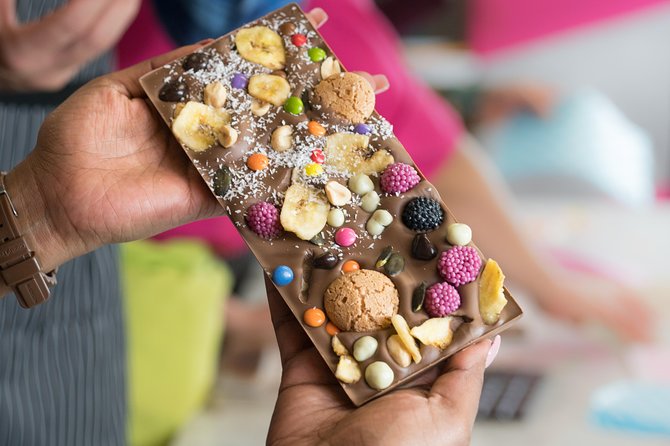
The value comes from the combination of activity and finished treats, not from the museum alone. You receive a guided introduction, three bars to decorate, a spiced chocolate drink, and a short look at chocolate displays.
I would rate it as a good family activity rather than a must-see Vienna attraction. Children get to make choices and work with their hands. Adults can enjoy watching the process, tasting the chocolate, and learning a few basic ideas about tempering.
The activity is less compelling if you are expecting to make chocolate from scratch. Pouring prepared chocolate into molds is closer to a confectionery craft than full chocolate production. Some people will find that pleasantly simple. Others will feel the class finishes too quickly and offers too little technique for the price.
Quality is another variable. Many sessions produce smooth, tasty chocolate, but the hot cocoa and toppings may feel basic. The workshop’s cheerful staff can make a large difference, yet the group size and instructor style may affect your impression.
Should you book the BO-YO chocolate workshop?
Book it if you want a short, family-friendly activity in Vienna, especially on a rainy day or during a sightseeing break. It is a practical choice for young children, birthdays, and first-time chocolate makers who want a clear activity with something sweet to take away.
Skip it if you want a full museum, bean-to-bar production, advanced pastry skills, or a wide menu of gourmet toppings. At $56.72 per person, the price makes the most sense when you value the guided activity and the three handmade bars. Before booking, compare the direct price, arrive early, and think of the museum as a small bonus rather than the main event.
FAQ
Where does the chocolate workshop take place?
The workshop starts and ends at Schönbrunner Str. 99, 1050 Wien, Austria. The location is near public transportation.
How long does the workshop last?
The stated duration is about 1 hour 15 minutes. You should allow around 1.5 hours, since some sessions include additional time for the museum and the chocolate-making steps.
Is the workshop offered in English?
Yes. The experience is offered in English.
Do I need previous cooking experience?
No. The staff provide the cookware, ingredients, recipes, and guidance needed from beginning to end.
How many chocolate bars will I make?
You will make three chocolate bars and decorate them according to your preferences and the toppings available during the session.
What is Xocolatl?
Xocolatl is an ancient Aztec and Mayan-style hot chocolate recipe prepared with chili, vanilla, and cinnamon. It can be served hot or cold.
Is the chocolate made from cocoa beans during the class?
No. The workshop does not produce chocolate from bean to bar. The chocolate is already melted before you fill the molds.
Can children attend?
Yes. The youngest children who can attend are listed as about ages 3 to 5. Children under 10 must be accompanied by an adult, and that adult also needs a ticket.
Can I cancel for a full refund?
Yes, if you cancel at least 24 hours before the experience start time. Cancellations or changes made within 24 hours are not refunded.
More Museums in Vienna
- Vienna: Skip-the-Line Sisi Museum, Hofburg and Gardens Tour
★ 4.8 · 5,918 reviews - Vienna Kunsthistorisches Museum Day Admission Ticket
★ 4.6 · 3,690 reviews - Tickets for the Albertina Exhibitions
★ 4.7 · 2,126 reviews - Sigmund Freud Museum Ticket
★ 4.6 · 1,668 reviews
Recently added around Vienna
- Vienna: Private tour Mauthausen and Linz★ 4.1 · 3 reviews
- 2-Day Prague Tour from Vienna with private Transfers and Lunches★ 5.0 · 3 reviews
- Vienna Self Guided Sherlock Holmes Murder Mystery Game★ 4.5 · 3 reviews
- Vienna Private Schönbrunn Palace Tour, Extra Rooms and Gardens★ 5.0 · 3 reviews
- Salzburg and Lake Region Private Day Trip from Vienna★ 5.0 · 3 reviews
- Small-group Vienna Wine Tour★ 5.0 · 3 reviews
- True Crime mobile puzzle rally Vienna★ 4.0 · 3 reviews
- Vienna: Wachau Valley Private Kayak and Wine Tour★ 5.0 · 3 reviews
Vienna Tours, compared.

Vivaldi’s Four Seasons Concert in Karlskirche
Read our review →
Skip-the-cashier-desk-line Giant Ferris Wheel Ride
Read our review →
Schönbrunn Palace & Gardens Skip-the-Line Tour
Read our review →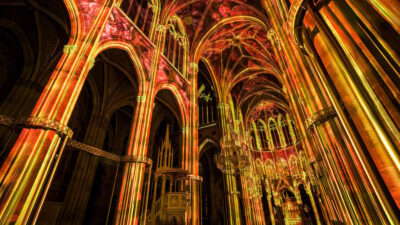
Light of Creation Votive Church Immersive Light Show
Read our review →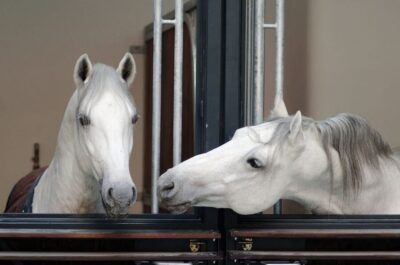
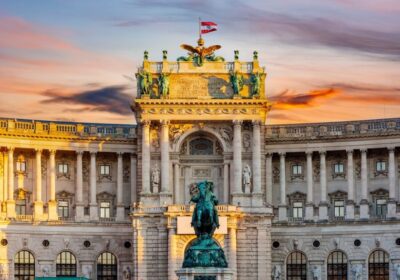
Skip-the-Line Sisi Museum, Hofburg and Gardens Tour
Read our review →
Hallstatt & Alpine Peaks Day Trip with Skywalk Lift
Read our review →Browse the lists this tour appears in