
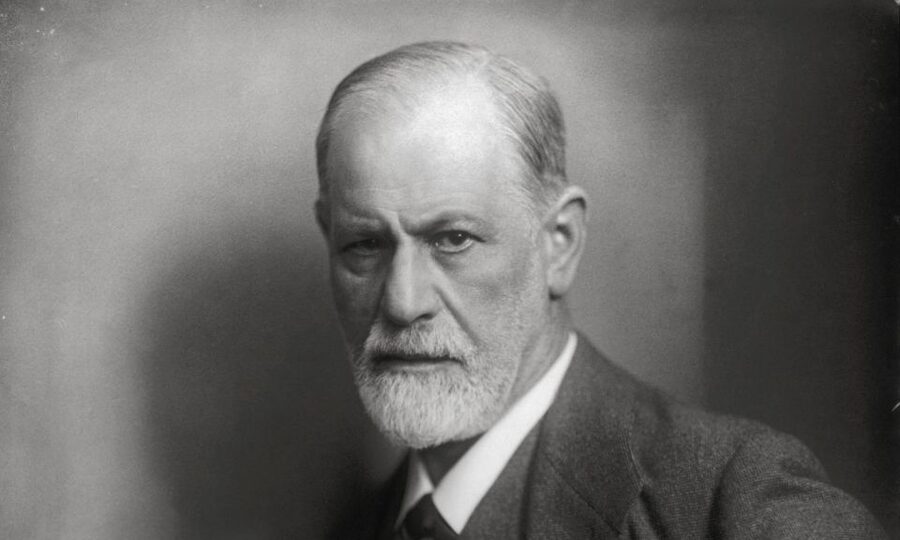
Reviewed · VIENNA TOURS
Sigmund Freud Museum Ticket
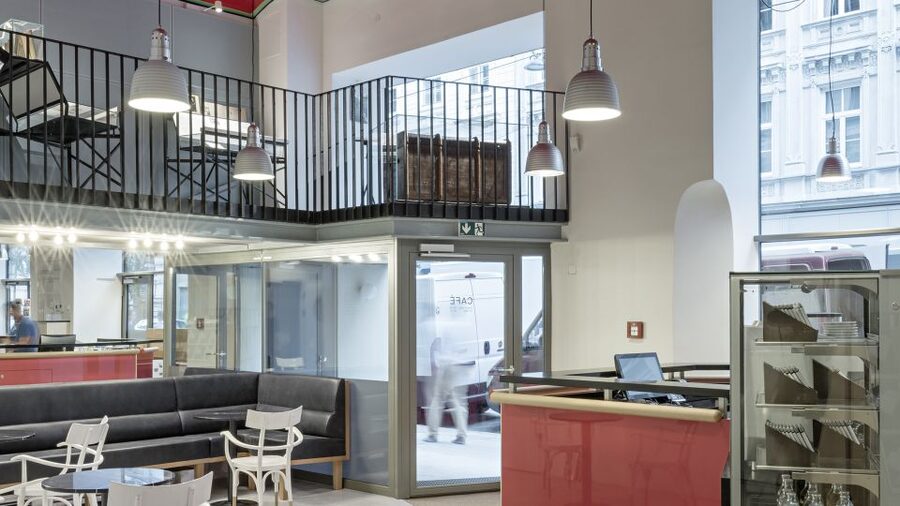
Berggasse 19 is more than an address on a museum map. It is where Sigmund Freud lived, worked, and developed psychoanalysis, and the visit gives you a close look at both the famous thinker and the private family man. You enter through the same doorway used by Freud and his patients, then climb the historic stairs to the rooms where the Freud family lived.
I especially like the recordings of Sigmund and Anna Freud and the rare family films from the 1930s. They add human voices and faces to a subject that can otherwise feel very academic. I also like the careful account of Freud’s family, his flight to London, and the terrible fate of his sisters. The main drawback is that much of the original furniture was taken away when Freud fled Vienna, so this is not a fully recreated period apartment.
Key points to know before you go
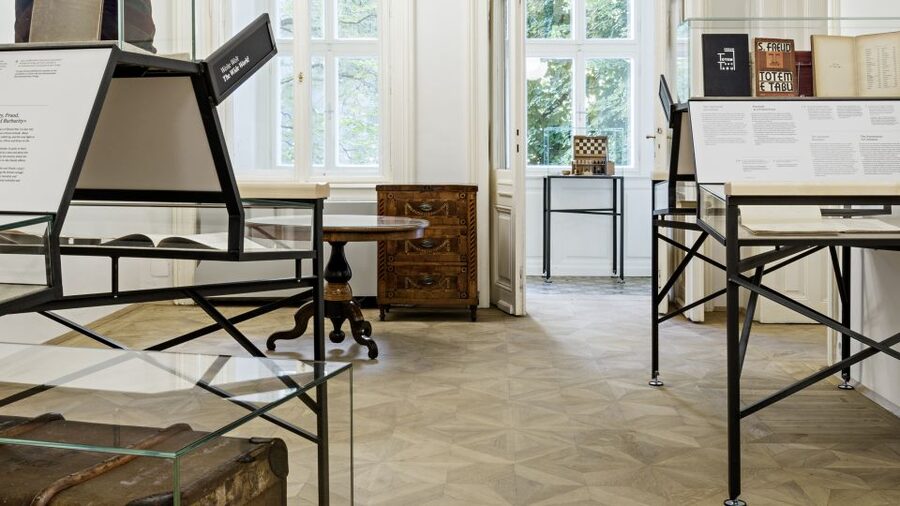
- Enter through Freud’s original doorway: Use the historic entrance at Berggasse 19, the same route once taken by Freud and his patients.
- See home and practice together: The museum covers Freud’s professional rooms, private family spaces, medical work, and personal life.
- Hear the Freud family directly: Audio recordings and 1930s film offer a more personal connection than labels alone.
- Use your phone at Freud’s Couch: An augmented-reality installation explains the famous couch and shows what happened to it.
- Allow at least 90 minutes: A quick visit takes about an hour, but careful reading and the films can stretch the visit to three hours.
- Expect a serious final section: The museum follows Freud’s exile and the murder of his sisters under Nazi persecution.
Entering Berggasse 19, Freud’s most famous Vienna address
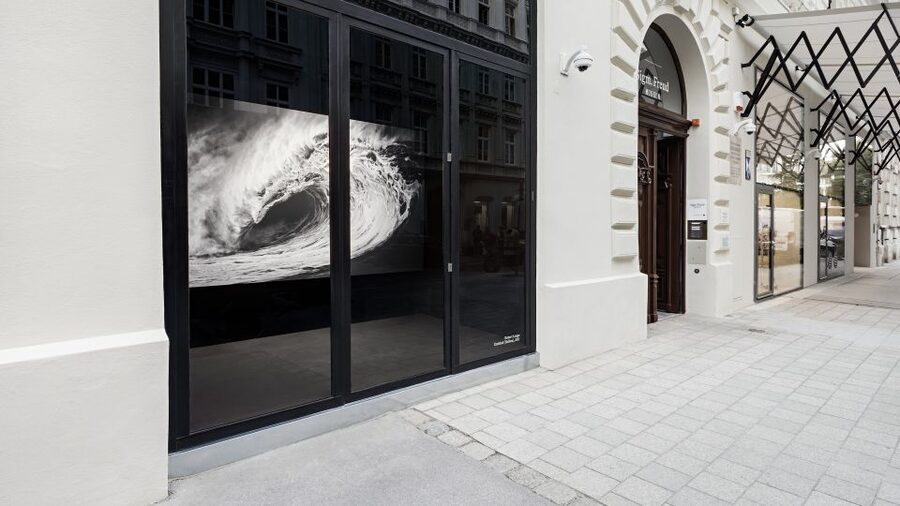
The visit begins at the main entrance of the Sigmund Freud Museum on Berggasse 19. Present your ticket voucher there, then follow the historic route into the building. This small detail matters. You are not approaching a replica or a themed attraction. You are entering the actual house connected with Freud’s Vienna years.
The setting places Freud within turn-of-the-century Vienna, a city filled with new ideas in medicine, art, literature, and philosophy. The museum uses the building to explain how psychoanalysis emerged from Freud’s work as a doctor and thinker. You will see material about his professional development, his theoretical writing, and the major ideas that changed how many people viewed the human mind.
The route is spread over several parts of the building. A newer staircase connects the floors and helps tell the story of the house and its occupants. It also carries the museum beyond Freud’s career, into the period after his expulsion from Austria. That broader story gives the visit much greater weight than a simple look at a famous person’s old apartment.
More Museums in Vienna:
- Vienna: Skip-the-Line Sisi Museum, Hofburg and Gardens Tour
★ 4.8 · 5,918 reviews - Vienna Kunsthistorisches Museum Day Admission Ticket
★ 4.6 · 3,690 reviews - Tickets for the Albertina Exhibitions
★ 4.7 · 2,126 reviews
Freud’s practice and the story behind psychoanalysis
Freud’s former practice is the obvious focus, but the museum does not treat him as a statue on a pedestal. Exhibits show his professional stations, medical interests, correspondence, printed work, and family life. Rare first editions, offprints, presentation copies, and other printed material help explain how his theories developed and circulated.
If you already know something about psychology, you can spend a long time with the written material. Several displays outline the major developments of psychoanalysis in a way that helps organize Freud’s ideas. If you know very little about the subject, the museum still gives you a useful starting point, though you should expect plenty of reading rather than a guided lecture.
One practical issue is the order of the material. The route does not always move in a neat chronological line. You may read about Freud’s medical studies, then find yourself looking at material from a later period in the next room. I recommend checking the room texts carefully and treating the museum as a collection of connected subjects rather than a perfectly linear biography.
That loose order is not a deal breaker, but it can make the museum feel less clear if you rush. Give yourself time to pause, compare dates, and connect the professional story with the family story. The museum rewards curiosity more than speed.
Private rooms and the Freud family
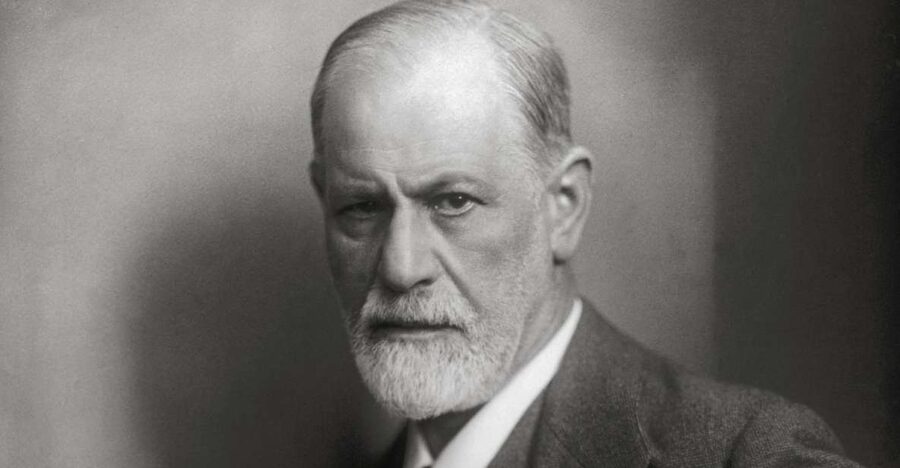
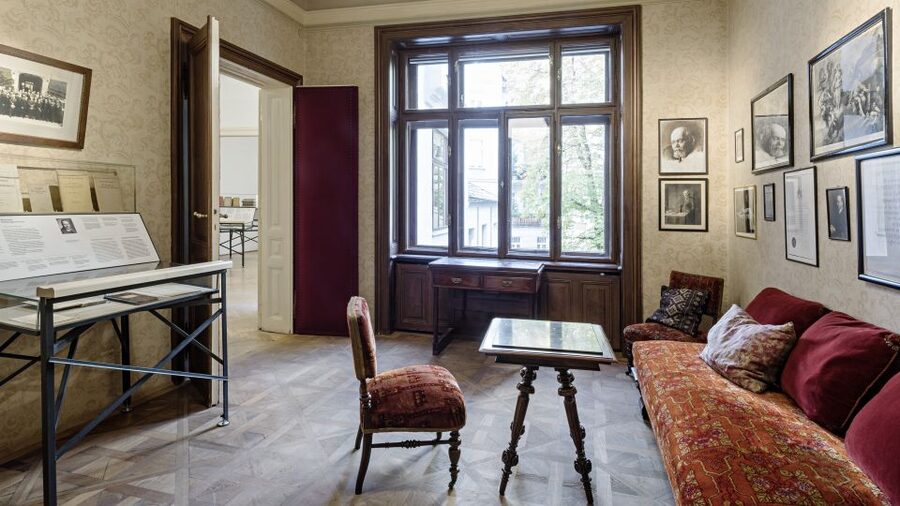
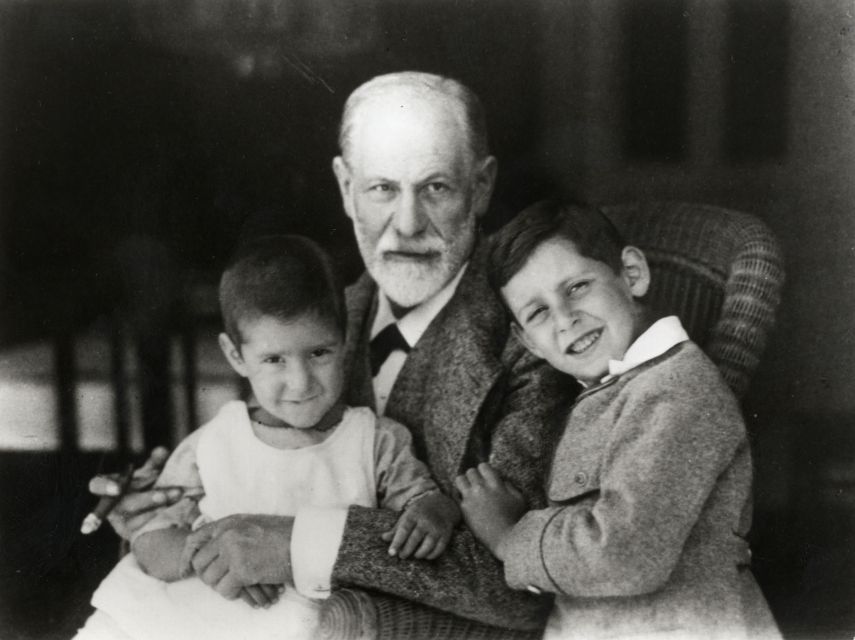
The private rooms are among the most affecting parts of the visit. You see where Freud and his family lived, including the domestic side of a man usually discussed through his books and theories. The displays add details about Freud as a husband, father, collector, brother, and friend.
This family focus helps correct the usual one-dimensional picture. Freud was not only the founder of a controversial school of thought. He was also part of a large family whose story was shaped by the political disaster that overtook Vienna in the late 1930s.
The museum presents Anna Freud’s connection to the house and her early life there. If you are interested in the development of child psychology, Anna’s presence gives the visit another layer, even though the museum’s central figure remains her father. Families with children can also find small details to notice. One useful feature mentioned by parents is a search for puzzle stickers in the rooms, including clues about Freud’s dog.
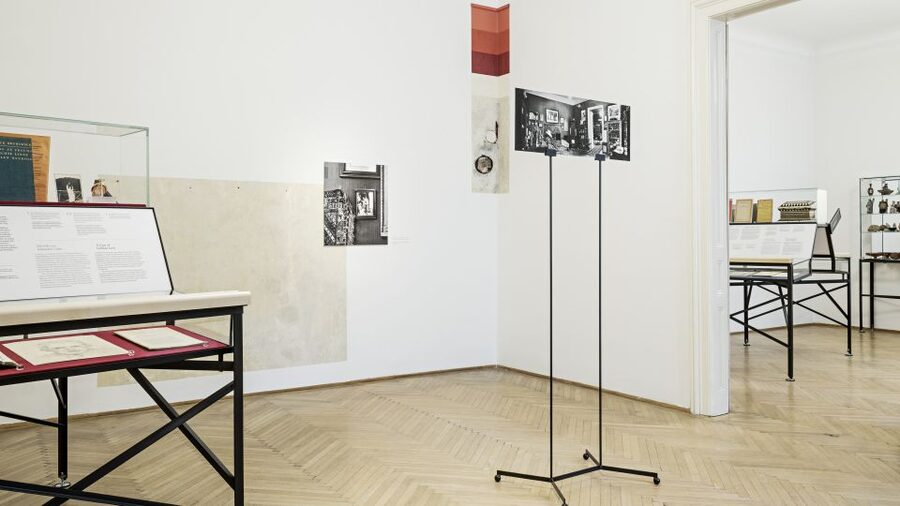
The building itself is not dressed as a complete historical set. Some rooms can feel spare, and several original furnishings are missing. That absence is part of the story: Freud took important belongings with him when he left Vienna for London. Still, anyone expecting to see the famous couch in its original place should adjust those expectations before arriving.
Voices, films, and Freud’s Couch
The audio recordings are a highlight because they make Freud and Anna sound like real people rather than distant historical names. Hearing Sigmund Freud’s actual voice is brief but memorable, especially after reading about his work and walking through his former rooms.
The museum also shows unique family film material from the 1930s. These films offer glimpses of the Freud family beyond formal portraits and printed documents. I find this kind of evidence especially valuable in a house museum. A photograph can tell you who someone was, but moving images suggest how a person occupied space and interacted with family.
You can also start the augmented-reality installation Freud’s Couch with your phone. The installation appears in the place where the famous piece of furniture once stood and explains its later whereabouts. It is a smart way to deal with a major absence. Instead of pretending the couch is still here, the museum uses technology to tell you why it is not.
The phone-based feature may appeal most to visitors who enjoy interactive displays. If you prefer a quiet museum with no digital element, you can simply focus on the surrounding rooms and labels. The AR installation is an addition, not the entire point of the visit.
A few more Vienna half-days to weigh up
- Vienna: Vivaldi’s Four Seasons Concert in Karlskirche
★ 4.7 · 14,951 reviews - Vienna: Spanish Riding School Training
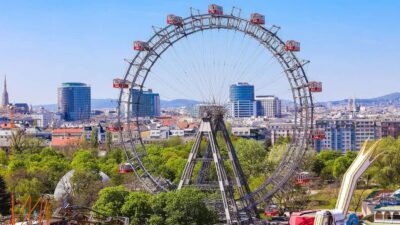
★ 3.9 · 9,281 reviews - Vienna: Skip-the-cashier-desk-line Giant Ferris Wheel Ride
★ 4.5 · 7,859 reviews - Vienna: Schönbrunn Palace & Gardens Skip-the-Line Tour
★ 4.7 · 7,739 reviews
The staircase and Vienna’s darkest chapter
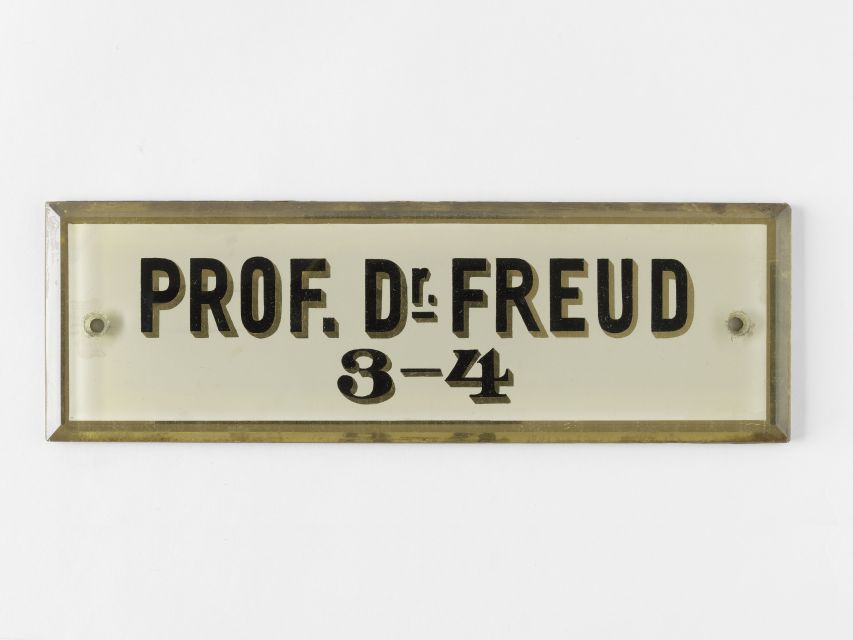
The newer staircase is not just a practical way to move between floors. It recounts the history of Berggasse 19 and the people who lived there after Freud’s departure. The story becomes increasingly difficult as the museum shows how Nazi persecution affected Jewish residents connected with the address.
Freud and his closest family escaped to London. His sisters Rosa, Marie, Pauline, and Adolfine did not survive. The museum explains their fate and the murder of Jewish people in the extermination camps. This section is direct and painful, and it should be approached with the same care you would bring to any museum dealing with Nazi violence.
The contrast is stark. Freud’s international reputation and family connections helped him leave Austria, while other members of his family were trapped. The museum does not allow the story to end with the famous man’s escape. It asks you to remember the people who were left behind.
This historical section also helps explain why the rooms are not filled with Freud’s original possessions. The absence of furniture is not simply a museum limitation. It reflects flight, confiscation, loss, and the destruction of Jewish life in Vienna. That context makes the spare rooms more meaningful.
Contemporary art inside Freud’s former office
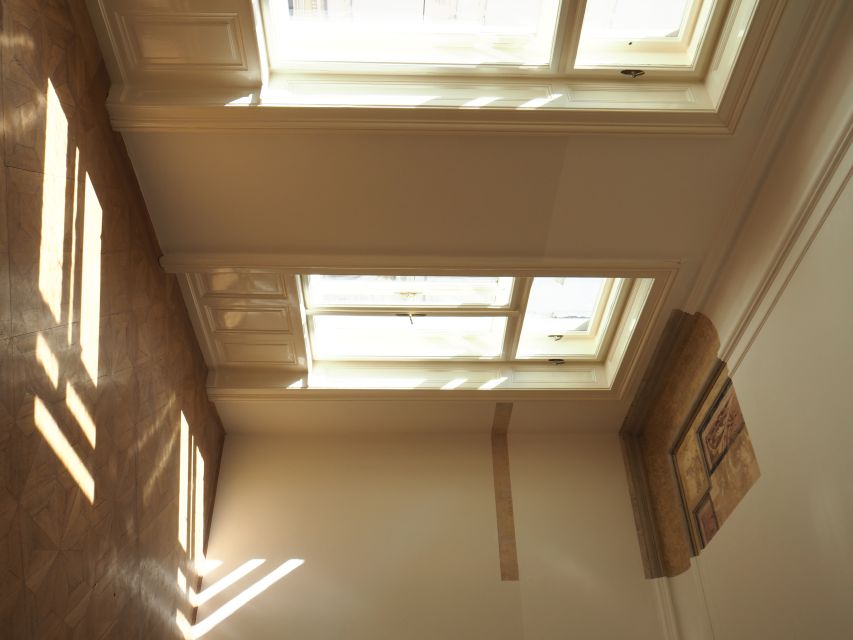
Freud’s former office houses the permanent exhibition Hidden Thoughts of a Visual Nature. It presents selected works from the Sigmund Freud Museum’s collection of conceptual art, including pieces by John Baldessari, Joseph Kosuth, Susan Hiller, Franz West, Haim Steinbach, and others.
This may surprise you. After rooms about Freud’s practice, family, books, and exile, contemporary conceptual art shifts the mood. The connection is the relationship between thought, interpretation, language, objects, and what remains hidden beneath ordinary appearances.
You do not need to be an art specialist to spend time here, but the section may feel less immediately accessible than the biographical exhibits. I see it as an invitation to consider how Freud’s ideas continue to influence artists and museums, rather than as a traditional display of Freud memorabilia.
If your main goal is to see the apartment and learn basic facts, you can move through this section fairly quickly. If you enjoy modern art, allow extra time. It adds an intellectual afterlife to the museum and keeps the visit from becoming only a shrine to one historical figure.
How long to stay and how to plan your visit
The ticket is valid for one day, and the visit is self-directed. Plan on about 1.5 hours for a solid visit. If you read most captions, watch the films, listen to the recordings, and spend time with the art, two to three hours is more realistic.
An early time helps if you want quieter rooms. An 11 a.m. arrival can work well, but the museum may become busier as the day continues. The building can also feel hot in warm weather, especially during a European heatwave, so light clothing is sensible in summer.
The museum is easy to reach by public transport, and a tram stop is about a four-minute walk away. Lockers and a restroom are available, which is useful if you are carrying bags or fitting the museum between train connections. The site is wheelchair accessible.
Flash photography is not allowed. Opening hours can change, so check them before setting out, particularly if you are building a tight Vienna schedule around the museum.
Is the $18 ticket good value?
At $18 per person, this is not Vienna’s cheapest small museum visit. The value depends on how you use it. If you are interested in Freud, psychology, medicine, modern European history, or Jewish history, the museum offers enough material for a substantial visit rather than a quick photo stop.
The price also covers more than a few rooms and a handful of objects. You get the former practice and family rooms, printed works, audio recordings, family films, the AR couch installation, the history of the building, the exile section, and the conceptual-art display. The range explains why some people spend close to three hours here.
The case for the price is weaker if you expect original furniture throughout or a fully staged period home. The famous couch is not physically present, and several rooms are sparsely furnished. Some lighting is quite dim, which can make labels harder to read and may tire you during a long visit.
I would compare it with the cost of other major Vienna museums. For a casual visitor with no interest in Freud, $18 may feel high. For someone who has read Freud, studies mental health, works in medicine, or wants to understand Vienna’s intellectual and political past, it is a fair price.
Who will enjoy this museum most?
This museum suits anyone who wants a more personal story than a standard biography provides. Psychology students, mental-health professionals, psychiatrists, historians, and readers of Freud’s work will find plenty to examine. Several displays make the visit feel almost like a pilgrimage for people in the field.
It also works for general sightseers who know Freud’s name but little about his life. You will leave with a clearer sense of his work, his household, and the forces that drove him from Vienna.
Families can make it work, especially with older children who enjoy puzzles, short films, or real places tied to famous people. Very young children may have less patience for the reading-heavy displays, and noisy groups can make the dim rooms feel less comfortable.
The museum is not a guided walking tour, and there is no named guide leading you from room to room. You set your own pace, which is useful if you want to read closely or skip sections. It also means you should take responsibility for building the story yourself.
My practical verdict on Berggasse 19
I like the museum because it does not hide the gaps. The missing couch and absent furniture are explained rather than disguised. The result is a place where absence becomes part of the history.
The strongest material is the combination of personal evidence and political history: Freud’s voice, Anna Freud’s presence, the family films, the private rooms, and the account of his sisters’ fate. Together, these details make the museum feel human and serious.
The weaker points are the inconsistent chronology, dim lighting in some rooms, and occasional audio exhibits that may not be working. The experience also depends on your willingness to read. It is not a quick, spectacle-driven attraction.
Should you book the Sigmund Freud Museum ticket?
Book it if Freud, psychology, Vienna around 1900, or the history of Jewish families under Nazi rule interests you. The ticket gives you direct access to Berggasse 19, useful exhibits, rare recordings, family films, and a thoughtful account of what happened after Freud left.
Skip it if you want a richly furnished historic apartment or have only a few hours in Vienna and little interest in Freud. For most people with a genuine curiosity about the man and his ideas, I would allow two hours, arrive early, and take the museum at an unhurried pace. At $18, it is a worthwhile specialist museum, especially when you treat the missing objects and difficult history as part of the experience.
FAQ
Where is the Sigmund Freud Museum located?
It is located at Berggasse 19 in Vienna, Austria. Present your ticket voucher at the museum’s main entrance.
How long is the ticket valid?
The ticket is valid for one day. The museum visit itself usually takes about 1.5 hours, though you can spend up to three hours if you read the displays carefully and watch the films.
Does the museum contain Freud’s famous couch?
The original couch is not in the museum. You can use your phone to start the AR installation Freud’s Couch in the place where it once stood and learn about what happened to it.
Can I hear Sigmund Freud’s voice?
Yes. The museum includes recordings of Sigmund Freud and Anna Freud.
Is the museum wheelchair accessible?
Yes, the museum is wheelchair accessible.
Can I take photographs inside?
Photography is permitted with restrictions, but flash photography is not allowed. Opening hours can change, so check them before visiting.
Recently added around Vienna
- Vienna: Private tour Mauthausen and Linz★ 4.1 · 3 reviews
- 2-Day Prague Tour from Vienna with private Transfers and Lunches★ 5.0 · 3 reviews
- Vienna Self Guided Sherlock Holmes Murder Mystery Game★ 4.5 · 3 reviews
- Vienna Private Schönbrunn Palace Tour, Extra Rooms and Gardens★ 5.0 · 3 reviews
- Salzburg and Lake Region Private Day Trip from Vienna★ 5.0 · 3 reviews
- Small-group Vienna Wine Tour★ 5.0 · 3 reviews
- True Crime mobile puzzle rally Vienna★ 4.0 · 3 reviews
- Exploring the Gutenstein Alps★ 5.0 · 3 reviews
Vienna Tours, compared.
Vivaldi’s Four Seasons Concert in Karlskirche
Read our review →
Skip-the-cashier-desk-line Giant Ferris Wheel Ride
Read our review →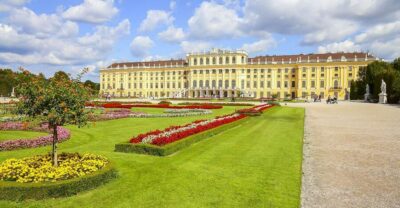
Schönbrunn Palace & Gardens Skip-the-Line Tour
Read our review →
Light of Creation Votive Church Immersive Light Show
Read our review →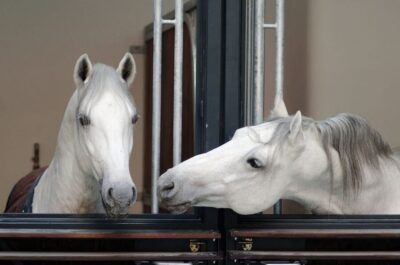

Skip-the-Line Sisi Museum, Hofburg and Gardens Tour
Read our review →
Hallstatt & Alpine Peaks Day Trip with Skywalk Lift
Read our review →Browse the lists this tour appears in