
Reviewed · SMALL GROUP TOURS
Small Group Tour; Balkans & Central Europe – Dubrovnik to Vienna
The real appeal here is the route: in ten days, you move from Dubrovnik to Vienna through Bosnia and Herzegovina, Serbia, Hungary, and Slovakia. It is a road trip through places that are easy to miss when planning a standard Central European holiday, with Mostar, Sarajevo, Belgrade, Novi Sad, Budapest, and Bratislava all on the way.
I like the small maximum of 10 people, which should make border crossings, hotel transfers, and guided walks easier to manage. I also like the built-in free time, especially in Mostar, Sarajevo, Budapest, and Bratislava, where you can step away from the group for coffee, local food, or a quiet wander.
One important consideration: the headline promises an Albanian Alps hiking experience, but the ten-day schedule provided here does not include Albania, Komani Lake, or Valbona Valley. Confirm the exact route before paying, especially since the booking is non-refundable.
Key points before you book
- A five-country road route: Begin in Croatia, cross Bosnia and Herzegovina and Serbia, continue through Hungary and Slovakia, and finish in Austria.
- A genuinely small group: The tour is limited to 10 people, with a professional tour leader throughout.
- Strong historic range: See Ottoman, Austro-Hungarian, medieval, Yugoslav, and modern European influences in one trip.
- Included hotel transfers: Pickup in Dubrovnik and drop-off at your Vienna hotel remove two awkward transport problems.
- Breakfast and 3-star hotels included: Lunches, dinners, drinks, and snacks are yours to arrange, giving you some control over daily spending.
- Long road days are part of the bargain: You cover a lot of ground, but this is not a slow, stay-put holiday.
What this Dubrovnik to Vienna tour really offers
At $3,773.83 per person, this is not a bargain-basement bus trip. It is a packaged small-group journey with accommodation, breakfasts, a tour leader, fuel, road taxes, tourist taxes, international car insurance, selected entry tickets, and transport between cities.
The value depends on how you like to travel. If you want to plan every train, border crossing, hotel, and walking tour yourself, the price may feel high. If you want one booking to connect several countries that can be awkward to combine, the cost becomes easier to understand.
The group size matters. With no more than 10 people, you are not dealing with a large coach party spilling into every café. A small group also gives the leader more room to answer questions and adjust the pace within reason. The company has used guides called Bilbil, Sokol, Mira, Armando, and Ani on its trips, but your specific leader is not named in advance. Ask for that detail if it matters to you.
The biggest practical issue is the tour description itself. The overview focuses on a two-day hike in northern Albania, yet the day-by-day program runs from Dubrovnik to Vienna and lists no Albanian stops. Those are two different trips. Treat this as a Croatia, Bosnia, Serbia, Hungary, Slovakia, and Austria itinerary unless the operator confirms an updated schedule.
More Small Group Tours in Austria:
- Vienna Historic Center Small Group Walking Tour
★ 5.0 · 1,746 reviews - Budapest Small-Group Day Trip from Vienna
★ 5.0 · 545 reviews - Wachau Valley Small-Group Tour and Wine Tasting from Vienna
★ 5.0 · 540 reviews
Day 1: Mostar, Stari Most, and Blagaj
Your day starts early, with a 7:00 a.m. pickup at your Dubrovnik hotel. A local driver takes you to the border, where you meet the tour leader. This arrangement is useful, but it also means your first day begins with a border crossing and a long transfer, not a leisurely breakfast.
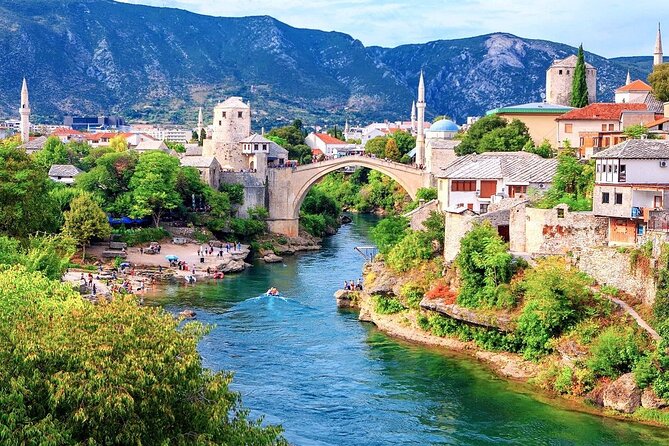
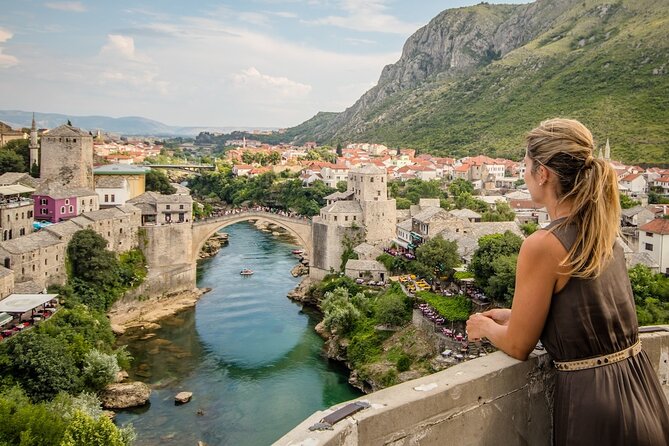
Mostar is the star of the day. The city’s Stari Most, or Old Bridge, was built in the 16th century in an Islamic architectural style and is now a UNESCO World Heritage site. You have about an hour around the bridge, followed by time in the Old Bazaar.
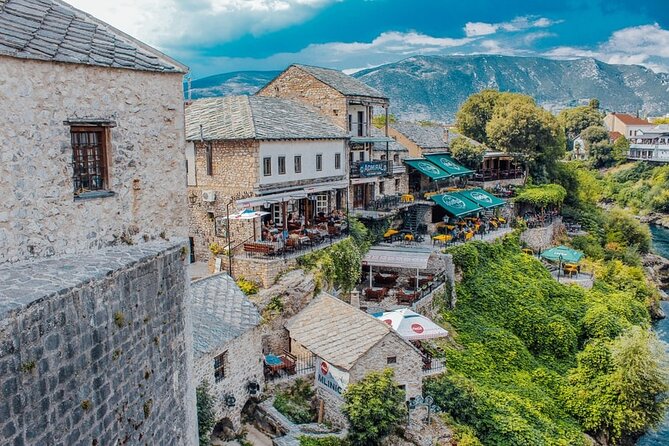
This is the part of Mostar where the city feels most atmospheric. Cobbled lanes, old mosques, Turkish-style shops, and stone buildings crowd the center. You will also see reminders of the 1990s war, including the repeated message Don’t Forget. The old quarter is compact, but its story is not simple. Your guide can help connect the Ottoman past, the war years, and the present-day city.
Blagaj adds a different mood. About an hour outside Mostar, the Ottoman-era tekija sits below a cliff beside the spring of the Buna River. Blue water, rock, and the small monastery make this a calmer stop than the busy bridge area. Admission is included.
You also receive about an hour of free time in Mostar. That is enough for a meal, a second look at the bridge, or a short wander beyond the main lanes. It is not enough for a full museum visit, so keep your plans modest.
Day 2: Sarajevo and the story of modern Europe
The drive from Mostar to Sarajevo leads into a city where several eras sit close together. The walking tour includes uneven ground and wartime ruins, so comfortable shoes are sensible and a moderate level of fitness is expected.
Sarajevo is presented through its Ottoman and Austro-Hungarian quarters, along with mosques, churches, synagogues, markets, and older streets. The city is often called the European Jerusalem because of this mix of faiths and cultures. That label can simplify a complicated place, but it does point you toward the city’s central strength: several traditions remain visible within a short walk.
The tour also points out bullet holes and cannon marks left by the Yugoslav War. This is not polished sightseeing. You are asked to look at difficult evidence and listen to the stories behind it. That gives Sarajevo more weight than a quick photo stop.
The Latin Bridge is another key stop. It crosses the Miljacka River and is tied to the assassination of Archduke Franz Ferdinand, the event that helped trigger World War I. Your guide explains the bridge’s older name, linked to the Catholic quarter known as Latinluk during Ottoman times.
You have free time for traditional food in the old town. The schedule allows about an hour, so this is better for a focused meal than a long restaurant outing. Sarajevo is noted for meat dishes and desserts, making this one of the better places to spend your own money on lunch.
Day 3: Zvornik and Belgrade’s riverfront fortress
The next destination is Belgrade, with a stop in Zvornik on the Drina River. Zvornik gives you a pause from major-city sightseeing. You have about an hour to eat local food or walk its streets before continuing.
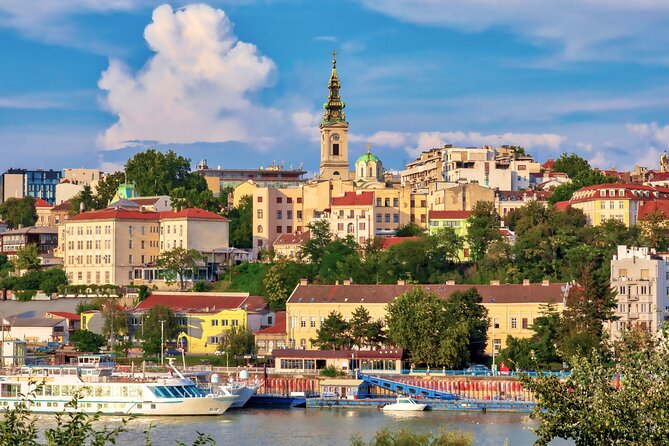
Belgrade then supplies a sharp change of scale. At Belgrade Fortress and Kalemegdan Park, the Sava and Danube meet below you. The view is one of the tour’s best open-air moments, and the park gives you green space after several hours on the road.
The Upper Town includes the Pobednik monument, dating from 1913. From there, the route continues along Knez Mihailova, Belgrade’s main pedestrian and social street, toward Republic Square. Two hours is enough for an introduction, but not a serious exploration of Belgrade’s museums or nightlife.
I like the way this day combines a small riverside town with Serbia’s capital. The tradeoff is obvious: you get a taste of Belgrade rather than a full stay. Keep that in mind if the city is high on your personal list.
A different way to spend an afternoon here:
- Vienna: Vivaldi’s Four Seasons Concert in Karlskirche
★ 4.7 · 14,951 reviews - Vienna: Spanish Riding School Training
★ 3.9 · 9,281 reviews - Vienna: Skip-the-cashier-desk-line Giant Ferris Wheel Ride
★ 4.5 · 7,859 reviews - Vienna: Schönbrunn Palace & Gardens Skip-the-Line Tour
★ 4.7 · 7,739 reviews
Day 4: Sremski Karlovci and Serbian wine country
Sremski Karlovci receives a generous three-hour visit, which is helpful because this town rewards slow walking. Its Baroque center is compact and often feels more like an open-air museum than a working city.
The town was an important center of Serbian culture in the 18th century and remains associated with wine production. You can learn about the local wine tradition, see the Four Lions fountain, and spend free time tasting regional wines while looking toward the vineyards.
The fountain has a local legend attached to it: drink from it and you will return to Karlovci and marry there. You do not need to test the theory, but it is a pleasant bit of folklore for a town built around stories and ceremony.
Wine tasting is not listed as included, so budget for it separately. The same applies to lunch and other drinks throughout the tour. This day is less about checking off famous sights and more about enjoying a smaller Serbian town at a gentler pace.
Day 5: Novi Sad and Petrovaradin Fortress
Novi Sad is described as northern Serbia’s cultural capital, and the city’s position between former Ottoman and Austro-Hungarian spheres explains much of its appearance. Baroque buildings, pedestrian streets, and different religious traditions give the center a mixed character.
The walk includes Zmaj Jovina and Dunavska, two central pedestrian streets, along with free time to explore independently. Petrovaradin Fortress, called the Gibraltar on the Danube, is the major sight. Its location gives you a broad view and a sense of why the river mattered so much to the city.
You stay overnight in Novi Sad, which is a welcome break from constant hotel changes. The three-hour touring block leaves room for a meal or coffee, but the day still has structure. If you prefer a holiday with long, unplanned afternoons, you may find the schedule brisk.
Day 6: Subotica and the border to Budapest
Subotica is one of the more distinctive stops on the route. Its decorated buildings reflect the city’s former importance under the Austro-Hungarian Empire, while its relaxed café culture and food scene give the visit a less formal feel.
The City Hall dominates the center, surrounded by a park, fountains, and a large square. You also visit St. Teresa of Avila Cathedral and the Synagogue. The schedule allows about three hours, including time to walk, have coffee, and sample local food or wine.
Later, you cross into Hungary and continue to Budapest. The listed transfer time for this section is only 30 minutes, but border and road conditions can affect any international journey. Keep your passport easy to reach and do not schedule a fixed evening reservation.
Day 7: Budapest from Buda Castle to the Danube
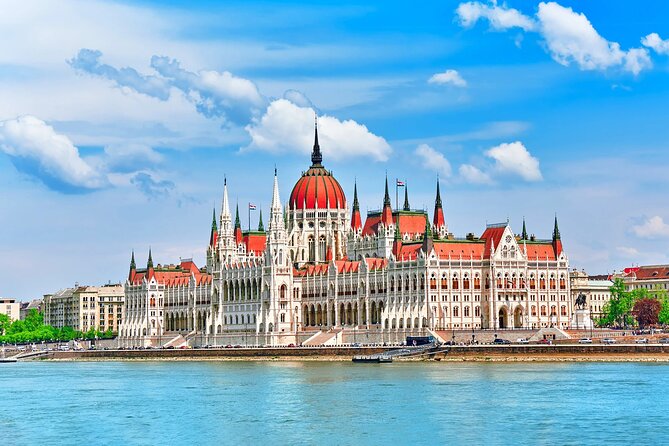
Budapest is the busiest sightseeing day in the second half of the tour. You see St. Stephen’s Basilica, the Opera, Parliament, Heroes’ Square, and Fisherman’s Bastion, then visit Buda Castle, a UNESCO World Heritage site. Entry to the castle is included.
The city’s basic geography helps make sense of the tour. Buda is the older, hillier side, while Pest is the more cosmopolitan side across the Danube. Bridges link the two, and the city’s Baroque, Neoclassical, and Art Nouveau buildings give the walk plenty to look at.
The guided portion lasts about two hours, followed by an hour at Buda Castle and another hour of city exploration. You also have a free evening, which is important. Budapest is best appreciated after the formal touring ends, when you can choose your own restaurant, café, or riverside walk.
Do not expect a full Budapest visit in one day. The tour gives you the essentials and a useful first orientation. If you want thermal baths, museums, or a longer visit to Parliament, you will need extra time before or after the trip.
Day 8: Győr and the road to Bratislava
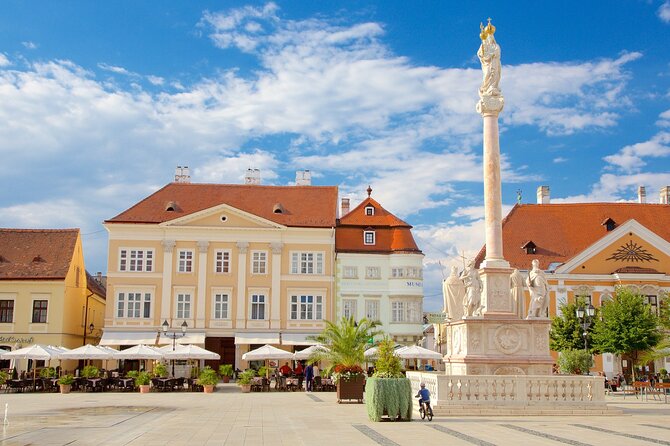
Győr, known as the City of Rivers, offers a smaller-scale Hungarian stop after Budapest. You walk through a center lined with multicolored homes and churches, then see the 59-meter tower of Town Hall.
The Cathedral of the Virgin Mary, with Roman origins reaching back to the 11th century, is another notable stop. The Győr Synagogue is also worth attention, especially for its large gray dome and influence on synagogue design elsewhere in Central Europe.
Baross Gábor Way is the practical part of the visit. It is pedestrian-only and lined with cafés, shops, bars, and restaurants. You have time to eat local Hungarian food and try the listed blueberry beer, though food and drinks are not included.
The route continues to Bratislava, with a short listed transfer. As on other border days, the actual timing can shift. This is a road itinerary, so flexibility is part of the deal.
Day 9: Bratislava’s Old Town and castle view
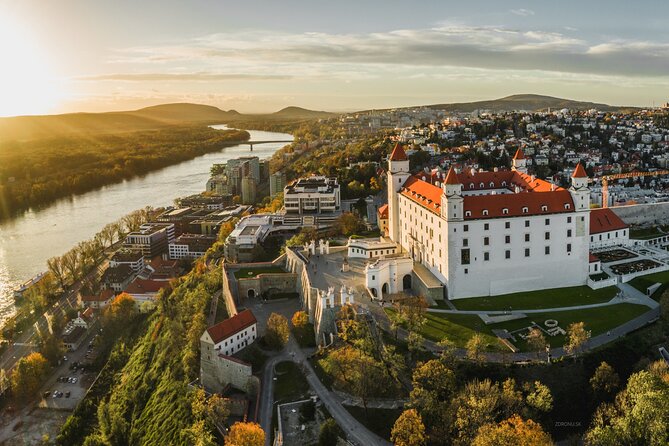
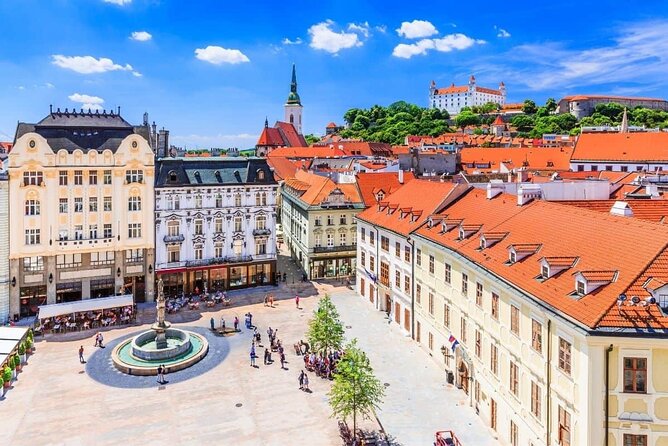
Bratislava’s compact center makes it a good final sightseeing city. You visit the Old Town Hall, walk through the medieval streets, and continue to Michael’s Gate, the only surviving gate from the city’s medieval fortifications. The gate is among the oldest buildings in town.
Bratislava Castle requires a walk uphill, but the reward is the view over the Danube and the city. Entry is included. After returning to the center, you have free time for the city’s café culture.
This is a sensible final full day because the schedule mixes guided history with unstructured time. You can follow the main route or settle into a traditional coffee shop. The one-hour blocks mean you should not try to add several museums.
Day 10: Vienna drop-off and what the route leaves you with
The tour ends with drop-off at your hotel in Vienna. No Vienna sightseeing is listed, so plan your arrival day around transportation and check-in rather than assuming you will receive a city tour.
That ending is useful if Vienna is your next base or if you are connecting to another European trip. Hotel drop-off is more convenient than being left at a bus terminal, but confirm the exact hotel transfer details when booking.
Hotels, meals, and daily costs
Accommodation is in 3-star hotels on a double, twin, triple, or quadruple occupancy basis. Solo room pricing is not stated, so ask about any single supplement before booking.
Breakfast is included, while lunches, dinners, drinks, and snacks are not. This is both a cost and a benefit. You pay for your own meals, but you can choose between a quick local lunch, a café stop, or a fuller dinner instead of being tied to a group menu.
The included taxes, fuel, road charges, and insurance remove several small expenses that can quietly add up on a multi-country road trip. Entry tickets are included for the listed paid sites, including Blagaj tekija, Buda Castle, and Bratislava Castle.
Who will enjoy this route most
I would recommend this trip to you if you want broad regional coverage, prefer a guide to handle the driving and border logistics, and enjoy walking tours with free time built in. It suits people with moderate fitness who are comfortable with uneven streets, uphill walking, early starts, and long transfers.
It is less suited to you if you want deep time in each city, independent train travel, luxury hotels, or a dedicated Albania hiking holiday. The route is active, but the supplied ten-day schedule is primarily a cultural road trip, not a two-day mountain trek.
The high praise for the company centers on helpful guides and practical care. Guides such as Bilbil, Sokol, Mira, Armando, and Ani have been described as friendly, attentive, and willing to suggest activities during free time. That personal help matters most on the unstructured hours, when a good recommendation can save you from wasting time.
Should you book the Dubrovnik to Vienna tour?
Book it if the confirmed itinerary is the one you want: Dubrovnik, Mostar, Sarajevo, Belgrade, Novi Sad, Subotica, Budapest, Győr, Bratislava, and Vienna. The small group, included transfers, breakfasts, hotels, and cross-border transport make it a practical way to connect this part of Europe without planning every leg yourself.
Do not book until the Albania wording is cleared up. The price is substantial and the cancellation policy gives you no refund if you cancel or request a change. Get the final route, hotel occupancy terms, single supplement, and named guide situation in writing before paying.
FAQ
Where does the tour start?
The tour starts in Dubrovnik, Croatia, with hotel pickup at 7:00 a.m.
Where does the tour end?
The tour ends with drop-off at your hotel in Vienna, Austria.
How long is the tour?
The experience lasts approximately 10 days.
How many people can join the group?
The group has a maximum of 10 travelers.
Are hotels included?
Yes. Accommodation in 3-star hotels is included for all overnight stays, based on double, twin, triple, or quadruple room occupancy.
Are meals included?
Breakfast is included. Lunch, dinner, drinks, and snacks are not included.
Is hotel transportation included?
Yes. Hotel pickup in Dubrovnik and hotel drop-off in Vienna are included.
What level of fitness is required?
You should have a moderate level of physical fitness. The Sarajevo walking tour includes uneven terrain, and the itinerary includes walking in historic centers and an uphill walk to Bratislava Castle.
Recently added around Austria
- From Vienna: Austrian Lakes and Salzburg Private Tour★ 5.0 · 3 reviews
- Vienna: Private tour Mauthausen and Linz★ 4.1 · 3 reviews
- Salzburg On the Traces of Mozart Private Tour★ 4.5 · 3 reviews
- 2-Day Prague Tour from Vienna with private Transfers and Lunches★ 5.0 · 3 reviews
- Private Transfer from Munich to Salzburg, English-speaking driver★ 3.5 · 3 reviews
- Scenic Adventure Private Day Tour to The Konigssee Salzburg★ 4.5 · 3 reviews
- Vienna Self Guided Sherlock Holmes Murder Mystery Game★ 4.5 · 3 reviews
- In-depth private tour through every corner of Klagenfurt★ 5.0 · 3 reviews
Small Group Tours, compared.

Vienna Historic Center Small Group Walking Tour
Read our review →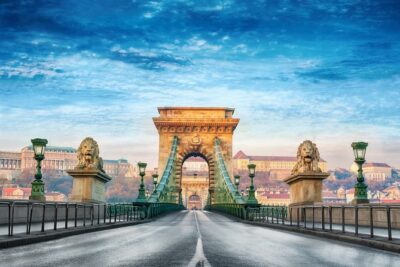
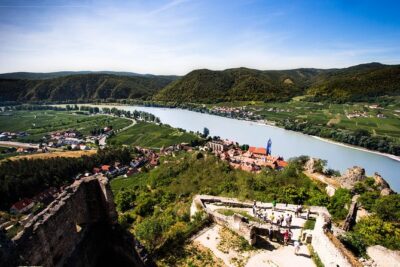
Wachau Valley Small-Group Tour and Wine Tasting from Vienna
Read our review →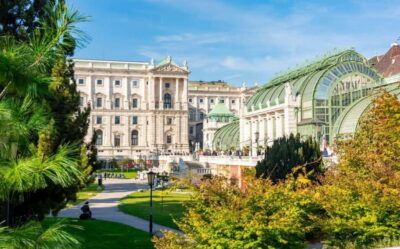
Small Group Guided Walking Tour of City Highlights
Read our review →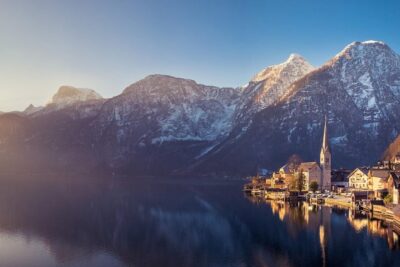
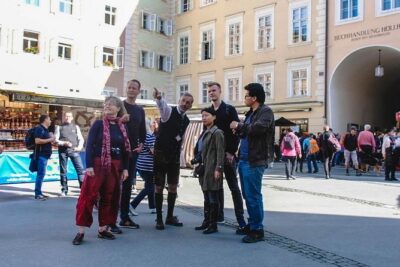
Salzburg and Lake Region Small-Group Day Trip from Vienna
Read our review →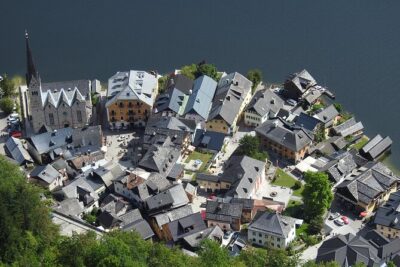
Hallstatt and Salt Mines Small-Group Tour from Salzburg
Read our review →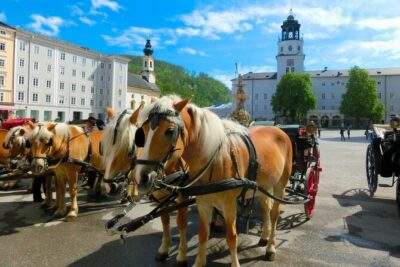
Browse the lists this tour appears in