
Reviewed · VIENNA TOURS
Vienna: Leopold Museum Skip-the-Line Entry Ticket
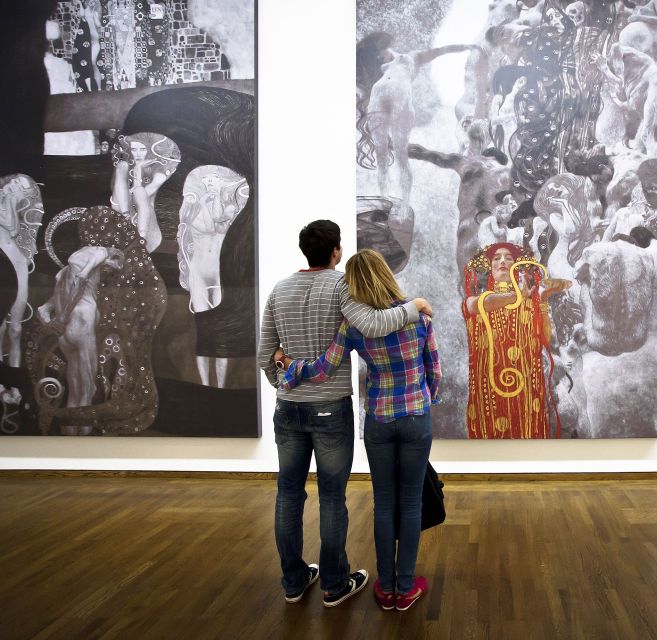
The Leopold Museum gives you the clearest single look at Vienna around 1900, when Egon Schiele, Gustav Klimt, and Oskar Kokoschka broke old artistic rules. Its greatest draw is the world’s largest Egon Schiele collection, backed by Klimt masterpieces and striking examples of Viennese Art Nouveau.
I like the freedom of a one-day ticket, which lets you take the galleries at your own speed, and I like that special exhibitions are included rather than sold as an extra. The light-filled building and its views toward Maria-Theresien-Platz and the Hofburg add real pleasure between galleries.
The main consideration is that this is an entry ticket, not a guided visit. You receive no audio guide, tour, food, or drink, and the online price may not be the best choice for seniors, students, or families who could qualify for a better rate at the museum.
Key points at a glance
- The world’s largest Egon Schiele collection: See roughly 130 paintings and letters, including the artist’s intense portraits, figures, and studies.
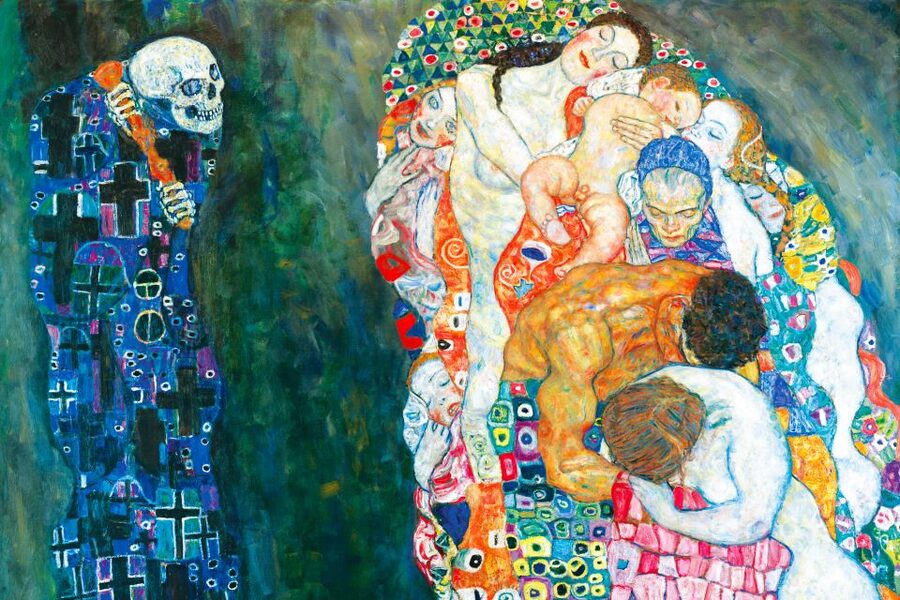
- Klimt beyond the usual postcards: Look for major works such as Life and Death, alongside pieces from his earlier career.
- Vienna 1900 in one address: Art Nouveau, Expressionism, Wiener Werkstätte design, and the Vienna Secession all come together here.
- Special exhibitions included: Temporary shows change several times a year and can feature important loans from museums around the world.
- A museum with city views: The white limestone building opens onto views of Maria-Theresien-Platz, the Hofburg, and central Vienna.
- A flexible one-day visit: The ticket works for one day, and the museum is wheelchair accessible.
Why the Leopold Museum matters in Vienna
If you want to understand Vienna’s artistic revolution, this museum is a good place to begin. Around 1900, the old Habsburg capital was still wrapped in imperial ceremony, but its artists were pushing hard against academic rules and polite decoration.
The Vienna Secession gave this break with tradition a name and a home. Klimt helped found the movement, while artists such as Schiele and Kokoschka pushed Expressionism toward something more personal and unsettled. Their work can feel startling even now, especially when it is viewed beside the refined furniture, jewelry, and objects of the Wiener Werkstätte.
That contrast is one of the museum’s strengths. You are not simply looking at famous paintings in isolation. You can see the wider culture that produced them: new ideas in painting, design, architecture, and daily objects. The visit becomes a portrait of a city changing fast at the end of an empire.
The museum is located in MuseumsQuartier Vienna, a cultural district built around the former imperial stables. That setting gives your visit a useful visual frame. Outside, you have grand historic buildings and courtly spaces. Inside, the Leopold’s modern cube offers a sharp, bright counterpoint.
More Museums in Vienna:
- Vienna: Skip-the-Line Sisi Museum, Hofburg and Gardens Tour
★ 4.8 · 5,918 reviews - Vienna Kunsthistorisches Museum Day Admission Ticket
★ 4.6 · 3,690 reviews - Tickets for the Albertina Exhibitions
★ 4.7 · 2,126 reviews
Starting with Schiele’s raw, direct art
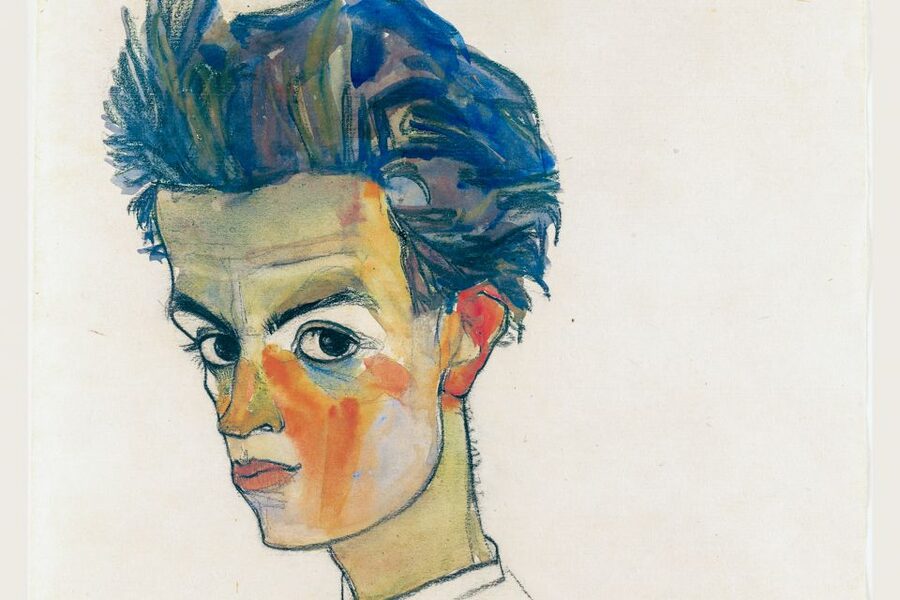
The Leopold Museum is best known for Egon Schiele, and this is where I would spend most of my time. The collection is described as the largest in the world, with about 130 paintings and letters. That scale matters because Schiele is easier to understand when you see more than one or two familiar images.
His work is not soft or decorative. Bodies twist, faces stare, and lines often feel nervous and exposed. Schiele’s figures can look fragile, defiant, or both at once. The directness is part of the power, but it also means that some works may be uncomfortable for visitors expecting pleasant Viennese prettiness.
Look closely at the drawings and letters as well as the paintings. They help show how Schiele worked and give a more personal sense of the artist behind the famous name. His career was brief, and the collection makes that short span feel especially concentrated.
Schiele and his wife died during the Spanish flu pandemic, a detail that gives his surviving work an added sense of urgency. You do not need this biographical fact to appreciate the art, but it helps explain why his career can feel like a sudden flare of talent that ended far too soon.
Allow at least an hour for the Schiele material if it is your main reason for coming. A quick pass through the galleries will show you the famous images, but a slower visit reveals repeated themes, changes in style, and the difference between a finished painting and a more immediate study.
Finding Klimt’s masterpieces and early work
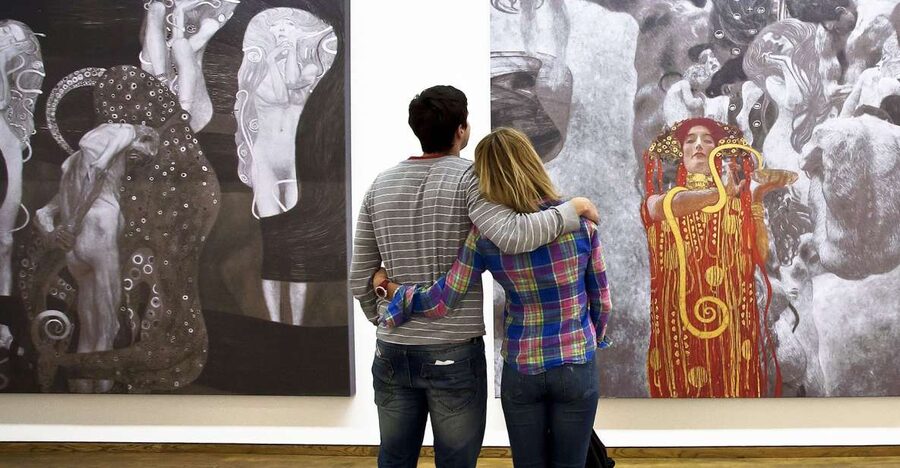
Gustav Klimt is the other major reason to visit. His work is more ornamental than Schiele’s, with patterned surfaces, rich details, and a strong connection to the Vienna Secession. The museum includes impressive Klimt paintings, including Life and Death, which is one of the works many visitors make a point of seeing.
Klimt’s art is often reduced to gold, romance, and familiar poster images. The Leopold gives you a wider view. Alongside celebrated pieces, you might find works that show his earlier development and the steps toward the style he became known for.
That wider context is valuable. You can compare Klimt’s decorative surfaces with Schiele’s sharper lines, then look at how both artists moved away from older traditions. They were not doing the same thing, but they were responding to the same restless period in Vienna.
If Klimt is your main target, check the current exhibition information before you go. The precise display can change, and one visitor specifically wished the museum did more to advertise which famous artists were represented. The museum has strong names, but you may want to confirm exactly what is on view on your date.
Seeing the Vienna Secession and Wiener Werkstätte
The paintings are the headline attraction, but the design collection fills out the story. The Leopold Museum holds objects connected with the Wiener Werkstätte, including work associated with Josef Hoffmann and Kolo Moser.
The Wiener Werkstätte treated everyday design as serious art. Furniture, decorative objects, textiles, and other pieces were planned with a unified visual language. This was not just about making pretty things. It was about changing the look of modern life.
For you, these displays provide a welcome change of pace after the intensity of Schiele’s figures. They also show that Vienna’s artistic break was not confined to canvases. The same period produced new ideas about interiors, objects, buildings, and the relationship between art and daily life.
The mix of media is one reason the museum works well for different interests. You can focus on painting, but you can also spend time with design and decorative arts. If someone in your group is less interested in Expressionist portraits, the Wiener Werkstätte material gives the visit another route through Vienna 1900.
A few more Vienna half-days to weigh up
- Vienna: Schönbrunn Palace & Gardens Skip-the-Line Tour
★ 4.7 · 7,739 reviews - Vienna: Skip-the-Line Schönbrunn Palace & Gardens Tour
★ 4.8 · 5,411 reviews - Vienna: Bus & Schönbrunn Palace Skip-the-Line Guided Tour
★ 4.3 · 2,802 reviews - Vienna: Skip-the-Line Entrance Ticket to the Danube Tower
★ 4.5 · 2,303 reviews
Making sense of the special exhibitions
Your ticket includes all special exhibitions as well as the permanent collections. This is a useful feature because the temporary shows change several times a year and may include valuable loans from institutions around the world.
The exact experience will depend on the exhibition running during your visit. One recent show focused on Vienna 1900 and was praised as a strong presentation of the period. Another visitor described the museum as a mixture of artists and media arranged in a particularly effective way.
I would check the museum’s current exhibition schedule before booking. If a temporary show matches your interests, the $22 ticket becomes more attractive. If you are visiting during a quieter period with no exhibition you particularly want to see, the permanent collection alone needs to justify the cost.
Because the temporary displays are included, you should not rush straight to Schiele and leave. Give yourself time to see what is on in the special exhibition rooms. A temporary show may offer a different angle on Klimt, Schiele, design, or the wider period.
The building, the atrium, and the city outside
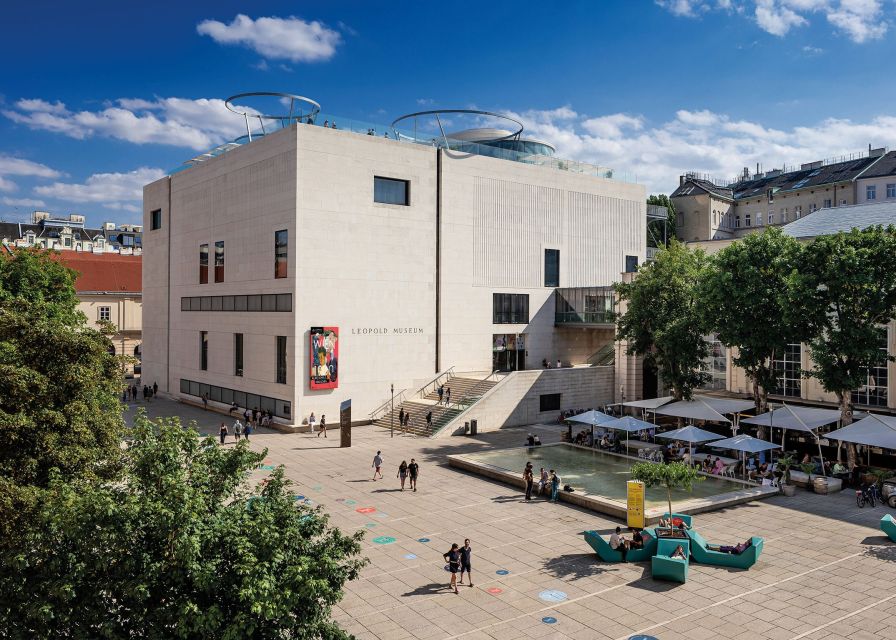
The Leopold Museum itself deserves attention. It is a bright cube faced in white shell limestone, a modern structure that recalls the pale buildings along Vienna’s Ringstrasse. Its clean lines contrast with the historic imperial stables around MuseumsQuartier.
The atrium is especially useful for a pause. It brings daylight into the building and gives you views through the museum rather than leaving you in a sequence of closed rooms. The panoramic windows look toward central Vienna, including Maria-Theresien-Platz and the Hofburg.
These views help connect the art to the city that produced it. You can look from Klimt and Schiele toward the grand imperial center and see the tension between old Vienna and the new artistic culture taking shape around it.
The building is also wheelchair accessible, which makes the museum easier to plan for visitors with mobility needs. The information provided does not specify every detail of accessible facilities, so you may want to confirm any particular requirement before arrival.
How long to allow and how to pace your visit
The ticket is valid for one day, rather than for a fixed short time slot. That gives you room to plan the museum around the rest of your Vienna sightseeing.
The museum is open from 10:00 AM to 6:00 PM daily except Tuesdays. In June, July, and August, it opens every day from 10:00 AM to 6:00 PM. It also opens from 10:00 AM to 6:00 PM on holidays.
A focused visit can cover the main Schiele and Klimt highlights in a couple of hours. If you want to see the design objects, temporary displays, letters, and architectural views without hurrying, plan a longer afternoon. The museum has five floors of mixed art, so the amount of time you need depends on how closely you look.
I would not treat this as a quick stop between major sights if Schiele matters to you. The collection rewards patience. On the other hand, you can make a shorter visit work if you choose only the artists and rooms that interest you most.
There is also Cafe Leopoldo for a light lunch or a break. Booking ahead is considered wise if you want to eat there, so do not count on walking in at the exact moment you feel hungry.
Is the $22 ticket good value?
At $22 per person, the ticket is reasonably priced for access to a major collection and all special exhibitions for one day. The value is strongest if you care about Schiele, Klimt, Vienna 1900, or the temporary show running during your visit.
It is also useful if you want to reserve ahead and keep your schedule flexible. You can cancel up to 24 hours in advance for a full refund, and the reserve-now, pay-later option lets you hold a place without paying immediately.
There is one important price warning. The online ticket may be the same price as buying at the door, and there may be no long line at the museum. If you are a senior, student, or part of a family, ask about reduced prices at the museum before committing to the standard online fare.
The skip-the-line wording should not be the only reason you buy. In some periods, the entrance may already be quiet. The practical benefit is often the convenience of having a phone voucher ready, not necessarily a dramatic saving of time.
Electronic entry has also varied in how it was described. Older instructions told visitors to print tickets, while the entrance has accepted a QR code on a phone. Keep the booking code accessible, but check the current instructions attached to your reservation.
What is not included
This is a self-guided admission ticket. No audio guide or guided tour is included, and food and drinks are separate.
That is good news if you like to set your own pace, stop for long periods, or skip rooms without following a group. It is less ideal if you want a detailed explanation of symbolism, artistic technique, or the political setting of Vienna 1900.
An audio guide has helped some visitors get more from the collection, but it is not part of this ticket. If you want that extra commentary, check directly with the museum about current availability and cost. Do not assume it comes with the online admission.
Who will enjoy this museum most?
I would recommend the Leopold Museum most strongly to:
- Anyone with a serious interest in Egon Schiele
- Visitors who want more than one Klimt masterpiece
- People curious about Vienna around 1900 and the Vienna Secession
- Design fans interested in Josef Hoffmann, Kolo Moser, and the Wiener Werkstätte
- Independent museumgoers who prefer exploring without a guide
- Repeat visitors who want to return for changing exhibitions
It may be less satisfying if you want a broad survey of all Austrian art across many centuries. The focus here is strongly tied to Vienna around 1900, with some modern art exhibitions and a mixture of media.
It is also not the best match for anyone expecting a guided interpretation or a highly social tour. You are buying access, not a hosted experience. That simplicity is either the point or the limitation, depending on your style.
My recommendation: book or buy at the door?
Book this ticket if Schiele is high on your Vienna list, if a current special exhibition appeals to you, or if you value the ability to cancel and pay later. The combination of Schiele, Klimt, design, and city views makes the Leopold one of Vienna’s most rewarding stops for early modern art.
Before paying online, compare the standard $22 price with any door rate available to you. Seniors, students, and families may do better at the museum, and a quiet day may offer little need for skip-the-line access.
For most other visitors, I would still allow time for the museum while in MuseumsQuartier. Go for the Schiele collection, stay for Klimt and the Wiener Werkstätte, and leave a little room for the windows and Cafe Leopoldo. You will get the most from the visit if you treat it as a study of a whole artistic moment, not just a hunt for famous paintings.
FAQ
Where is the Leopold Museum located?
The museum is in MuseumsQuartier Vienna, in Vienna State, Austria. It occupies a modern building set within the historic area of the former imperial stables.
What does the ticket include?
The ticket includes admission to the permanent collections and all special exhibitions at the Leopold Museum.
Is the Egon Schiele collection the largest in the world?
Yes. The museum presents the world’s largest Egon Schiele collection, including about 130 paintings and letters.
Are Gustav Klimt’s works included?
Yes. The collection includes impressive works by Gustav Klimt, including Life and Death, along with other art connected to Vienna around 1900.
How long is the ticket valid?
The ticket is valid for one day. Check availability when booking to see the available starting times.
What are the museum’s opening hours?
The museum is open from 10:00 AM to 6:00 PM daily except Tuesdays. In June, July, and August, it is open every day from 10:00 AM to 6:00 PM. It also lists holiday hours of 10:00 AM to 6:00 PM.
Is the Leopold Museum wheelchair accessible?
Yes. The experience is listed as wheelchair accessible.
Is an audio guide included?
No. The ticket does not include an audio guide or a guided tour.
Can I cancel the booking?
Yes. You can cancel up to 24 hours in advance for a full refund. A reserve-now, pay-later option is also available.
Recently added around Vienna
- Vienna: Private tour Mauthausen and Linz★ 4.1 · 3 reviews
- 2-Day Prague Tour from Vienna with private Transfers and Lunches★ 5.0 · 3 reviews
- Vienna Self Guided Sherlock Holmes Murder Mystery Game★ 4.5 · 3 reviews
- Vienna Private Schönbrunn Palace Tour, Extra Rooms and Gardens★ 5.0 · 3 reviews
- Salzburg and Lake Region Private Day Trip from Vienna★ 5.0 · 3 reviews
- Small-group Vienna Wine Tour★ 5.0 · 3 reviews
- True Crime mobile puzzle rally Vienna★ 4.0 · 3 reviews
- Exploring the Gutenstein Alps★ 5.0 · 3 reviews
Vienna Tours, compared.
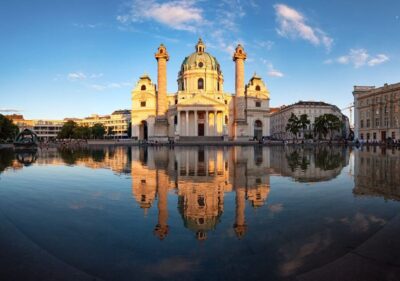
Vivaldi’s Four Seasons Concert in Karlskirche
Read our review →
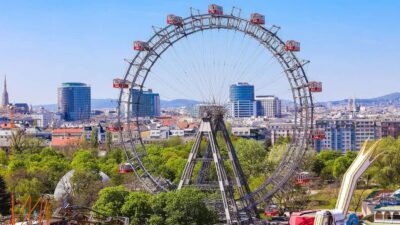
Skip-the-cashier-desk-line Giant Ferris Wheel Ride
Read our review →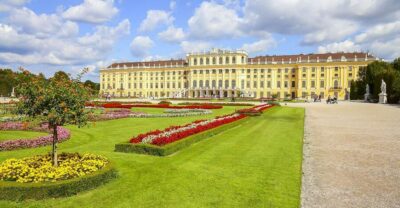
Schönbrunn Palace & Gardens Skip-the-Line Tour
Read our review →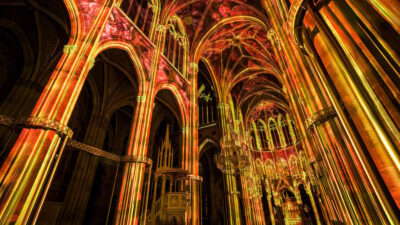
Light of Creation Votive Church Immersive Light Show
Read our review →
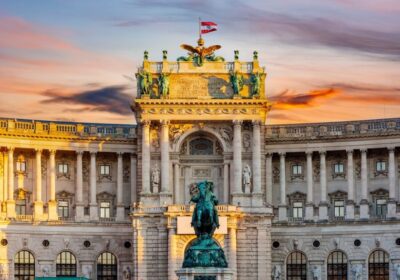
Skip-the-Line Sisi Museum, Hofburg and Gardens Tour
Read our review →
Hallstatt & Alpine Peaks Day Trip with Skywalk Lift
Read our review →Browse the lists this tour appears in