
Reviewed · VIENNA TOURS
Vienna: Jewish Museum Vienna and Museum Judenplatz Tickets
Vienna’s Jewish Museum does something important: it makes Jewish life part of the city’s main story, not a footnote to it. You move from medieval Vienna through the Holocaust and into the rebuilding of a modern community, then see the remains of a medieval synagogue at Museum Judenplatz. The two-site ticket gives the visit a useful sense of shape.
I like the clear link between objects and their original homes, including synagogues and private collections. I also like the frank but restrained treatment of persecution and loss. The main drawback is that some displays ask you to read a lot, and one visitor found the presentation a little like reading a book. Bring time, and use the audio guide if you want more help.
Key points to know before you go
- Two museums in central Vienna: Visit the Dorotheergasse museum near St. Stephen’s Cathedral, then continue to Museum Judenplatz.
- A story that reaches beyond the Holocaust: The displays cover Jewish religion, traditions, medieval life, postwar Vienna, and the present day.
- The medieval synagogue site: See archaeological remains and a 3D reconstruction that helps explain what once occupied Judenplatz.
- Temporary exhibitions change the visit: Both locations host special exhibitions and events, so the exact experience can vary.
- English and German audio guides: Use the included guide to add context to displays that can otherwise feel text heavy.
- Good value at $17: One ticket covers both sites, and each can be visited in a morning if you keep a steady pace.
Start at the Dorotheergasse palace
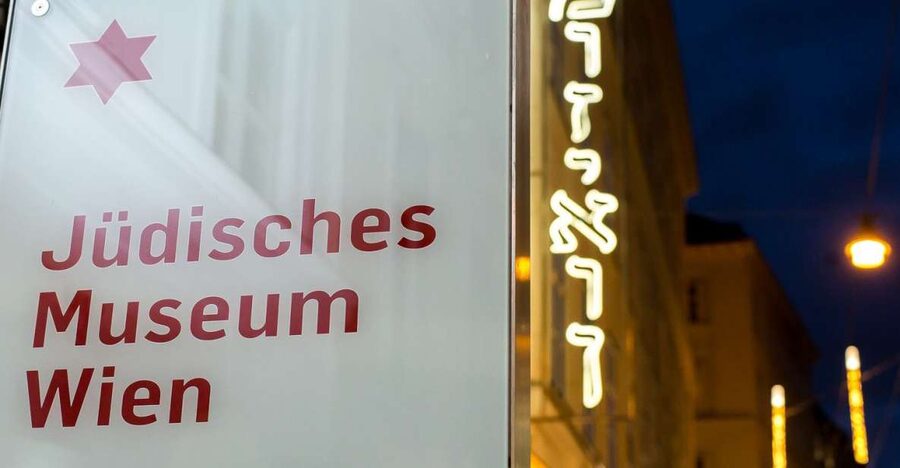
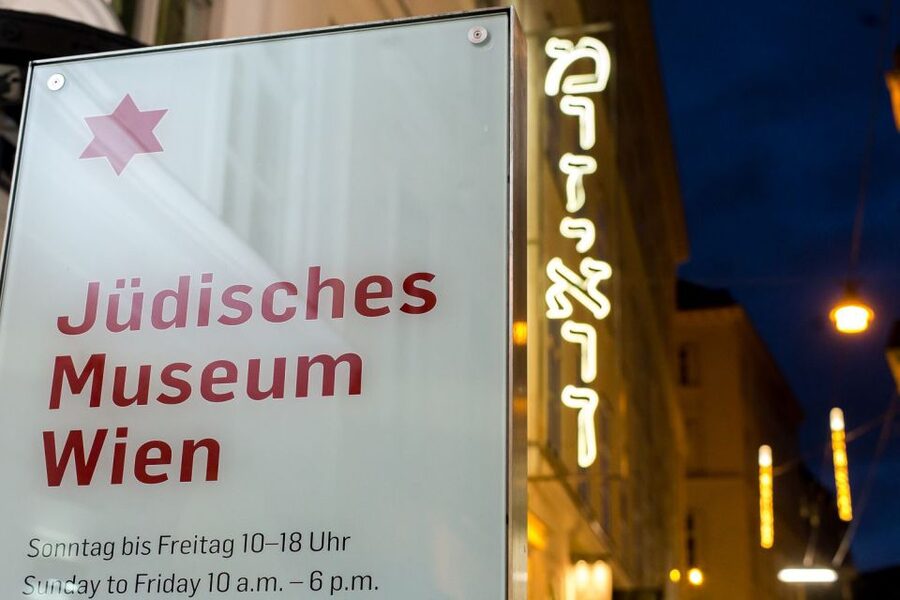
Begin at the Jewish Museum Vienna on Dorotheergasse 11, in a former palace close to St. Stephen’s Cathedral. Its setting matters. You are not entering a modern building separated from the city around it. You are stepping into central Vienna, where Jewish life developed, suffered, disappeared in large part, and later returned.
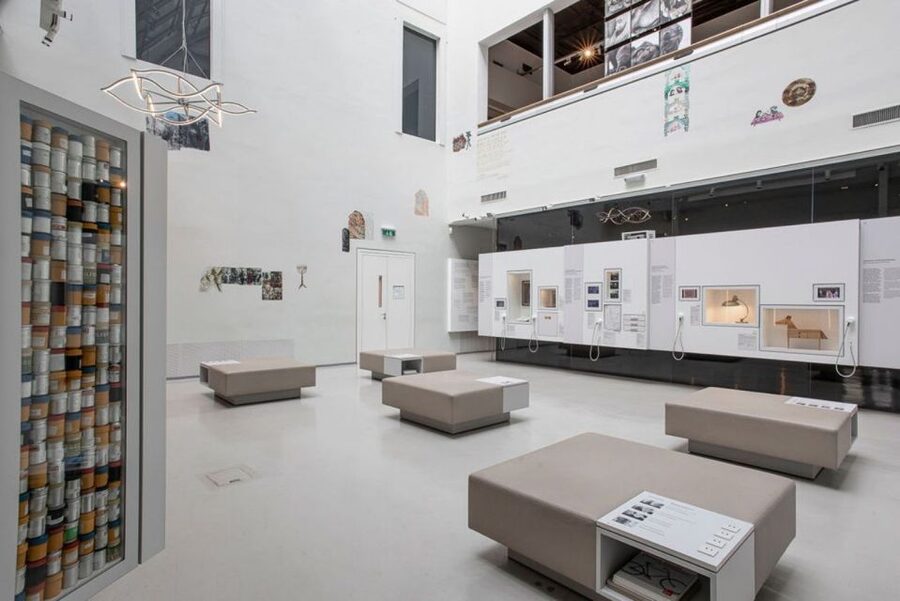
The main house carries the larger share of the story. Its permanent exhibition, Our City! Jewish Vienna, Then to Now, is arranged in a way that may surprise you. The ground floor begins with Jewish Vienna from 1945 to the present. Only after seeing the postwar period do you move upstairs into the story from the Middle Ages through the Holocaust.
I find that order useful. It prevents the Holocaust from becoming the final word on Jewish Vienna. You first see a community rebuilding after near destruction, then look back at the centuries of life, work, faith, conflict, and discrimination that came before.
The postwar section shows how a nearly destroyed community developed into a smaller but varied Jewish community. It also addresses the resistance of Austrian postwar policies. This is not a simple story of return and recovery. You get a sense of how difficult it was to rebuild institutions and daily life after the war.
More Museums in Vienna:
- Vienna: Skip-the-Line Sisi Museum, Hofburg and Gardens Tour
★ 4.8 · 5,918 reviews - Vienna Kunsthistorisches Museum Day Admission Ticket
★ 4.6 · 3,690 reviews - Tickets for the Albertina Exhibitions
★ 4.7 · 2,126 reviews
See Jewish Vienna before and after 1945
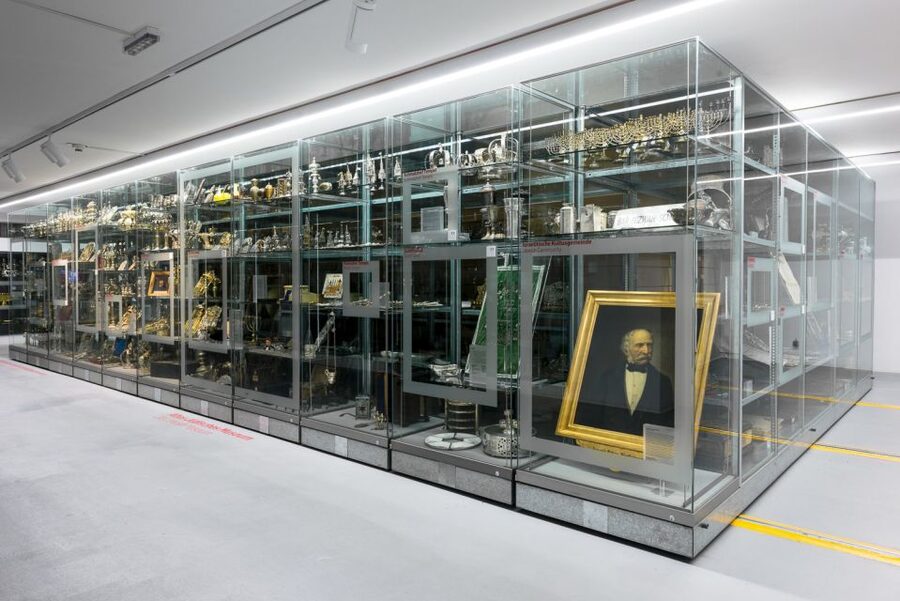
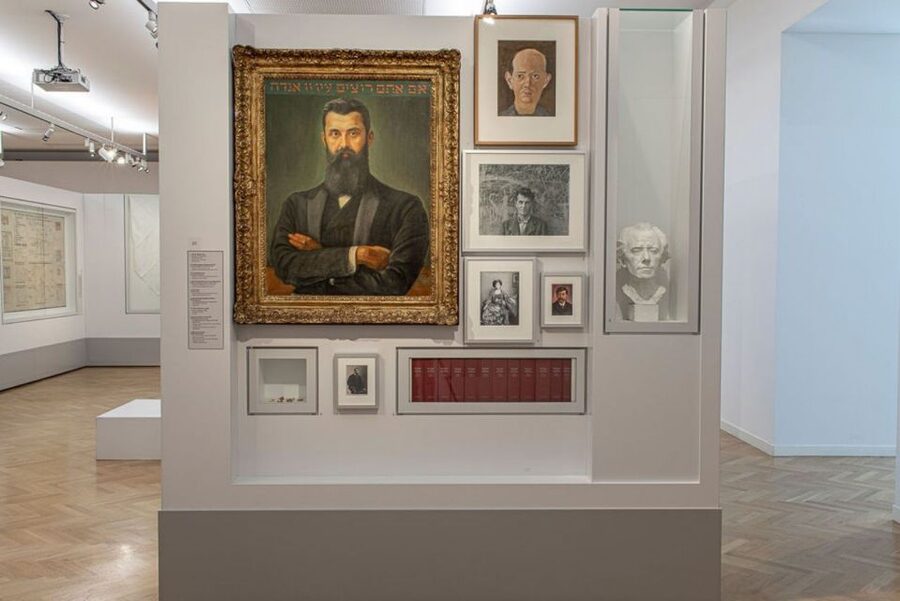
Once you reach the second floor, the timeline moves back to the Middle Ages and continues toward the Holocaust. The museum uses objects, documents, and displays to place Jewish life within the wider history of Austria.
This is where the museum is strongest for anyone who knows Vienna mainly through palaces, composers, and imperial grandeur. Jewish residents were not outside the city’s story. Their homes, religious buildings, work, customs, and collections were woven into it, even as laws and public attitudes repeatedly placed limits on their lives.
The exhibition also explains Jewish religion and traditions in Austria. You are not asked to treat Jewish history only as a record of suffering. The objects help show ordinary religious and cultural life, as well as the pressures that shaped it.
The museum identifies the places where objects came from. Some are connected to synagogues, while others came from collectors such as Max Berger and Martin Schlaff. That detail gives the collection a physical anchor. You can think about where an object was used, who preserved it, and how it reached the museum.
The presentation is serious without being morbid. You will encounter persecution and loss directly, but the displays also show the work Jewish people did to maintain a life and community through repeated challenges. That balance is one of the best reasons to include this museum in a Vienna visit.
Let the audio guide slow the pace
English and German audio guides are included. I would use one, especially if this is your first visit to a Jewish museum or if you want more than the basic labels.
The museum includes a lot of written information. That is valuable, but it can make the visit feel academic if you try to read every panel. The audio guide gives you another way into the material and adds perspectives to the objects.
You do not need to treat the museum like an exam. Pick the sections that speak to you, listen to the guide where the subject feels unfamiliar, and leave room to look quietly at the objects. A steady visit is likely to be more rewarding than rushing through every line.
Some feedback refers to guides named Miki, Wolfgang, and Victoria, with special praise for their explanations and historical context. The listed ticket includes an audio guide rather than promising a live guide, so do not assume one of those individuals will be leading your visit. If your booking includes a separate guided element, the names suggest the spoken explanations can add a personal and thoughtful layer.
Continue to Museum Judenplatz
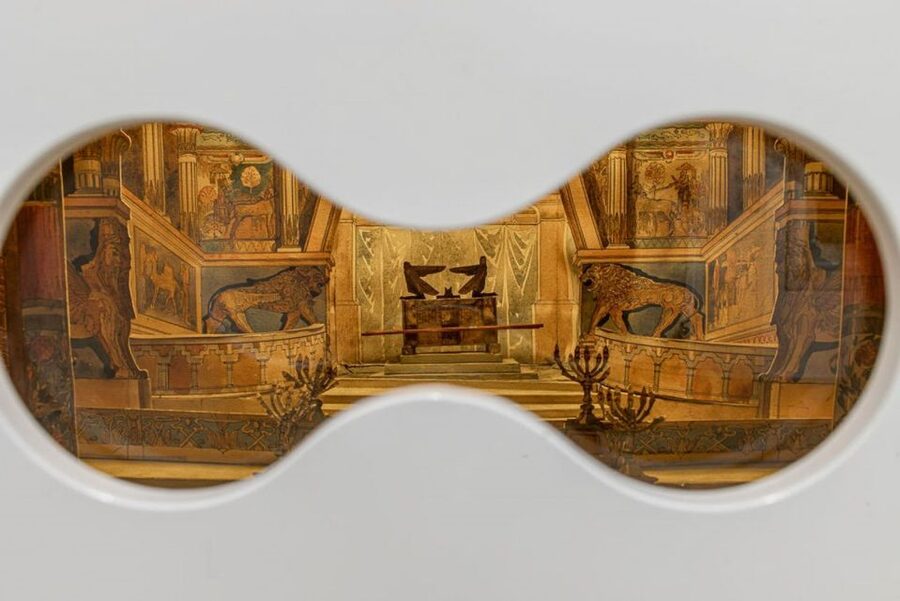
Museum Judenplatz is at Judenplatz 8, also in Vienna’s first district. This second site is smaller in focus and more archaeological in character. It presents the foundations of a medieval synagogue, along with a 3D reconstruction that helps you picture the building above the remains.
The physical remains are the point here. At the Dorotheergasse museum, you work through a long historical arc. At Judenplatz, the story becomes more local and concrete. You are looking at the traces of a specific medieval Jewish community in the place where its synagogue once stood.
That change in scale is helpful. After broad displays about Vienna and Austria, the foundations give you one location to think about. The 3D reconstruction bridges the gap between stones and a living building. It cannot recreate medieval life in full, but it gives you a better sense of the synagogue’s form and importance.
Plan to visit both sites rather than treating Judenplatz as an optional extra. The ticket covers both, and the second museum completes the first. One explains the wider story, while the other grounds part of that story in the city itself.
A few more Vienna half-days to weigh up
- Vienna: Vivaldi’s Four Seasons Concert in Karlskirche
★ 4.7 · 14,951 reviews - Vienna: Spanish Riding School Training
★ 3.9 · 9,281 reviews - Vienna: Skip-the-cashier-desk-line Giant Ferris Wheel Ride
★ 4.5 · 7,859 reviews - Vienna: Schönbrunn Palace & Gardens Skip-the-Line Tour
★ 4.7 · 7,739 reviews
A compact morning, if you plan well
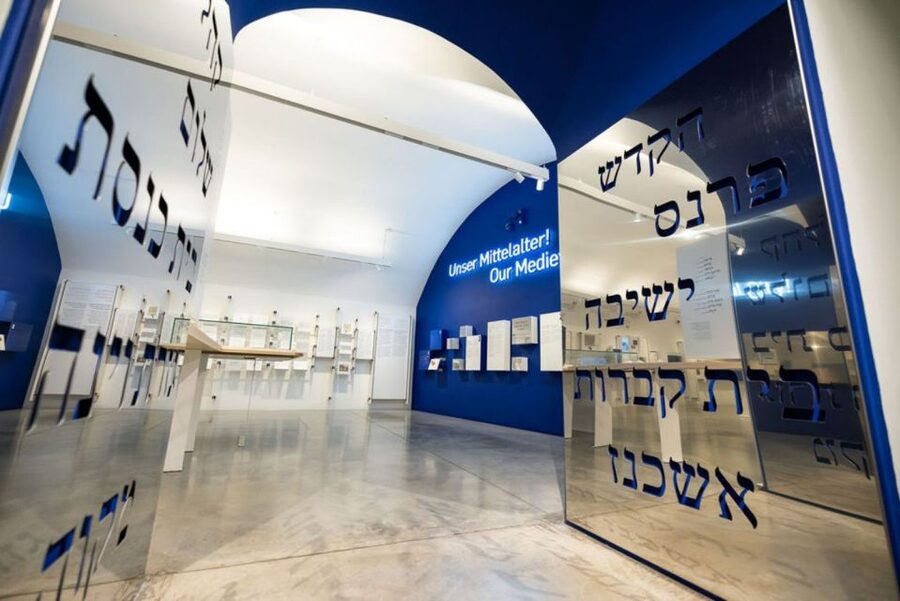
Both museums can be visited in a morning, according to the practical experience described for the activity. That does not mean you should race. It means the pair fits neatly into a half-day plan, leaving time for St. Stephen’s Cathedral, nearby streets, lunch, or another central Vienna sight.
I would allow enough time at Dorotheergasse to follow the permanent exhibition without hurrying. Then move to Judenplatz for the medieval synagogue remains and reconstruction. The museums are both in central Vienna, and the meeting points are clearly listed as Dorotheergasse 11 and Judenplatz 8.
The ticket information says it is valid for three days from first activation. The included section also describes the tickets as valid for four days from the date of issue. Because those statements do not match, check the exact validity shown at booking before planning a return visit. If you visit both museums in one morning, the discrepancy will not affect your schedule.
The museums have places to sit, which helps during a reading-heavy visit. They are also wheelchair accessible. These are small practical details, but they make it easier to spend the time the exhibitions deserve.
Temporary exhibitions add a second layer
Alongside the permanent displays, both locations host temporary exhibitions and events. These can focus on different parts of Jewish history, culture, religion, or memory, so the visit is not fixed entirely by the permanent route.
I would check what is on during your dates if special exhibitions matter to you. A temporary show may change how long you need at each museum and may give you a more focused subject than the broad permanent exhibition.
The permanent displays provide the framework. Temporary exhibitions can then add a closer look at one theme or period. That mix is useful for repeat visits, but first-time visitors should still find plenty to see even if no temporary show catches their interest.
What the $17 ticket delivers
At $17 per person, the value is strong if you visit both locations. You are not paying for one small display. You get access to the main museum, the Museum Judenplatz site, permanent exhibitions, and whatever temporary exhibitions are available during your visit.
The value also comes from the connection between the two locations. A single museum might leave you with a general impression of Jewish history in Vienna. Two linked sites let you move between objects and place, broad chronology and specific archaeology.
The ticket does not promise a private tour or a live guide. Its listed extra is an English or German audio guide. That keeps the cost reasonable, but visitors who want a highly personal, story-led experience should check the exact booking type carefully. Names such as Miki, Wolfgang, and Victoria appear in accounts of guided experiences, but a standard museum ticket should be approached as a self-guided visit.
Free cancellation up to 24 hours before the activity and the option to reserve now and pay later make the ticket easier to fit into a changing Vienna plan. Those booking terms matter most if your schedule is still moving. They do not change the museum content, but they reduce the risk of committing too early.
The honest drawback: reading can take over
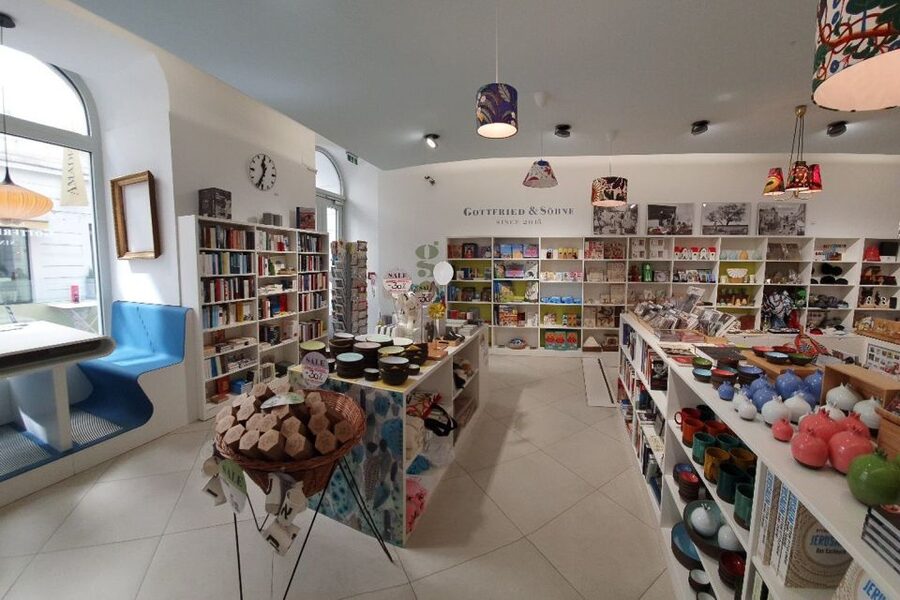
The main weakness is presentation style. A visitor looking for a fast, highly visual attraction may find parts of the museum slow. There is substantial written material, and some sections feel closer to a book than a theatrical museum display.
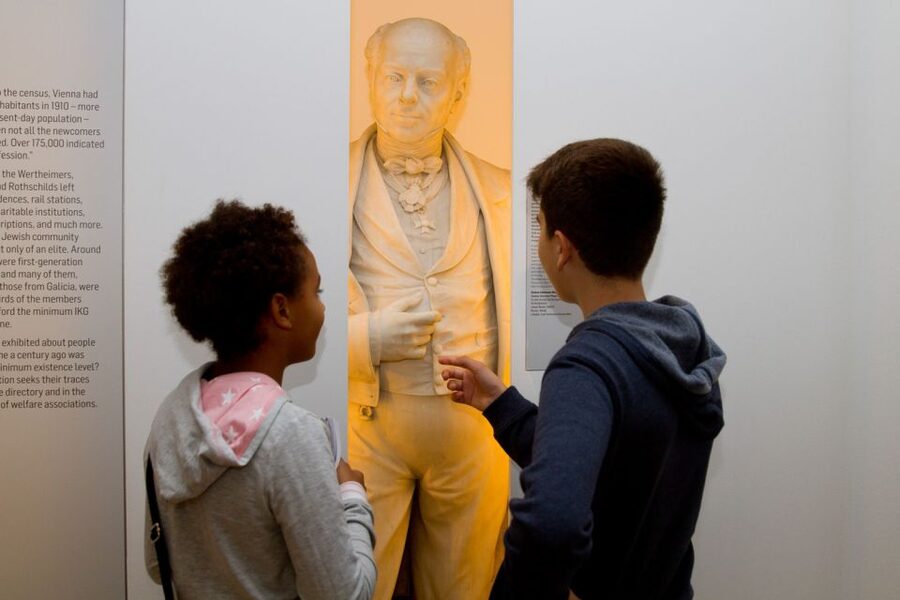
I would not call that a reason to skip it. I would call it a reason to set expectations. The museum rewards attention, and the audio guide can help break up long passages. If you are visiting with children or teenagers, use the objects, reconstruction, and location as conversation points rather than expecting them to read every panel.
The subject also demands a respectful pace. The material about discrimination, destruction, and the Holocaust is direct. The museum avoids turning suffering into spectacle, but it does ask you to think. That may be exactly what you want, though it is not a light entertainment stop between cafés.
Who should book this experience?
I would recommend this ticket to you if you want a fuller view of Vienna than imperial buildings and classical music can provide. It suits visitors interested in Jewish history, Austrian history, religion, architecture, museums, and the way cities remember difficult parts of their past.
It also works well for families with older children and teenagers. The material is considered suitable for children, teens, and adults, but younger visitors may need help with the reading and historical context.
You should also book it if you value an independent visit. You can use the audio guide, choose your own pace, sit when needed, and split the two museums across the ticket’s validity period, subject to confirming the exact dates. If you prefer a lively guide telling stories throughout, verify that your selected option includes a live guide, since the standard information lists audio guidance.
FAQ
What does the ticket include?
The ticket includes admission to both the Jewish Museum Vienna on Dorotheergasse and Museum Judenplatz. It also includes access to the permanent exhibitions and the temporary exhibitions available at the two locations during your visit.
Where are the two museums?
The Jewish Museum Vienna is at Dorotheergasse 11, 1010 Vienna, near St. Stephen’s Cathedral. Museum Judenplatz is at Judenplatz 8, 1010 Vienna.
Is an audio guide included?
Yes. An audio guide is included in English and German.
How long can I use the ticket?
The activity information says the ticket is valid for three days from first activation. The included section also gives a four-day validity from the date of issue, so check the exact validity stated when you book.
Can I visit both museums in one morning?
Yes. Both museums can be visited in a morning, although you should allow extra time if you read most of the display text or spend time with temporary exhibitions.
Is the experience wheelchair accessible?
Yes. The activity is listed as wheelchair accessible.
Should you book it?
Book this for a thoughtful, well-priced account of Jewish Vienna that reaches from medieval synagogue life to the postwar community. The combination of the Dorotheergasse collections and the Judenplatz foundations is the real strength, and $17 is fair for both sites.
Skip it only if you want a quick, highly visual attraction with little reading. If you can give the subject a quiet morning, use the audio guide, and visit both locations, this ticket adds an essential and often missing part of Vienna’s story.
Recently added around Vienna
- Vienna: Private tour Mauthausen and Linz★ 4.1 · 3 reviews
- 2-Day Prague Tour from Vienna with private Transfers and Lunches★ 5.0 · 3 reviews
- Vienna Self Guided Sherlock Holmes Murder Mystery Game★ 4.5 · 3 reviews
- Vienna Private Schönbrunn Palace Tour, Extra Rooms and Gardens★ 5.0 · 3 reviews
- Salzburg and Lake Region Private Day Trip from Vienna★ 5.0 · 3 reviews
- Small-group Vienna Wine Tour★ 5.0 · 3 reviews
- True Crime mobile puzzle rally Vienna★ 4.0 · 3 reviews
- Vienna: Wachau Valley Private Kayak and Wine Tour★ 5.0 · 3 reviews
Vienna Tours, compared.
Vivaldi’s Four Seasons Concert in Karlskirche
Read our review →
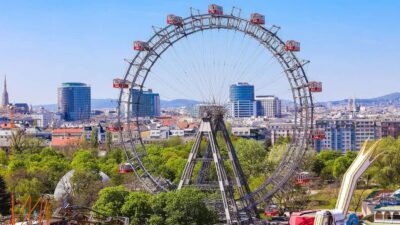
Skip-the-cashier-desk-line Giant Ferris Wheel Ride
Read our review →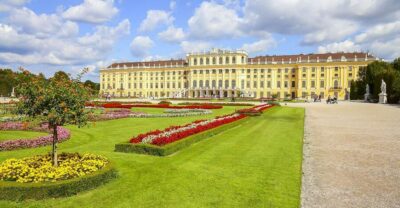
Schönbrunn Palace & Gardens Skip-the-Line Tour
Read our review →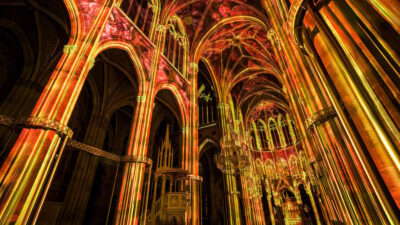
Light of Creation Votive Church Immersive Light Show
Read our review →
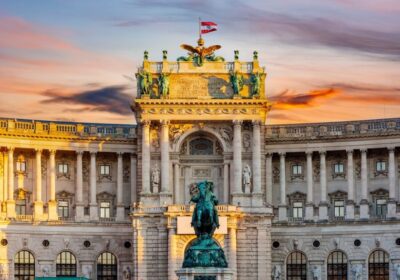
Skip-the-Line Sisi Museum, Hofburg and Gardens Tour
Read our review →
Hallstatt & Alpine Peaks Day Trip with Skywalk Lift
Read our review →Browse the lists this tour appears in