
Reviewed · VIENNA TOURS
MAK – Museum of Applied Arts, Vienna, Ticket
The most interesting thing about the MAK is its wide reach. Inside one grand Ringstraße building, you move from medieval craft to modern design, fashion, architecture, and the cultural upheaval of Vienna around 1900. The museum is as much about ideas and objects as it is about paintings.
I like the ticket’s access to both permanent and temporary exhibitions, since you are not limited to one small collection. I also like the free digital guide and the building itself, which can be worth the visit even when a few displays do not connect with you. The main drawback is that the museum may feel uneven, and the skip-the-line benefit is not always essential on a quiet day.
Key points to know
- Five centuries of applied art: See furniture, design, fashion, architecture, and other objects from the Middle Ages to the present.
- Vienna 1900 gets special attention: The collection helps explain the city’s cultural revolution and its move toward modern design.
- Klimt works are on permanent display: These are a major reason for many art lovers to make time for the MAK.
- Your ticket covers more than one gallery: Permanent collections and temporary exhibitions are included.
- Plan for one to two hours: That is enough for a useful visit, though the building and special shows can keep you longer.
- Children under 19 enter free: The ticket also includes a cloakroom, Wi-Fi, and a free digital MAK Guide.
Why the MAK feels different from a standard art museum
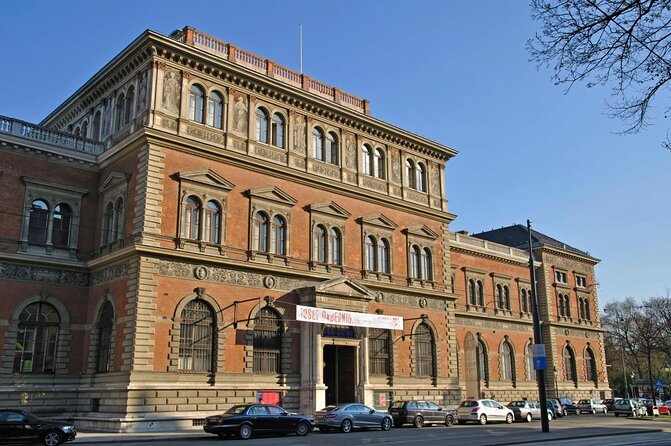
The MAK, or Museum of Applied Arts, is not built around one painter, one period, or one type of object. Its subject is human-made design: the way people shape useful things, beautiful things, and sometimes both at once.
That gives the museum a broad personality. You may be looking at a finely made object from centuries ago, then considering a modern piece of furniture or a display connected to fashion and architecture. The leap between eras is part of the point. The MAK asks you to notice how materials, forms, and daily life change over time.
I find that especially useful in Vienna, where grand palaces and famous paintings can dominate a sightseeing plan. The MAK offers a different view of the city. Instead of only admiring imperial rooms or works made for churches and courts, you get a sense of how design shaped modern life.
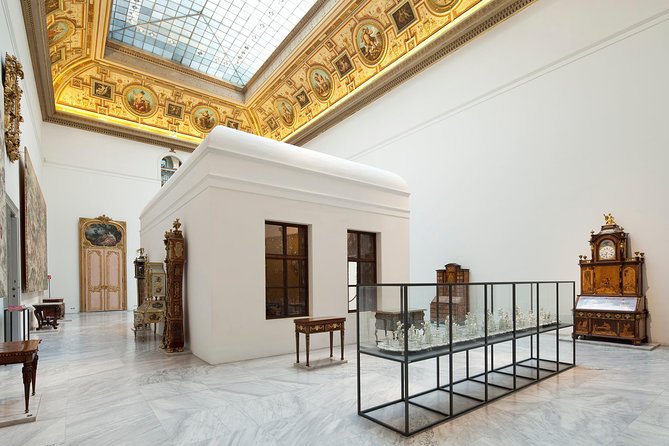
The museum’s spacious rooms were designed by contemporary artists. That matters because the displays are not simply neutral boxes for old objects. The setting itself takes part in the experience, and the contrast between historic pieces and modern presentation can sharpen your attention.
Do not expect every room to have the same impact. One part may catch your eye at once, while another may feel dry or less convincing. This is a museum for curious browsing rather than a tightly plotted march from masterpiece to masterpiece.
More Museums in Vienna:
- Vienna: Skip-the-Line Sisi Museum, Hofburg and Gardens Tour
★ 4.8 · 5,918 reviews - Vienna Kunsthistorisches Museum Day Admission Ticket
★ 4.6 · 3,690 reviews - Tickets for the Albertina Exhibitions
★ 4.7 · 2,126 reviews
The Ringstraße building is part of the visit
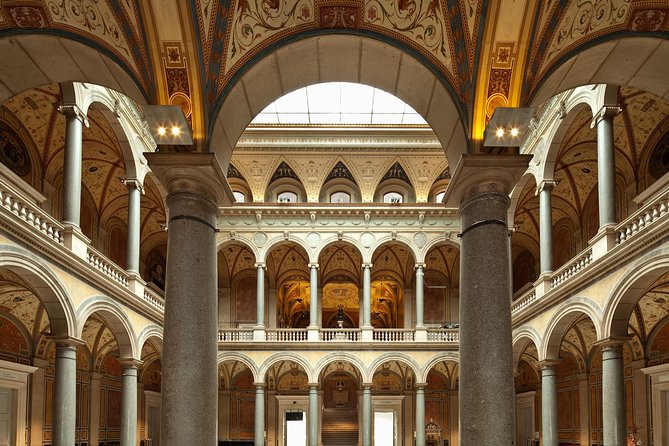
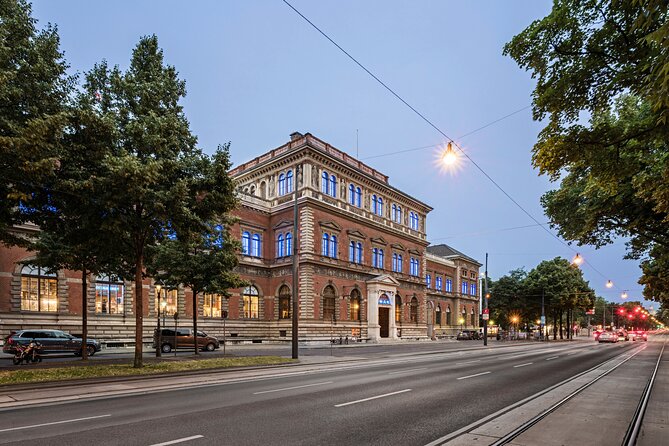
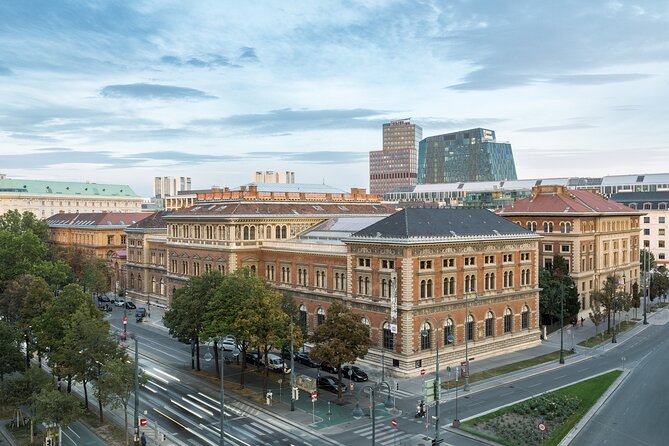
The MAK occupies a magnificent building on Vienna’s Ringstraße, one of the city’s grand ceremonial avenues. Even before you focus on the collection, give yourself time to look at the architecture and interiors.
One strong point is the sense of space. The rooms allow objects to breathe, and the building gives the visit a formal setting without making the experience feel cramped. A positive museum visit here is not only about the items in display cases. It is also about the relationship between the objects, the rooms, and the changing design language around them.
The building’s appeal came through clearly in the available comments. One person felt that the structure alone justified the visit. Another appreciated the way the museum’s furniture from around 1900 and the 1920s and 1930s showed how modern those designs still appear.
That is a useful way to approach the MAK. Look for the unexpected age of ideas. Some pieces made decades ago may seem surprisingly current, while others reveal how much everyday taste has changed.
The museum is near public transportation, so it fits easily into a central Vienna sightseeing day. The ticket information does not provide a detailed route from a particular station, so check your own map before leaving. You will not need a private transfer, and hotel pickup and drop-off are not part of the experience.
Five centuries of objects, from medieval work to modern design
The permanent collection covers five centuries. That span is both the museum’s strength and its challenge.
You are not getting a narrow specialist collection. Instead, you can encounter rare artwork and designed objects from the Middle Ages through today, with shifts in style, use, and material along the way. The value comes from comparison. A medieval object and a modern design piece may have little in common at first glance, but both show what a society valued and how skilled makers worked.
The MAK’s focus on applied arts also changes the questions you ask. Instead of only wondering who made something or when it was painted, you may consider how it was used, what it was made from, and how its form served a purpose.
For art lovers, this wider scope can be refreshing. If you prefer a museum with a single, clear story, the variety may feel scattered. One available rating described some exhibits as interesting and others as disappointing, which is a fair warning. The collection is not likely to land equally well in every room.
I suggest allowing yourself permission to move at different speeds. Spend longer with the objects that reveal something about Vienna’s design culture, then continue without guilt when a section does not speak to you. A one to two hour visit gives you enough time for a selective look at the main displays.
Vienna 1900 and the move toward modern design
The MAK is especially useful for understanding Vienna’s cultural revolution around 1900. This period matters because Vienna was changing its ideas about art, interiors, furniture, and the relationship between beauty and daily life.
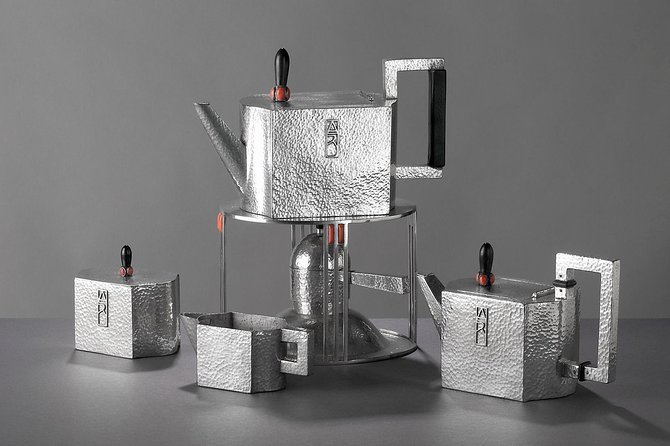
The museum’s design collections give that shift a practical side. You are not only studying famous names or grand theories. You can see how new thinking appeared in objects, rooms, furnishings, and decorative forms.
The furniture from around 1900 through the 1930s is a strong point for anyone interested in modern design. The pieces can make the past feel less distant. Their shapes and solutions may still look fresh, which helps explain why this period remains important.
The MAK is also a good stop if you have already seen several traditional museums in Vienna and want a change of pace. One comment described it as a very different museum experience. That difference is genuine: you may spend as much time thinking about design and function as you do about artistic technique.
Still, the Vienna 1900 displays should not be mistaken for a complete survey of the era. The information provided here does not specify every artist or object included, and temporary exhibitions change. Check the current program if one particular theme is important to your plans.
A few more Vienna half-days to weigh up
- Vienna: Vivaldi’s Four Seasons Concert in Karlskirche
★ 4.7 · 14,951 reviews - Vienna: Spanish Riding School Training
★ 3.9 · 9,281 reviews - Vienna: Skip-the-cashier-desk-line Giant Ferris Wheel Ride
★ 4.5 · 7,859 reviews - Vienna: Schönbrunn Palace & Gardens Skip-the-Line Tour
★ 4.7 · 7,739 reviews
Klimt works add a familiar point of entry
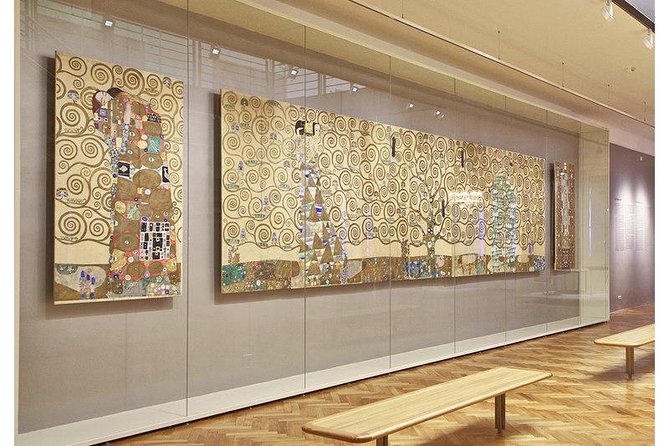
Klimt works are part of the permanent display, and they provide an accessible anchor for visitors who arrive with a strong interest in Vienna’s art around 1900.
If the broader collection feels unfamiliar, these pieces can give your visit a clear focus. You can start with the Klimt works, then look outward at the design culture that surrounded the period. That approach makes sense for first-time visitors who want something recognizable but are also willing to explore beyond the usual Vienna art stops.
The available feedback treated the Klimt works as well worth seeing. I would not build your entire museum day around them, since the MAK is much broader than a Klimt display. But they can be the reason you choose this museum, especially if you have already visited other major art museums and want another connection to Vienna 1900.
The listing does not identify individual works or guarantee a special Klimt exhibition beyond the permanent display. Plan around the collection as a whole rather than expecting a large, single-artist presentation.
Temporary exhibitions can change the value of your ticket
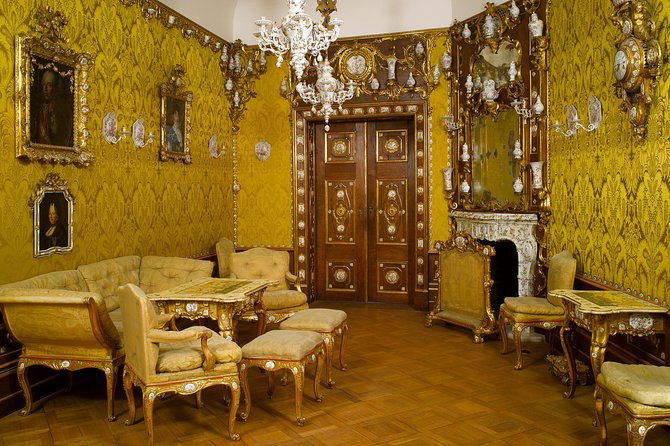
Your admission includes all temporary exhibitions as well as the permanent collections. That makes the ticket more useful than a basic entry to one fixed display, particularly if a current show matches your interests.
The temporary program covers art, design, fashion, and architecture. These subjects let the MAK respond to present-day questions, not just preserve older objects. A special exhibition may give you a tighter theme than the permanent collection, which can help if you prefer a clear narrative.
The tradeoff is that the experience changes over time. A strong temporary show can make the museum feel like a major stop, while a less appealing one may leave you relying more heavily on the permanent rooms. Since the specific exhibitions are not listed here, check the MAK’s current schedule before booking if that is a deciding factor.
I like that you can make the ticket work in different ways. You can focus on the permanent collection, add a temporary show, or let the day’s exhibits decide your route. The museum is not a fixed product in quite the same way as a monument or historic room.
How long should you spend inside?
The estimated visit lasts one to two hours. That is a sensible first plan.
In one hour, you can get a useful taste of the building, the permanent collections, Vienna 1900, and the Klimt works. In two hours, you have more time to read, compare objects, and add a temporary exhibition without rushing.
The museum may reward a longer visit if the current special shows appeal to you. One person advised making plenty of time for the museum, while another found a couple of hours enjoyable. Both points can be true. The right length depends on whether you browse quickly or stop to study design details.
I would place the MAK in the middle of a day rather than treating it as a ten-minute add-on. Its location near public transportation makes it practical to combine with other central Vienna plans, but do not schedule it so tightly that you only have time to collect your ticket and hurry through the galleries.
A free cloakroom is included, which is helpful if you are carrying coats or bags. Free Wi-Fi is also available, and the free digital MAK Guide can add context as you move through the displays.
Is the $21.72 price good value?
At about $21.72 per person, the ticket is not a bargain-basement museum admission, but it can be fair value if you use its full range.
The strongest value comes from the combination of permanent collections and temporary exhibitions. You are paying for a broad museum visit rather than one small room, and the free digital guide gives you an easy way to add explanation without paying for a separate tour.
The price is less convincing if you only want to see one familiar Klimt work and leave. In that case, the visit may feel expensive compared with the time spent inside. The museum works best for someone who is genuinely interested in design, architecture, fashion, historic objects, or Vienna 1900.
Children and teens under 19 enter free, which can make the museum more appealing for families. Food and drinks are not included, though the museum has a restaurant. The restaurant received a very positive mention, but treat dining as a separate expense.
Skip-the-line access: useful, but not always necessary
The ticket includes skip-the-line entry. That can make arrival simple, especially when you want a guaranteed visit at a set point in your day.
There is an important practical limit: the museum may not be crowded. One April 25 visit was quiet enough that skip-the-line access was probably unnecessary, although it still made entry effortless. I would treat this feature as convenience insurance, not as proof that you will avoid a major queue.
Your tickets are held at the MAK for collection on the day. The details do not explain a digital entry process, so follow the collection instructions you receive at booking. Confirmation is provided at the time of booking.
The experience is offered in English, but no guide’s name is supplied, and this is not described as a guided tour with a named art historian. The free digital MAK Guide is the main included source of added information.
Who will enjoy the MAK most?
I would recommend this museum to:
- Art lovers who want more than paintings
- Visitors interested in furniture, fashion, architecture, and industrial or applied design
- People curious about Vienna around 1900
- Anyone who enjoys comparing old and new objects
- Families looking for a museum where under-19s enter free
- Repeat visitors who have already seen Vienna’s better-known art museums
You may enjoy it less if you want a single famous masterpiece at the center of the visit, a guided tour with a personal expert, or a display that feels equally strong from beginning to end.
The museum is accessible to most people, and service animals are allowed. It is near public transportation. The maximum group size is 15 people, though the ticket format does not make this a conventional group tour.
Opening hours and simple planning advice
The museum is open Tuesday through Sunday from 10:00 AM to 6:00 PM for the stated period from January 1, 2025, through December 31, 2026. It is closed on Mondays according to the supplied schedule, so check your Vienna dates carefully.
I would avoid arriving just before closing. Even a short visit benefits from enough time to see the building and choose a few rooms rather than racing through every display.
Because the museum can be quiet, you do not necessarily need to pay extra for skip-the-line access for crowd control. The feature still has value if your schedule is tight or you want the reassurance of an arranged entrance.
Free cancellation is available until 24 hours before the experience start time. Changes or cancellations inside that window are not accepted for a refund.
Should you book the MAK ticket?
Book it if you want to understand Vienna through its objects, interiors, and design rather than through paintings alone. The permanent collections, Vienna 1900 material, Klimt works, temporary exhibitions, digital guide, and grand building give you several good reasons to enter.
I would be more selective if your Vienna schedule is already packed with museums or if your only goal is a famous Klimt image. The collection varies in appeal, and skip-the-line entry may not save much time on a quiet day.
For most design-minded visitors, I would allow two hours and use the ticket as a thoughtful change from Vienna’s palace rooms and traditional galleries. It is not an automatic must-see for every first-time visitor, but it is a strong choice when you want a broader, more modern view of the city’s artistic life.
FAQ
How much does the MAK ticket cost?
The listed price is $21.72 per person.
What does the ticket include?
It includes admission to the permanent collections and all temporary exhibitions, plus a free digital MAK Guide, free cloakroom, free Wi-Fi, and skip-the-line entry.
Are children admitted free?
Yes. Children and teens under 19 receive free admission.
How long does a visit usually take?
The estimated duration is approximately one to two hours.
When is the MAK open?
For the stated period from January 1, 2025, through December 31, 2026, it is open Tuesday through Sunday from 10:00 AM to 6:00 PM.
Can I cancel the booking for a refund?
Yes. You can cancel up to 24 hours before the experience start time for a full refund. Cancellations or changes made less than 24 hours before the start time are not accepted.
Recently added around Vienna
- Vienna: Private tour Mauthausen and Linz★ 4.1 · 3 reviews
- 2-Day Prague Tour from Vienna with private Transfers and Lunches★ 5.0 · 3 reviews
- Vienna Self Guided Sherlock Holmes Murder Mystery Game★ 4.5 · 3 reviews
- Vienna Private Schönbrunn Palace Tour, Extra Rooms and Gardens★ 5.0 · 3 reviews
- Salzburg and Lake Region Private Day Trip from Vienna★ 5.0 · 3 reviews
- Small-group Vienna Wine Tour★ 5.0 · 3 reviews
- True Crime mobile puzzle rally Vienna★ 4.0 · 3 reviews
- Exploring the Gutenstein Alps★ 5.0 · 3 reviews
Vienna Tours, compared.

Vivaldi’s Four Seasons Concert in Karlskirche
Read our review →

Skip-the-cashier-desk-line Giant Ferris Wheel Ride
Read our review →
Schönbrunn Palace & Gardens Skip-the-Line Tour
Read our review →
Light of Creation Votive Church Immersive Light Show
Read our review →

Skip-the-Line Sisi Museum, Hofburg and Gardens Tour
Read our review →
Hallstatt & Alpine Peaks Day Trip with Skywalk Lift
Read our review →Browse the lists this tour appears in