
Reviewed · WACHAU VALLEY TOURS
Grape Grazing: Wachau Valley Winery Biking Tour
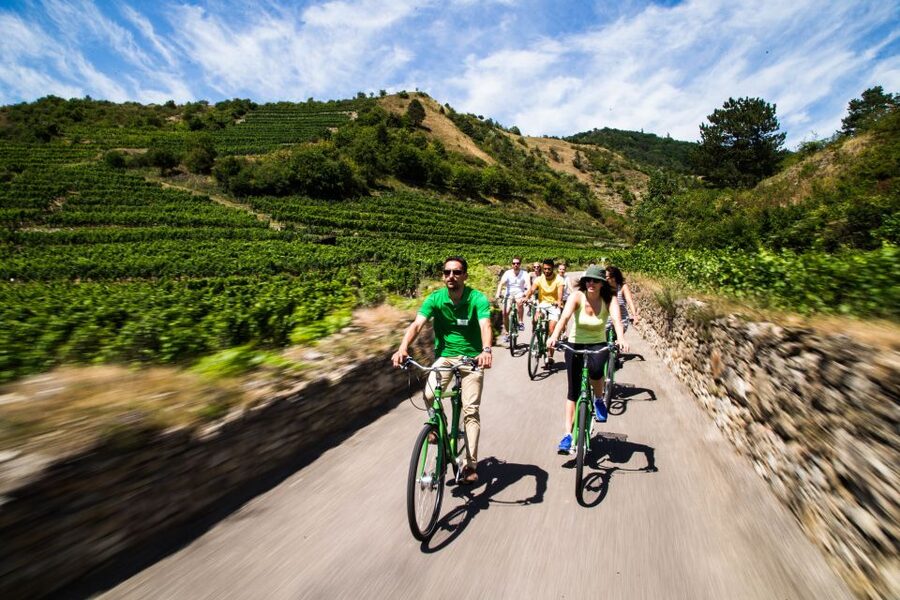
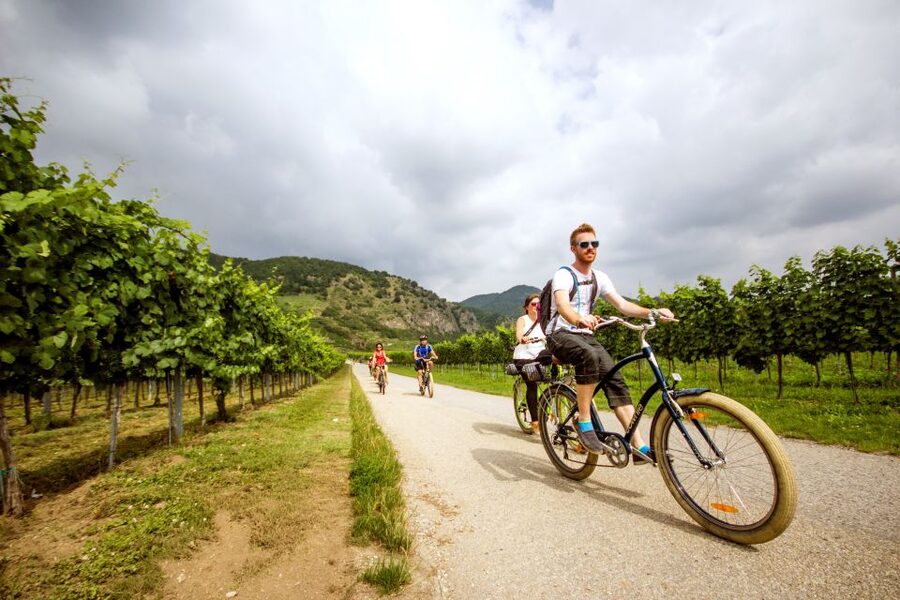
The best part of this day is the way biking links the Wachau’s vineyards, villages, and wine cellars. You are not sealed inside a coach. You move at country pace, stop often, and get a real feel for the Danube Valley. The two winery visits are a strong point, especially the small family producers and Domäne Wachau, where wine tasting comes with local stories rather than a quick pour-and-go routine.
I like the easy mix of cycling, Dürnstein, lunch, and wine. I also like that the guide handles the train, bikes, tastings, and route, which saves you the trouble of sorting out opening hours and transport on your own. The main consideration is the long 11-hour day and the group size, which can sometimes reach about 18 people. This is relaxed cycling, but you still need to manage a few small hills and changing weather.
Key points to know before booking
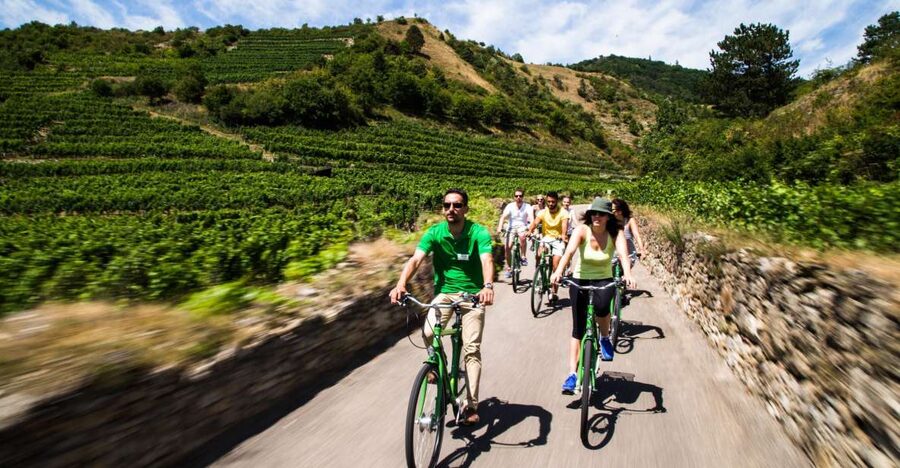
- About 25 kilometers of mostly easy cycling: You ride in sections, with no more than about 30 minutes between stops.
- Two different winery experiences: Expect small family-run cellars along with the well-known Domäne Wachau.
- Dürnstein is your main free-time choice: Walk its medieval lanes, eat lunch, or hike to the castle ruins tied to Richard the Lionheart.
- The train ride is part of the day: Travel from Vienna to Krems in about an hour, then return to Vienna by regional train.
- Lunch costs extra: The usual local restaurant option is €17 per person, cash only.
- This is not a hard bike tour: Standard bikes, helmets, and rain ponchos are provided, but electric bikes cost extra.
Why the Wachau works so well by bicycle
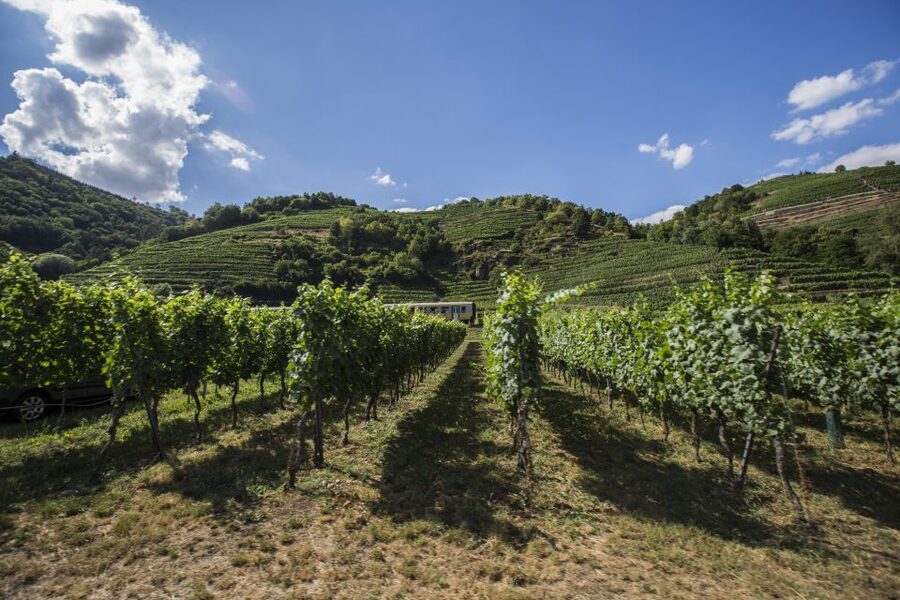
The Wachau Valley is one of Austria’s most rewarding day trips from Vienna. The Danube runs through steep hills covered with vines, while old villages and church towers sit close to the water. The region is famous for dry white wines, especially Grüner Veltliner and Riesling, though the tour can also include other local pours, apricot products, and liqueurs.
A bicycle gives you the right speed for this setting. You can look across the river, notice stone walls around the vineyards, and stop for a guide’s explanation without losing half the day to traffic. The route uses mostly bike paths, according to the tour details and cycling reports, so you are not spending the day battling city traffic.
The ride covers about 14 miles, or 25 kilometers. That sounds like a lot on paper, but it is spread across the day. The longest uninterrupted stretch is about 30 minutes, and wind direction can make that section easier or harder. There are a few modest hills, so you may sweat a little, but this is designed as a gentle day ride rather than an athletic challenge.
I would rate the cycling as suitable for most reasonably active adults and older children. If you rarely ride a bike, ask about an electric bike when booking. E-bikes are not included, and availability may matter.
More Wachau Valley days:
- Vienna: Wachau Valley, Melk Abbey Tour with Danube Boat Trip
★ 4.5 · 1,413 reviews - Wachau Valley Wine Tasting Bike Tour from Vienna
★ 5.0 · 829 reviews - Wachau Valley Small-Group Tour and Wine Tasting from Vienna
★ 5.0 · 540 reviews
Leaving Vienna for Krems
The day begins at the Vienna Explorer office, followed by a regional train ride of about an hour to Krems an der Donau. This is useful travel time rather than dead time. You can settle in, meet the group, and watch the city give way to the Austrian countryside.
The guide usually sets the tone early. Guides named in the supplied tour information include Tim, Nicolas or Niklas, Tomas, Miguel, Felipe, Sanja, Zana, Thomas, and Reegan, although the person leading your departure can vary. Their strengths are often tied to local wine, regional history, and keeping the group moving without making the day feel like a lecture.
Once you reach Krems, you collect your bike, helmet, and any needed rain poncho. The rental shop provides Wi-Fi and snacks, while hot and cold drinks are available for purchase. I would still bring a refillable water bottle and a small personal snack, since one account found the snack arrangement less clear than expected.
The first cycling section lasts about 45 minutes. It is a gentle introduction to the valley, with time to get comfortable on the bicycle and take in the river and vineyards. Your guide also begins explaining how the Wachau’s climate, slopes, and vineyard traditions shape the wines you will taste later.
Dürnstein brings history to the wine day
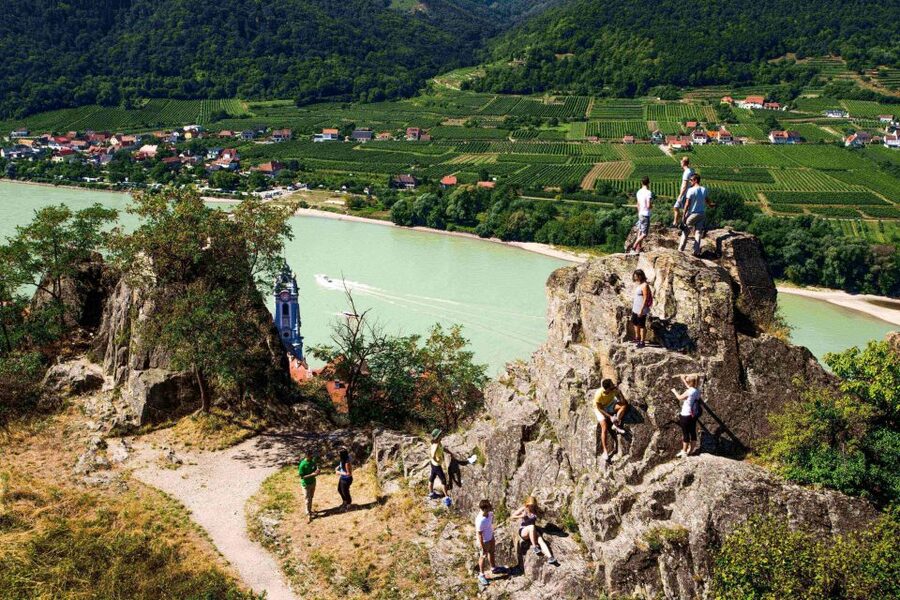
Dürnstein is the showpiece village of the excursion. Its medieval center, pale buildings, narrow lanes, and blue church tower make it easy to see why it is one of the Wachau’s best-known stops. This is also where the tour connects wine country with a famous medieval story.
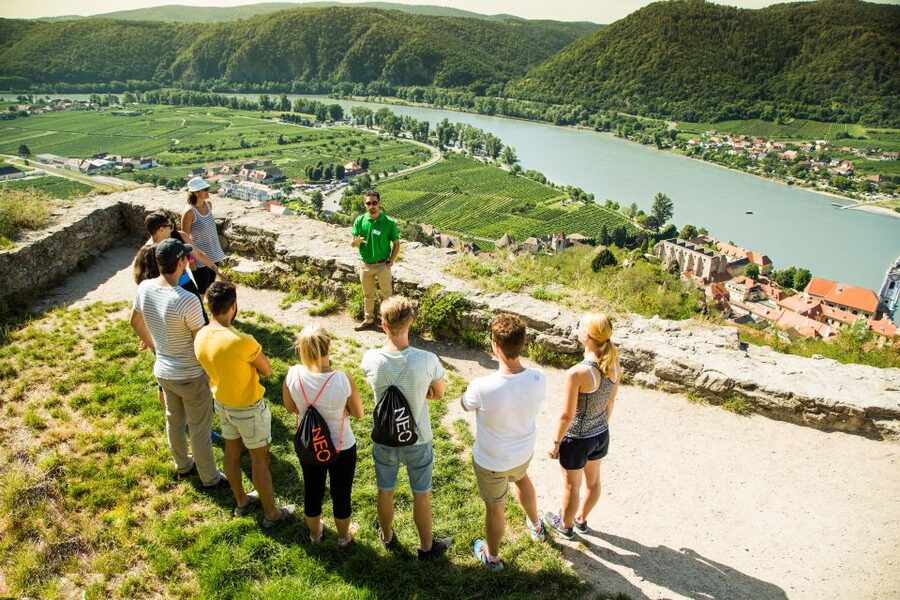
Richard the Lionheart, the English king, was imprisoned in the area after returning from the Crusades. The castle ruins above Dürnstein are linked to that story, and a short uphill walk gives you broad views over the Danube and surrounding vineyards.
You have about 45 minutes of free time in Dürnstein, though the exact use of that time can depend on the group and the day. You can walk through the village, browse for local products, take photographs, or begin the hike toward the ruins. The hike is optional, but I would choose it if your legs and schedule allow. Several tour accounts single out the view as one of the day’s best rewards.
The path to the castle is uphill and uneven. Comfortable shoes matter here. It is not a mountain trek, but sandals or smooth city shoes will make it less pleasant, especially after several hours on a bicycle.
Wine tasting with family producers and Domäne Wachau
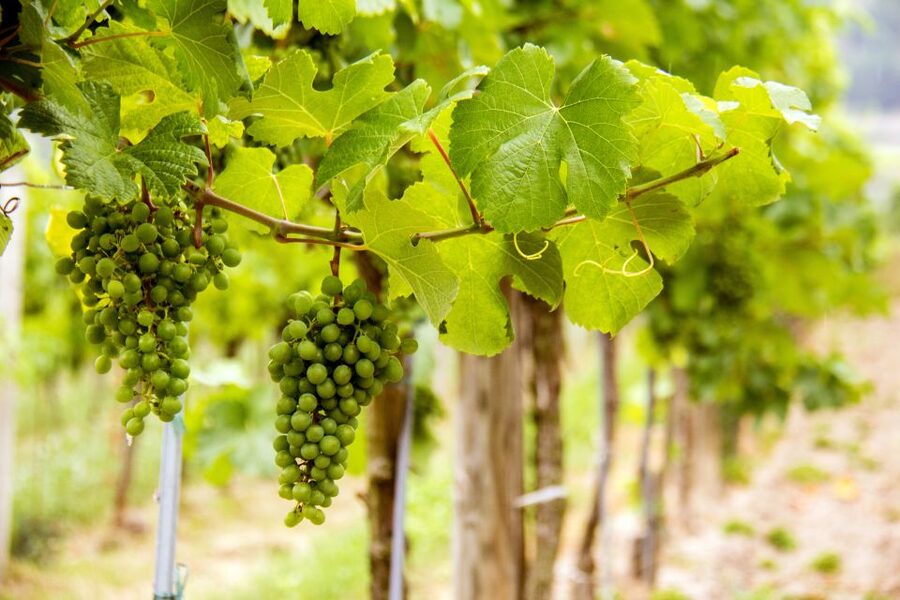
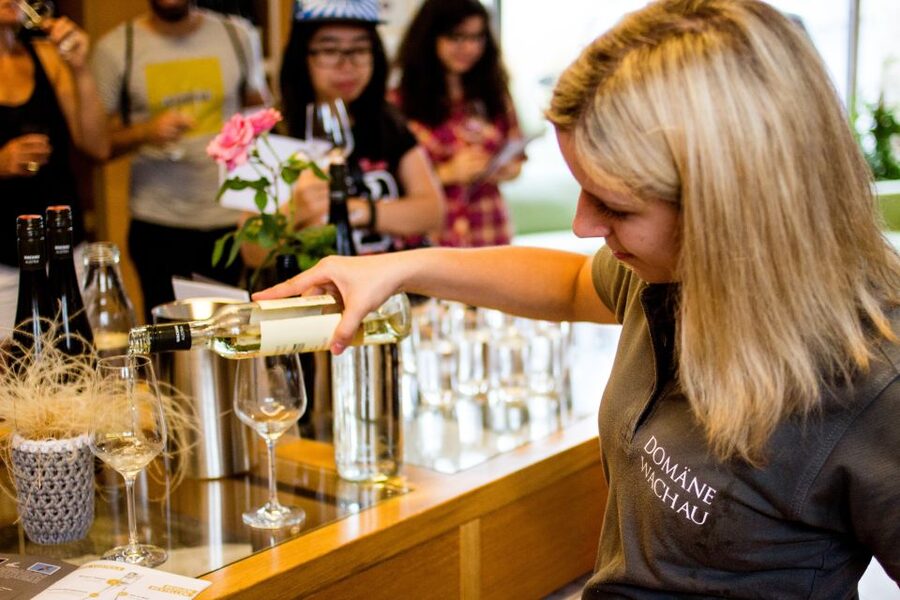
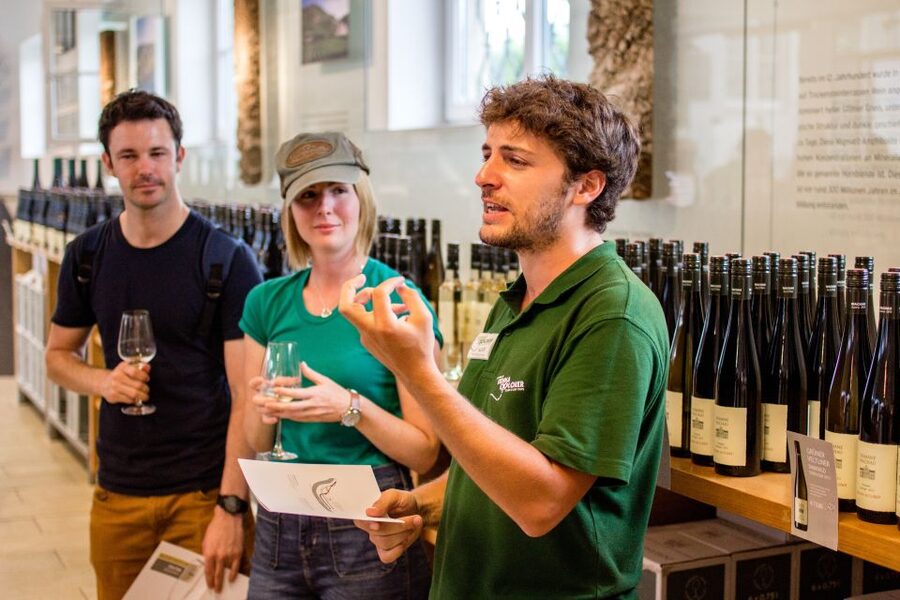
The first tasting in Dürnstein lasts about an hour. The appeal is not simply the wine itself. You get a chance to see how the valley’s small producers work, and some visits include direct conversation with the winemakers or owners.
Expect a focus on dry and fruity white wines. The Wachau is especially well suited to whites, and the tasting gives your guide a chance to explain local classifications, grape varieties, growing conditions, and the differences between vineyards along the river.
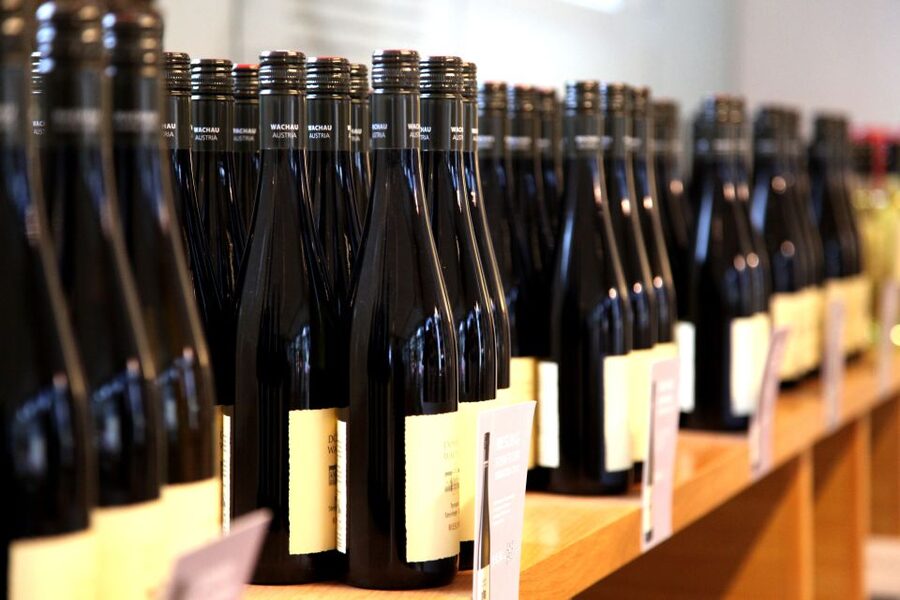
The tour also includes the famous Domäne Wachau, a major name in the area. That contrast matters. A family cellar shows you a more personal side of production, while a larger, respected operation gives you a wider sense of the region’s wine identity.
The tasting portions are intended to fit into an active day. You are drinking, but you are also cycling, eating, and walking. Drink water when you can, and do not feel obliged to sample every pour if you are feeling the heat.
One small detail is worth noting: wine tastings may not come with a full spread of cheese and crackers. If that matters to you, eat breakfast, use the available snack stop, and plan on lunch rather than expecting the tastings to serve as meals.
More Wine Tours in Vienna:
- Vienna: Swarovski House Tour with Champagne and Gift
★ 4.7 · 787 reviews - Countryside Half Day Wine Tour near Vienna
★ 5.0 · 545 reviews - From Vienna: Half-day Countryside Wine Tour with Meal
★ 4.7 · 526 reviews - Vienna: Wine Tasting Experience in a Private Wine Cellar
★ 4.8 · 413 reviews
Lunch in a traditional village tavern
Lunch is scheduled for about an hour in or near Dürnstein, usually at a local family-run restaurant. The standard option costs €17 per person and must be paid in cash to the guide on the day. Other lunch choices may be available, so ask early if you have dietary needs or prefer to order independently.
This meal is part of the tour’s value. After the first bike section and tasting, you need a proper break, and a village tavern gives you a better sense of everyday Wachau life than a roadside stop. The supplied details describe the lunch as quick, affordable, and good, though exact dishes are not specified.
Do not forget the cash. The €17 is separate from the $163 tour price, and it is easy to overlook because lunch sounds included in the flow of the day. If you prefer complete cost certainty, budget for the meal, drinks, and any wine bottles you decide to take home.
Cycling toward Weißenkirchen and the ferry crossing
After Dürnstein, the route continues toward Weißenkirchen in der Wachau. This section takes about 30 minutes by bicycle. The ride is short enough to enjoy the views without feeling like a grind, and it helps break up the food and wine portions of the day.
Weißenkirchen is another classic Wachau village, surrounded by vineyards and close to the Danube. The route gives you a different view of the valley from the one around Dürnstein. Instead of spending the day in one famous town, you get a series of villages linked by the river path.
A 15-minute ferry crossing follows. This is a pleasant change from the saddle and gives you a few minutes to look back at the valley from the water. It also makes the route feel like a proper journey rather than a simple out-and-back bike ride.
The ferry and cycling sections can be affected by rain and wind. The tour operates in all weather, and ponchos are supplied, but sensible clothing still helps. Bring sunscreen, a sun hat, and a light layer. The valley can feel very different in bright sun and wet weather.
Rossatz-Arnsdorf provides the second wine stop
The second tasting takes place in Rossatz-Arnsdorf and lasts about an hour. This stop is often described as especially authentic, with generous pours and a more intimate link to the growers. A visit to a vineyard such as Max’s has been singled out as a memorable part of the day.
The setting across the river from the better-known villages adds variety. You are still in the Wachau, but the pace can feel quieter and more rural. Your guide may adjust the order or length of stops according to weather, opening arrangements, and the group’s cycling pace.
This flexibility is one reason booking with a guide makes sense. Finding wineries that are open, available, and practical to reach by bicycle can be surprisingly awkward if you plan the same route independently. The tour removes that uncertainty and gives you access to producers who may not be set up for casual drop-in visits.
After the tasting, you cycle back toward Krems for about 45 minutes. By then, the ride feels like the closing chapter of the day. You have crossed villages, tasted local wine, eaten lunch, and seen the valley from both riverbanks.
Can you swim in the Danube?
Swimming is presented as one possible way to cool off, and the suggested packing list includes swimwear and a towel. Still, this is the part I would treat with caution. Conditions in the Danube can vary, and one account specifically raised concerns about strong current and water cleanliness.
Do not assume that swimming will always be suitable or encouraged at the exact point you visit. Ask your guide about the conditions that day and follow local advice. If swimming is not practical, the riverbank, ferry ride, and shaded breaks still provide a chance to cool down.
What the $163 price really covers
At $163 per person, this is not the cheapest way to see the Wachau. It is also more than a standard train trip to Krems followed by a rented bicycle. The price includes train transport from Vienna, the bike, helmet, rain poncho, an expert English-speaking guide, and tasting fees at all wineries.
That bundle has real value. You do not have to coordinate regional trains, reserve bicycles, find open wineries, plan the ferry, or work out a route that fits within one day. You also get context about the area’s wine, customs, and past, which is difficult to recreate from a map.
The extra costs are manageable but should be planned. Lunch is €17 in cash, drinks at the rental shop are extra, and electric bikes are not included. You may also want to buy wine, apricot jam, or liqueur, so leave room in your budget and luggage.
The strongest value comes if you want a full, organized day outside Vienna. If you only want a short ride or already know the Wachau well, the price may feel high. For a first visit, the combination of transport, access, guidance, and tastings makes it easier to justify.
Group size, weather, and the practical side
Group size can affect the feel of the day. A group of 8 to 10 would allow more personal conversation and quicker movement, while departures can sometimes reach around 18 people. Larger groups are not necessarily a problem, but expect a little more waiting at crossings, tastings, and bike adjustments.
The guide’s role matters. Strong guides such as Tim, Nicolas, Tomas, Miguel, Felipe, and Sanja have been noted for mixing wine information with history, humor, safety checks, and useful advice for Vienna and Budapest. Since assignments vary, you cannot book a particular guide with certainty, but the tour clearly depends on having someone who can manage both the people and the route.
The day runs in rain or shine. Ponchos are supplied, yet you should still wear comfortable shoes and clothing that can handle a wet spell. Pack sunscreen, a hat, swimwear only if you confirm conditions, a towel, and a camera.
The return train takes about an hour and finishes at Spittelau S+U rather than at the original tour office. Plan the end of your evening around that station, not the morning meeting point.
Who should book this Wachau cycling tour?
I would choose this tour if you want more than a wine tasting and less than a serious cycling expedition. It suits couples, solo visitors, friends, and active families who can manage a full day and a few small hills.
It is particularly good for people who enjoy local food, small producers, scenic train rides, and a bit of history. You do not need to be a wine expert. The guide explains enough to make the tastings interesting without turning the day into a technical class.
I would think twice if you dislike group tours, need a very quiet schedule, or want to spend hours riding without stops. The route is deliberately broken up by tastings, lunch, sightseeing, and the ferry. That is its strength for most people, but avid cyclists may wish for more uninterrupted time on the bike.
Should you book it?
Book this Wachau Valley tour if you want an easy way to reach Austria’s best-known wine valley from Vienna and prefer a day with several layers: cycling, village streets, a castle walk, family wineries, lunch, and the Danube.
The best reason to go is the balance. You get enough riding to feel part of the countryside, enough wine to understand the region, and enough free time to make Dürnstein your own. Just budget for lunch, bring cash, expect all-weather conditions, and ask about an e-bike if hills concern you.
If you want a polished introduction to the Wachau without planning every train, bike, and tasting yourself, this is a strong choice.
FAQ
How long does the Wachau Valley biking tour last?
The tour lasts 11 hours, including the train rides between Vienna and Krems.
Where does the tour begin?
You meet your guide at the Vienna Explorer tour office.
Where does the tour finish?
The tour finishes at Spittelau S+U after the return train ride.
How far do I bike?
The route is approximately 25 kilometers, or 14 miles, with stops throughout the day.
Is the cycling strenuous?
The ride is described as suitable for all ages and not strenuous. You may encounter a few small hills, and the longest continuous ride is about 30 minutes, depending on wind direction.
Are electric bikes included?
No. Standard bike rental, helmets, and rain ponchos are included, but electric bikes cost extra.
Is lunch included?
No. A local restaurant lunch is available for €17 per person, payable in cash to the guide. Other lunch options may also be available.
What happens if it rains?
The tour operates in all weather conditions, and rain ponchos are provided. You should still bring comfortable shoes and clothing suited to changing conditions.
More Bike Tours in Vienna
- Classic Vienna: 3-Hour Guided Bike Tour
★ 4.7 · 1,846 reviews - Vienna City Bike Tour
★ 4.5 · 599 reviews - Vienna: City Highlights Guided Bike Tour
★ 4.6 · 496 reviews - Vienna by Bike 3-Hour All-In-One City Bike Tour in English
★ 4.7 · 438 reviews
Recently added around Vienna
- Vienna: Private tour Mauthausen and Linz★ 4.1 · 3 reviews
- 2-Day Prague Tour from Vienna with private Transfers and Lunches★ 5.0 · 3 reviews
- Vienna Self Guided Sherlock Holmes Murder Mystery Game★ 4.5 · 3 reviews
- Vienna Private Schönbrunn Palace Tour, Extra Rooms and Gardens★ 5.0 · 3 reviews
- Salzburg and Lake Region Private Day Trip from Vienna★ 5.0 · 3 reviews
- Small-group Vienna Wine Tour★ 5.0 · 3 reviews
- True Crime mobile puzzle rally Vienna★ 4.0 · 3 reviews
- Vienna: Wachau Valley Private Kayak and Wine Tour★ 5.0 · 3 reviews
Wachau Valley Tours, compared.
Wachau Valley, Melk Abbey Tour with Danube Boat Trip
Read our review →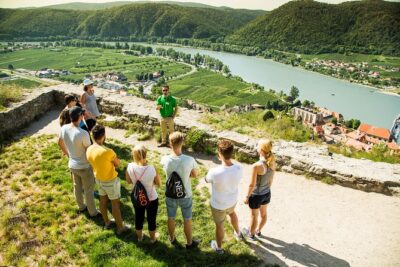
Wachau Valley Wine Tasting Bike Tour from Vienna
Read our review →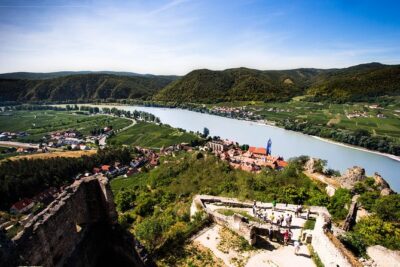
Wachau Valley Small-Group Tour and Wine Tasting from Vienna
Read our review →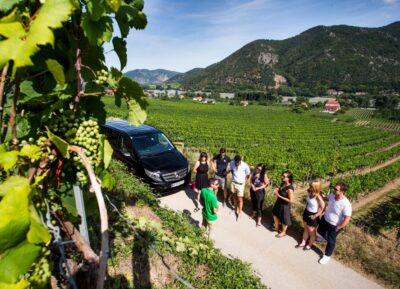
Private Day Tour Trip Salzburg Hallstatt and Melk from Vienna
Read our review →
Full Day Tour from Vienna to Wachau, Melk, Hallstatt and Salzburg
Read our review →Browse the lists this tour appears in