
Reviewed · VIENNA TOURS
Admission Pass to The Roman Quarter and the Museum Carnuntinum
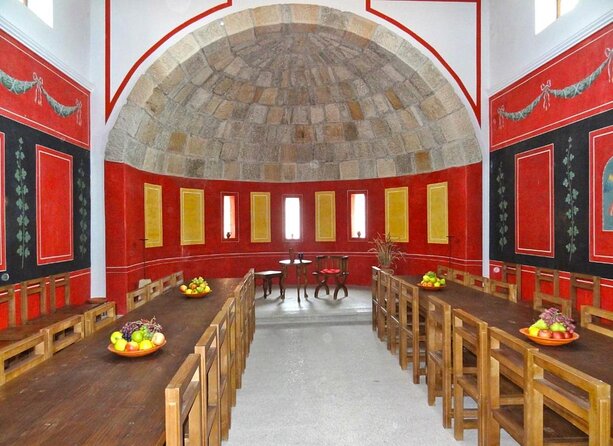
Roman City Carnuntum lets you walk through Roman life instead of merely looking at broken stones. Four reconstructed houses, including a working bathhouse, a city palace, an oil merchant’s home, and the House of Lucius, give you a clear sense of how people lived, worked, bathed, and relaxed nearly 2,000 years ago. I especially like the furnished interiors and the chance to see water moving through the Roman Therme.
I also like that one admission covers both the outdoor Roman Quarter and Museum Carnuntinum. You can take your time with the murals, gardens, household objects, and Roman artifacts rather than rush through a short guided visit. The main drawback is distance between parts of the site, so you should wear comfortable shoes and allow the full three hours, especially if you want to see the amphitheaters as well.
Key things to know before visiting Carnuntum
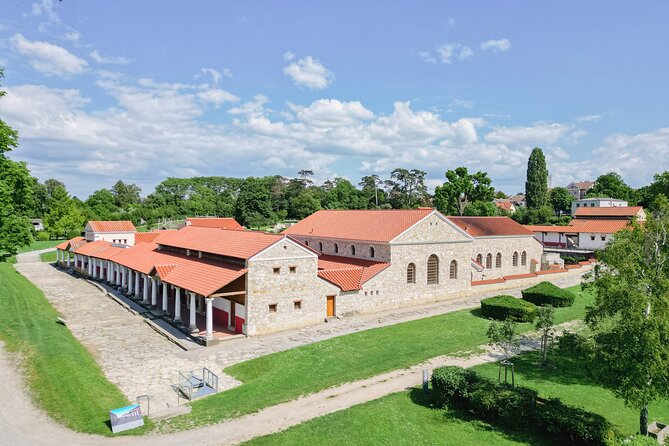
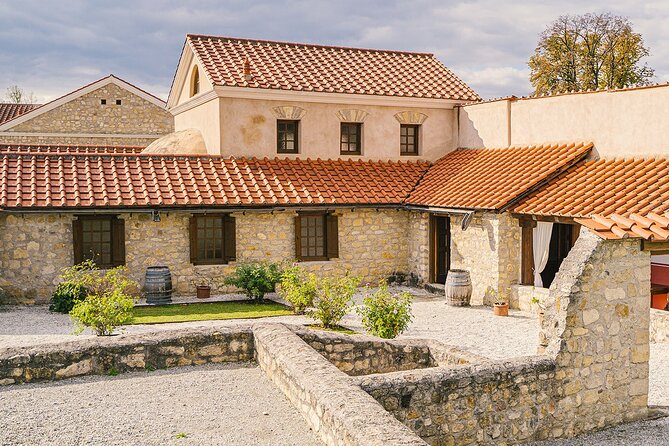
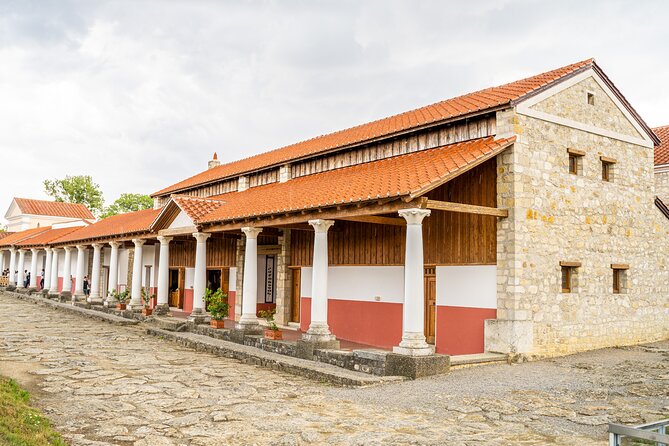
- Four complete Roman houses: See the Roman Therme, Villa Urbana, oil merchant’s house, and House of Lucius with decoration, furnishings, and practical details.
- A museum that adds context: Museum Carnuntinum presents objects from Carnuntum’s 2,000 years of Roman history.
- Good value at $16.21: The pass includes all admission fees for both locations, making it useful for an independent visit.
- Plan for three hours: The Roman Quarter alone can take about 80 minutes, while the museum takes about an hour.
- Open every day from 9 AM to 5 PM: The season listed runs from April 23 through November 15, 2025.
- Allow for walking: The locations cover a broad outdoor area, and a weekend shuttle bus has been provided during the season.
Why Carnuntum feels different from a typical Roman ruin
Carnuntum was a major Roman city on the Danube frontier, close to present-day Vienna. The site matters because it connects military power, trade, domestic life, and public entertainment in one place. Marcus Aurelius and other Roman emperors were linked to this part of the empire, where decisions made far from Rome shaped the ancient world.
Many Roman sites ask you to picture the missing walls, rooflines, furniture, and daily routines. Carnuntum does more of that work for you. The reconstructed buildings are fully functional, with rooms, decoration, objects, and working features that help you understand the scale of Roman life.
That approach will suit you if you prefer history you can see plainly. You can enter rooms, inspect painted walls, look at household arrangements, and walk through a garden rather than rely only on labels beside foundations.
It is also worth setting expectations. This is a reconstructed archaeological presentation, not a preserved Roman city with every original wall intact. Some people will find the theatrical style helpful, while others may prefer a quieter collection of original ruins and artifacts. I think the reconstruction works best when you treat it as a visual aid, then use the museum to connect it to surviving evidence.
More Museums in Vienna:
- Vienna: Skip-the-Line Sisi Museum, Hofburg and Gardens Tour
★ 4.8 · 5,918 reviews - Vienna Kunsthistorisches Museum Day Admission Ticket
★ 4.6 · 3,690 reviews - Tickets for the Albertina Exhibitions
★ 4.7 · 2,126 reviews
The Roman Quarter: four houses that make ancient life clear
Give the Roman Quarter at least 80 minutes. You may move faster if you are focused only on architecture, but the houses reward a slower look at their decoration and furnishings.
The Roman Therme is one of the strongest parts of the visit. A bathhouse was not simply a place to wash. Roman bathing was tied to exercise, social contact, rest, and public life. Here, the working design helps you picture the role of water and heat in a Roman town. Seeing water splash in the thermal bath gives the building a physical quality that a wall plan cannot provide.
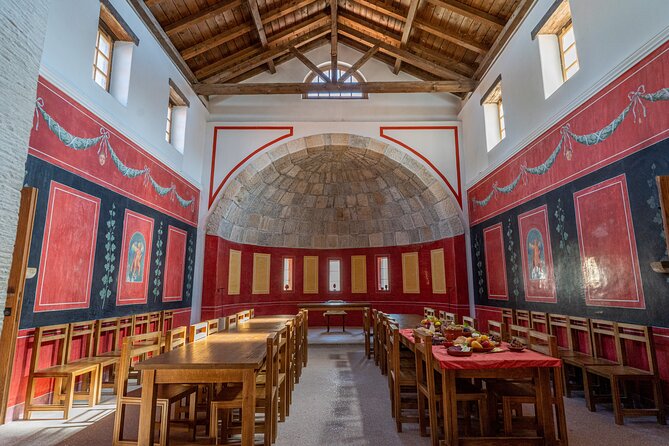
The Villa Urbana offers a different mood. This was a refined city residence, and its murals are among the details worth lingering over. The painted decoration helps show how much color and visual polish Roman interiors could contain. You might find yourself spending more time here than expected, especially if you enjoy domestic design and ancient art.
The oil merchant’s house shifts your attention from leisure to business. Its presence reminds you that Carnuntum was not only a military outpost. Goods moved through the city, and merchants supplied the people who lived, served, and worked there. The house gives a useful glimpse of the commercial side of Roman society.
The House of Lucius presents a more modest domestic setting. Its garden is a pleasant place to pause and helps you think about the ordinary routines of a Roman household. The contrast between the grander villa and a more bourgeois home is important. Roman society was not made up only of emperors, generals, and wealthy officials.
Together, the four buildings create a fuller picture. You see public bathing, wealthy domestic life, trade, and household routine in one compact visit. That range is a major reason I would choose Carnuntum over a site made up only of scattered foundations.
From the Roman Therme to the amphitheaters
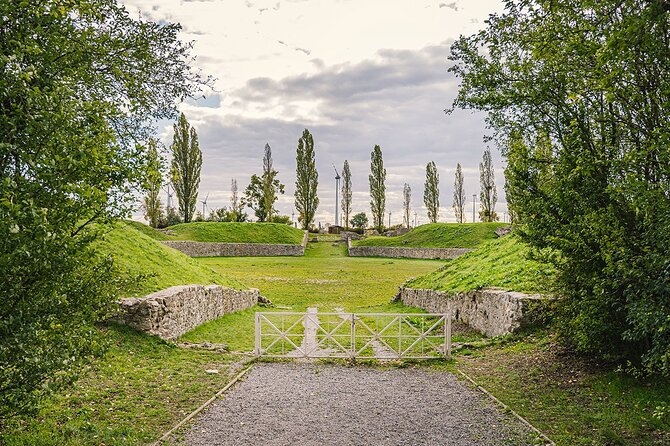
The Roman Quarter is not the entire Carnuntum experience. The wider grounds include amphitheaters, which connect the city to the public spectacles associated with Roman culture. These spaces help you think about the crowds, performances, and gladiatorial world that shaped Roman entertainment.
The amphitheaters are less about furnished rooms and more about scale. After walking through houses built around private life, you can shift your attention to public gatherings and mass entertainment. The contrast makes the site feel like a city rather than a row of museum displays.
The grounds also include trees, meadows, and open space. That makes the visit less cramped, but it adds walking time. If you are visiting with children, the large playground gives them a break from the historical displays. The outdoor setting also makes Carnuntum easier to enjoy at a relaxed pace.
A restaurant called Forum Culinarium is on site. The provided information does not give menu details or meal prices, so I would treat it as a convenient option rather than build your schedule around a particular dish.
You should pay attention to the distances between locations. A response from the site notes that a weekend shuttle bus was set up during the season to help with the separation between areas. Since shuttle operation can change, check current details when you book or arrive.
Museum Carnuntinum and the Danube frontier story
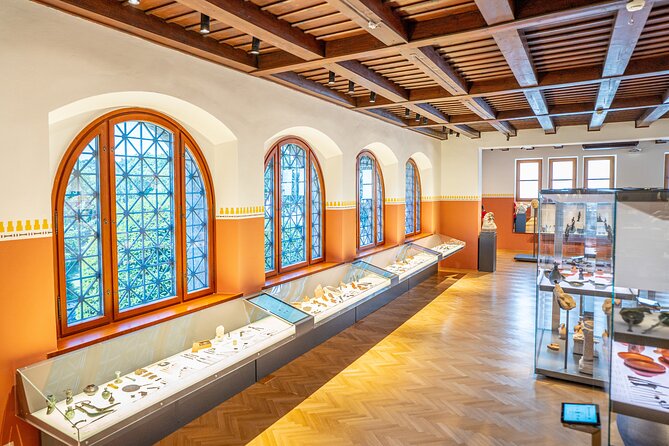
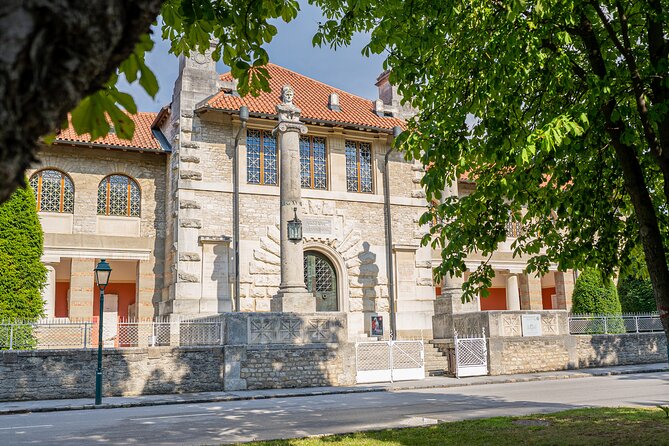
Set aside about an hour for Museum Carnuntinum. It is the indoor half of the experience, and it gives the reconstructed houses a stronger historical frame.
The current exhibition is called Weltstadt am Donaulimes, or Metropolis at the Danube Limes. It covers Carnuntum’s development, the people who lived there, and the UNESCO World Heritage setting near Vienna. This is useful because the Roman Quarter focuses on the feel of daily life, while the museum explains the city’s wider place in the Roman world.
The collection includes finds from 2,000 years of Roman history at Carnuntum. You can expect the museum to provide the original objects and archaeological evidence that the reconstructed buildings interpret. That pairing is the key to a satisfying visit: first see how a house or bath might have worked, then look at the objects that tell you what survived.
Some visitors may find the museum more theatrical in presentation than a strictly academic collection. That can make it easier to follow, especially if Roman history is new to you. If you prefer objects shown with minimal staging, you may want to spend more time with the artifacts and written explanations than with the presentation style.
The museum is not an optional extra in my view. You can understand the buildings without it, but the museum helps explain who lived in Carnuntum and why this Danube location mattered. If your time is limited, do not cut it entirely. A brisk visit is better than skipping it.
A few more Vienna half-days to weigh up
- Vienna: Vivaldi’s Four Seasons Concert in Karlskirche
★ 4.7 · 14,951 reviews - Vienna: Spanish Riding School Training
★ 3.9 · 9,281 reviews - Vienna: Skip-the-cashier-desk-line Giant Ferris Wheel Ride
★ 4.5 · 7,859 reviews - Vienna: Schönbrunn Palace & Gardens Skip-the-Line Tour
★ 4.7 · 7,739 reviews
What the $16.21 admission pass is really worth
At $16.21 per person, the pass is priced fairly for a self-guided archaeological day out. It covers all fees and taxes and includes admission to both the Roman Quarter and Museum Carnuntinum. You are paying for access to a large outdoor site, reconstructed interiors, open grounds, and a substantial museum rather than a single monument.
The value improves if you use the full three hours. The Roman Quarter is listed at about 1 hour and 20 minutes, and the museum at about an hour. Add walking between areas, time at the amphitheaters, a pause at the playground or restaurant, and you have a well-filled half day.
The pass does not include a guided tour. That matters if you want a specialist to explain the buildings as you go. Guided visits are available in English according to the information provided, but the cost and schedule are not stated here. If you book this admission pass, plan to explore independently unless you arrange a separate guided option.
For an independent visitor, that flexibility is useful. You can linger over the Villa Urbana murals, move quickly through a section that interests you less, or give children time in the outdoor areas. The trade-off is that you need to read, observe, and connect the pieces for yourself.
Opening hours, transport, and practical planning
The listed opening period runs from April 23 through November 15, 2025, with hours from 9 AM to 5 PM Monday through Sunday. A daily opening schedule makes this easier to fit into a Lower Austria trip, but you still need to allow enough time before closing.
I would arrive earlier in the day if you want a calm visit and the full three hours. Starting late could leave you choosing between the amphitheaters, the houses, and the museum. The information confirms that the site is near public transportation, but it does not give a specific route, station, or travel time, so check your exact connection before setting out.
The grounds are broad and partly outdoors. Wear shoes suitable for walking over open paths and allow extra time for the distance between the Roman Quarter and other sections. If a weekend shuttle is operating, it may help, but do not assume it will replace all walking.
Service animals are allowed, and most people can participate. The experience is not described as requiring strenuous activity, though the outdoor area and distance between locations mean you should plan realistically if walking for several hours is difficult.
Free cancellation is available if you cancel at least 24 hours before the local start time. Cancellations or changes made less than 24 hours ahead are not accepted for a refund.
Who will get the most from this visit
Carnuntum is a strong choice for families because the reconstructed houses are easy to understand, the outdoor grounds provide room to move, and there is a large children’s playground. The buildings turn abstract history into things children can recognize: homes, baths, gardens, merchants, and public entertainment.
It also suits adults who want more than a museum case. The Villa Urbana murals, the bathhouse, and the changing social settings give you plenty to examine. You do not need advanced Roman history to enjoy it, though the museum becomes more rewarding if you like connecting artifacts with places.
It may be less satisfying if you want a short, tightly guided attraction in one building. The site takes time, includes outdoor walking, and does not include a guide with the admission pass. You need to be comfortable setting your own pace.
History enthusiasts should consider adding extra time if possible. The stated duration is about three hours, but the open grounds and amphitheaters can stretch the visit. The pass gives you room to choose your focus rather than forcing every part into a fixed route.
The details that make Carnuntum memorable
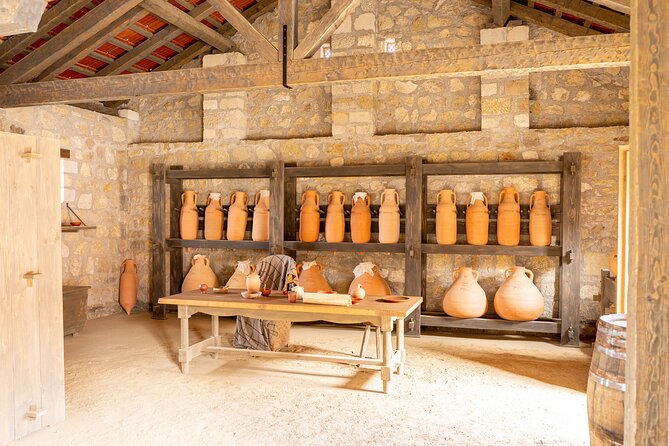
The strongest feature here is not one isolated object. It is the combination of reconstructed spaces and original finds. You can look at a painted wall in a villa, walk through a bathhouse, consider the work of an oil merchant, and then see museum pieces from the same broad Roman setting.
I also appreciate the contrast between status levels. The stately Villa Urbana and the House of Lucius do not tell exactly the same domestic story. That keeps Carnuntum from presenting Roman life as something belonging only to emperors and wealthy elites.
The setting near the Danube adds another layer. Carnuntum’s story is tied to a frontier zone, trade, soldiers, administrators, families, and local life. The museum’s Danube Limes exhibition should help you see the city as part of a larger border system rather than an isolated ruin.
Seasonal recreation events can change the atmosphere. One account describes a summer festival with large crowds and costumed or theatrical elements, along with criticism of the event’s presentation. If you prefer a quieter historical visit, check the event calendar and avoid dates that feature large public festivals.
Should you book the Carnuntum admission pass?
Book it if you want an independent, hands-on look at Roman daily life and can spare about three hours. The $16.21 price is reasonable because it covers both the Roman Quarter and Museum Carnuntinum, and the reconstructed homes offer something you cannot get from foundations alone.
I would especially recommend it to families, Roman history fans, and anyone touring Lower Austria who wants a substantial half-day stop near Vienna. Go with comfortable shoes, begin early enough to see both main areas, and check shuttle and event information before arrival.
Skip it if you want a short guided tour, dislike reconstructed historical settings, or have no time for the outdoor walking. For everyone else, Carnuntum offers a clear, practical way to picture Roman life, with enough original material in the museum to keep the experience grounded.
FAQ
How long does the Carnuntum experience take?
The approximate duration is three hours. The Roman Quarter takes about 1 hour and 20 minutes, and Museum Carnuntinum takes about one hour, with additional time needed for walking and other outdoor areas.
What does the $16.21 admission pass include?
The pass includes admission to the Roman Quarter and Museum Carnuntinum, along with all fees and taxes.
Are guided tours included?
No. Guided tours are not included with this admission pass. Guided visits in English are available at the site, but their price and schedule are not provided.
When is Carnuntum open?
The listed opening period is April 23 through November 15, 2025. It is open Monday through Sunday from 9 AM to 5 PM.
What can I see in the Roman Quarter?
You can see four fully functioning Roman houses: the Roman Therme bathhouse, Villa Urbana, the oil merchant’s house, and the House of Lucius. The area also includes a visitor center, restaurant, playground, outdoor grounds, and access to the wider Carnuntum site with amphitheaters.
Is the site accessible by public transportation?
The site is near public transportation. Specific routes and travel times are not provided, so check the connection for your chosen date.
Can I cancel the booking for a refund?
Yes. You can cancel up to 24 hours before the experience start time for a full refund. Cancellations or changes made less than 24 hours before the local start time are not accepted for a refund.
Recently added around Vienna
- Vienna: Private tour Mauthausen and Linz★ 4.1 · 3 reviews
- 2-Day Prague Tour from Vienna with private Transfers and Lunches★ 5.0 · 3 reviews
- Vienna Self Guided Sherlock Holmes Murder Mystery Game★ 4.5 · 3 reviews
- Vienna Private Schönbrunn Palace Tour, Extra Rooms and Gardens★ 5.0 · 3 reviews
- Salzburg and Lake Region Private Day Trip from Vienna★ 5.0 · 3 reviews
- Small-group Vienna Wine Tour★ 5.0 · 3 reviews
- True Crime mobile puzzle rally Vienna★ 4.0 · 3 reviews
- Exploring the Gutenstein Alps★ 5.0 · 3 reviews
Vienna Tours, compared.

Vivaldi’s Four Seasons Concert in Karlskirche
Read our review →

Skip-the-cashier-desk-line Giant Ferris Wheel Ride
Read our review →
Schönbrunn Palace & Gardens Skip-the-Line Tour
Read our review →
Light of Creation Votive Church Immersive Light Show
Read our review →

Skip-the-Line Sisi Museum, Hofburg and Gardens Tour
Read our review →
Hallstatt & Alpine Peaks Day Trip with Skywalk Lift
Read our review →Browse the lists this tour appears in