
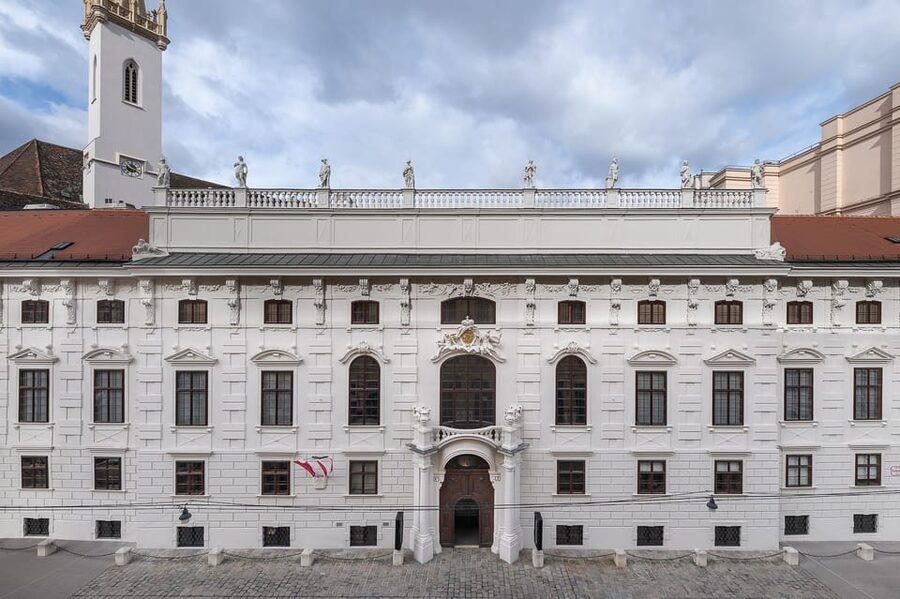
Reviewed · VIENNA TOURS
Vienna: Johann Strauss 200th birthday anniversary exhibition
Johann Strauss comes alive here through more than famous melodies. At Vienna’s Theater Museum, you can see the original score of Die Fledermaus, performance objects, written material, and displays that place the Waltz King inside the social and political world of his time. I especially like the link between Strauss’s polished dance music and his demanding personal life, plus the way the exhibition follows his music across the Atlantic to Boston.
The exhibition also uses music and film to keep the visit from feeling like a quiet display of old papers. One caution: the audio and film elements do not always match perfectly, so the presentation can feel slightly awkward at times. An audio guide is not included, which matters if you want a fully narrated visit.
- See the original Die Fledermaus score: One of the exhibition’s most important objects gives you a direct connection to Strauss’s music-theater work.
- Follow Strauss from Vienna to Boston: The show explains how his music crossed borders and reached a broad international audience.
- Hear lively Strauss selections: Music examples add energy and help you connect the objects to the works they represent.
- Explore the Strauss family and love affairs: His parents, brothers, three wives, and relationships in Russia all form part of the story.
- Visit Palais Lobkowitz: The historic theater museum setting adds weight to an exhibition about Vienna’s most famous dance composer.
- Plan for a self-guided visit: Your ticket covers admission, but an audio guide is not included.
Meeting the Waltz King inside Palais Lobkowitz
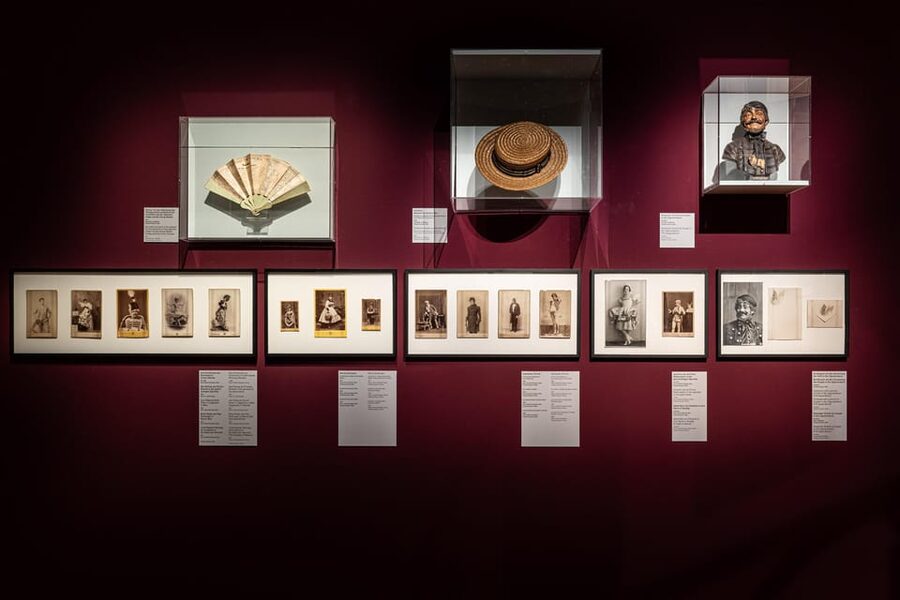
Johann Strauss Sohn is often reduced to a few familiar notes, especially The Blue Danube and the glittering world of the Viennese waltz. This exhibition gives you a broader picture. It presents Strauss as a hard-working composer, touring performer, theater figure, and international celebrity whose music reached far beyond the ballrooms of Vienna.
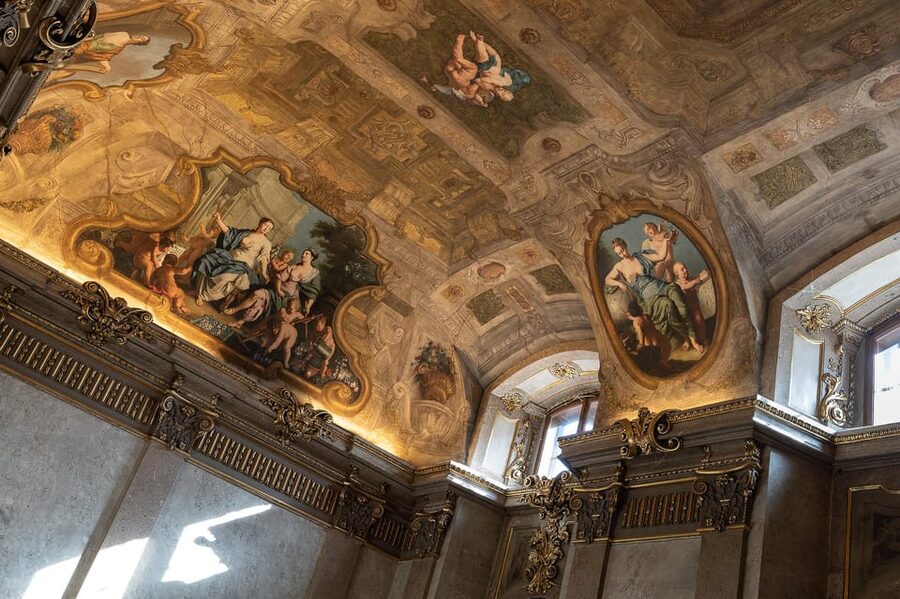
The setting is the Theater Museum in Palais Lobkowitz, a fitting home for a show centered on music, stage works, and performance. You are not simply entering a room filled with Strauss memorabilia. The displays connect the composer’s output to the theater and concert life that helped make him famous.
I like that the exhibition gives equal attention to dance music, concert music, and music theater. That range matters because Strauss was not only a composer of elegant waltzes. His stage works, especially Die Fledermaus, helped shape the image of Vienna as a city of pleasure, music, and theatrical charm.
The $18 admission is reasonable if you already plan to visit the Theater Museum or have a strong interest in Strauss. It is less of a bargain for someone looking for a quick celebrity display. You will get the most from the ticket if you allow enough time to read, listen, and consider the original material instead of rushing through for a few famous names.
The original score of Die Fledermaus
The original score of Die Fledermaus is the exhibition’s clear centerpiece. Seeing a working musical document gives you something that a reproduction or digital screen cannot quite provide. The score connects the finished operetta you may know from the stage with the physical act of composing and preparing music for performance.
I find objects like this useful because they strip away some of the polished legend around Strauss. You see the work as a process. The score represents planning, notation, revision, and performance, not just the finished sound heard in a concert hall.
The exhibition focuses on Strauss’s music-theater works alongside his dance and concert pieces. This helps explain why Die Fledermaus has remained so important. It belongs to the world of theater, where music, stage action, costumes, comedy, and public taste meet.
You might not be able to study every musical detail unless you already read scores, but you can still appreciate the object as a record of Strauss’s professional life. Look at it as evidence of how a celebrated work moved from the composer’s desk toward the stage.
More Museums in Vienna:
- Vienna: Skip-the-Line Sisi Museum, Hofburg and Gardens Tour
★ 4.8 · 5,918 reviews - Vienna Kunsthistorisches Museum Day Admission Ticket
★ 4.6 · 3,690 reviews - Tickets for the Albertina Exhibitions
★ 4.7 · 2,126 reviews
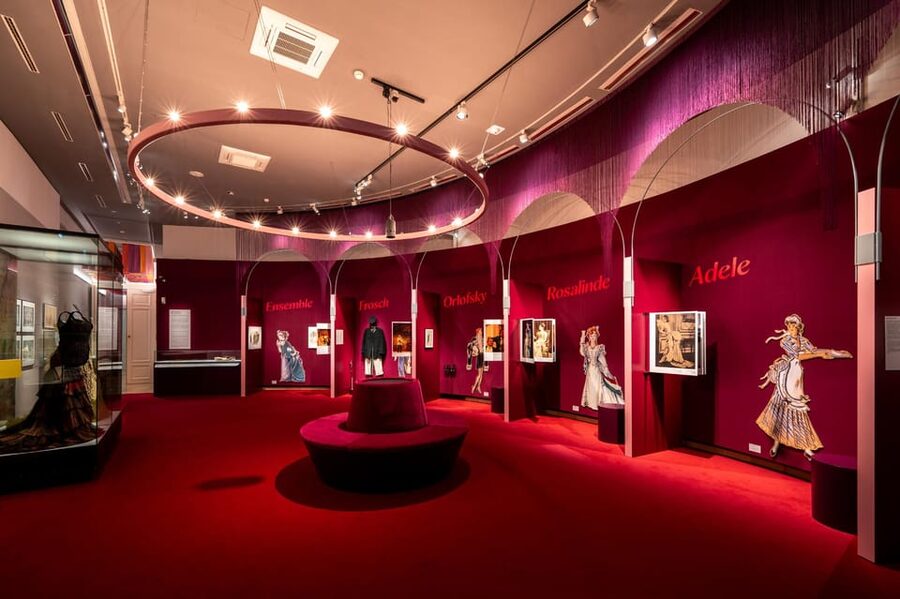
Music, films, and the feel of a Strauss performance
The show uses lively music examples to keep the presentation connected to the sound of Strauss. That is important. A room full of documents can tell you what Strauss did, but the music helps explain why his work traveled so widely and still attracts listeners.
The musical selections also provide a useful pause between written displays. You can read about a composition, then hear the kind of rhythm and melody that made Strauss so popular. For visitors who know the waltzes well, this can sharpen your sense of the music’s structure and public appeal.
The film elements add another layer, but the timing is not always exact. Music and film are not consistently synchronized, which can be distracting. If you notice a clip beginning before or after the sound seems to fit, do not let that spoil the whole visit. Treat the audiovisual material as supporting material rather than the main event.
I would give the original objects and written material your closest attention, then use the music and films to fill out the atmosphere. That approach makes the technical flaw less important and lets you focus on the strongest parts of the exhibition.
Strauss beyond the famous waltzes
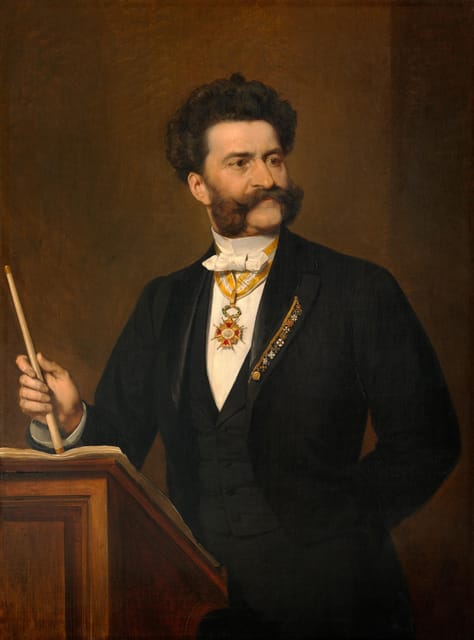
The exhibition places Strauss’s compositions in the context of his full career. His dance music remains central, but the displays also address concert works and music theater. This wider view helps you understand how he became a public figure rather than simply a composer whose tunes happened to be popular.
Strauss’s career was tied closely to performance. His music was made for listening, dancing, public celebration, and theatrical presentation. Original objects from performances help show how those settings shaped his work and how audiences encountered him.
The show also looks at the historical and political circumstances around Strauss’s life. You may find that the displays raise questions about the relationship between entertainment and public life in nineteenth-century Vienna. The point is not to turn the exhibition into a political lecture. Instead, the context makes the music feel less isolated from the world that welcomed it.
I especially value this section because it challenges the postcard version of Vienna. The Strauss era was elegant, but it was also demanding and competitive. Success required constant work, public appearances, travel, and an ability to satisfy audiences at home and abroad.
Family, marriage, and the private Strauss
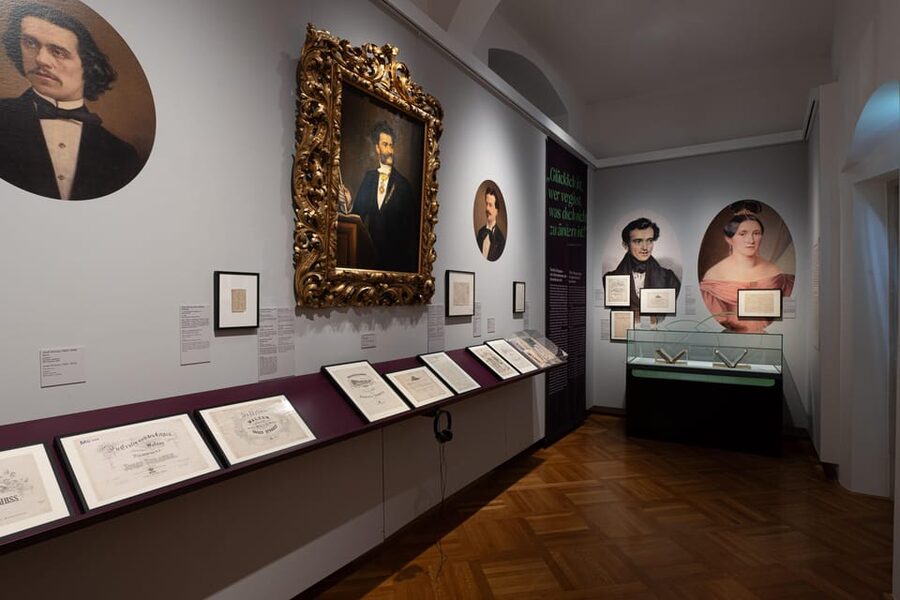
Strauss’s personal life receives serious attention. The exhibition discusses his parents, his brothers, his three wives, and his love affairs in Russia. These details help explain the family and social networks around a composer whose name was part of Vienna’s public life.
The family story is especially useful because Johann Strauss did not work in isolation from his relatives. His relationships with his parents and brothers formed part of the musical environment in which he developed. The exhibition uses those connections to show a life shaped by both family ties and professional pressure.
The material about his wives and affairs adds a more complicated note. Strauss’s public image rests on graceful music and festive charm, but his private life was not as tidy as the waltzes suggest. I like that the exhibition does not leave him as a flawless symbol of old Vienna.
This section may appeal most to visitors who enjoy biography as much as music. If you are mainly interested in scores and instruments, you can move through the personal material more quickly. If you want to understand the person behind the public legend, give it time.
A few more Vienna half-days to weigh up
- Vienna: Vivaldi’s Four Seasons Concert in Karlskirche
★ 4.7 · 14,951 reviews - Vienna: Spanish Riding School Training
★ 3.9 · 9,281 reviews - Vienna: Skip-the-cashier-desk-line Giant Ferris Wheel Ride
★ 4.5 · 7,859 reviews - Vienna: Schönbrunn Palace & Gardens Skip-the-Line Tour
★ 4.7 · 7,739 reviews
From Vienna to Boston
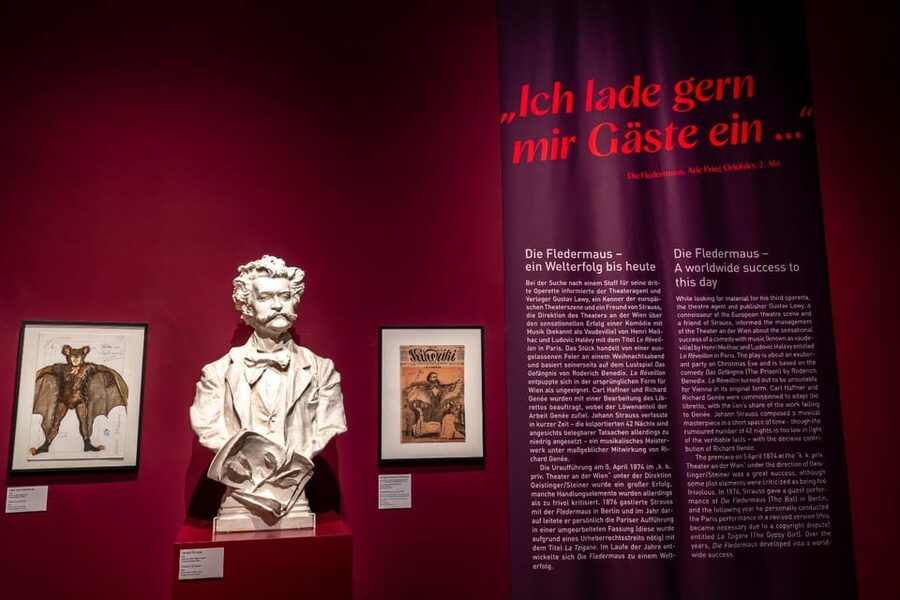
One of the more unusual parts of the exhibition follows Strauss’s world tour to Boston. This section shows that his fame was not confined to Austria. His music became part of an international entertainment culture, carried by performance, touring, and strong public demand.
The Boston connection gives the exhibition a useful change of scale. You begin with Strauss in Vienna, then see how his music was presented to audiences far away. That journey helps explain the title Waltz King in practical terms. His reach came from organized performances and sustained public interest, not just from a reputation that spread on its own.
For you, this section can make the exhibition feel less like a local memorial. It shows Vienna as a producer of music that was packaged, performed, and exported. The story is about cultural exchange as much as national pride.
The Boston material may be brief compared with the central Strauss displays, but it is worth seeking out. It gives you a clearer idea of how nineteenth-century audiences encountered famous music before modern recording and streaming made international access simple.
Original performance objects and written material
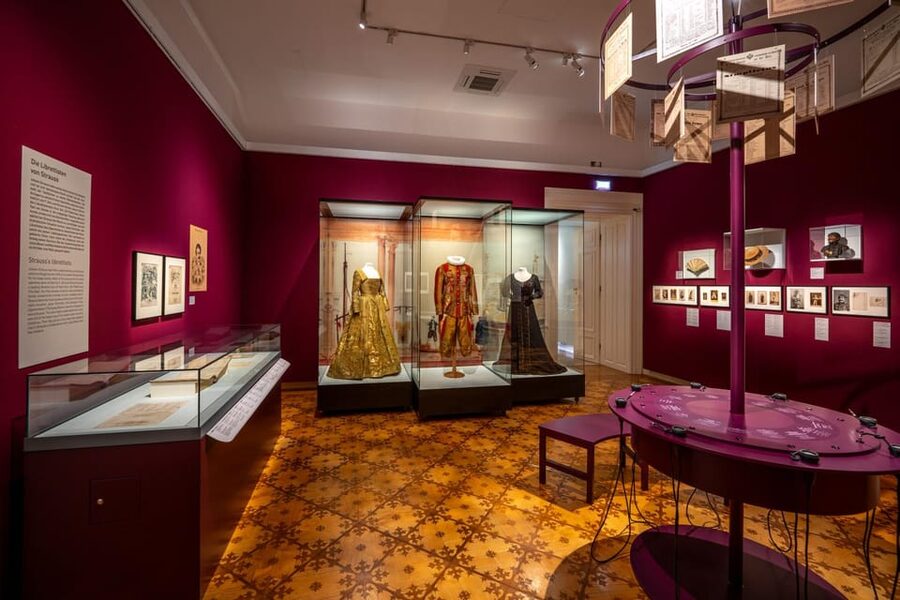
Original objects from performances give the exhibition a physical link to the stage. These pieces can include material connected with productions and presentations, while written items help document Strauss’s professional and personal world. The exact impact depends on how much time you spend reading the labels and looking closely.
I would not treat these objects as decoration. They show how music became an event. Strauss’s work was heard in particular settings, performed by particular people, and shaped by the expectations of an audience. The displays help you picture that chain from composition to public performance.
The written legacy also gives the exhibition some welcome substance. You are not asked to accept a simple story about genius and fame. Instead, you get fragments of a working life, including the demands placed on Strauss and the relationships that affected him.
Because the audio guide is not included, the written labels carry extra weight. Visitors who prefer a guided story should plan to read carefully or check whether the museum offers separate information on arrival. The ticket itself covers admission, not a narrated tour.
How long to spend and how to approach the visit
The ticket is valid for one day, and you should check availability for the starting times offered when you book. The supplied information does not set a fixed visit length, so I would avoid scheduling this as a tightly timed stop between major appointments.
The best approach is to divide the visit into three simple parts. First, get an overview of Strauss’s life and career. Next, spend your close attention on the original Die Fledermaus score and the performance objects. Finally, return to the music and film elements with a clearer sense of what you are hearing and seeing.
You do not need to be a Strauss expert. The exhibition is designed around familiar themes such as the waltz, theater, fame, family, and international travel. Still, music lovers will get more from the score and performance material than someone with only a passing interest in classical music.
The visit is wheelchair accessible, which makes the museum a practical choice for a wider range of visitors. Since no group size or guided tour format is specified, expect to set your own pace rather than follow a named guide through a fixed route.
Is $18 a fair price?
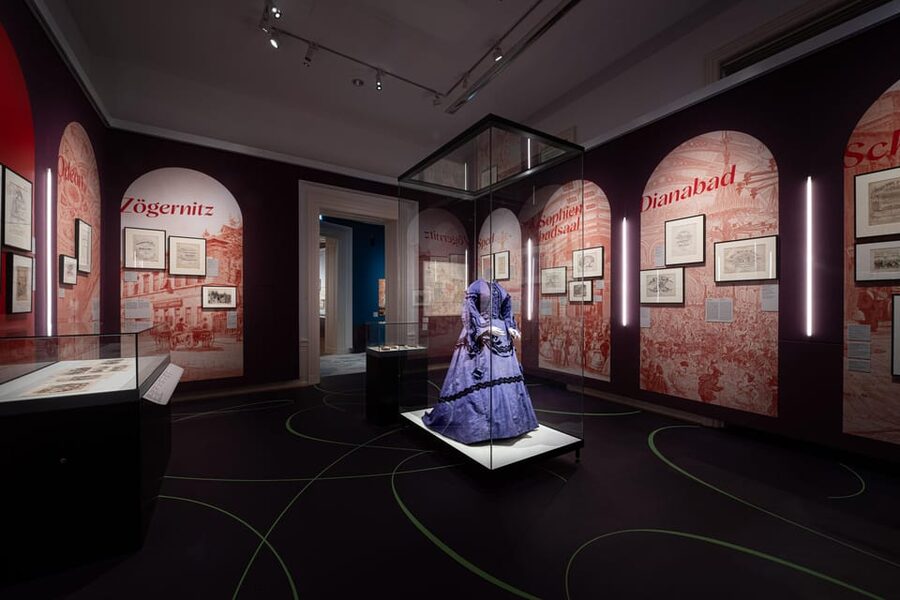
At $18 per person, the exhibition offers fair value for anyone already interested in Strauss, Vienna’s musical identity, or theater history. Admission includes the Theater Museum in Palais Lobkowitz and the Johann Strauss anniversary exhibition, so you are paying for more than a single display case.
The value depends on how actively you look. If you pause for the original score, read the biographical material, follow the Boston story, and listen to the music examples, the ticket makes sense. If you spend only a few minutes viewing the most famous object, the price may feel high.
The lack of an included audio guide is the main limitation from a value point of view. The music examples help, but they do not replace a full spoken explanation. I would book this as a focused museum visit, not as a quick add-on that promises instant understanding.
Free cancellation up to 24 hours before the visit and the option to reserve now and pay later make it easier to fit into a changing Vienna schedule. Those policies are useful, but the real reason to book should be your interest in the subject and the museum setting.
Who should book the Johann Strauss exhibition?
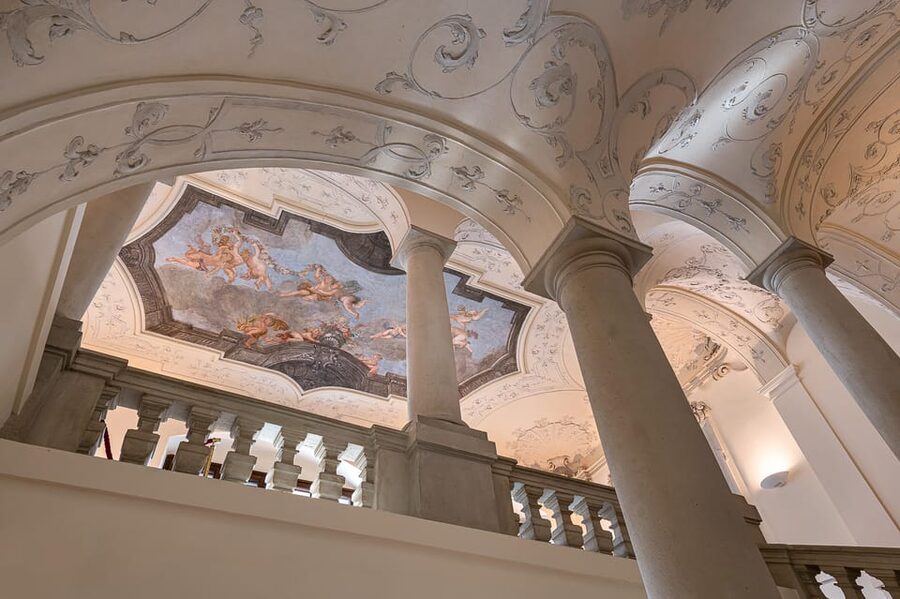
I would recommend this exhibition to:
- Strauss fans: The original Die Fledermaus score and performance material give you a direct connection to his work.
- Classical music listeners: The music examples help connect the written displays to the sound.
- Theater enthusiasts: The focus on stage works and original performance objects adds more than a standard composer biography.
- Vienna first-time visitors: The show explains why Strauss became such a strong symbol of the city.
- History-minded visitors: The personal, political, and international context gives the music a wider frame.
I would be more cautious if you dislike reading museum displays or want a fully guided experience. The missing audio guide means you will need to build your own understanding from the labels, objects, films, and music.
Should you book it?
Book it if you want to see the original Die Fledermaus score, hear Strauss in the setting of a theater museum, and learn how his music moved from Vienna to Boston. The exhibition gives you a fuller picture of the Waltz King, including the work, family, relationships, and professional demands behind the familiar melodies.
Skip it if you are looking only for a short, highly interactive attraction or a guided tour with every detail explained aloud. The film synchronization can be imperfect, and the absence of an included audio guide requires some effort from you.
For the right visitor, $18 is a sensible price for a thoughtful look at Vienna’s most famous musical export. Plan a relaxed visit, pay special attention to the original score and performance objects, and let the music supply the final word.
FAQ
Where does the Johann Strauss exhibition take place?
The exhibition takes place at the Theater Museum in Palais Lobkowitz in Vienna, Austria.
What does the ticket include?
The ticket includes admission to the Theater Museum in Palais Lobkowitz and a visit to the Johann Strauss anniversary exhibition.
Is an audio guide included?
No. An audio guide is not included with the ticket.
How much does admission cost?
Admission costs $18 per person.
How long is the ticket valid?
The ticket is valid for one day. You should check availability for the starting times offered.
Is the exhibition wheelchair accessible?
Yes. The activity is wheelchair accessible.
Recently added around Vienna
- Vienna: Private tour Mauthausen and Linz★ 4.1 · 3 reviews
- 2-Day Prague Tour from Vienna with private Transfers and Lunches★ 5.0 · 3 reviews
- Vienna Self Guided Sherlock Holmes Murder Mystery Game★ 4.5 · 3 reviews
- Vienna Private Schönbrunn Palace Tour, Extra Rooms and Gardens★ 5.0 · 3 reviews
- Salzburg and Lake Region Private Day Trip from Vienna★ 5.0 · 3 reviews
- Small-group Vienna Wine Tour★ 5.0 · 3 reviews
- True Crime mobile puzzle rally Vienna★ 4.0 · 3 reviews
- Exploring the Gutenstein Alps★ 5.0 · 3 reviews
Vienna Tours, compared.

Vivaldi’s Four Seasons Concert in Karlskirche
Read our review →

Skip-the-cashier-desk-line Giant Ferris Wheel Ride
Read our review →
Schönbrunn Palace & Gardens Skip-the-Line Tour
Read our review →
Light of Creation Votive Church Immersive Light Show
Read our review →

Skip-the-Line Sisi Museum, Hofburg and Gardens Tour
Read our review →
Hallstatt & Alpine Peaks Day Trip with Skywalk Lift
Read our review →Browse the lists this tour appears in