
Reviewed · VIENNA TOURS
Private Tour of the Kunsthistorisches Museum: Secrets of Masterpieces | Tickets included
The best part of this private Kunsthistorisches Museum tour is its focus. Instead of wandering through one of Europe’s largest collections and wondering what matters most, you spend three hours with art historian Julia examining major paintings, sculptures, and unusual objects. I like the personal format, where your questions shape the visit, and the way the tour connects art to Austrian history, royal collecting, and the social world that produced each work.
I also like that admission is included and that the guide may use a museum map, a mini iPad, or even physical props to make comparisons clear. The main drawback is the price: at $283.12 per person, this is a serious splurge, especially for one person. It makes better financial sense for a small private group that wants focused help rather than a quick, self-guided look.
Key points at a glance
- Three hours with an art historian: Julia leads a focused visit through the museum’s main masterpieces.
- A private group only: Your party does not share the guide with strangers, so questions and interests can guide the discussion.
- Tickets included: The admission cost is built into the tour price.
- More than paintings: The route can include Egyptian, Greek, and Roman art, decorative objects, church plate, scientific instruments, and the famous cabinets of curiosities.
- Useful for first-time visitors: A short list of 35 must-see works helps you avoid getting lost in the museum’s enormous collection.
- Strong teaching style: Julia is praised for clear explanations, humor, historical context, props, and visual cross-references.
Why the Kunsthistorisches Museum deserves a guided visit
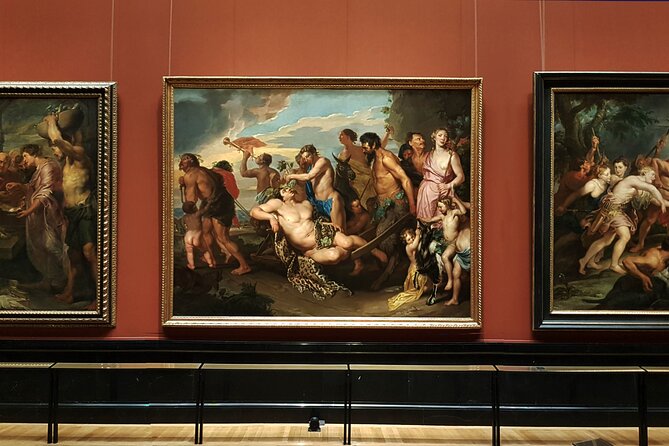
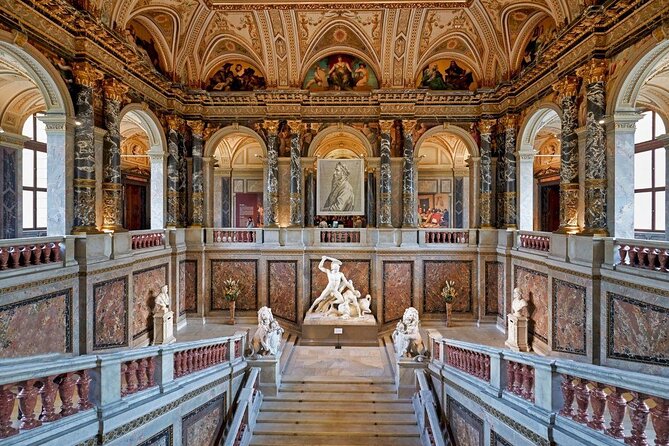
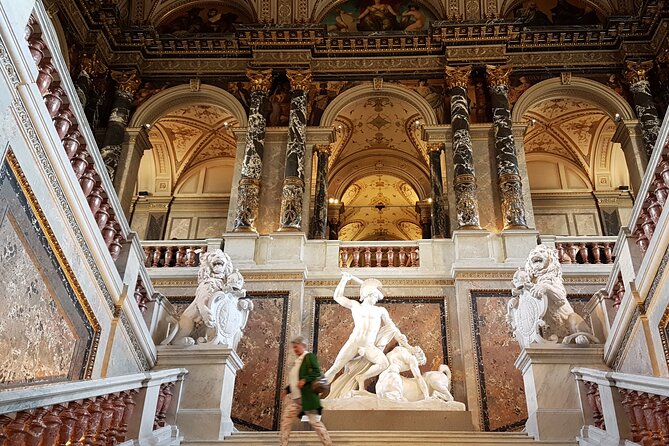
Vienna’s Kunsthistorisches Museum is not a small gallery that you can absorb in an hour. The building itself was designed as a grand temple of art, with historicist details drawn from three major Western cultures. Inside, the scale continues: paintings by Bruegel, Velázquez, Holbein, Dürer, Giorgione, Cranach, Raphael, Rembrandt, Rubens, Titian, and Arcimboldo share space with ancient objects and decorative arts.
That abundance is both the museum’s strength and its problem. You can see one famous name after another, yet still leave without understanding why a work matters. I find a guide especially useful here because the experience is not only about identifying artists. It is about learning how to look.
A good explanation might draw your attention to a small gesture, a strange object, a symbol, or a political clue. It can also show how one work relates to another. Julia’s approach includes questions at the start, so the visit is not simply a lecture delivered at you. You can signal your interests and ask for more time with a particular artist or object.
More Museums in Vienna:
- Vienna: Skip-the-Line Sisi Museum, Hofburg and Gardens Tour
★ 4.8 · 5,918 reviews - Vienna Kunsthistorisches Museum Day Admission Ticket
★ 4.6 · 3,690 reviews - Tickets for the Albertina Exhibitions
★ 4.7 · 2,126 reviews
Following the museum’s 35 must-see works
The museum’s own visitor guidance includes several scales of viewing: 700 masterpieces for local art lovers, 100 for repeat visitors, and 35 essential works for first-time guests. This three-hour tour follows the shortest of those paths while looking closely at the selected pieces.
That is a smart plan. You will not see every room, and you should not expect to cover the entire institution in detail. Instead, you get a reasoned selection of works that represent the museum’s greatest strengths. The result should feel less like a checklist and more like a guided argument about what makes a masterpiece worth your attention.
I appreciate this approach for a first visit. A famous painting can be easy to admire and hard to understand. Julia’s job is to slow the experience down without allowing one work to swallow the entire afternoon. The tour is designed to help you see the important pieces without feeling overloaded.
You should still tell the guide what interests you. If Bronzino is high on your list, ask for him. If you are fascinated by the Habsburg world, say so. If unusual objects appeal to you more than grand paintings, the collection offers plenty to discuss.
The great painters, seen with context
The main painting collection gives the tour its obvious appeal. Names such as Bruegel, Velázquez, Rubens, Dürer, Rembrandt, Raphael, Titian, and Arcimboldo are not just stops for photographs. They open doors into changing ideas about religion, power, wealth, portraiture, science, and daily life.
Julia’s teaching style is particularly useful for visitors who want context without needing an art degree. She brings together the painters’ biographies and the political and economic forces of the 16th through 19th centuries. That matters because a painting rarely makes complete sense when separated from its time.
The historical setting also connects the museum to Vienna itself. This is not merely a collection of unrelated European masterpieces. It reflects the collecting habits and ambitions of the Habsburg rulers and the city’s role in European culture. The tour helps you see why these works are gathered in Vienna and how they fit into the wider story of the museum.
The guide’s use of humor and anecdotes is another plus. Serious art discussion can become dry if every explanation sounds like a textbook. Julia’s style, as described through her work with visitors, mixes academic detail with a conversational tone. That makes it easier to remember what you have seen after you leave.
Egyptian, Greek, and Roman art beyond the paintings
The Kunsthistorisches Museum is also home to collections from ancient Egypt, Greece, and Rome. If your group has an interest in archaeology or classical studies, tell Julia early. One tour included a Classical Studies student, and the discussion in the Egyptian Collection became a special part of the visit.
This broader collection changes the feel of the tour. You are not moving only from one European canvas to another. You may compare ideas across centuries and cultures, or consider how objects were made, used, collected, and displayed.
The ancient galleries also give the guide another way to explain the museum’s purpose. A universal museum gathers different forms of human creativity under one roof, but that arrangement raises questions. Why are these things here? Who collected them? How were they valued? Julia has used the museum map as a framework for discussing those questions, which can turn a visit into a clear story rather than a string of isolated facts.
The amount of ancient material you see will depend on your group’s interests and the guide’s route. The tour promises the museum’s main masterpieces, not a full survey of every Egyptian, Greek, or Roman room. If ancient art is your top priority, make that clear when the tour begins.
A few more Vienna half-days to weigh up
- Vienna: Vivaldi’s Four Seasons Concert in Karlskirche
★ 4.7 · 14,951 reviews - Vienna: Spanish Riding School Training
★ 3.9 · 9,281 reviews - Vienna: Skip-the-cashier-desk-line Giant Ferris Wheel Ride
★ 4.5 · 7,859 reviews - Vienna: Schönbrunn Palace & Gardens Skip-the-Line Tour
★ 4.7 · 7,739 reviews
The cabinets of curiosities and the turquoise hippo
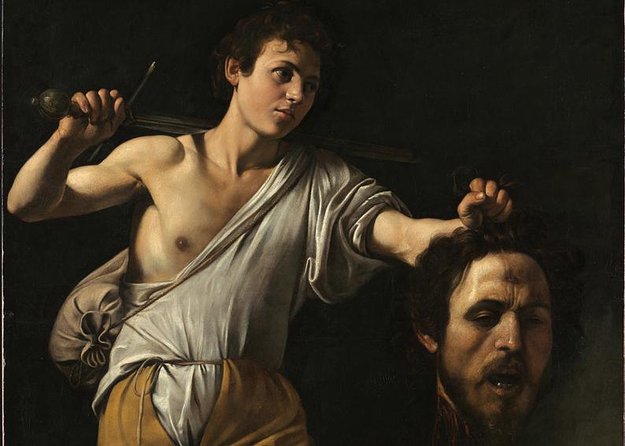
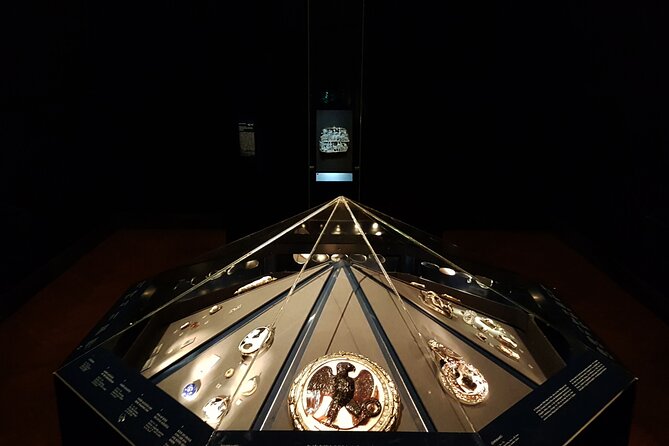
About a quarter of the museum’s exhibition space is given to cabinets of curiosities. These rooms bring together indoor sculpture, church plate, decorative elements, scientific instruments, and other objects considered unique or especially valuable.
For many people, these displays are a welcome break from the grand picture galleries. They show how collecting once worked before modern museums divided objects into tidy departments. A precious religious object might sit near a scientific instrument or a sculptural curiosity, all valued for rarity, craftsmanship, or wonder.
One particularly memorable detail is a turquoise hippo. It is a small example of the kind of object that can become a favorite once someone explains why it is there and what it tells you about ancient art or museum collecting. I like tours that leave room for such discoveries. The most famous painting may be the reason you book, but an unexpected object can become what you remember best.
The tour can also include Gothic boxwood miniatures, including a tiny prayer nut. These finely made objects reward close looking and careful explanation. Julia’s discussion of one prayer nut even changed how a visitor approached the entire genre. That is a good reminder that scale does not equal importance. A small object can carry as much craft, symbolism, and historical interest as a monumental painting.
A private tour shaped around your questions
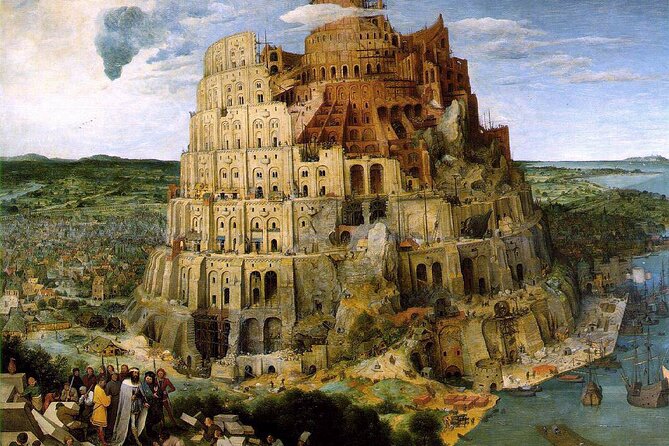
Because this is a private activity, only your own group takes part. That changes the pace in practical ways. You can stop to ask about a detail, request more background, or move on when a particular period does not hold your attention.
This format is especially helpful for families, couples, and friends with different levels of art experience. A beginner can ask basic questions without feeling self-conscious. An experienced museumgoer can request comparisons or technical details. The guide can adjust the conversation instead of delivering one fixed script to a mixed crowd.
Julia has also set academic goals for a museum visit, using those goals to make the experience interactive. That does not mean you need formal art training. It means you may be asked to look closely, form an opinion, and think about why a work succeeds.
The guide has also connected museum discussions across subjects, including Klimt, Schiele, Marcus Aurelius, and Julius Caesar on other tours. That suggests an ability to move between art, history, and culture when your questions lead in that direction. Still, you should remember that this specific experience lasts about three hours. A long list of special requests may not fit comfortably.
Price, timing, and practical value
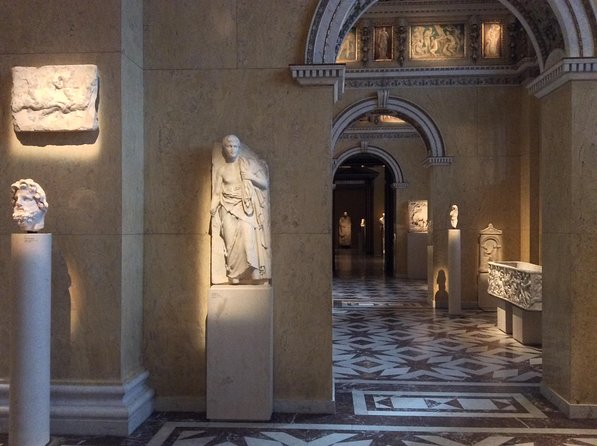
The listed price is $283.12 per person. Since this is private and admission is included, the value depends heavily on group size and your interest in art. For one person, the cost is hard to justify unless you place a high value on personal instruction. For two or more people, splitting the private guide fee may make the experience more appealing, though the stated price is still calculated per person.
I would compare it with the cost of entering the museum on your own and the time you would spend deciding what to see. Self-guided admission gives you freedom and a lower total cost, but it also leaves you to navigate the collection’s scale. This tour pays for direction, interpretation, and the chance to ask questions throughout the visit.
Plan on three hours, and arrive punctually at Maria-Theresien-Platz in front of the museum’s main entrance. There are three doors, but the central one is closed. Your guide waits in front of it, so do not search for a separate ticket office or side entrance.
The museum is near public transportation. You may show a paper or electronic voucher, and confirmation is provided when you book. The activity calls for a moderate level of physical fitness, so expect a substantial museum visit rather than a short introduction.
Free cancellation is available if you cancel at least 24 hours before the local start time. Changes or cancellations inside that window are not accepted for a refund.
Who should book this museum experience
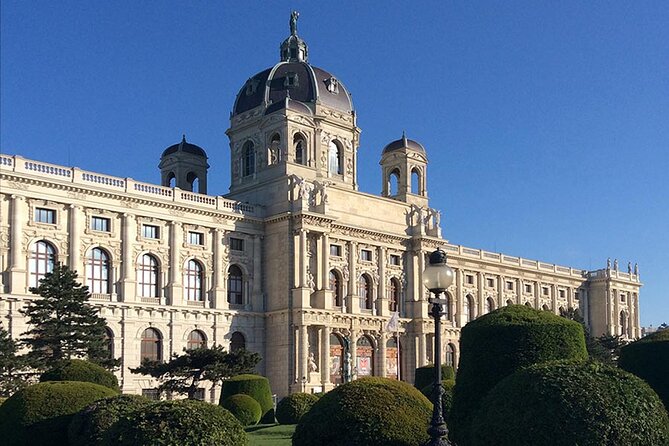
I would recommend this tour most strongly to a first-time visitor who wants to see the museum’s major works but does not want to create a complicated plan. It also suits anyone who enjoys asking questions and prefers conversation to a recorded audio guide.
Art students, history enthusiasts, and repeat museum visitors can benefit too, especially if they request a particular theme. The private setting gives you a chance to move beyond the standard highlights and ask about collecting, symbolism, materials, or historical context.
Families may appreciate the guide’s use of humor, props, and questions. A child or teenager who might lose interest in a long gallery can be drawn into a discussion about a strange object, a tiny sculpture, or the story behind a painting.
I would hesitate to recommend it to someone who wants to wander alone, move quickly, or see every department. You will be following a selective route, and the price is much higher than visiting independently. The tour works best when you want understanding, not just access.
Should you book it?
Book this private tour if the Kunsthistorisches Museum feels too large to tackle alone, or if you want a serious but approachable conversation about art. Julia’s strengths are clear: art history, storytelling, historical context, humor, visual comparisons, and the ability to respond to individual interests.
The strongest reason to choose it is not simply that tickets are included. It is that three focused hours can turn a grand but confusing museum into a manageable set of memorable works. If you are content to admire paintings without asking why they matter, save the money and visit independently. If you want to understand the Bruegels, Velázquezs, ancient objects, curiosities, and tiny treasures in front of you, this is a worthwhile splurge.
FAQ
Where does the tour begin?
The meeting point is Maria-Theresien-Platz, 1010 Vienna, Austria, in front of the Kunsthistorisches Museum’s main entrance.
Where does the tour end?
The activity ends back at the meeting point in front of the museum.
How long does the tour last?
The tour lasts approximately three hours.
Is museum admission included?
Yes. Admission to the Kunsthistorisches Museum is included in the tour price.
Is this a private tour?
Yes. Only your own group participates in the activity.
What language is offered?
The tour is offered in English.
How far in advance is the tour usually booked?
On average, this experience is booked 60 days in advance.
Can I cancel for a refund?
Yes. You can cancel up to 24 hours before the experience start time for a full refund. Cancellations and changes made less than 24 hours before the start time are not accepted for a refund.
Recently added around Vienna
- Vienna: Private tour Mauthausen and Linz★ 4.1 · 3 reviews
- 2-Day Prague Tour from Vienna with private Transfers and Lunches★ 5.0 · 3 reviews
- Vienna Self Guided Sherlock Holmes Murder Mystery Game★ 4.5 · 3 reviews
- Vienna Private Schönbrunn Palace Tour, Extra Rooms and Gardens★ 5.0 · 3 reviews
- Salzburg and Lake Region Private Day Trip from Vienna★ 5.0 · 3 reviews
- Small-group Vienna Wine Tour★ 5.0 · 3 reviews
- True Crime mobile puzzle rally Vienna★ 4.0 · 3 reviews
- Exploring the Gutenstein Alps★ 5.0 · 3 reviews
Vienna Tours, compared.

Vivaldi’s Four Seasons Concert in Karlskirche
Read our review →

Skip-the-cashier-desk-line Giant Ferris Wheel Ride
Read our review →
Schönbrunn Palace & Gardens Skip-the-Line Tour
Read our review →
Light of Creation Votive Church Immersive Light Show
Read our review →

Skip-the-Line Sisi Museum, Hofburg and Gardens Tour
Read our review →
Hallstatt & Alpine Peaks Day Trip with Skywalk Lift
Read our review →Browse the lists this tour appears in