
Reviewed · CHRISTMAS MARKETS IN VIENNA
Wien: Tour with locals on the trails of the Christmas Tree
Vienna’s Christmas trees have a surprisingly dramatic story. This two-hour walk follows that story through the illuminated city center, from the Anker Clock to palace streets, the Albertina, and Rathausplatz. Guide Nicole also places the tree in the social world of 19th-century Vienna, where a new custom met old Catholic habits.
I like the small groups of up to 10, and I like the way the route connects a seasonal custom with Vienna’s architecture and city life. The option to finish at an Advent market, with a punch and time to browse, adds a useful bit of Christmas atmosphere.
The main drawback is focus. Some of the history is detailed, and one American visitor found the link between Viennese history and Christmas trees hard to follow in English. If you want a quick market stroll, this may feel too talk-heavy.
Key points to know before you book
- The Christmas tree is the main subject: You learn how the custom reached Vienna and why it caused tension with Catholic church traditions.
- Nicole leads the walk: She speaks English, Italian, and German, and can respond to individual interests during the tour.
- The route covers central Vienna: Begin at the Anker Clock, pass historic sites and palaces, then continue toward the Albertina and Rathausplatz.
- It is a real outdoor winter walk: Bring warm clothing and good shoes. The tour runs in rain, snow, or shine.
- The group is limited to 10 people: That gives you a better chance to ask questions and adjust the discussion to your interests.
- The $62 price buys context, not admission tickets: Food, drinks, and hotel transfers are not included, but an Advent-market punch may be available at the end during the Christmas season.
Why Vienna’s Christmas tree makes a good walking story
Most Christmas tours point out lights, markets, and decorated squares. This one asks a more unusual question: how did the Christmas tree become part of Viennese life?
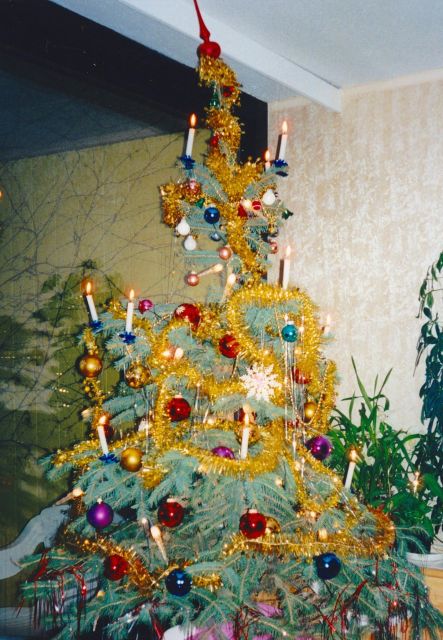
That question opens a door into 19th-century Vienna. The tree was not simply a pretty decoration that everyone accepted at once. You hear about the first place where a Christmas tree was displayed in Vienna, the people connected with the custom, and the way Viennese society reacted to it.
I like this approach because the tree becomes a key to the city rather than the whole lock. You get architecture, palace history, social customs, and the changing meaning of Christmas in Vienna. The subject may sound narrow when you first read it, but it gives the guide a clear thread to follow through the historic center.
The religious angle is also unusual. The tour explains the conflict between the Christmas tree and Catholic churches, which helps explain why the walk does not normally present churches as major stops. St. Peter’s Church is on the route, but you see it only if you specifically want to learn about it.
That detail matters if you prefer a secular cultural tour. If you hoped for a church-heavy introduction to Vienna, you should choose another walk.
More Christmas Markets in Vienna
- Vienna: Christmas & New Year’s Concert in St. Peter’s Church
★ 4.6 · 516 reviews - Christmas and New Year Concert at St. Peter’s Church in Vienna
★ 4.5 · 155 reviews - Vienna: Christmas Markets Tour
★ 4.3 · 99 reviews
Meeting the guide at the Anker Clock
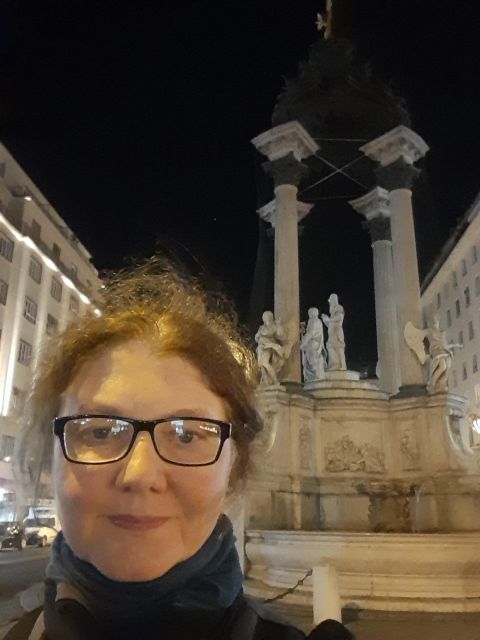
The meeting point is between the Anker Clock and the marriage fountain. This puts you right in central Vienna, close to one of the city’s familiar historic markers and within easy reach of the old town route.
The Anker Clock is a fitting place to begin. It is a visual reminder that this tour is about more than shopping and decorations. You start among old Vienna’s public spaces, then move through streets where the Christmas tree tradition can be connected to the people who lived there.
Allow enough time to find the exact meeting spot. The instructions are specific, but the area has several landmarks close together. If you are unsure, the activity provider asks you to contact the guide by email at [email protected].
The guide speaks English, Italian, and German. Nicole is named as the guide, and the strongest praise for the experience centers on her command of the subject, her excellent English, and her willingness to answer personal questions. At the same time, one English-language booking found the explanations difficult to connect, so language clarity may depend on the pace of the discussion and your comfort with detailed history.
Walking the historic center for 90 minutes
The largest part of the tour lasts about an hour and a half. This is not a point-to-point transfer with a few quick photo stops. You walk through the historic center while the guide explains how the Christmas tree reached Vienna and what it meant in its early years.
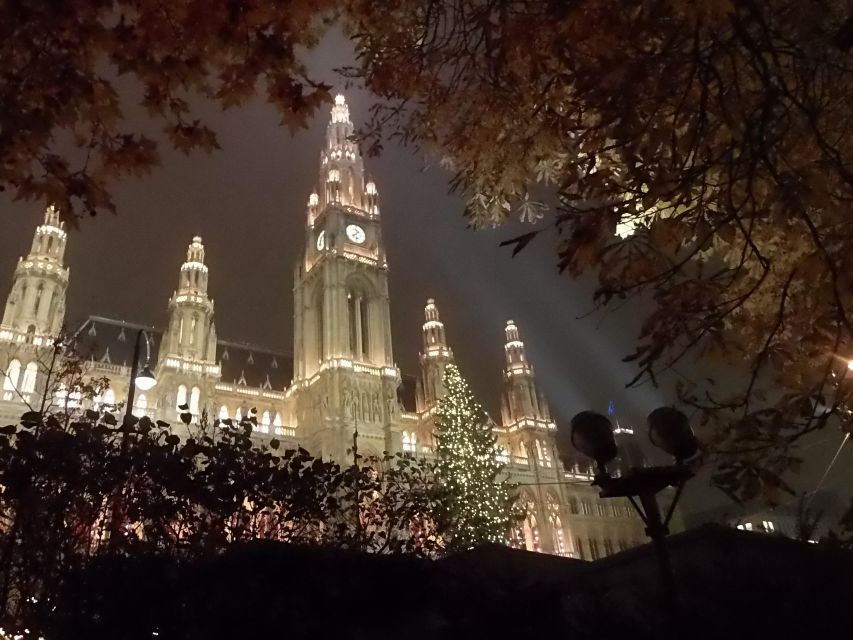
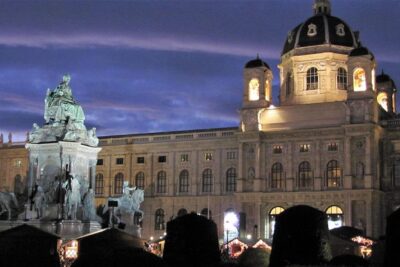
The route moves from palace to palace through the beautifully lit city center. That setting does much of the work. Grand facades, formal squares, and winter lights give the story a strong backdrop, while the guide adds the human side: social habits, community life, and the reaction of Viennese residents to a new Christmas custom.
A useful feature is the use of historical pictures showing people and places tied to the story. Old images can make an abstract explanation easier to follow, especially when the modern street looks very different from the Vienna of the 19th century.
You should expect a steady flow of information. A German participant who already lived in Vienna found the walk interesting and learned new facts about the city. That is a good sign for repeat visitors who think they know central Vienna well.
The tradeoff is mental effort. The guide may move from the Christmas tree to wider Viennese history, and the connections are not always obvious at first. Claudia, an established Viennese resident, found the tour interesting but felt that too few rhetorical pauses made it tiring after a while.
My advice is simple: ask questions when the thread becomes unclear. A small group makes that easier, and Nicole is described as responsive to individual wishes. If you need a slower pace, say so early rather than trying to keep up silently.
The Christmas tree’s first Vienna appearance
One of the most specific moments is the visit to the first place where a Christmas tree was displayed in Vienna. The exact historical site is part of the guide’s explanation, and reaching it gives the subject a physical anchor.
This is more satisfying than hearing a general story about how Christmas traditions spread across Europe. You are shown where the change appeared in Vienna and then given the social setting around it. The guide explains who was involved and how the wider community encountered the custom.
The story also shows why traditions can feel obvious only after they become normal. Today, a Christmas tree in Vienna seems natural. In the period covered by the tour, the custom was new enough to raise questions about taste, religion, and social behavior.
The experience is strongest if you enjoy this sort of close historical detail. You are not simply collecting festive photographs. You are learning why the decoration mattered and how it fitted, or failed to fit, into the city’s established customs.
A different way to spend an afternoon here:
- Vienna: Vivaldi’s Four Seasons Concert in Karlskirche
★ 4.7 · 14,951 reviews - Vienna: Spanish Riding School Training
★ 3.9 · 9,281 reviews - Vienna: Skip-the-cashier-desk-line Giant Ferris Wheel Ride
★ 4.5 · 7,859 reviews - Vienna: Schönbrunn Palace & Gardens Skip-the-Line Tour
★ 4.7 · 7,739 reviews
Albertina Museum and palace views
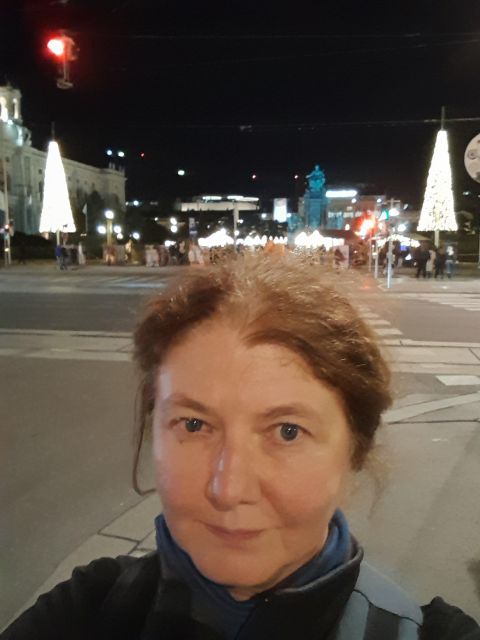
The route includes a guided look at the Albertina Museum area for about 15 minutes. The stop gives you another chance to place the Christmas story against Vienna’s imperial architecture.
The Albertina itself is one of central Vienna’s major cultural landmarks, but the tour information describes a guided visit or stop rather than admission to the museum. Do not assume an entry ticket is included. The price covers the historical guided tour, not food, drinks, hotel transfers, or separate museum admission.
That distinction is important for planning. If you want to spend several hours inside the Albertina, treat this walk as an introduction to the building and its setting, then arrange a separate museum visit.
The short stop also helps keep the two-hour schedule moving. You get context without turning the tour into a full museum program. I would see it as an architectural and historical pause, not a substitute for visiting the collections.
Rathausplatz and the Advent-market finish
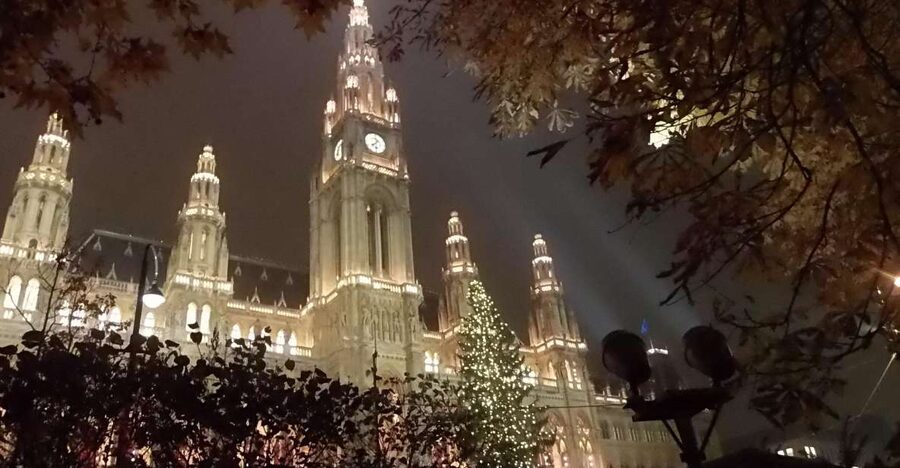
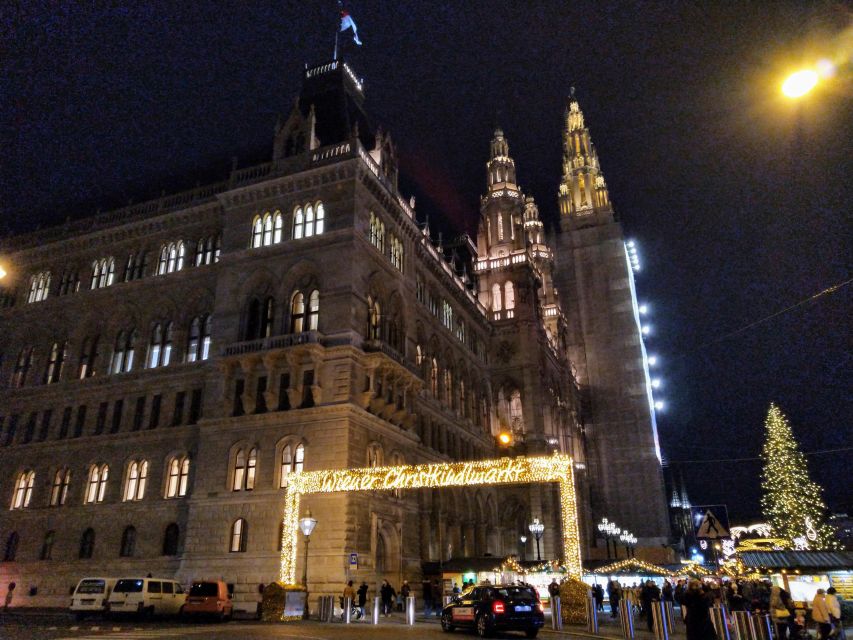
The final section includes about 15 minutes at Rathausplatz. During Advent, this is where the seasonal mood becomes most obvious, with Christmas trees, lights, market stalls, and the grand town hall setting.
At the end of the tour, you may have a punch at one of Vienna’s Advent markets and look around at the seasonal products. Food and drinks are not included in the tour price, so plan to pay for your own punch and anything else you buy.
The finish can be at Am Hof or Rathausplatz, depending on the arrangement. The stated finishing address is Am Hof 1598/1, 1010 Vienna, but the experience also allows you to choose Rathausplatz. Confirm your preferred endpoint with the guide if it matters for your evening plans.
This flexibility is practical. Am Hof is useful if you want to continue exploring the central old town. Rathausplatz suits you if you want to remain near the larger Christmas-market setting. Either way, you can continue your evening without arranging a separate ride.
Do not expect the market portion to be a long, guided shopping session. The main experience is the historical walk. The market is a pleasant way to finish, especially if you want a warm drink after two hours outdoors.
What the $62 price really covers
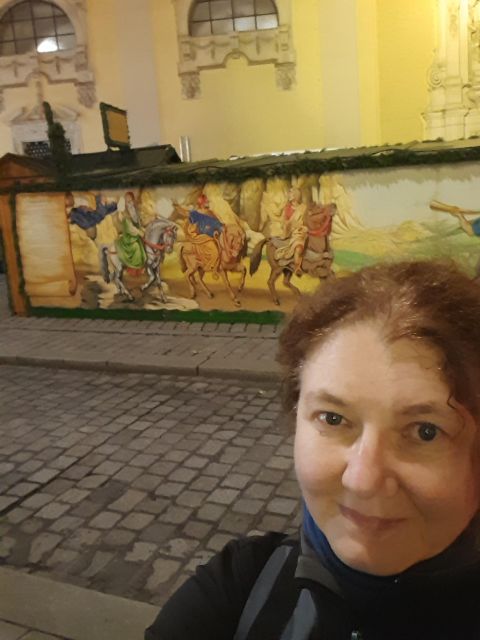
At $62 per person, this is not the cheapest way to see Vienna’s Christmas lights. You are paying for a specialized subject, a live guide, historical images, and a small group limited to 10 people.
The value depends on what you want from a city walk. If you only need directions to the best market stalls, the price is hard to justify. You can explore the markets independently and spend less.
If you want a focused story with architecture around it, the price makes more sense. The guide gives you a reason to look at familiar streets differently. You also get the chance to ask questions, request extra attention to particular interests, and finish with a seasonal drink.
The tour is listed as a small group or even a private group, which improves the value for families, couples, and friends who dislike large crowds. It also means the guide can adapt more easily than on a bus tour or a large walking group.
There are no hotel pickups or drop-offs. You meet in the center and remain on foot, so include the time and cost of reaching the Anker Clock in your plans. No meal is included, and the walk does not replace a separate museum ticket.
Free cancellation is available up to 24 hours before the start for a full refund. You can also reserve now and pay later, which is useful when your Advent schedule is still changing.
Winter clothing matters more than festive style
The tour runs rain, snow, or shine. That is not a minor footnote in Vienna during Advent. You may enjoy the lights more if you prepare for cold streets and possible wet weather.
Wear comfortable shoes and warm clothing. The route lasts two hours, and even a gentle city walk can feel long when you stop often in winter conditions. Comfortable clothes matter more than dressing for a perfect market photograph.
Wheelchair access is listed, but the supplied details do not explain the exact street surfaces, slopes, or restroom arrangements. If you need specific access information, contact the provider before booking.
The tour is outdoors, with no promise of indoor shelter during the explanations. Keep that in mind if you are traveling with young children or anyone who finds standing in cold weather difficult.
Who will enjoy this walk most
I would recommend this tour to you if you like a city story with a clear theme. It suits people who enjoy social history, architecture, traditions, and the reasons behind familiar customs.
It is also a good choice for a repeat visitor to Vienna. The route uses well-known central places, but the Christmas-tree story may show you details you have missed on earlier trips. One local participant found that the tour added new facts even after years in the city.
Families can benefit from the small group and the flexible discussion, though the historical detail may be demanding for younger children. Ask the guide to keep the explanation accessible if your group includes children.
Couples and solo visitors who want an evening orientation may also find it useful. You finish near two strong areas for further Christmas-market exploration, and Nicole can offer suggestions for the following days.
This is less suitable if you want a fast, purely visual walk. It is also not the best fit if your priority is visiting churches, entering museums, or sampling food throughout the tour. The focus is the Christmas tree tradition and the history around it.
Final decision: book for the story, not just the lights
Book this walk if you want to understand how Vienna adopted the Christmas tree and how that custom fit into 19th-century society. Nicole’s personal approach, the small group, historical images, and central route give the experience more substance than a simple lights-and-markets stroll.
Think twice if you prefer short explanations or find detailed city history tiring. The English presentation may also feel demanding if you need a slow, simple style. Bring warm clothes, ask for pauses when needed, and treat the Advent punch as an optional finish rather than part of the included tour.
At $62, the tour earns its value through interpretation. It is a good choice for curious visitors who want the Christmas season to reveal something about Vienna’s people and past, not just its decorations.
FAQ
How long does the Christmas tree tour in Vienna last?
The tour lasts two hours. About 90 minutes are spent on the guided historic-center walk, with shorter guided stops near the Albertina Museum and Rathausplatz.
Where does the tour meet?
The meeting point is between the Anker Clock and the marriage fountain in central Vienna.
Where can the tour finish?
You can choose to finish at Am Hof or Rathausplatz. The stated finishing address is Am Hof 1598/1, 1010 Vienna.
Which languages are available?
The live tour guide speaks English, Italian, and German.
How many people are in the group?
The group is limited to 10 participants. The activity may also be arranged for only your own group.
Is the tour wheelchair accessible?
Yes, the activity is listed as wheelchair accessible. For details about the route and access conditions, contact the activity provider before booking.
Does the tour include food or drinks?
No. Food and drinks are not included. During Advent, you may buy a punch at an Advent market at the end of the tour.
Does the tour run in bad weather?
Yes. The walk takes place rain, snow, or shine. You should bring warm clothing, comfortable clothes, and comfortable shoes.
Can I cancel the booking?
Yes. You can cancel up to 24 hours in advance for a full refund. You can also reserve now and pay later.
Recently added around Vienna
- Vienna: Private tour Mauthausen and Linz★ 4.1 · 3 reviews
- 2-Day Prague Tour from Vienna with private Transfers and Lunches★ 5.0 · 3 reviews
- Vienna Self Guided Sherlock Holmes Murder Mystery Game★ 4.5 · 3 reviews
- Vienna Private Schönbrunn Palace Tour, Extra Rooms and Gardens★ 5.0 · 3 reviews
- Salzburg and Lake Region Private Day Trip from Vienna★ 5.0 · 3 reviews
- Small-group Vienna Wine Tour★ 5.0 · 3 reviews
- True Crime mobile puzzle rally Vienna★ 4.0 · 3 reviews
- Vienna: Wachau Valley Private Kayak and Wine Tour★ 5.0 · 3 reviews
Christmas Markets in Vienna, compared.
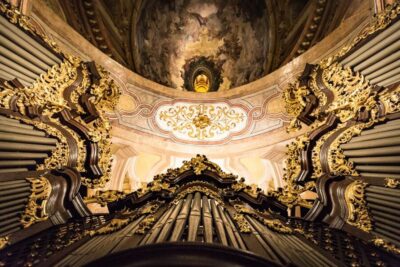
Christmas & New Year’s Concert in St. Peter’s Church
Read our review →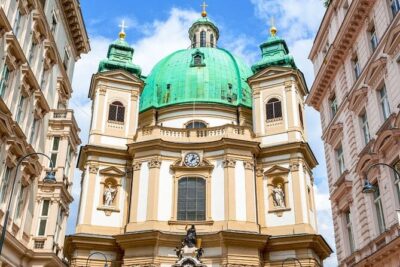
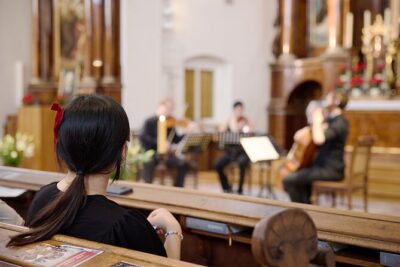
Christmas and New Year Concert at St. Peter’s Church in Vienna
Read our review →
Browse the lists this tour appears in