
Reviewed · VIENNA TOURS
Vienna’s Highlights in two hours (two options)
Vienna’s Greek Quarter is the surprise here. Tucked around Fleischmarkt, Griechengasse, Schönlaterngasse, and Lugeck, it links plague-era legends, Greek merchants, early printing, old music patrons, and curious medieval tales in a compact part of the city. You get two hours of stories and architecture, not a long march through a checklist of famous sights.
I like the private format, since Nicol can answer questions and adjust the pace. I also like the supplied headsets, which make it easier to follow explanations beside busy streets. The main consideration is that this is an outdoor walking tour in all weather, and it is not suitable for wheelchair users.
Key points at a glance
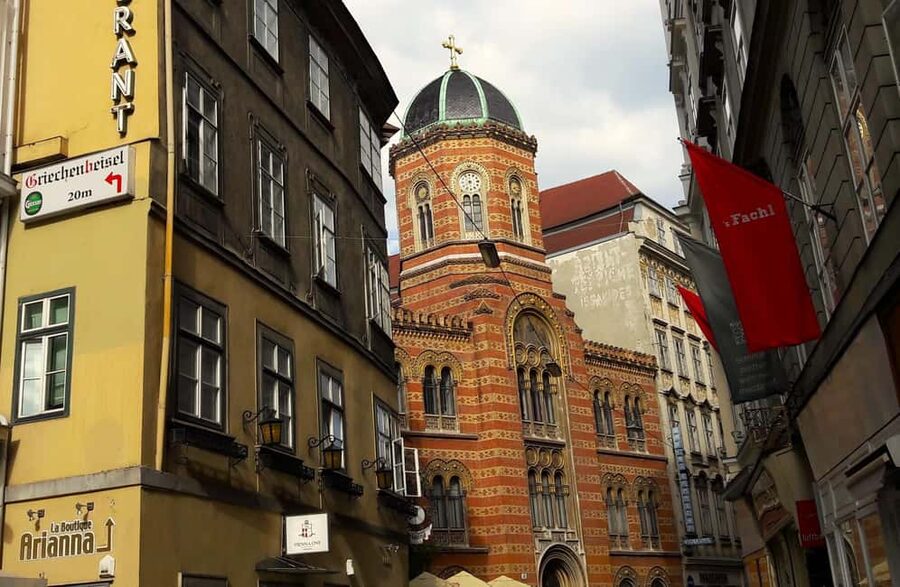
- Vienna’s Greek Quarter: Explore Fleischmarkt, Griechengasse, Schönlaterngasse, and Lugeck, a central area with strong Greek connections.
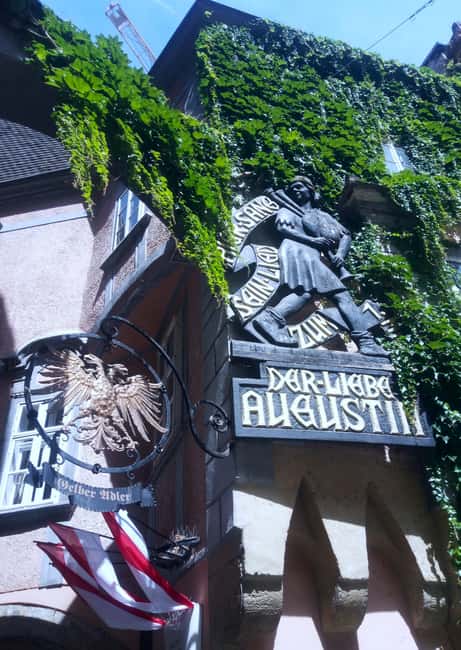
- Augustin and the plague: Hear the story of Augustin and the hope he gave people during Vienna’s plague years.
- A basilisk legend: Learn one of Vienna’s stranger tales in Schönlaterngasse.
- Early printing and Greek independence: Connect old printing houses with Greek merchants, intellectuals, and the road toward Greek independence.
- Old and new architecture: Compare medieval buildings with lesser-known Art Nouveau façades.
- A gentle private walk: The route is easy and not strenuous, with headsets supplied so you can hear the guide clearly.
Why Vienna’s Greek Quarter deserves two hours
Many first visits to Vienna focus on the grand Ringstrasse, the Hofburg, Schönbrunn, and the cathedral. Those places deserve their time, but this walk takes you into a smaller historical pocket where the city’s past feels less arranged for display.
The Greek Quarter is closely tied to Vienna’s story. Greek merchants and intellectuals were active here in the 18th century, and the area also links to churches, taverns, printing houses, and the Danube as a former border zone. That gives the walk several layers. You are not only looking at façades. You are hearing how trade, religion, books, music, science, and rumor shaped this part of town.
I find this kind of route useful early in a Vienna stay. It gives you street names and small landmarks you can recognize later, without asking you to spend half a day on your feet. The supplied map at the end, with illustrations of historic buildings, can also help you plan later walks through the first district.
This is a private tour, so you are not tied to the pace of a large group. The guide speaks English, German, or Italian, and the headsets matter more than they might sound on paper. Vienna’s central streets can be noisy, and a quiet explanation about a façade or legend is easy to miss without clear audio.
A few more Vienna half-days to weigh up
- Vienna: Romantic Old Town 2-Hour Discovery Tour
★ 4.7 · 816 reviews - Vienna: 2 Hours Sightseeing Walking Tour
★ 4.8 · 332 reviews - Vienna: 2-Hour Historical Crimes Guided Walking Tour
★ 4.8 · 130 reviews
Starting near Stubentor and Dr. Karl Lueger
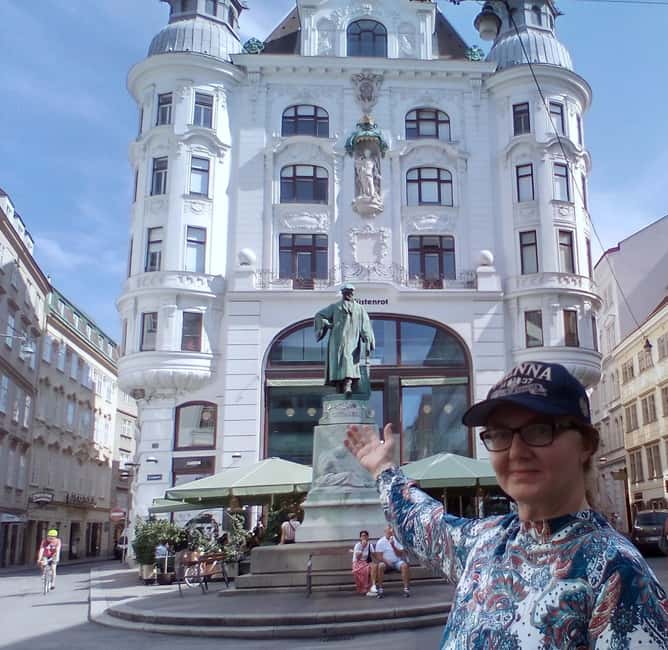
The standard meeting point is near the Dr. Karl Lueger monument, close to the Stubentor subway station. That is a practical place to begin because you are already near Vienna’s historic first district and the eastern side of the old center.
You can also choose an optional pickup. This does not mean a private car or bus. The guide meets you in your hotel lobby or at a public transport station agreed by email, then uses public transport with you to reach the historic center. If you want this arrangement, contact the provider at [email protected] before the tour.
That option may be useful if you are still learning Vienna’s transport system or staying outside the center. It adds a little coordination, though, so confirm the meeting details clearly. If you are comfortable reaching Stubentor, the regular meeting point is simpler.
The walk is described as easy, with limited walking and no strenuous sections. Still, you are outdoors for two hours, so wear sensible shoes and bring rain protection. The tour runs rain or shine.
Fleischmarkt and the Art Nouveau surprises
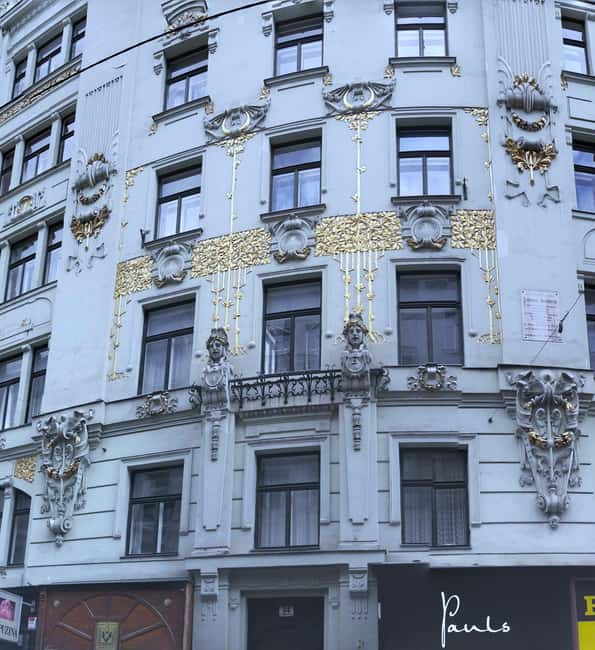
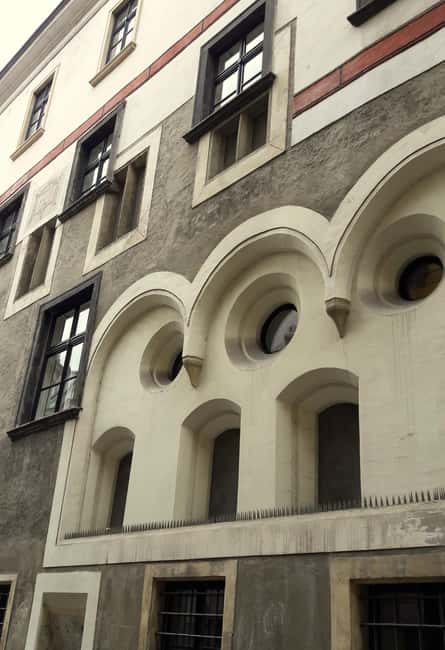
Fleischmarkt is one of the most interesting parts of the route because it shows how Vienna’s architectural history is not limited to imperial façades. Here, the guide points out Art Nouveau buildings that many visitors pass without a second look.
The value is in the connections. You learn how these façades relate to Vienna’s first printing houses and to local legends. That combination gives the buildings more meaning. Instead of seeing Art Nouveau as a decorative style from the late 19th century, you begin to see it layered over streets with much older commercial and religious associations.
I especially like the promise of unknown Art Nouveau. Vienna has no shortage of famous architecture, but the lesser-known examples can be more rewarding when you have a guide who explains what to notice. This is not an architecture lecture detached from the city. The façades are tied to stories about people, books, merchants, and the uses of the buildings.
The route also introduces tales of alchemists and medieval scientists. These stories should appeal if you enjoy the less polished side of European history, where science, belief, invention, and rumor often shared the same room. The guide’s job here is important. Without explanation, an old doorway is simply an old doorway. With context, it becomes part of Vienna’s intellectual and commercial past.
Griechengasse and the Greek connection
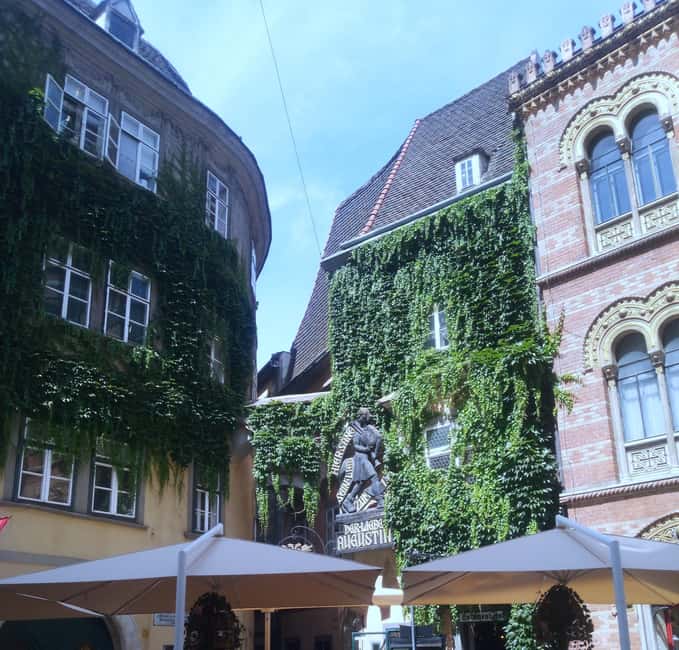
Griechengasse brings the Greek character of the district into clearer focus. Greek merchants and intellectuals were active in this part of Vienna in the 18th century, and the street reflects the city’s role as a meeting point between Central Europe and the eastern Mediterranean world.
The guide also explains the street’s connection to the Danube as a border area. That detail helps place Vienna in a wider setting. The city was not just an imperial capital looking inward. It was also a trading center shaped by movement along the river and by communities arriving from elsewhere.
The route connects this neighborhood with the early preparation of Greek independence. That is a substantial subject for a short walk, so expect an introduction rather than a full political history. Still, it offers a useful reminder that Vienna’s streets were connected to events beyond the Habsburg monarchy.
You may also encounter churches and taverns associated with the Greek community. The appeal is not simply seeing a foreign influence in Vienna. It is understanding how a community worked, worshipped, traded, printed books, and built relationships in the city.
A different way to spend an afternoon here:
- Vienna: Vivaldi’s Four Seasons Concert in Karlskirche
★ 4.7 · 14,951 reviews - Vienna: Spanish Riding School Training
★ 3.9 · 9,281 reviews - Vienna: Skip-the-cashier-desk-line Giant Ferris Wheel Ride
★ 4.5 · 7,859 reviews - Vienna: Schönbrunn Palace & Gardens Skip-the-Line Tour
★ 4.7 · 7,739 reviews
Schönlaterngasse and the basilisk story
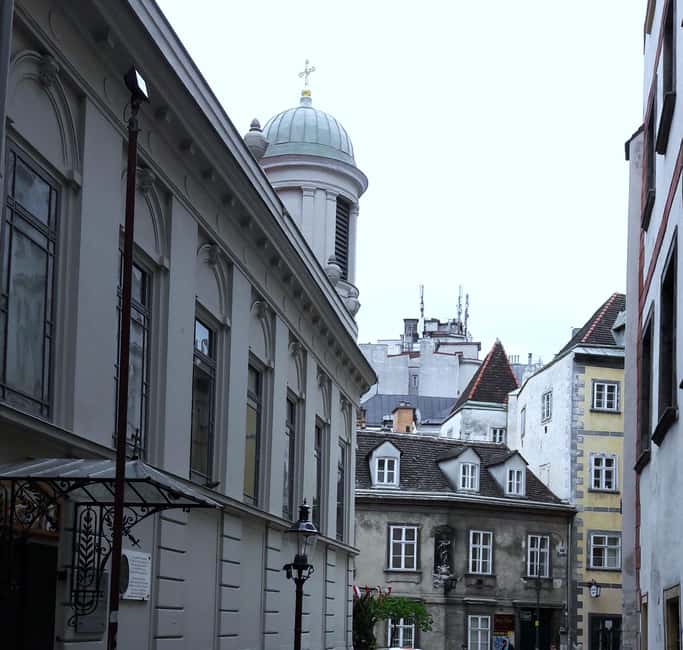
Schönlaterngasse adds a more playful turn to the walk. This is where you hear the saga of the basilisk, one of Vienna’s famous local legends.
The story belongs to the old tradition of urban tales that explain a place through danger, wonder, and rumor. It gives the route a change of mood after the more factual discussion of merchants and printing. You move from documented history into the imaginative world of medieval Vienna, where alchemists, scientists, and strange creatures could all appear in the same neighborhood story.
The walk does not treat legends as simple facts. Instead, they help you understand how people once explained their surroundings and passed local stories from one generation to the next. That makes the basilisk tale worthwhile even if you prefer verified history. It shows how a city builds its identity through both records and storytelling.
Schönlaterngasse also connects with the broader historical themes of the tour. The route keeps shifting between architecture, books, Greek life, old science, and local lore. That variety prevents two hours in a small district from feeling repetitive.
Lugeck, printing, and Habsburg history
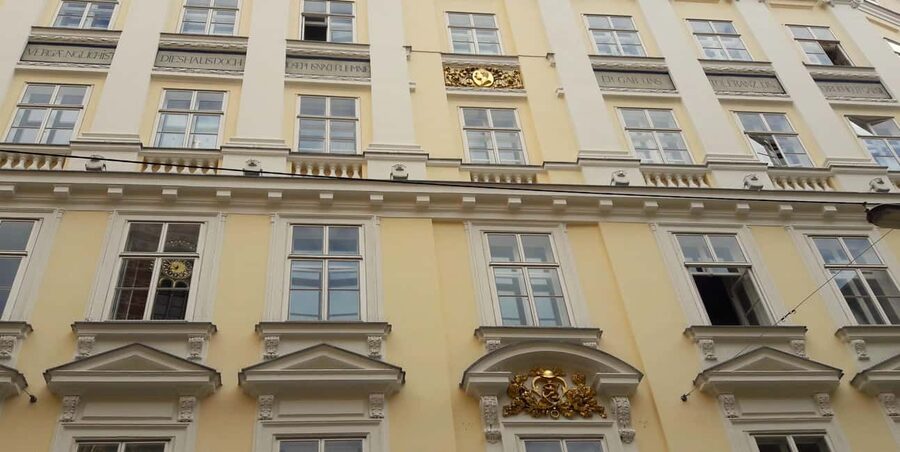
At Lugeck, the tour turns toward Vienna’s printing history and the beginnings of Habsburg rule. The area helps connect the practical business of making books with the larger political history of the city.
Early printing changed who could circulate ideas and how quickly information could travel. In a district shaped by merchants and intellectuals, that story fits naturally. The guide links printing houses with historical facts from the early Habsburg monarchy, then adds legends that have gathered around the area.
You should expect a layered explanation rather than a visit inside an underground printer’s workshop. This is not an underground tour, and there is no indication that the route enters hidden chambers or archaeological spaces. The secret passages mentioned in the experience refer to features the guide points out around the area, not a subterranean adventure.
Depending on the selected option, the activity information gives Lugeck 6 and the Austrian Parliament as possible drop-off locations. The meeting details also describe the activity as ending back at the meeting point. Confirm the exact ending arrangement when you book, particularly if you have a timed reservation afterward.
Vienna’s music, patrons, and old residential tower
Music enters the story through the well-known composers who made music in this part of Vienna and the patrons who supported them. The details are not presented as a separate concert or museum visit. Instead, they form part of the neighborhood’s social history.
That is useful because it shows how artistic life depended on more than the musicians themselves. Wealthy patrons lived nearby, donated money, and helped create the conditions for music to flourish. You get a glimpse of the network behind Vienna’s musical reputation.
The route also points out the oldest residential tower in Vienna. This is a particularly good example of why a local guide helps. A tower may be easy to overlook when you are surrounded by churches, grand public buildings, and ornate apartment façades. Knowing its age and purpose gives you a reason to stop.
The tour presents very old and very new architecture side by side. Medieval elements, 19th-century Art Nouveau, and later changes all occupy the same streets. I like this approach because it avoids treating Vienna as a perfectly preserved imperial stage. The city is older, messier, and more layered than its postcard views suggest.
How the two options affect your day
The two options appear to center on how you reach the historic first district. With the standard arrangement, you meet near Stubentor at the Dr. Karl Lueger monument. With the pickup option, you arrange to meet at your hotel lobby or a public transport station, then travel by public transport to the starting area.
Neither option includes pickup by car or bus. That matters if you have luggage, mobility concerns, or a tight schedule. The pickup is a public transport arrangement, not a door-to-door vehicle service.
The tour lasts two hours. That makes it easy to fit beside a museum visit, coffee stop, or afternoon sightseeing. You will want to avoid scheduling something immediately afterward if you need to cross town, since the exact finish can depend on the chosen option and the final meeting arrangements.
The activity is private, which is the strongest reason to choose it over a larger city walk. You can ask about a building, pause for clarification, or spend more time on the topics that interest you. The tradeoff is that the experience is focused on this specific central district. It is not a broad overview of all Vienna’s major sights.
What the $24 price gives you
At $24 per person, the price is modest for a private two-hour guided walk. The value depends on what you want from Vienna. If you only need a list of major monuments, you can explore the center on your own. If you want the stories behind less obvious streets and buildings, the price is easier to justify.
You are paying for a live guide, a private format, headsets, and a route built around connections that are not always clear from a map. The map with building illustrations at the end is a useful extra, especially if you plan to keep exploring the first district afterward.
The value is strongest for a couple, family, or small private party that prefers questions and conversation. It is also good for repeat visitors who have already seen the cathedral and palace circuit and now want a narrower subject.
The price does not include an underground visit, private vehicle, or entry to a named museum. Keep that in mind when comparing it with a larger sightseeing tour. This is a storytelling walk through public streets, not an attraction ticket.
Who will enjoy this walk most
I would choose this tour if you like local legends, architectural details, and the way ordinary streets connect to major events. It suits visitors who want an easy introduction to Vienna’s Greek Quarter without giving up an entire morning or afternoon.
It is also a good fit if you prefer a private guide to a large group. Nicol is described as friendly and willing to answer questions, and the format gives you a better chance to ask about details that catch your eye.
The walk may appeal to architecture fans who have already seen Vienna’s grand Art Nouveau landmarks. You can focus here on façades that receive less attention, along with their connections to printing and neighborhood history.
It is less suitable if you want a fast tour of Vienna’s most famous sights. You will not spend the two hours touring Schönbrunn, the Hofburg interiors, or the major museums. It is also not suitable for wheelchair users, according to the activity information.
The tour takes place outdoors in all weather. If rain would spoil your day, check the forecast and make use of the free cancellation policy, which allows cancellation up to 24 hours in advance for a full refund.
Should you book Vienna’s Highlights in Two Hours?
Book it if you want a small, story-filled corner of Vienna rather than another march past the city’s headline monuments. The Greek Quarter, old tower, basilisk legend, printing history, and overlooked Art Nouveau give the walk a clear identity.
I would especially recommend it for a first or second day in Vienna, when you want a short orientation with enough substance to shape the rest of your sightseeing. The private format, headsets, gentle pace, and optional public-transport pickup make it practical.
Skip it if your schedule is already packed with major museums or if you need a fully accessible route. For everyone else, $24 buys a focused look at Vienna’s streets, legends, and communities, with a guide who can answer questions instead of sending you onward with only a list of names.
FAQ
How long does the Vienna highlights tour last?
The tour lasts two hours.
Where does the tour meet?
The standard meeting point is near the Dr. Karl Lueger monument, close to the Stubentor subway station.
Is hotel pickup available?
Optional pickup is available from your hotel lobby or an agreed public transport station. The guide uses public transport to reach the historic first district. Car and bus pickup are not offered.
Which languages does the guide speak?
The live guide is available in English, German, and Italian.
Is this a private tour?
Yes. The experience is a private tour.
What places and streets does the tour cover?
The walk focuses on Vienna’s historic center, including Fleischmarkt, Griechengasse, Schönlaterngasse, and Lugeck. It covers the Greek Quarter, Art Nouveau buildings, printing houses, legends, and historic architecture.
Is the tour suitable for wheelchair users?
No. The activity is not suitable for wheelchair users.
What happens if it rains?
The tour takes place rain or shine. You can cancel up to 24 hours in advance for a full refund.
Recently added around Vienna
- Vienna: Private tour Mauthausen and Linz★ 4.1 · 3 reviews
- 2-Day Prague Tour from Vienna with private Transfers and Lunches★ 5.0 · 3 reviews
- Vienna Self Guided Sherlock Holmes Murder Mystery Game★ 4.5 · 3 reviews
- Vienna Private Schönbrunn Palace Tour, Extra Rooms and Gardens★ 5.0 · 3 reviews
- Salzburg and Lake Region Private Day Trip from Vienna★ 5.0 · 3 reviews
- Small-group Vienna Wine Tour★ 5.0 · 3 reviews
- True Crime mobile puzzle rally Vienna★ 4.0 · 3 reviews
- Vienna: Wachau Valley Private Kayak and Wine Tour★ 5.0 · 3 reviews
Vienna Tours, compared.

Vivaldi’s Four Seasons Concert in Karlskirche
Read our review →

Skip-the-cashier-desk-line Giant Ferris Wheel Ride
Read our review →
Schönbrunn Palace & Gardens Skip-the-Line Tour
Read our review →
Light of Creation Votive Church Immersive Light Show
Read our review →

Skip-the-Line Sisi Museum, Hofburg and Gardens Tour
Read our review →
Hallstatt & Alpine Peaks Day Trip with Skywalk Lift
Read our review →Browse the lists this tour appears in