Reviewed · VIENNA TOURS
Vienna: Ticket to the Weltmuseum
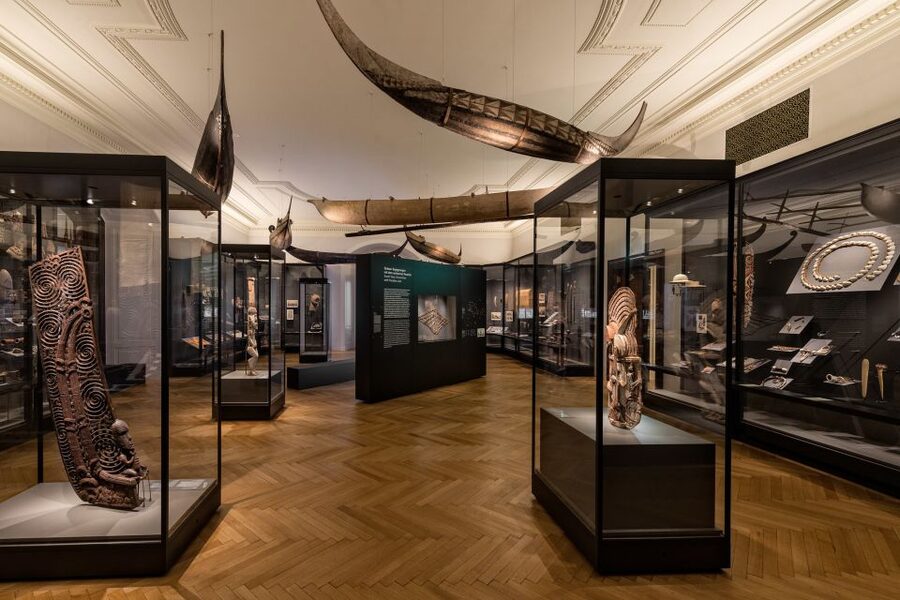
The most striking part of Vienna’s Weltmuseum is the contrast between its grand imperial setting and the objects gathered from far beyond Europe. Inside the Neue Burg on Heldenplatz, you can see the famous Mexican feather decoration known as the Penacho, examine objects linked to James Cook, and move through collections shaped by 500 years of Habsburg collecting.
I like the museum for two clear reasons: the Penacho gives the visit a memorable centerpiece, while the wide range of objects, photographs, and books gives you plenty to explore at your own pace. I also like that your ticket lets you take time with the listed pillar hall, an impressive space that also serves as the museum’s public heart. The main drawback is scale: at $18, the ticket is not a bargain for a quick visit, and you could spend several hours here if you want to read and study every room.
Key points to know before you go
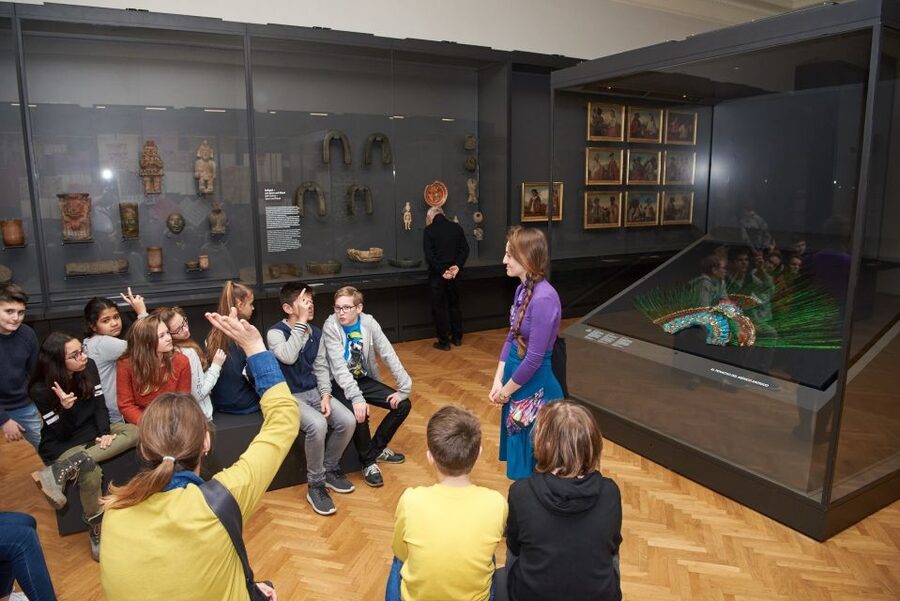
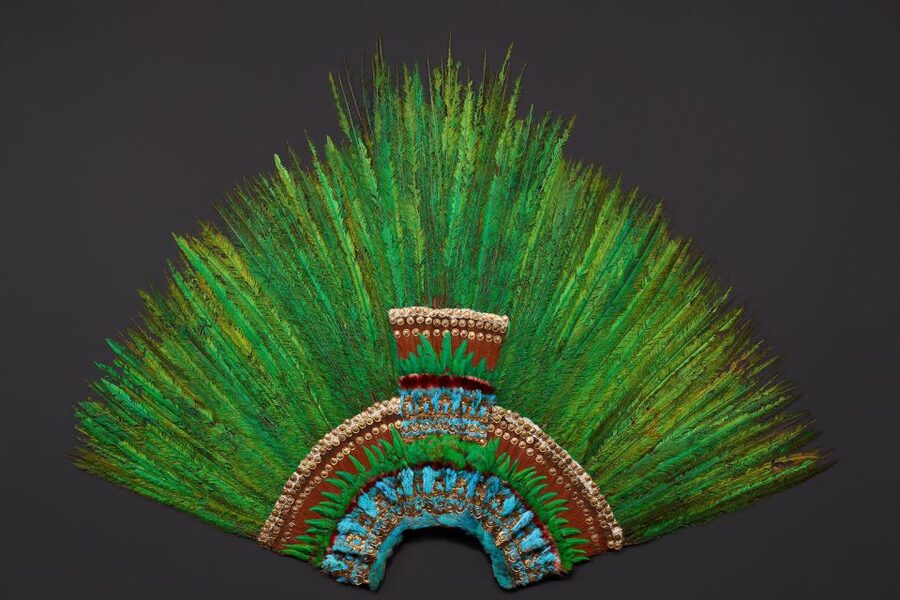
- The Penacho is the headline object: The antique Mexican feather decoration is one of the museum’s most important draws.
- Five centuries of collecting shape the visit: The displays connect imperial collecting with cultures from outside Europe.
- James Cook’s collection adds a strong historical focus: Objects from the famous sailor’s collection provide a separate reason to visit.
- The pillar hall is part of the experience: This listed architectural space is open to the public and used for museum events.
- This is an admission ticket, not a guided tour: You explore the Weltmuseum independently during its one-day validity.
- The price can make sense for a longer visit: A detailed visit may take hours, but a short stop offers less value at $18.
Entering the Neue Burg on Heldenplatz
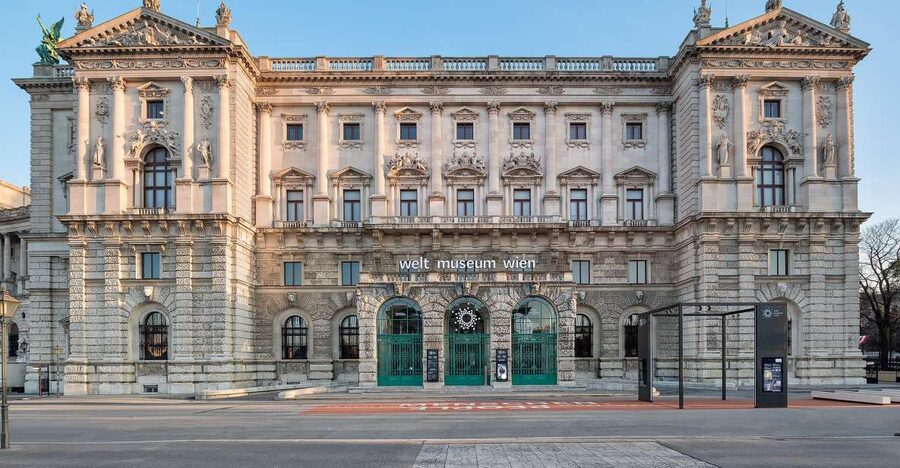
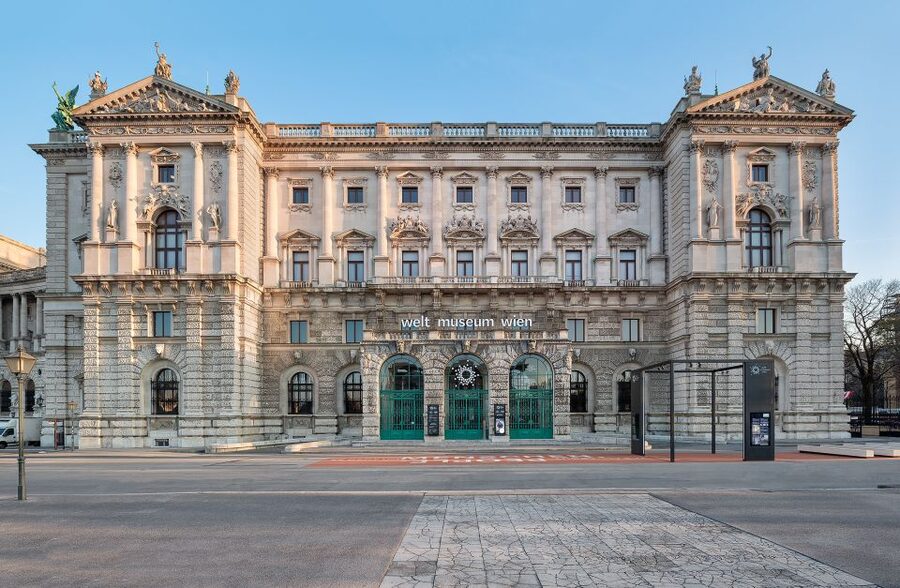
Your visit begins at Heldenplatz, one of Vienna’s grandest public squares, at the Neue Burg, 1010 Vienna. The address matters because this is not a small neighborhood museum tucked away on a side street. You are entering a major imperial building, and the setting prepares you for the Habsburg story that runs through the collections.
The museum’s architecture is part of the appeal. The listed pillar hall is especially important. It is not simply a corridor you pass through on the way to the exhibits. The hall is made available to the public and is used for the museum’s own programs and other events, so it gives the building an active civic role.
I would allow a little time to look up and around before rushing to the cases. The museum works best when you notice both sides of the visit: the objects gathered from distant cultures and the imperial building that housed the collecting tradition behind them.
The ticket is valid for one day, which gives you freedom to set your own pace. No starting time is specified in the information provided, so you should check availability when booking. The activity includes admission to the Weltmuseum, but it does not describe a named guide or a guided tour. Plan on exploring independently.
A few more Vienna half-days to weigh up
- Vienna: Vivaldi’s Four Seasons Concert in Karlskirche
★ 4.7 · 14,951 reviews - Vienna: Spanish Riding School Training
★ 3.9 · 9,281 reviews - Vienna: Skip-the-cashier-desk-line Giant Ferris Wheel Ride
★ 4.5 · 7,859 reviews
The Penacho and the museum’s central draw
For many people, the Penacho will be the reason to buy this ticket. This antique Mexican feather decoration is world-famous, and seeing it in person gives the museum a clear focal point. It is the kind of object that can turn a general museum visit into a specific cultural encounter.
The Penacho also helps you understand why the museum is more than a display of attractive objects. It raises questions about ownership, collecting, cultural meaning, and the way objects move between societies. The supplied information does not provide a detailed account of its history, so you should not expect the ticket itself to answer every question. Still, its presence gives the visit unusual weight.
I would not treat the Penacho as a quick photo stop. Give yourself time to look closely at the materials and construction, then place it beside the wider collection. The museum’s value comes from seeing individual treasures in relation to broader collecting practices, not from ticking off one famous object.
If you are visiting Vienna mainly for classical European art, the Penacho offers a useful change of pace. It takes you away from the familiar Habsburg portraits and Baroque interiors and toward a wider view of how cultures are represented in a major European museum.
Five hundred years of Habsburg collecting
The Weltmuseum’s holdings go back 500 years through the collecting activity of the Habsburgs. That long time span is important, but it also means the museum asks you to think about how collections were formed. Some objects were gathered through imperial networks, travel, scholarship, and personal interests. The displays let you look beyond a single period or country.
Among the older highlights are Kunstkammerstücke connected with Emperor Rudolf II. The term refers to special objects gathered for an imperial collection, and these pieces give you a glimpse into the taste for rare, unusual, and prized things that shaped European court collections.
You might find that this section feels different from the material connected with James Cook. That contrast is useful. Rudolf II’s objects reflect a courtly collecting world, while Cook’s collection points toward maritime travel and encounters with societies beyond Europe.
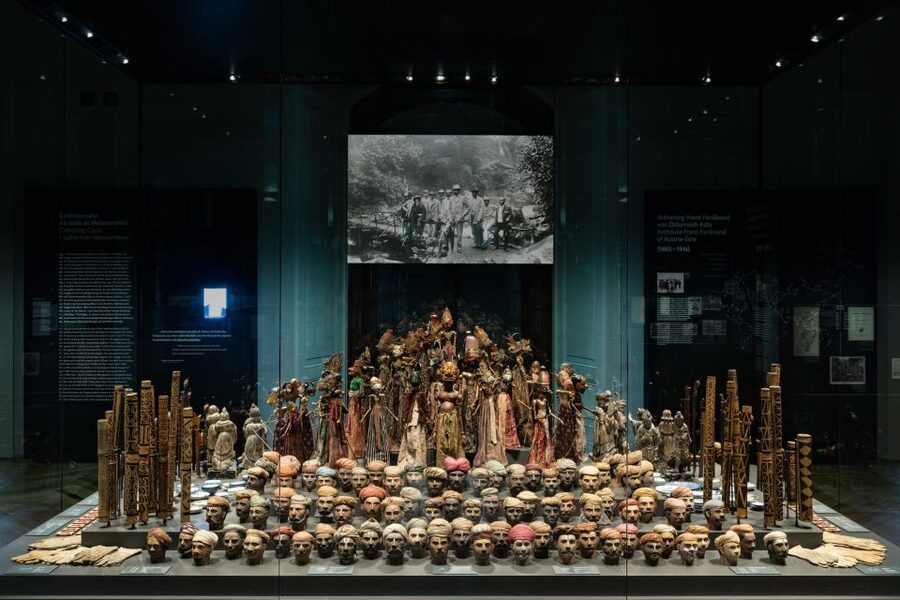
The museum includes ethnographic objects, historical photographs, and books on non-European cultures. This mix gives you more than cases of artifacts. Photographs can show how people and places were recorded, while books reveal how knowledge about other societies was gathered and organized.
The museum is large enough that you should resist trying to read every label. If you have limited time, start with the Penacho, then see the Rudolf II pieces, James Cook’s material, and the pillar hall. If you have several hours, add the photographs and books, which help connect the objects to the larger story of collecting.
James Cook’s collection and the pull of travel
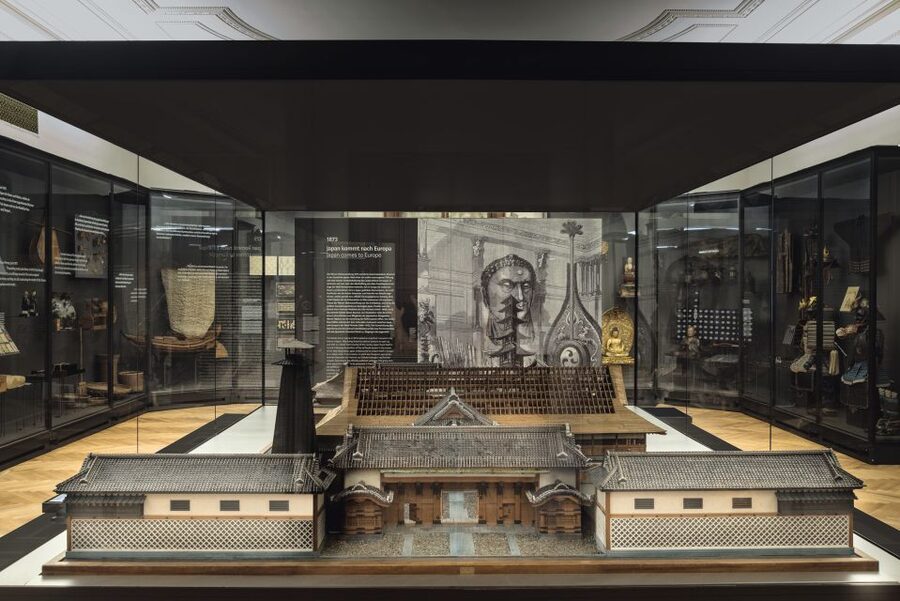
James Cook is another major name attached to the museum. His well-known collection from the 19th century gives the visit a strong travel and exploration thread. It is a useful counterpoint to the Habsburg material because it shifts your attention from court collecting to objects associated with voyages and contact across the world.
The information provided does not list each item in the Cook collection, so you should think of this as a named collection highlight rather than a guaranteed list of specific objects. Its importance lies in the chance to see material linked with one of the best-known sailors in European history.
I like this part of the museum because it encourages you to compare collecting from different angles. A royal collector and a sailor may gather objects for very different reasons, but both collections can shape how later generations understand other cultures.
That comparison also keeps the museum from feeling like a simple parade of exotic objects. You are encouraged to ask who collected something, why it was collected, and what may be missing from the record. You do not need a specialist background to appreciate that question. It is enough to slow down and consider the story behind the display.
A different way to spend an afternoon here:
- Vienna: Schönbrunn Palace & Gardens Skip-the-Line Tour
★ 4.7 · 7,739 reviews - Vienna: Light of Creation Votive Church Immersive Light Show
★ 4.8 · 6,779 reviews - Vienna Spanish Riding School Guided Tour
★ 4.7 · 6,765 reviews - Vienna: Classical Concert in the World-Famous Musikverein
★ 4.6 · 6,673 reviews
The pillar hall is worth more than a passing glance
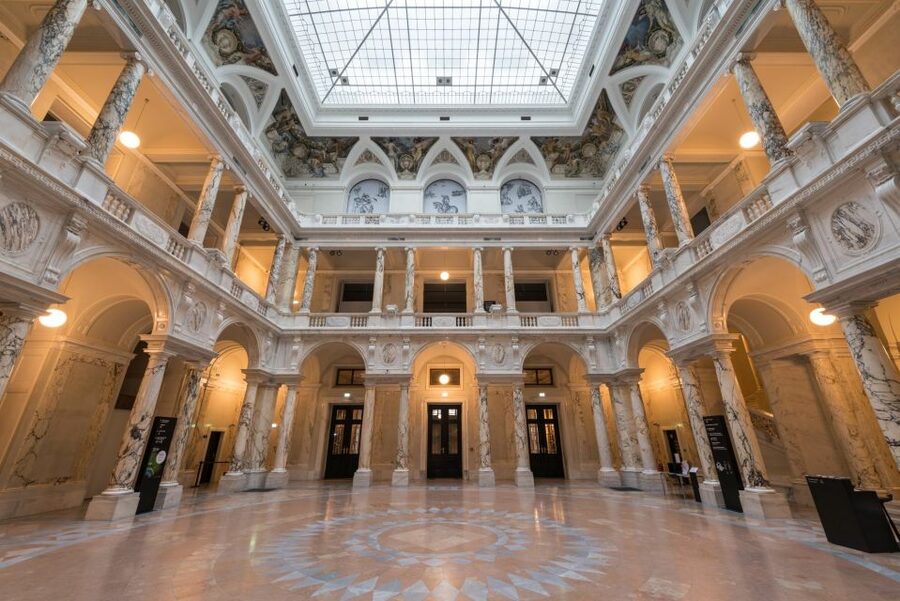
The listed pillar hall is one of the easiest features to overlook if you focus only on the objects. Do not make that mistake. The hall is described as the heart of the Weltmuseum, and its scale gives you a strong sense of the building’s former imperial purpose.
It is also a public space used for the museum’s own events and other customer events. That detail gives the hall a life beyond the exhibits. You may find it especially appealing if you enjoy architecture as much as collections.
A small museum café offers a natural pause. You can take a coffee break and get another view of the pillar hall, making the café more than a practical stop for tired feet. The information does not promise a full restaurant experience, so think of it as a simple break during your visit rather than a reason to come for dining.
The café can help you manage the museum’s size. Rather than hurrying through a long sequence of rooms, stop once you have seen the major highlights, then decide if you want to continue. That flexibility is one of the benefits of a one-day ticket.
How long should you plan to stay?
The ticket is valid for one day, but the ideal visit length depends on your habits. A quick look at the main highlights could be much shorter than a careful reading of the displays. One German-speaking customer described the museum as large enough to occupy days if every room is examined in detail. That is a useful warning for anyone who prefers to read every label.
For most visitors, I would treat the museum as a substantial half-day option rather than a brief add-on. The Penacho, James Cook’s collection, Rudolf II’s Kunstkammerstücke, the photographs, books, and pillar hall all deserve separate attention.
If you are building a full day around the Neue Burg, check what other museum areas are available with your admission or nearby. One comment notes that the ticket can amount to access to three museums in the Neue Burg, while also noting that not every additional area felt equally engaging. Since the supplied ticket details specifically include admission to the Weltmuseum, confirm the exact access offered at booking rather than assuming every museum in the building is included.
The museum suits both focused and flexible schedules. You can make the Penacho your main goal and leave after seeing the key rooms, or you can settle in for a much longer look. The important thing is to choose your pace before you arrive, since the scale can make an unplanned short visit feel rushed.
Is $18 good value?
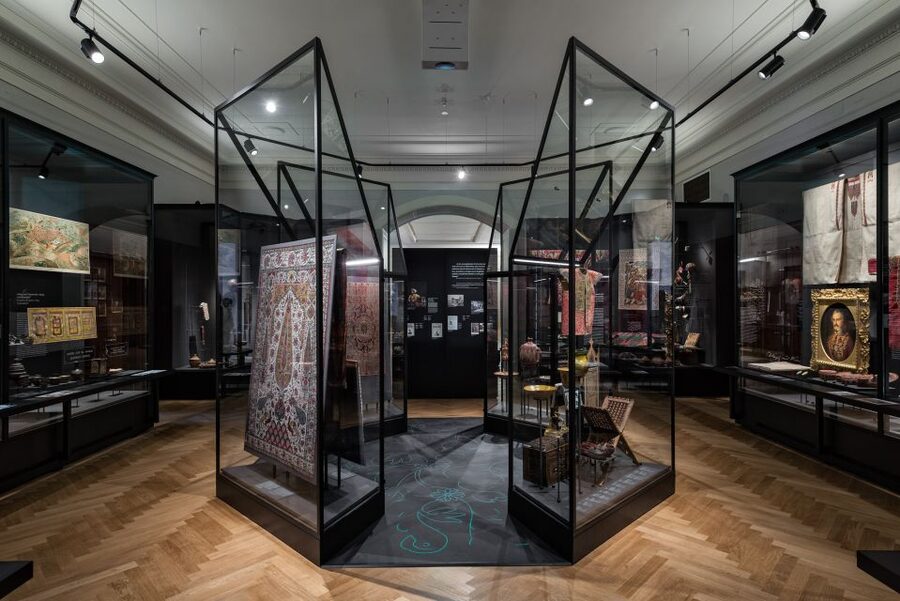
At $18 per person, this is not Vienna’s cheapest museum ticket. The value depends almost entirely on how long you stay and how interested you are in cultures outside Europe, imperial collecting, and museum architecture.
I think the price is fair if you plan a serious visit. You are paying for access to a large museum with objects gathered over five centuries, plus major highlights such as the Penacho and James Cook’s collection. The pillar hall and café add useful architectural and practical elements.
The price is harder to justify if you only want one famous object. If your plan is to see the Penacho, take a quick look around, and move on, $18 may feel high. In that case, the ticket makes more sense when combined with enough time to explore the collections of ethnographic objects, photographs, and books.
A strong rating of 4.7 from 363 assessments supports the idea that the museum usually delivers a satisfying visit, but the individual experience still depends on your interests. One recent German-language assessment called the museum very large and impressive, while also describing the wider Neue Burg admission as costly. That is a balanced way to approach the purchase: the Weltmuseum itself can offer plenty, but the value rises when you use the time well.
Who will enjoy the Weltmuseum most?
I would recommend this ticket to anyone who wants a break from Vienna’s familiar art museums and palace interiors. It is especially suitable if you are interested in Mexico, maritime exploration, ethnographic collections, or the history of European collecting.
Families and mixed-interest groups may also find a workable visit here because the museum offers several entry points. One person can focus on the Penacho, another can spend time with photographs and books, and someone else can enjoy the architecture. The one-day validity helps if your group needs a slower pace.
The museum may be less satisfying if you want a compact, tightly guided experience. There is no named guide or organized itinerary included in the information provided. You are responsible for choosing your route and deciding how much context you need.
Wheelchair access is available, which is useful for visitors who need an accessible museum setting. For all other practical details, including current opening times and starting availability, check before you book because the ticket information does not provide a fixed daily schedule.
Booking decision
Book the Weltmuseum if the Penacho, James Cook, Habsburg collecting, or museum architecture genuinely interest you. The combination of a famous Mexican feather decoration, imperial treasures, non-European collections, historical photographs, books, and the pillar hall gives you more than a single headline exhibit.
I would skip it only if your Vienna schedule is already packed with museums and you can spare just a few minutes. At $18, this is best treated as a proper visit, not a quick stop. Give it several hours, use the café as a pause, and let the building and collections work together. That is when the ticket offers its strongest value.
FAQ
Where is the Weltmuseum in Vienna?
The Weltmuseum is at Heldenplatz, Neue Burg, 1010 Vienna, Austria.
What does the ticket include?
The ticket includes admission to the Weltmuseum in Vienna.
How long is the ticket valid?
The ticket is valid for one day.
Is the Weltmuseum wheelchair accessible?
Yes. The activity is listed as wheelchair accessible.
Is a guided tour included?
The information provided describes admission to the museum and does not list a guide or guided tour. You should expect to explore the museum independently.
Can I cancel the booking for a full refund?
Yes. You can cancel up to 24 hours in advance for a full refund.
Recently added around Vienna
- Vienna: Private tour Mauthausen and Linz★ 4.1 · 3 reviews
- 2-Day Prague Tour from Vienna with private Transfers and Lunches★ 5.0 · 3 reviews
- Vienna Self Guided Sherlock Holmes Murder Mystery Game★ 4.5 · 3 reviews
- Vienna Private Schönbrunn Palace Tour, Extra Rooms and Gardens★ 5.0 · 3 reviews
- Salzburg and Lake Region Private Day Trip from Vienna★ 5.0 · 3 reviews
- Small-group Vienna Wine Tour★ 5.0 · 3 reviews
- True Crime mobile puzzle rally Vienna★ 4.0 · 3 reviews
- Vienna: Wachau Valley Private Kayak and Wine Tour★ 5.0 · 3 reviews
Vienna Tours, compared.
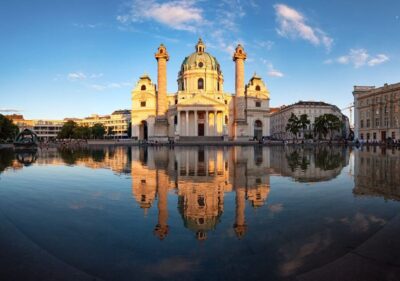
Vivaldi’s Four Seasons Concert in Karlskirche
Read our review →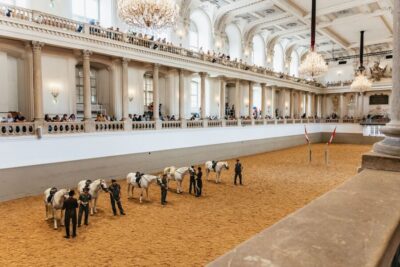
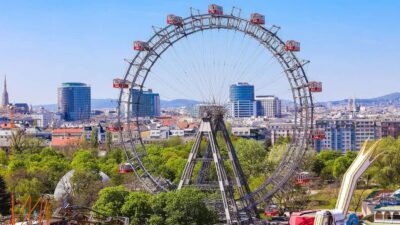
Skip-the-cashier-desk-line Giant Ferris Wheel Ride
Read our review →
Schönbrunn Palace & Gardens Skip-the-Line Tour
Read our review →
Light of Creation Votive Church Immersive Light Show
Read our review →

Skip-the-Line Sisi Museum, Hofburg and Gardens Tour
Read our review →