
Reviewed · SCHONBRUNN PALACE TOURS
Vienna: Imperial Carriage Museum in Schönbrunn Palace Ticket
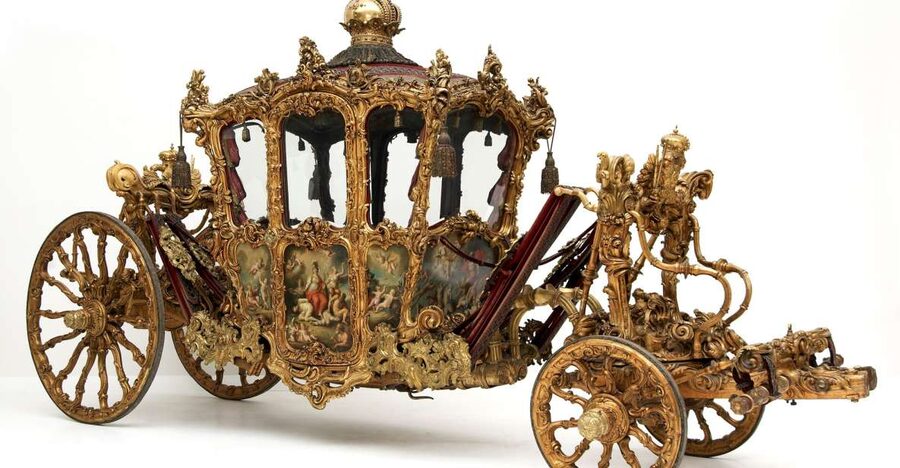
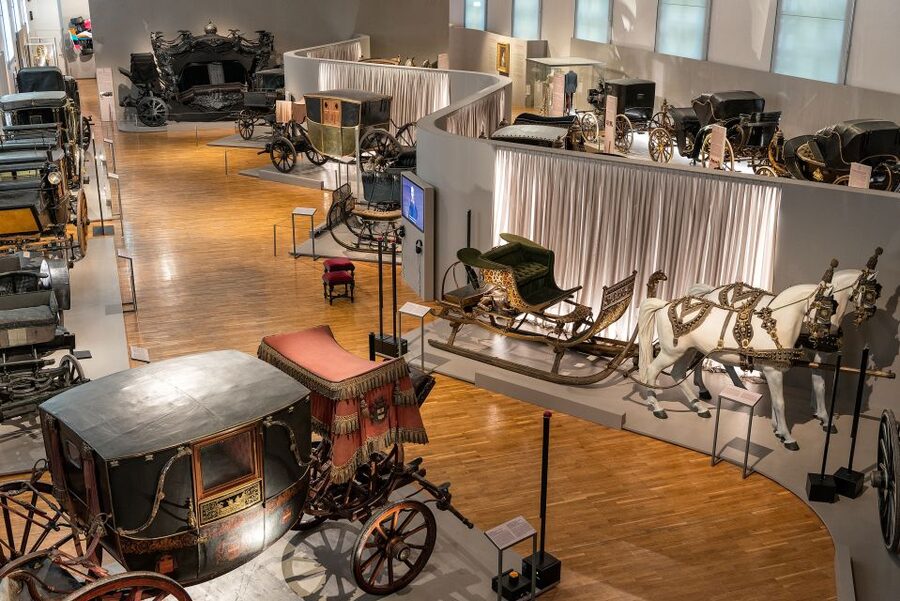
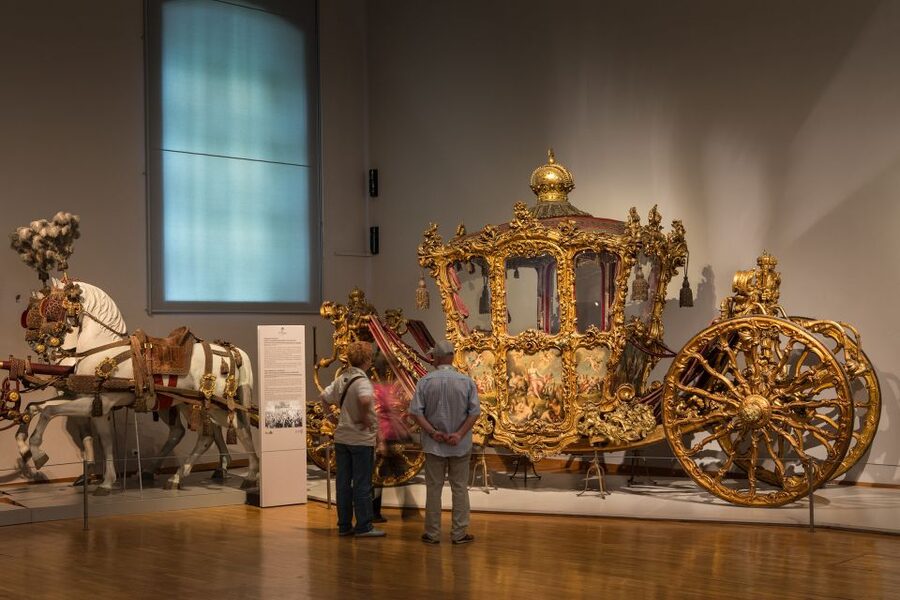
The most striking thing here is the sheer size and polish of the Habsburg carriage collection. Behind the doors of Schönbrunn Palace, you’ll see grand coronation coaches, practical travel vehicles, children’s carriages, and the personal objects that trace Empress Elisabeth’s public and private life.
I like the Baroque imperial coach, with its ceremonial weight and lavish finish. I also like the Sisi Trail, since it adds dresses, a saddle, and a small riding chapel to the carriages. The main catch is practical: your voucher must be printed and exchanged at the museum, so do not arrive with only a phone copy.
This is a self-guided museum visit rather than a traditional guided tour. For $14, it offers good value if you enjoy royal history, design, transport, or Schönbrunn’s Habsburg setting. The audio guide costs extra and is available only when you book that option.
Key points to know before you go
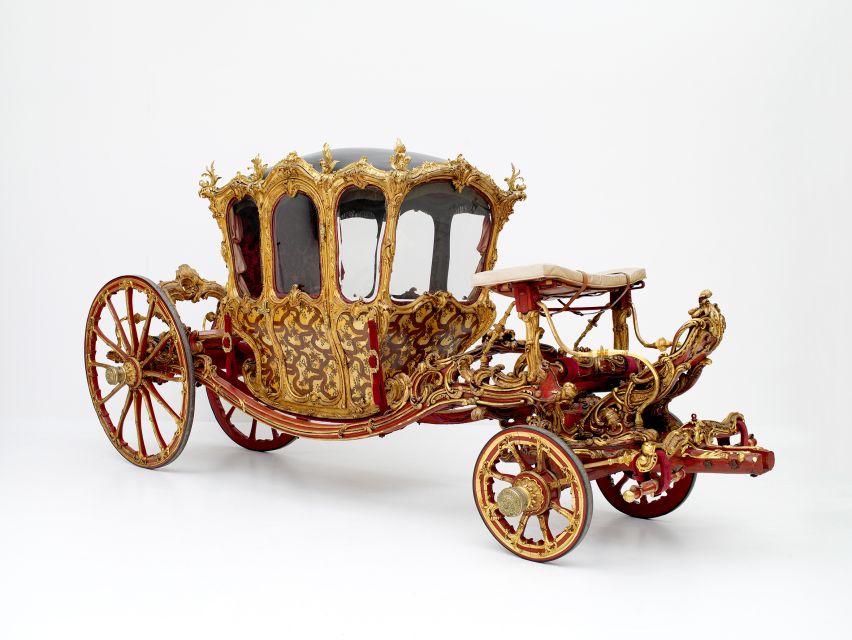
- The Baroque imperial coach is the museum’s grand centerpiece, built for ceremony rather than comfort.
- Maria Theresia, Napoleon, Franz Joseph, and Empress Elisabeth are each represented through vehicles and personal stories.
- The Sisi Trail includes original dresses, her only surviving saddle, and her riding chapel, not just carriages.
- The collection covers both court spectacle and daily royal travel, including coaches and children’s vehicles.
- A printed voucher is required, and it must be exchanged for the museum ticket.
- The visit is valid for one day, with free cancellation up to 24 hours before the scheduled visit.
The Baroque coach sets the tone
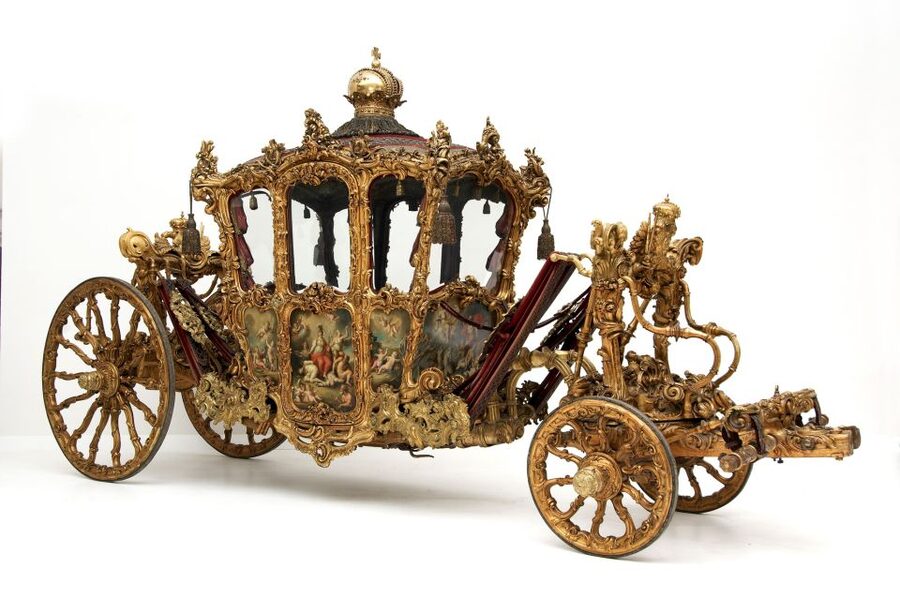
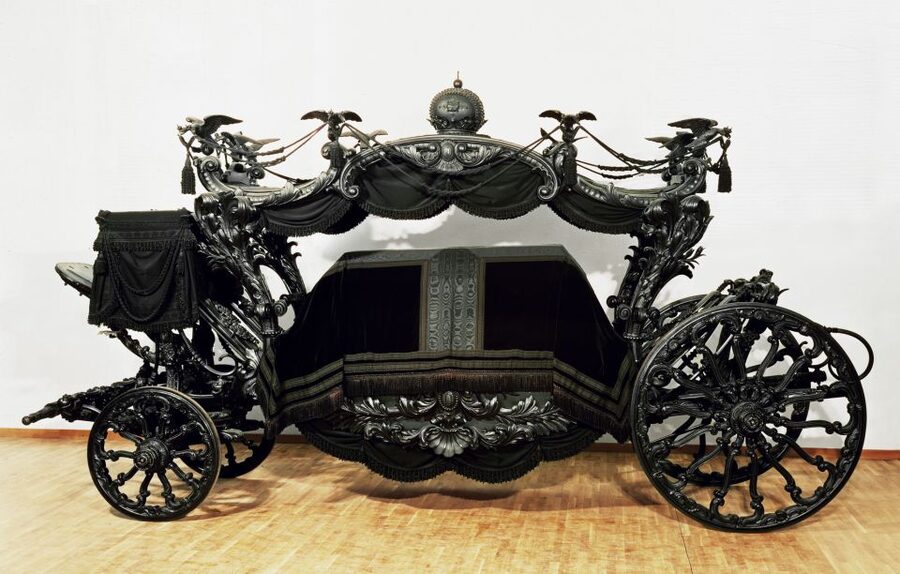
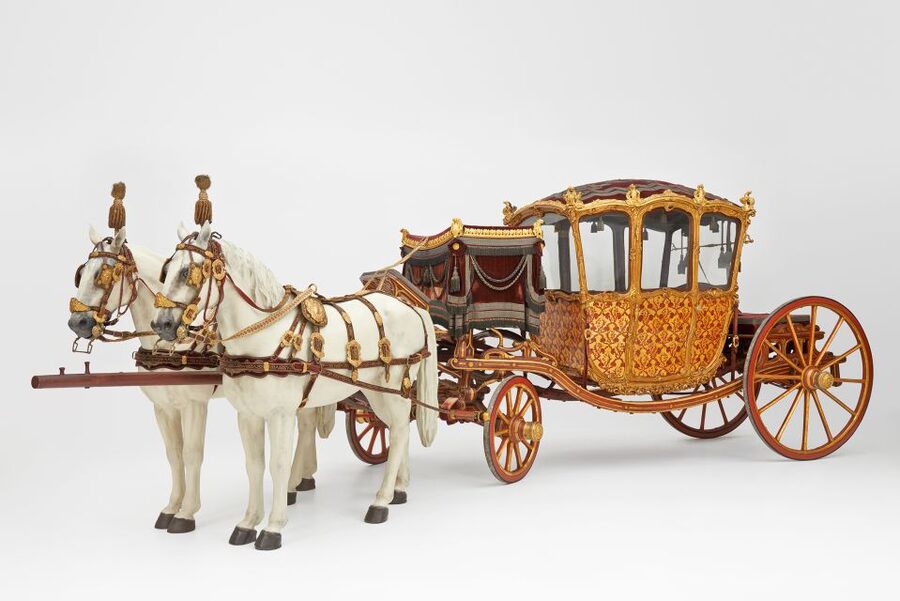
The museum’s strongest first impression comes from the Baroque imperial coach. This is not a modest vehicle meant to slip unnoticed through Vienna. It was designed to make an entrance, and its scale, ornament, and formal character show how the Habsburg court used ceremony to project power.
I find a carriage collection most interesting when it explains more than transport. Here, every large coach raises a simple question: who rode in it, where were they going, and what did the trip mean? A coronation, a wedding, a state visit, and a funeral all required different forms of display.
The Baroque coach is best understood as a public object. It was built for important appearances, with decoration that mattered as much as its ability to move. You can spend a few minutes admiring the details, or slow down and consider the work required to maintain such a vehicle for a single grand event.
That makes this museum a good companion to Schönbrunn Palace. The palace shows you rooms and court life. The carriage museum adds the machinery of movement, ceremony, and public image.
More ways into Schonbrunn Palace:
- Vienna: Schönbrunn Palace & Gardens Skip-the-Line Tour
★ 4.7 · 7,739 reviews - Vienna: Skip-the-Line Schönbrunn Palace & Gardens Tour
★ 4.8 · 5,411 reviews - Vienna: Bus & Schönbrunn Palace Skip-the-Line Guided Tour
★ 4.3 · 2,802 reviews
Maria Theresia and the machinery of court life
Maria Theresia’s carriages connect the collection to one of the most important rulers in Habsburg history. Her vehicles help you picture the practical side of governing an empire before modern roads, railways, or fast communication.
A carriage was an office on wheels, a public stage, and a sign of rank. Trips could be long and uncomfortable, yet the vehicle still had to reflect the passenger’s position. That contrast gives the collection much of its appeal. The exteriors and interiors suggest luxury, but royal travel was not necessarily easy.
Look for the difference between ceremonial coaches and traveling coaches. The first group was made to be seen. The second had to serve a purpose over distance. That distinction helps you read the collection instead of simply walking past one decorated vehicle after another.
I recommend taking time with the less dramatic coaches, too. They may not have the same instant impact as the imperial coach, but they tell you how the court moved when it was not making a grand entrance.
Napoleon and the political power of a carriage
Napoleon’s carriage adds a sharp change in mood. His presence brings the story beyond the Habsburg family and into the tense political world of European rulers, military campaigns, and shifting power.
A vehicle connected with Napoleon is valuable because it gives a physical scale to a famous figure. Paintings and monuments can make rulers seem larger than life. A carriage brings the story back to something tangible: a compartment, wheels, fittings, and the conditions in which a powerful person actually traveled.
You can also compare Napoleon’s carriage with the Habsburg examples around it. Differences in decoration and purpose may suggest how each ruler wanted to appear. One vehicle might project court tradition, while another reflects military authority or personal ambition.
The museum does not require you to know every detail of European politics before arriving. The objects do much of the work. Still, a quick look at the names Maria Theresia, Napoleon, Franz Joseph, and Elisabeth before your visit will make the sequence easier to follow.
Franz Joseph and the long Habsburg era
Franz Joseph’s carriages carry the story into a later period of the monarchy. His reign lasted for decades, and the vehicles associated with him help show how court traditions continued even as Europe changed around them.
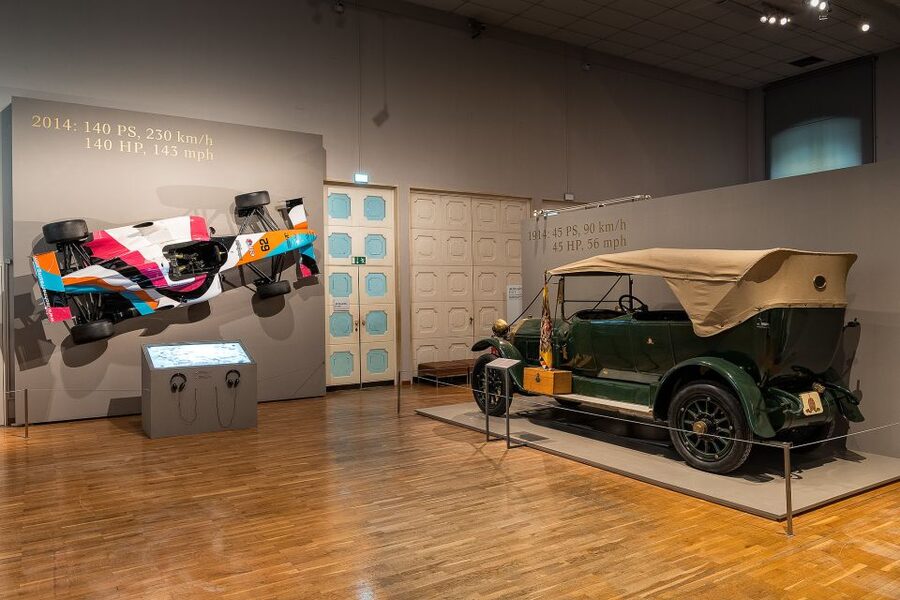
This section is useful for understanding the range of imperial travel. Franz Joseph is linked not only with grand state vehicles but also with the broader system of court transport. A ruler needed coaches for formal appearances, journeys, household use, and the movement of family members.
I like this part of the collection because it makes the monarchy feel organized and human in a very practical way. Royal life required an entire transport system. There were different vehicles for different people, occasions, and levels of formality.
You will also see why the museum works best when you allow time for comparison. The carriages are not isolated curiosities. Together, they show changes in taste, ceremony, comfort, and family life across generations.
More Museums in Vienna:
- Vienna: Skip-the-Line Sisi Museum, Hofburg and Gardens Tour
★ 4.8 · 5,918 reviews - Vienna Kunsthistorisches Museum Day Admission Ticket
★ 4.6 · 3,690 reviews - Tickets for the Albertina Exhibitions
★ 4.7 · 2,126 reviews - Vienna: Chocolate Workshop in Chocolate Museum w/ Tasting
★ 4.5 · 1,802 reviews
Following the Sisi Trail
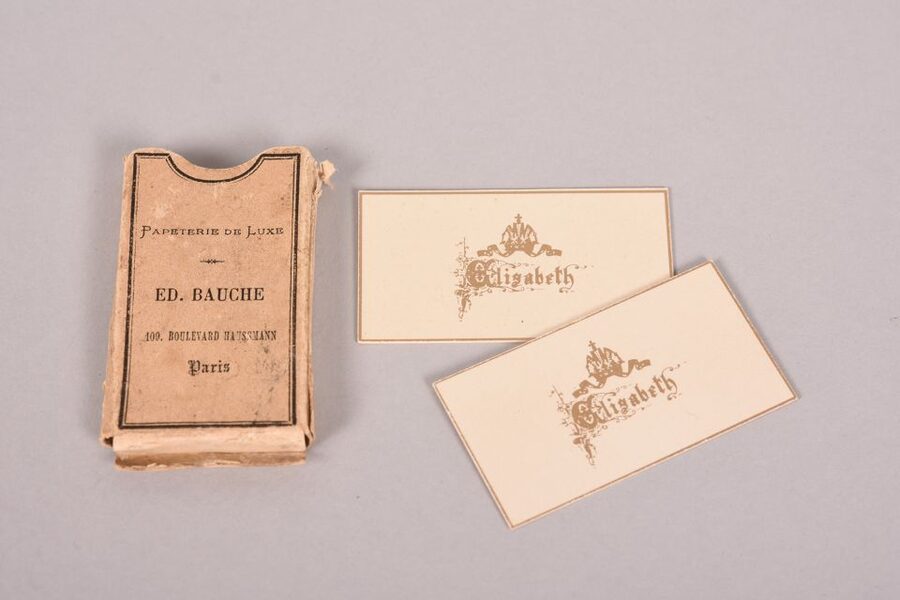
The Sisi Trail is the most personal section of the museum. Empress Elisabeth, often called Sisi, is represented through her carriages and through objects that reveal her interests and public image.
The trail includes her only surviving saddle, her riding chapel, and sumptuous original dresses. These pieces make the experience more intimate than a standard vehicle display. You are no longer looking only at what carried the empress. You are seeing objects tied to how she dressed, traveled, and spent time away from formal court duties.
Her saddle is especially important because it connects directly with her reputation as a dedicated rider. It is a small object compared with an imperial coach, but that is precisely why it can feel personal. It belonged to an activity she pursued herself, rather than to a ceremony organized around her.
The riding chapel is another unusual item. It helps explain how travel and religious practice could be linked in royal life. Instead of treating Elisabeth as only a famous beauty in elaborate gowns, the trail gives you several sides of her identity.
The dresses bring a strong visual finish to the display. Sumptuous clothing can easily become decoration without context, but here it supports the story of an empress whose appearance was part of her public role. You can compare the formal dresses with the more active, private image suggested by the saddle.
If Sisi is your main reason for visiting, allow extra time for this section. The carriages are important, but the personal objects are what give the trail its emotional pull.
From state coaches to children’s carriages
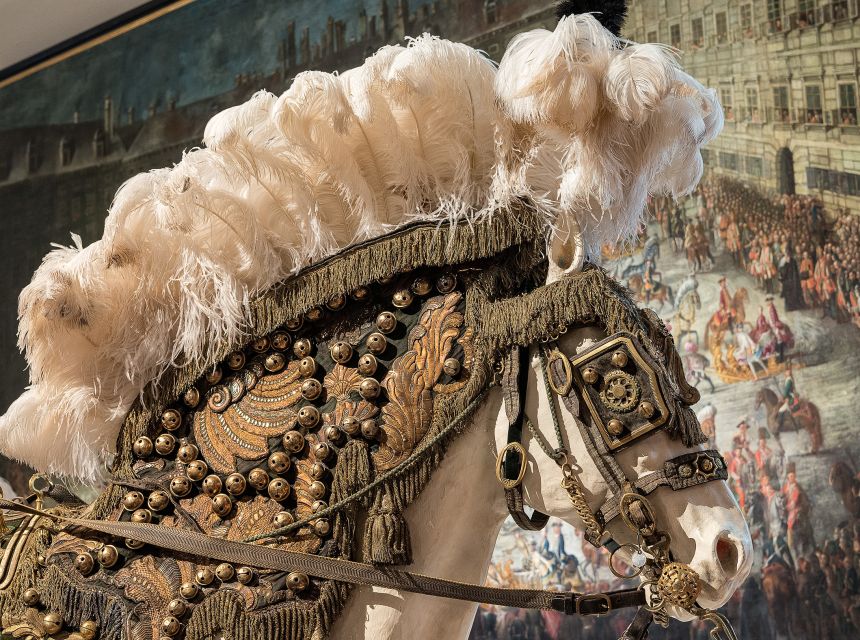
One of the collection’s pleasures is its range. It does not stop with the largest and most expensive vehicles. You will also find exquisite state carriages, comfortable traveling coaches, and children’s carriages used by Habsburg princes and princesses.
The children’s vehicles soften the mood and add a family dimension. They show that court life included ordinary stages of growing up, even when those stages took place inside an extraordinary household.
These smaller carriages also help with scale. After seeing a huge ceremonial coach, a child’s vehicle makes the display easier to picture. It reminds you that the Habsburg family was not always appearing in public as a single formal unit. Children had their own transport, routines, and place within the court.
The traveling coaches are useful for another reason. They suggest that comfort mattered, even within a system built around status. A vehicle intended for a long journey needed different features from one used for a short appearance in front of a crowd.
As you move through the museum, watch for these changes in purpose. Ask yourself if a carriage was designed to impress, protect, accommodate, or simply move someone from one place to another. That approach makes the collection more readable and less like a row of ornate objects.
How much time should you allow?
The ticket is valid for one day, but that does not mean you need a full day inside the museum. The available information does not set a fixed visit length, so your timing depends on your interest in the objects and on how closely you use the audio guide.
A quick visit can focus on the Baroque imperial coach and the Sisi Trail. A slower visit should include the state carriages, traveling coaches, and children’s vehicles, with time to compare their purposes.
I would place the museum alongside your Schönbrunn plans rather than treat it as a stand-alone stop across town. Its location inside the palace complex makes it a natural addition to a day devoted to the Habsburg court.
Keep your schedule flexible. The ticket is valid for one day, and starting times depend on availability when you book. The museum is more enjoyable when you are not rushing from one timed sight to another.
Audio guide or your own guide?
This is not sold as a guided tour. Entrance is included, while an audio guide is included only if you choose the audio-guide option when booking.
That distinction matters. If you want a narrated visit, check your booking carefully before paying. The audio guide can give structure to the collection, especially if you are unfamiliar with Habsburg names and court customs.
An Italian audio guide has been described as concise and functional, which may suit you if you want clear explanations without a long lecture. The supplied information does not identify individual audio-guide narrators or museum guides by name.
You can also bring your own guide. A state-certified guide receives free admission. For a group booking, only one guide per group receives free entry, and the group must contain at least 10 people. For groups smaller than 10, that free-ticket rule does not apply, and an additional guide or companion counts as a paying member.
For most independent visitors, the regular ticket is the simplest choice. A private guide makes more sense if your group wants detailed Habsburg context or needs help connecting the carriages with the palace and wider Viennese history.
The $14 price and what you receive
At $14 per person, this is a reasonable museum ticket for a focused collection in one of Vienna’s best-known imperial settings. Entrance to the Imperial Carriage Museum is included, but a guided tour is not.
The value depends on your interests. If you enjoy royal history, costume, decorative arts, or historic transport, the price buys a concentrated visit with several distinct themes. If you have little interest in court life, you may find the collection more specialized than Schönbrunn Palace itself.
The Sisi Trail improves the value because it widens the visit beyond carriages. Dresses, the saddle, and the riding chapel offer variety and give the museum a personal thread. The collection also covers several generations, from Maria Theresia to Franz Joseph, with Napoleon adding a wider European connection.
A 4.7 rating from 339 submitted ratings suggests strong overall satisfaction, but the practical ticket rule deserves equal attention. One visitor lost several hours searching Vienna for a place to print a voucher before exchanging it at the museum. That is an avoidable problem if you print the document before setting out.
The printed voucher is not a minor detail
Bring a printed voucher. A phone-held version is not enough according to the stated entry rules, and the printed document must be exchanged at the museum for an entrance ticket.
This is the one point I would handle before leaving your hotel or apartment. Do not assume a ticket machine or nearby shop will solve the problem quickly. Finding a place to print in central Vienna can take time, especially if you are already committed to a palace visit.
The ticket is valid for one day, and free cancellation is available up to 24 hours in advance for a full refund. You can also reserve now and pay later, which helps if your Vienna schedule is still changing.
Those flexible terms are useful, but they do not remove the printing requirement. Treat the voucher as part of your preparation, not as a detail to sort out at the gate.
Who will enjoy this museum most?
I would recommend this experience to you if you like the Habsburg family, Empress Elisabeth, historic vehicles, period clothing, or the visual side of royal ceremony. It is also a good choice if you want something more focused than a full palace tour.
Families may appreciate the children’s carriages, while history-minded visitors can follow the links between rulers and political eras. Anyone interested in design will find plenty to inspect in the coach decoration and formal details.
The museum may be less satisfying if you want an interactive attraction, a live demonstration, or a long guided story. It is an exhibition of historic objects, and its appeal comes from looking closely and making connections.
I would also be cautious about booking the audio guide unless you know you want it. It adds structure, but the core ticket already gives you access to the collection. For a short visit, the main vehicles and Sisi Trail may be enough.
Should you book the Imperial Carriage Museum?
Book it if you are already visiting Schönbrunn Palace and want a compact look at the vehicles, clothing, and personal objects of the Habsburg court. The Baroque imperial coach gives you the ceremony, while the Sisi Trail supplies the personal details. Maria Theresia, Napoleon, and Franz Joseph broaden the story beyond one royal figure.
Skip it if your Vienna schedule is packed and carriages do not interest you. The museum is specialized, not a substitute for every major palace sight.
For most history-minded visitors, $14 is fair value. Just print the voucher before you go, check if you selected the audio guide, and keep enough time to move past the largest coach and examine the smaller, more revealing objects too.
FAQ
Where is the Imperial Carriage Museum?
The museum is located at Schönbrunn Palace in Vienna, Austria.
How much does admission cost?
The listed price is $14 per person.
How long is the ticket valid?
The ticket is valid for one day.
Is an audio guide included?
An audio guide is included only when you book the audio-guide option.
Is a guided tour included?
No. A guided tour is not included, although you may bring your own guide.
Do I need to print my voucher?
Yes. A printed voucher is required and must be exchanged at the museum for an entrance ticket.
Can a tour guide enter for free?
One guide per group may receive free admission when accompanying a group of at least 10 people. A state-certified guide has free entrance. For groups under 10, the free-ticket rule does not apply.
Recently added around Vienna
- Vienna: Private tour Mauthausen and Linz★ 4.1 · 3 reviews
- 2-Day Prague Tour from Vienna with private Transfers and Lunches★ 5.0 · 3 reviews
- Vienna Self Guided Sherlock Holmes Murder Mystery Game★ 4.5 · 3 reviews
- Vienna Private Schönbrunn Palace Tour, Extra Rooms and Gardens★ 5.0 · 3 reviews
- Salzburg and Lake Region Private Day Trip from Vienna★ 5.0 · 3 reviews
- Small-group Vienna Wine Tour★ 5.0 · 3 reviews
- True Crime mobile puzzle rally Vienna★ 4.0 · 3 reviews
- Vienna: Wachau Valley Private Kayak and Wine Tour★ 5.0 · 3 reviews
Schonbrunn Palace Tours, compared.
Schönbrunn Palace & Gardens Skip-the-Line Tour
Read our review →
Skip-the-Line Schönbrunn Palace & Gardens Tour
Read our review →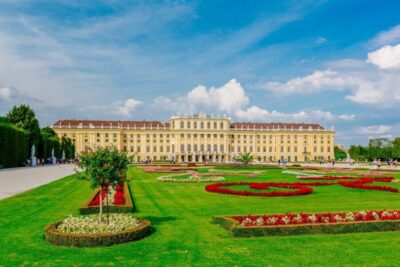
Bus & Schönbrunn Palace Skip-the-Line Guided Tour
Read our review →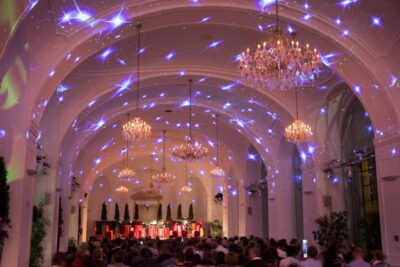
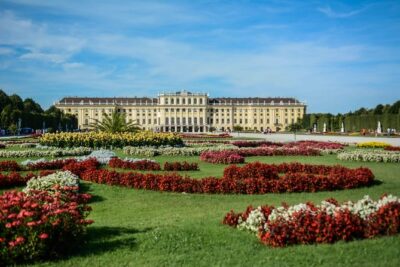
Skip the Line Schönbrunn Palace and Gardens Guided Tour
Read our review →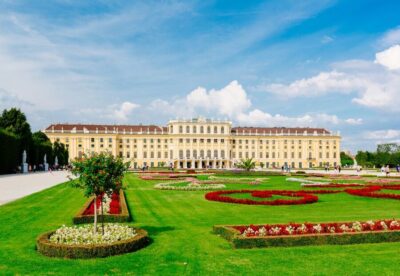
Schönbrunn Palace & Garden Skip-the-Line Guided Tour
Read our review →
Panorama Train Tickets to explore Schönbrunn Palace
Read our review →
Skip-the-Line Schönbrunn Palace and Gardens Tour
Read our review →Browse the lists this tour appears in