
Reviewed · VIENNA TOURS
Vienna: Culinary Experience at Restaurant Stefanie
Vienna’s culinary story arrives at your table in generous portions at Restaurant Stefanie. Over about two hours, you taste seven Austrian specialties, including schnitzel, boiled beef, goulash, apple strudel, and Kaiserschmarren, while dining inside the city’s oldest hotel.
I like the historic setting and the chance to sample several classic dishes in one sitting. I also like the generous service: beer, wine, and coffee are included, and the staff are known for being warm, attentive, and comfortable with English.
The main thing to understand is that this is not a guided food tour. You dine at a private table, and the food may receive only a short explanation unless you ask questions. A booklet about the dishes may be provided, but the depth of the storytelling can vary.
Key points at a glance
- Seven Austrian specialties: Taste a broad selection instead of ordering one large entrée.
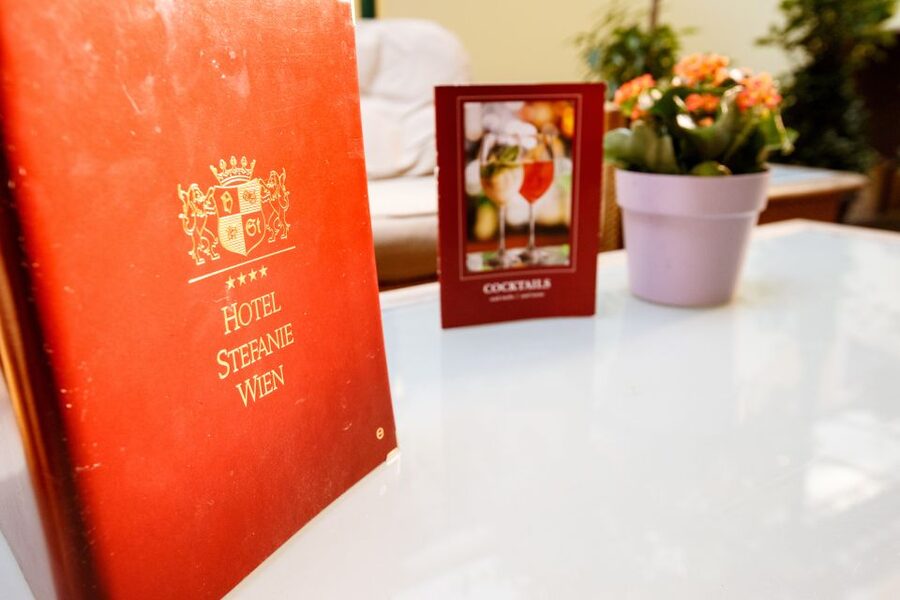
- Historic Hotel Stefanie: The meal takes place in Vienna’s oldest hotel, in an elegant and quiet restaurant.
- Classic Imperial cuisine: The menu connects dishes from Vienna and the former crown lands of the Austrian monarchy.
- Three drinks included: Your package includes beer, wine, and coffee.
- Very generous portions: This is a tasting meal, but you should arrive hungry.
- Good for solo diners and couples: The attentive service and set menu make the evening easy to manage on your own.
Entering Vienna’s oldest hotel
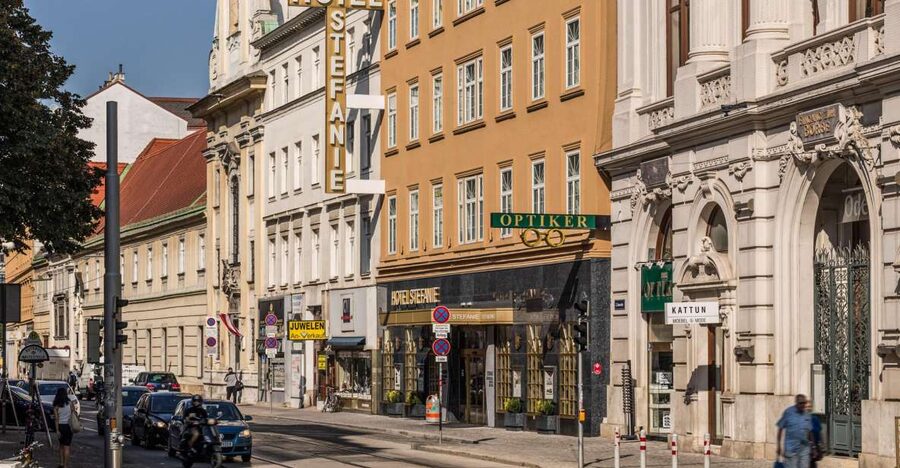
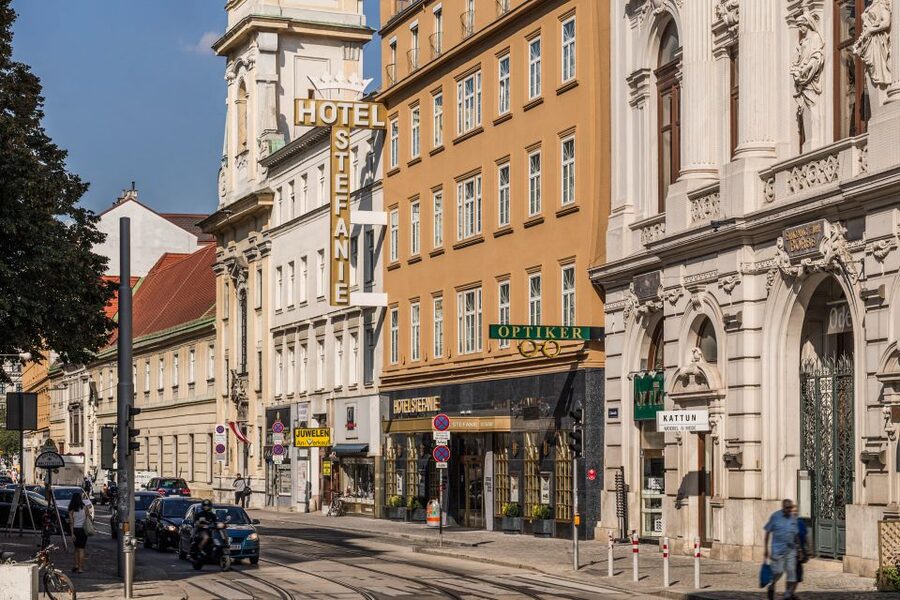
Restaurant Stefanie is inside Hotel Stefanie at Taborstrasse 12 in Vienna’s 2nd district. The location gives the meal a sense of place before the first course arrives. You are not eating in a modern food hall or a hurried tourist café. You are entering a traditional hotel restaurant with an elegant, calm atmosphere.
That setting matters. Austrian food can be hearty and plainspoken, but it has a strong connection to the former Austrian monarchy. Recipes moved across imperial borders, picked up Hungarian, Bohemian, and other regional influences, and became part of Vienna’s own dining culture.
The experience uses the restaurant as a base for that story. You sit down at a private table and receive a sequence of dishes rather than choosing from the normal menu. The service is designed to keep the meal moving at a relaxed pace, although you should allow the full two hours rather than trying to squeeze it between museum visits.
The dining room has been praised for its beauty and quiet mood. It works particularly well for a special evening, a Christmas meal, or a first night in Vienna when you want a comfortable introduction to local food without hunting down several restaurants.
More places to eat around Vienna:
- Vienna: 3-Course Evening Dinner Cruise
★ 3.9 · 1,655 reviews - Exclusive Evening at Schönbrunn Palace: After-Hours Audiotour, Dinner, Concert
★ 4.0 · 930 reviews - Vienna: Schönbrunn Palace Evening Tour, Dinner and Concert
★ 4.3 · 755 reviews
A menu that moves across the old monarchy
The menu is best understood as a food tour on one plate at a time. You are not simply eating seven unrelated samples. The dishes show how Viennese cooking combines soups, meat, sauces, potatoes, pastry, and coffeehouse-style sweets.
The exact presentation may vary, and some diners describe the meal as five courses because several specialties arrive together. The advertised selection includes seven Austrian dishes, so expect a long tasting sequence rather than seven full-size restaurant entrées.
Veal goulash with pretzel sticks
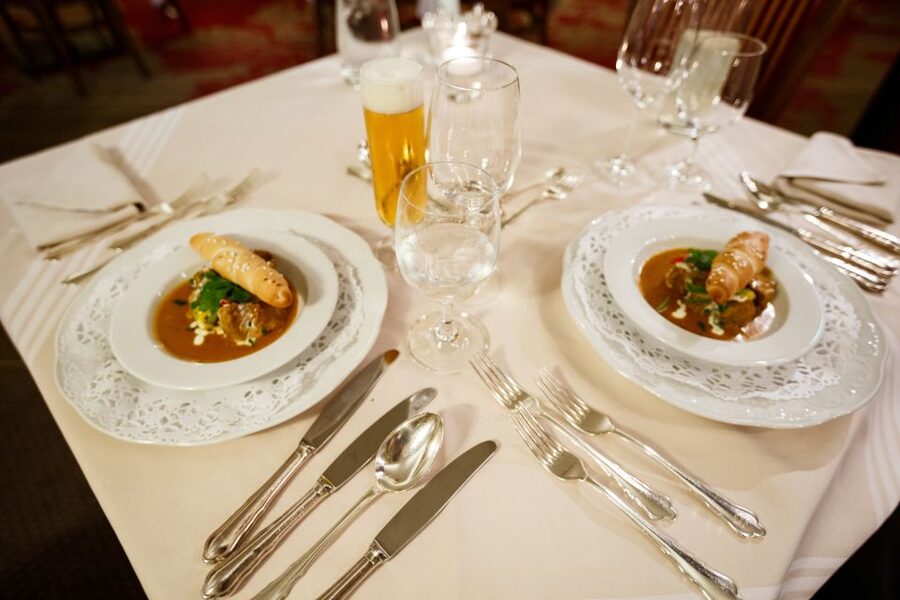
The meal begins with veal goulash and pretzel sticks. Goulash is closely associated with Hungary, which makes it a useful starting point for the question of how much Austrian cuisine was shaped by neighboring parts of the monarchy.
The portion is meant for tasting, but the overall menu is filling. The pretzel sticks provide a salty, crisp partner to the soft, seasoned goulash. If you normally think of goulash as a heavy stew, this first serving gives you a smaller, more polished version that leaves room for the dishes ahead.
Beef soup with sliced pancakes and Kaiserschöberl
Next comes beef soup with sliced pancakes and Kaiserschöberl, an unsweetened sponge cake. This is a good reminder that Austrian soup courses are often more substantial than a simple clear broth.
The sliced pancakes add texture and make the soup feel distinctive. Kaiserschöberl brings another traditional element, with a name and style connected to the imperial world that shapes the meal’s theme. It may not be the course you expect, but it helps show how much variety can fit within classic Viennese cooking.
A few more Vienna half-days to weigh up
- Vienna: Vivaldi’s Four Seasons Concert in Karlskirche
★ 4.7 · 14,951 reviews - Vienna: Spanish Riding School Training
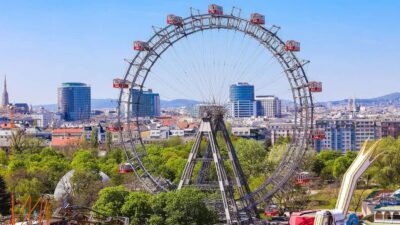
★ 3.9 · 9,281 reviews - Vienna: Skip-the-cashier-desk-line Giant Ferris Wheel Ride
★ 4.5 · 7,859 reviews - Vienna: Schönbrunn Palace & Gardens Skip-the-Line Tour
★ 4.7 · 7,739 reviews
Viennese schnitzel and potato salad
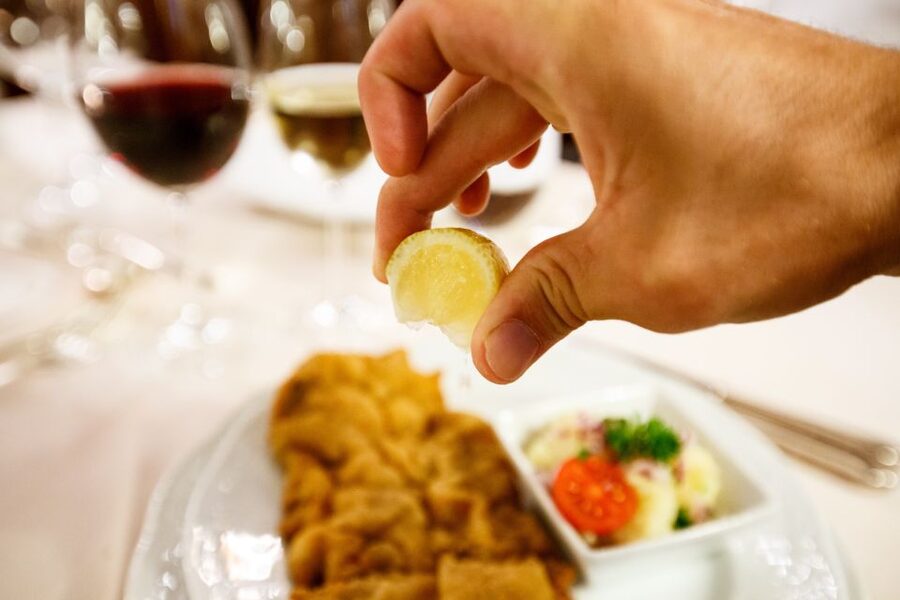
The schnitzel is the dish most people will be waiting for. Here it is served with potato salad, the classic Viennese partner.
A tasting portion lets you focus on the crisp coating, tender meat, and fresh contrast of the salad without committing to the enormous schnitzel that often arrives at a traditional restaurant. Still, do not assume that small tasting plates mean a light meal. The portions throughout are generous, and several diners have found it difficult to finish every course.
The menu also connects Viennese schnitzel with Field Marshal Radetzky, one of the historical food stories associated with the experience. If that detail interests you, ask the server for more. The restaurant may give a brief description, but it is not guaranteed to provide a full lecture with every plate.
Boiled beef, sauces, and a very Austrian main course
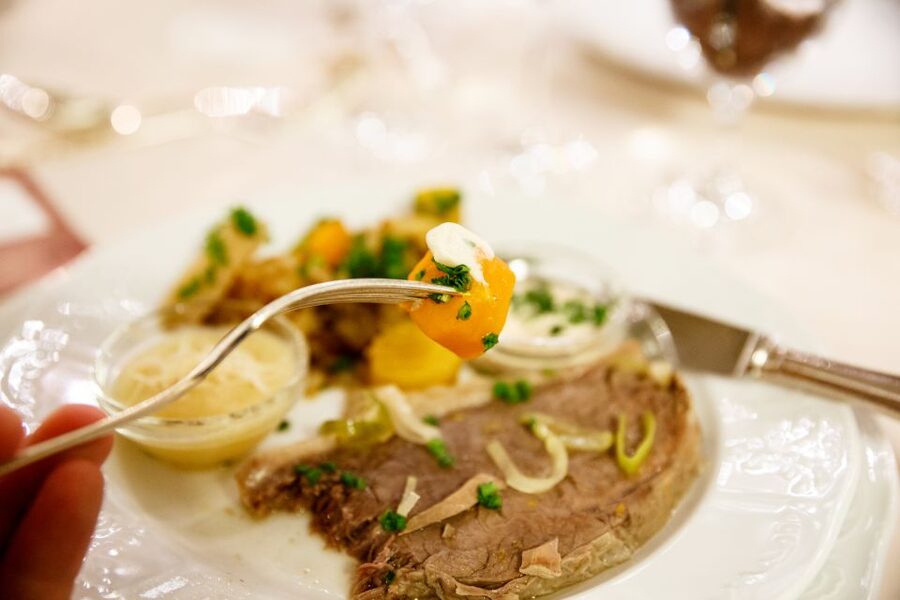
Boiled filet of beef is another key dish. It comes with chive sauce and apple horseradish sauce, giving you two different ways to approach the same tender cut of meat.
This course is especially useful if you want to understand Austrian cooking beyond schnitzel. The beef is not hidden beneath a heavy coating. The sauces do the work, with the chive version offering a creamy, herbal note and the apple horseradish adding sweetness and bite.
The menu also raises the question of whether the top round is really the best piece of beef. That kind of detail shows the practical side of Austrian food culture. Traditional cooking often values the right cut, the right sauce, and careful preparation more than elaborate presentation.
Some diners have singled out the chive sauce as a favorite. I can see why. It gives the boiled beef a gentle, home-cooked quality and helps explain why this meal feels more like a survey of Austrian comfort food than a formal fine-dining menu.
Dessert arrives as a full final act
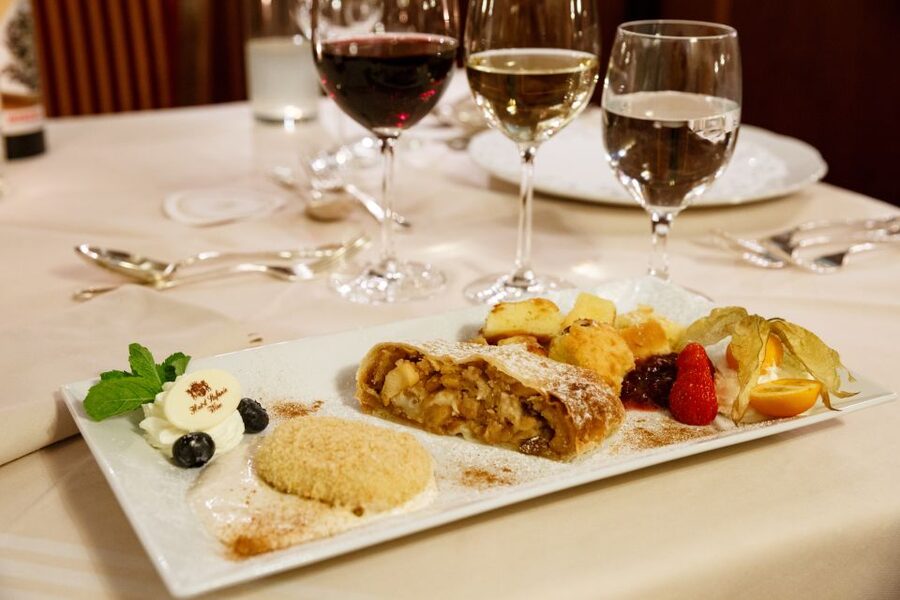
The sweets are not an afterthought. The dessert selection includes plum jam turnovers, apple strudel, and shredded pancakes, better known as Kaiserschmarren.
The plum jam turnovers offer a pastry-based finish with a fruit filling. Apple strudel brings one of Vienna’s best-known desserts, with the familiar combination of pastry, apple, and spice. Then Kaiserschmarren arrives as a soft, shredded pancake, usually served as a comforting final course rather than a delicate bite.
The dessert course may be the strongest part of the meal if you have a sweet tooth. It also gives the experience its clearest connection to Vienna’s café and pastry traditions. You will want room for it, so resist the urge to treat the early dishes as separate full meals.
A coffee is included, making the ending feel properly Viennese. The coffee also helps slow down the final part of the meal. This is not a grab-and-go tasting. It is an evening built around sitting, eating, and letting each course arrive at its own pace.
What the culinary history adds
The central theme is a culinary journey through Imperial Vienna and the former crown lands of the Austrian monarchy. That phrase can sound grand, but the useful point is simple: Vienna’s food developed through contact with many regions.
The experience uses the dishes to raise questions about origin and identity. Did Hungarian goulash actually begin in Vienna? How did Kaiserschmarren get its name? What connects Radetzky with schnitzel? Why is one cut of beef considered better than another?
These questions make the meal more rewarding than a basic restaurant dinner. They give you a few food stories to carry into the rest of your time in Austria. You may find the historical explanation is brief at the table, however. The strongest version of the experience comes when you ask the staff about each dish and take time to read the booklet that may be given at the end.
That booklet has been described as a useful keepsake with more information on the origins and importance of the foods served. It helps fill the gap if you were hoping for a more detailed presentation. The restaurant itself should be thought of as the setting for the food lesson, not as a fully guided tour.
Service, atmosphere, and the solo dining question
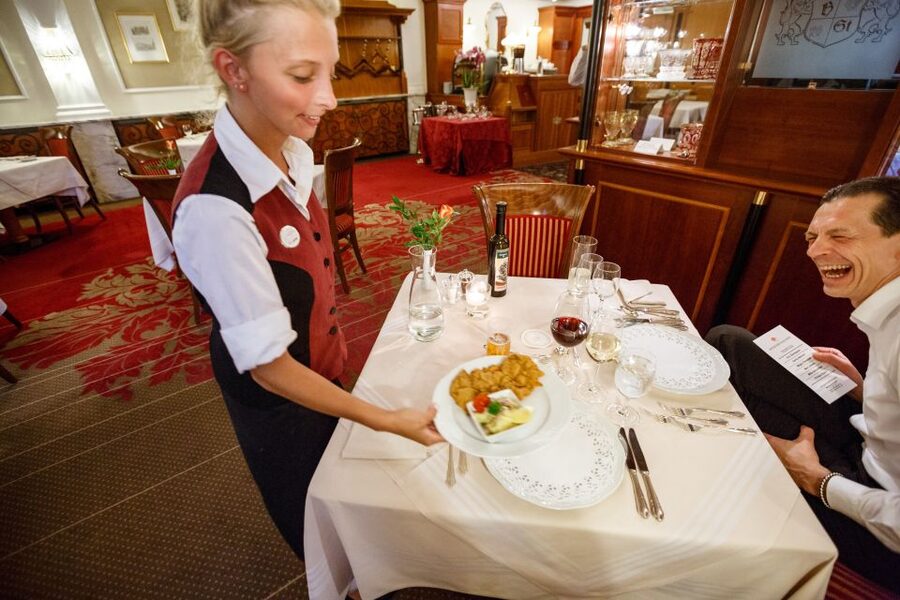
Service is one of the most consistent strengths of this experience. The staff are described as friendly, professional, patient, and attentive. English is spoken, and solo diners have been made to feel comfortable rather than awkwardly placed at the edge of the room.
That matters with a set menu. You do not need to explain a complicated order, choose between unfamiliar dishes, or worry about missing the next course. The restaurant handles the sequence while you concentrate on eating.
The service style can also shape how much history you receive. Some servers explain every course and its background. Others provide only a basic description. If the historical side is important to you, ask directly about the origin of the soup, the link between goulash and Hungary, or the name Kaiserschmarren. You will get more from the meal by treating the staff as a resource.
The atmosphere is elegant and traditional, but not every diner will find it lively. One person specifically missed having music in the restaurant. If you want a busy, social food market or a cooking class with lots of activity, this may feel too quiet. If you prefer a peaceful dinner with attentive service, the setting is a good match.
Drinks and extra costs to watch
The $88 per person price includes food plus three drinks: beer, wine, and coffee. That makes the cost easier to judge than a meal where every drink is added separately.
The menu is substantial enough to function as a full dinner, not just a snack before your next stop. You receive a broad sampling of Austrian dishes, a dessert selection, and the drinks listed above. For someone who would otherwise order several courses at a traditional restaurant, the package can offer solid value.
You should still watch the extras. Additional drinks are not included. Bottled water may also cost extra, so ask about the price before ordering it if you are happy with tap water. Diners who do not drink alcohol have reported receiving juices or soft drinks instead, but I would confirm available substitutions when you arrive rather than assume they are part of the package.
The portions are another part of the value calculation. This is not the place to book after a large lunch. Several courses are served in tasting portions, but the combined meal can be more than enough for a hungry adult. Arrive with a real appetite and plan an unhurried evening.
Who will enjoy this experience most
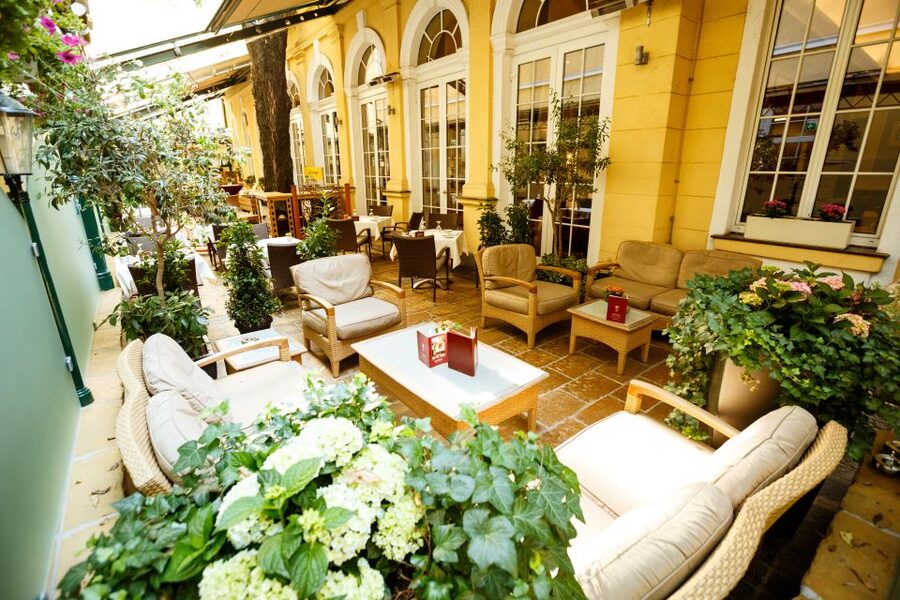
I would recommend Restaurant Stefanie to anyone who wants a structured introduction to Austrian food. It is especially helpful on a first visit to Vienna, when you want to try the famous dishes but do not yet know which restaurant or menu to choose.
It also suits:
- Couples looking for a traditional dinner in a historic setting
- Solo diners who prefer an organized meal with friendly service
- Families who want several dishes without ordering a separate entrée for everyone
- Food-focused visitors who enjoy learning the background of classic recipes
- People with a short Vienna stay who want one meal that covers a lot of ground
The experience is less suitable if you want a hands-on cooking class, a walking tour, or detailed historical commentary from a dedicated guide. There is no named guide leading the evening, and the level of explanation depends on the service you receive and the questions you ask.
It may also be a poor fit for very small eaters, since the meal can be difficult to finish. Dietary restrictions are not described in the available information, so you should contact the restaurant before booking if you need significant substitutions.
Practical details for planning your evening
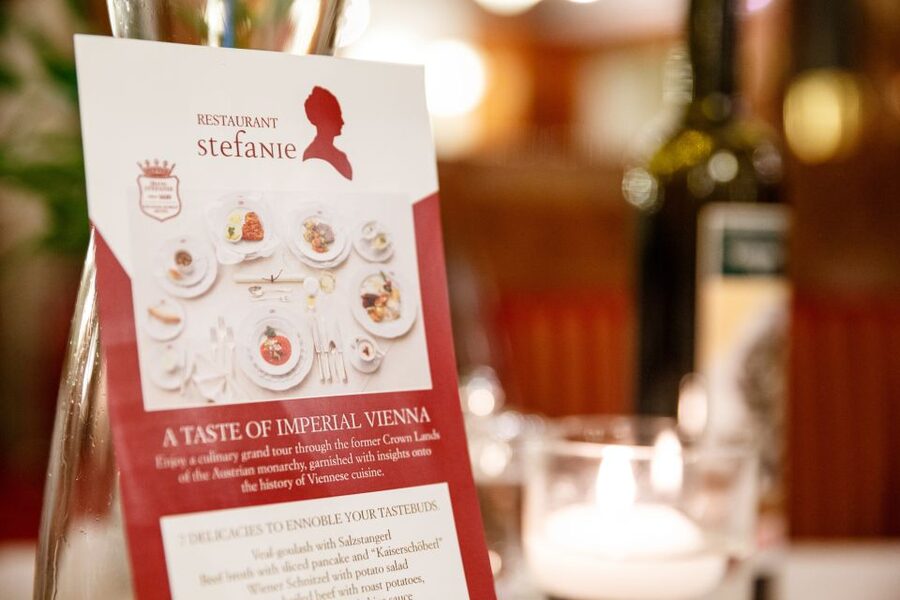
The meeting point is Restaurant Stefanie inside Hotel Stefanie, at Taborstrasse 12, 1020 Vienna. The experience lasts two hours, and starting times depend on availability.
You can cancel up to 24 hours in advance for a full refund. The reserve-now, pay-later option is useful if your Vienna schedule is still changing. The restaurant is wheelchair accessible, and assistance dogs are allowed, but other pets are not.
The experience has a 4.7 rating from 526 reviews, with praise focused mainly on the food, service, portions, and attractive setting. A small practical issue has come up with the advertised gift or keepsake: most accounts describe receiving a cute present or booklet, but a few diners did not receive theirs. If that matters to you, ask about it before leaving.
I would also allow extra time around the booking if possible. Although the stated duration is two hours, one older account describes a much longer meal, while more recent descriptions generally fit the two-hour format. The sensible plan is to avoid scheduling a timed concert or train immediately afterward.
Should you book Restaurant Stefanie?
Book it if you want one comfortable meal that introduces many Austrian classics. The combination of schnitzel, goulash, boiled beef, soup, strudel, and Kaiserschmarren gives you a wide taste of Vienna without having to order seven separate dishes.
The strongest reasons to go are the historic hotel setting, warm service, generous portions, and included beer, wine, and coffee. I also like that the meal gives you useful food questions to carry through Austria, especially if you enjoy learning why a dish belongs to a particular place.
Skip it if your priority is a fully guided culinary lesson or a hands-on activity. You will dine well, but you may need to ask for the deeper history yourself. For most visitors, that is a minor limitation rather than a deal breaker, especially when the evening is priced as a full meal and not simply a short tasting.
FAQ
Where does the culinary experience take place?
It takes place at Restaurant Stefanie inside Hotel Stefanie, located at Taborstrasse 12, 1020 Vienna.
How long does the meal last?
The experience is scheduled for two hours. Starting times vary, so check availability when booking.
What food is included?
The menu includes seven Austrian specialties, including veal goulash with pretzel sticks, beef soup with sliced pancakes and Kaiserschöberl, Viennese schnitzel with potato salad, boiled filet of beef with chive sauce and apple horseradish sauce, plum jam turnovers, apple strudel, and Kaiserschmarren.
Are drinks included?
Yes. The package includes three drinks: beer, wine, and coffee. Additional drinks and extras are not included.
Is the experience guided?
No. You dine at the restaurant rather than joining a guided walking or food tour. Staff may explain the dishes, and a booklet with more information may be provided, but the amount of explanation can vary.
Is Restaurant Stefanie wheelchair accessible?
Yes, the experience is wheelchair accessible. Assistance dogs are allowed, but other pets are not.
Recently added around Vienna
- Vienna: Private tour Mauthausen and Linz★ 4.1 · 3 reviews
- 2-Day Prague Tour from Vienna with private Transfers and Lunches★ 5.0 · 3 reviews
- Vienna Self Guided Sherlock Holmes Murder Mystery Game★ 4.5 · 3 reviews
- Vienna Private Schönbrunn Palace Tour, Extra Rooms and Gardens★ 5.0 · 3 reviews
- Salzburg and Lake Region Private Day Trip from Vienna★ 5.0 · 3 reviews
- Small-group Vienna Wine Tour★ 5.0 · 3 reviews
- True Crime mobile puzzle rally Vienna★ 4.0 · 3 reviews
- Vienna: Wachau Valley Private Kayak and Wine Tour★ 5.0 · 3 reviews
Vienna Tours, compared.
Vivaldi’s Four Seasons Concert in Karlskirche
Read our review →
Skip-the-cashier-desk-line Giant Ferris Wheel Ride
Read our review →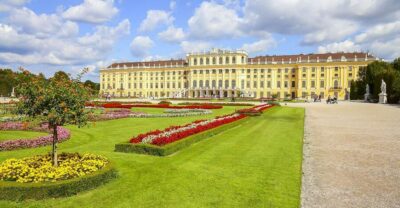
Schönbrunn Palace & Gardens Skip-the-Line Tour
Read our review →
Light of Creation Votive Church Immersive Light Show
Read our review →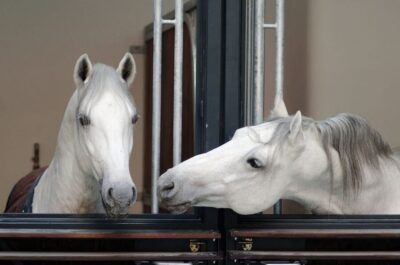
Skip-the-Line Sisi Museum, Hofburg and Gardens Tour
Read our review →
Hallstatt & Alpine Peaks Day Trip with Skywalk Lift
Read our review →Browse the lists this tour appears in