
Reviewed · CONCERTS IN VIENNA
Vienna: Classical Concert in St. Anne’s Church (Annakirche)
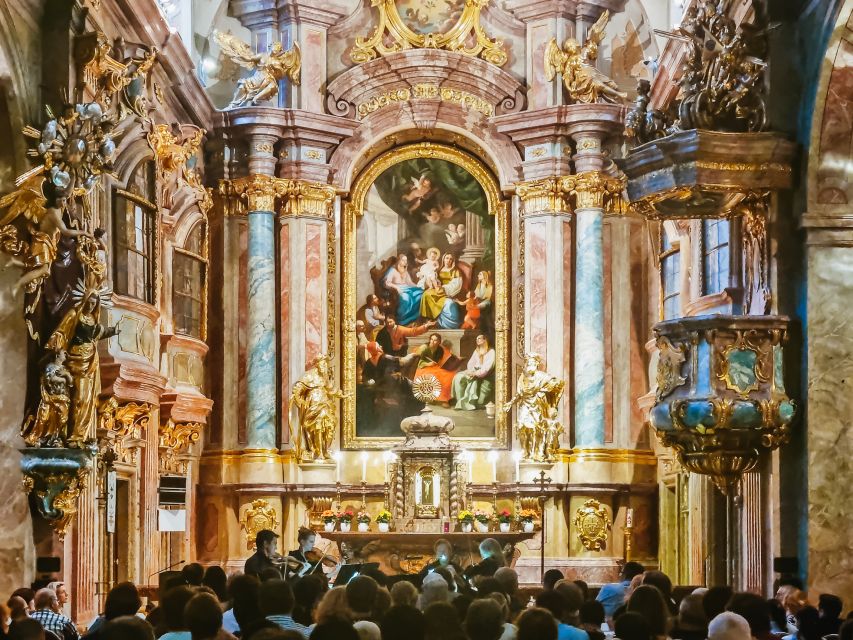
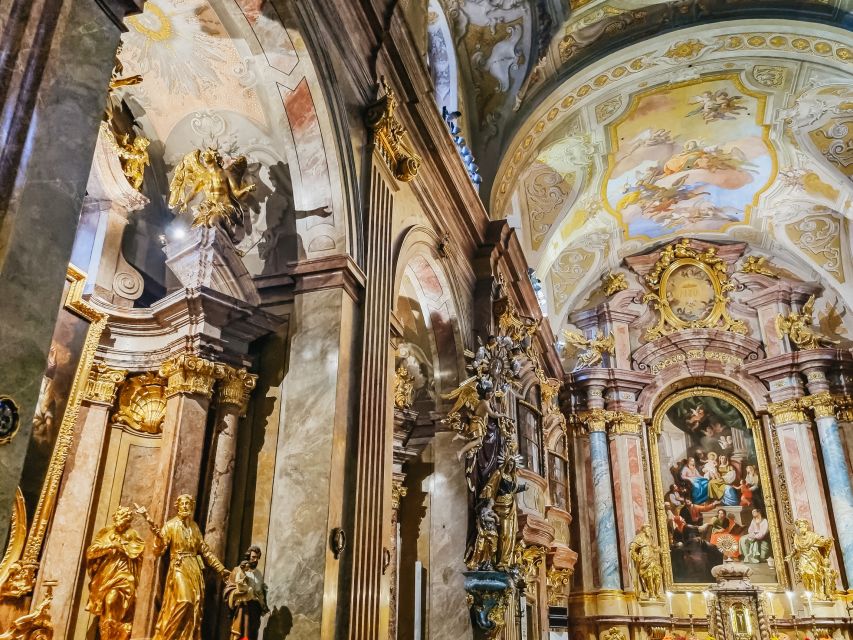
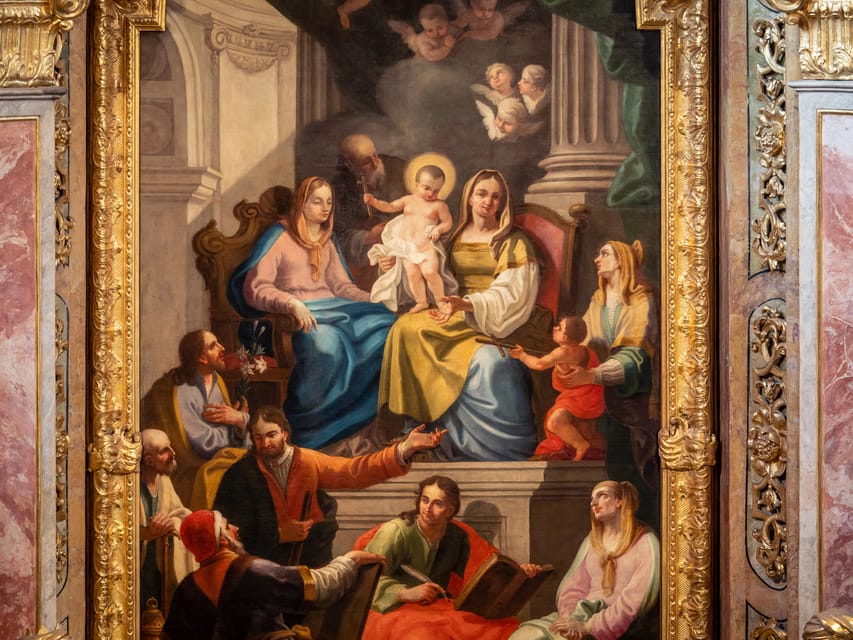
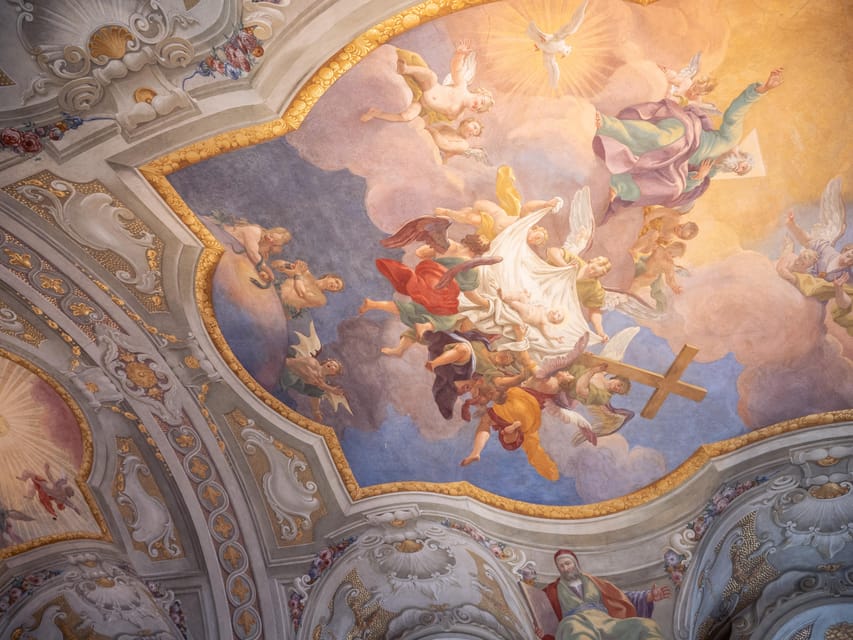
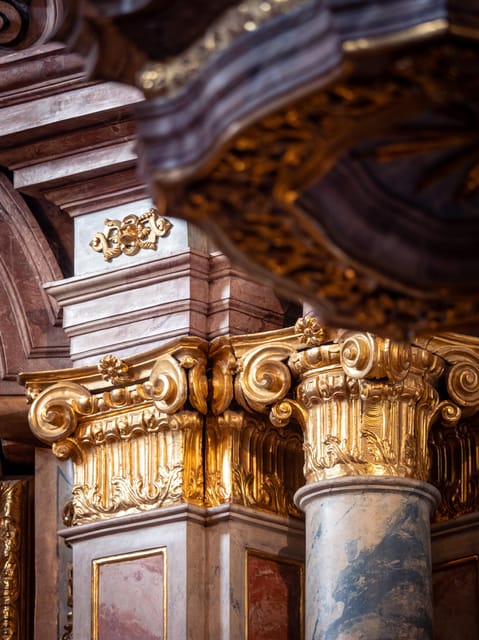
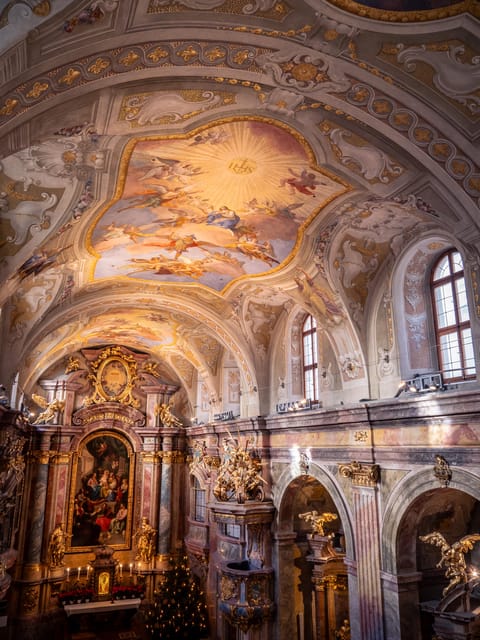
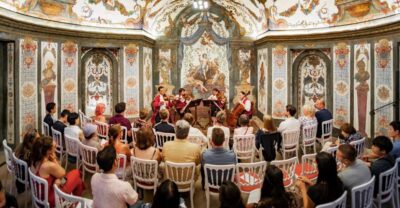
St. Anne’s Church gives this concert its magic. You sit beneath Baroque decoration, blue marble balconies, and gold ornament while a small string ensemble plays music by Mozart, Haydn, Beethoven, or Schubert on instruments modeled on those used in their time. The setting is part of the performance, not just a backdrop.
I like the intimate scale and the honest focus on complete classical works rather than a parade of familiar snippets. I also like the price: at $38, you get 70 minutes of live music in central Vienna, with a program included. The main drawback is free seating. If you want to sit close enough to watch the musicians’ hands, arrive about 30 to 40 minutes early. Summer evenings can also feel warm inside the church.
Key points to know before you book
- A Baroque church in central Vienna: Annakirche is at Annagasse 3b, about three minutes from the Vienna State Opera.
- Period-style instruments: The ensemble plays instruments from the era of Mozart and Schubert, giving the music a different sound from a modern concert hall.
- A compact 70-minute program: The concert begins at 8:00 PM, making it easy to fit around dinner or an evening walk.
- Free seating matters: Arrive early for the best chance of front or near-front seats.
- Strong value at $38: You receive the concert ticket and a free program, with no need to commit to an expensive opera performance.
- Small-scale acoustics: The church’s size keeps the performance close and personal, though late arrivals or talking can disturb the quiet mood.
Why Annakirche makes the music feel different
Vienna is famous for the composers who lived and worked here, but a concert does not need to take place in the State Opera to feel properly Viennese. Annakirche sits in the center of the city, close to the Vienna State Opera and within easy walking distance of Karlsplatz and Stephansplatz. You are surrounded by the old city before the music even begins.
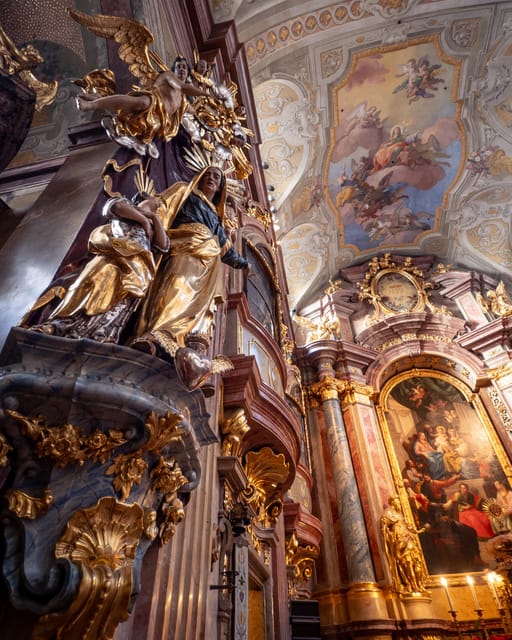
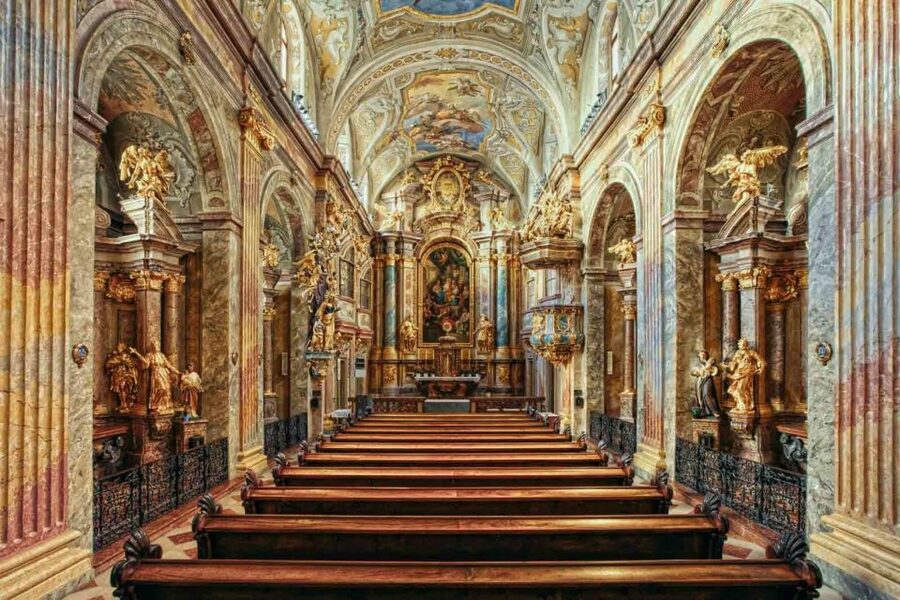
Inside, the church is ornate without feeling vast. The Baroque interior includes gold details and blue marble balconies, with lighting that helps you see the decoration while keeping the room calm and intimate. One of the most useful differences between this venue and a large concert hall is proximity. You can watch the players work together rather than seeing them as distant figures on a stage.
The acoustics are another major reason to choose this concert. A church naturally gives strings a lingering sound, and Annakirche’s smaller interior keeps that reverberation from becoming too loose. The result can make slow movements especially affecting. You will hear the music hang in the room for a moment after the bow leaves the string.
That sound is not perfectly neutral. If you prefer the crisp separation of a modern auditorium, the church’s echo may feel less precise in a fast passage. For most listeners, though, the acoustics add atmosphere without swallowing the melody.
More Concerts in Vienna
- Vienna: Vivaldi’s Four Seasons Concert in Karlskirche
★ 4.7 · 14,951 reviews - Vienna: Classical Concert in the World-Famous Musikverein
★ 4.6 · 6,673 reviews - Vienna: Classical Concert at St. Stephen’s Cathedral
★ 4.1 · 4,177 reviews
The walk to Annagasse 3b
The meeting point is St. Anne’s Church, Annagasse 3b. From the Vienna State Opera, the walk takes about three minutes. That makes this a particularly easy evening activity if you have spent the afternoon around the Hofburg, Kärntner Straße, or the opera area.
The church is in Vienna’s pedestrian zone. Karlsplatz and Stephansplatz underground stations are each about five minutes away on foot, so you do not need a car or a complicated transfer. Give yourself extra time to find the entrance, especially if you are coming directly from dinner or another part of the historic center.
The location also makes the concert easy to pair with the rest of your evening. You can walk through the center before the performance, attend the 8:00 PM concert, and still finish with restaurants and cafés nearby. The 70-minute length is helpful here. This is a focused cultural stop, not a four-hour commitment.
What happens during the 70-minute concert
The program is built around complete works by major composers of the Viennese Classical tradition. Depending on the evening, you may hear music by Mozart, Haydn, Beethoven, or Schubert. The supplied details also describe performances by musicians from renowned Viennese orchestras, playing as a small string ensemble.
That format suits these composers. A string quartet or similar ensemble lets you hear the conversation between parts. The first violin does not simply carry the tune while the others provide background. The inner voices and cello have room to answer, push, soften, and reshape the music.
The program is not limited to famous popular themes. That is good news if you want an actual chamber-music experience rather than a tourist medley. It also means you do not need to recognize every piece for the evening to work. Several people who described themselves as unfamiliar with classical music still found the music easy to enjoy because the program was clear and the performance direct.
You receive a concert program at no extra cost. It helps you follow the composers and pieces, though the experience is primarily about listening rather than a guided lecture. There is no guide name to look for and no sightseeing commentary built into the evening. You come for the musicians, the building, and the sound.
At this length, the concert feels manageable for first-time listeners. You get enough time for several substantial works without the concentration required by a full-length opera or symphony. If you are already a serious concertgoer, you may wish it lasted longer. That is one of the few consistent limitations of a 70-minute format.
Period instruments and the old Viennese sound
The use of period instruments is more than a decorative idea. Instruments from the 18th century, along with historical bow and string choices, can produce a lighter, more flexible sound than modern equipment. Notes may speak differently, and the balance between the instruments can feel closer to the sound composers knew.
You should not expect a museum demonstration. The musicians are presenting concert works, not stopping to explain every instrument. Still, the historical setup gives the music an extra layer of character. It connects the setting, the composers, and the performance in a way a standard modern string quartet might not.
The effect is most noticeable in quieter movements and in pieces with delicate exchanges between instruments. The church’s acoustics then add a soft afterglow. Fast sections can sound energetic, while slower passages benefit from the room’s warmth.
The ensemble is described as a string quartet in many of the detailed comments, with four musicians performing close together. That small group creates a different mood from a large orchestra. You see physical gestures, shared glances, and the careful timing that makes chamber music work. For me, that closeness is one of the evening’s best features.
A different way to spend an afternoon here:
- Vienna: Spanish Riding School Training
★ 3.9 · 9,281 reviews - Vienna: Skip-the-cashier-desk-line Giant Ferris Wheel Ride
★ 4.5 · 7,859 reviews - Vienna: Schönbrunn Palace & Gardens Skip-the-Line Tour
★ 4.7 · 7,739 reviews - Vienna: Light of Creation Votive Church Immersive Light Show
★ 4.8 · 6,779 reviews
Seating: the detail that can shape your night
There is free seating, so your ticket does not reserve a particular chair. This is the point where a little planning pays off.
If you want a close view, arrive roughly 30 to 40 minutes before the 8:00 PM start. Early arrival can put you in the front rows, where you can see the musicians more clearly. Several people found the performance perfectly audible from farther back, but the visual connection is stronger near the front.
The front is not automatically best for everyone. A nearby seat gives you a better view of the players, while a position farther back may offer a more balanced sense of the church’s sound and decoration. One useful suggestion is to consider the softer seats at the side, if available. Seating comfort can matter during a full hour of concentrated listening.
The musicians may not be raised high above the audience. That means a tall person in front, or a late arrival settling into a tight row, can affect your view. If seeing the instruments is important to you, arrive early and choose carefully.
Late arrivals can also interrupt the atmosphere. So can talking, snoring, or a phone screen. This is a quiet performance in a church, not a casual background event. Silence during the music makes a real difference.
Heating, clothing, and seasonal comfort
The church is heated during the colder months, which is welcome in Vienna’s winter. You can attend a January or February concert without treating the evening as an outdoor event. Even so, indoor comfort can vary, and it is sensible to dress in layers.
Summer brings the opposite issue. One detailed experience found the church warm in August and recommended carrying water. The ornate interior and active acoustics are attractive, but this is still a historic church rather than an air-conditioned concert hall.
The lighting is handled with some care. It is bright enough for you to appreciate the blue marble and gold decoration, but not so bright that the room loses its evening mood. That balance helps the building remain part of the experience throughout the performance.
Is $38 good value in Vienna?
At $38 per person, this is a reasonable way to hear live classical music in the center of Vienna. The ticket includes free seating and a concert program, and the performance lasts about 70 minutes. You are paying for a real ensemble, period-style instruments, a historic venue, and a central location.
The comparison that matters is not simply concert versus no concert. Vienna offers major opera and concert venues where prices can rise quickly, especially for good seats. Annakirche gives you a shorter and less formal alternative. You do not get a grand opera production, a large orchestra, or a full evening of staging. You do get a concentrated chamber performance in a beautiful building.
For a first classical concert, the price lowers the risk. You can test the format without committing to an entire opera or a costly formal concert. If you already have a ticket to the State Opera, this provides a smaller contrast rather than a replacement.
I also find the cost sensible for a busy sightseeing schedule. You can spend the day visiting museums and palaces, then end with music without giving up the entire night. The venue’s central position cuts down on transport time, which adds practical value.
Who will enjoy this concert most
This experience suits you if you want culture with little fuss. It works well for couples, solo visitors, and families with older children who can sit quietly for 70 minutes. You do not need a background in classical music. The familiar names help, but the presentation remains approachable even if you cannot identify every piece.
It is especially good for someone who cannot secure an opera ticket or does not want an opera’s length and formality. The small church setting offers a personal look at live music. You are close to the musicians, and the evening feels more focused than a large public spectacle.
Music lovers should also find plenty to appreciate. The performances are built around complete classical works, not only popular melodies, and the period instruments add historical flavor. The programs can include several composers, creating a useful sample of Viennese classical music in one sitting.
This may not suit you if you need reserved seating, a high stage, air conditioning, or a long concert. The church acoustics are pleasing but not identical to a modern hall. If you are easily distracted by audience noise, arrive early, choose a quiet position, and keep your expectations centered on a small venue.
A practical plan for the evening
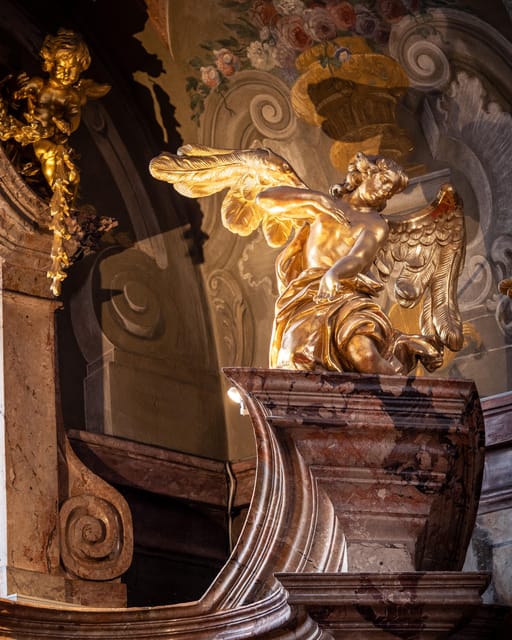
Plan to reach Annagasse at least 30 minutes before the 8:00 PM start if front seating matters to you. The church is near the opera, so allow time to walk through the pedestrian zone rather than rushing from a distant stop.
Bring your booking details and keep your phone silent. Recording is not allowed, and a bright screen or flash can spoil the mood for people nearby. This is one of those evenings where the best souvenir is simply paying attention.
Use the program to identify the works, but do not feel you must study it in advance. Listen for the way the four instruments trade melodies and support one another. In a small ensemble, those details are easier to catch than they would be in a large orchestra.
Afterward, you are already in one of Vienna’s best areas for an evening walk. The short concert length leaves time for a drink or meal nearby, and the pedestrian center is particularly pleasant after dark. The music gives the night a clear finish without taking over your entire schedule.
Should you book the Annakirche concert?
I would book this if you want a well-priced introduction to classical music in an atmospheric Vienna setting. The strongest reasons are the intimate string ensemble, the use of period-style instruments, and the chance to hear substantial works in a Baroque church only minutes from the State Opera.
Book early if you want a prime seat, and remember that summer warmth and free seating are genuine considerations. If you need a full opera, reserved chairs, or a large orchestra, choose another venue. If you want 70 calm minutes of Mozart, Haydn, Beethoven, or Schubert in an ornate church, this is an easy choice at $38.
FAQ
Where is the concert held?
The concert takes place at St. Anne’s Church, also called Annakirche, at Annagasse 3b in central Vienna.
How far is Annakirche from the Vienna State Opera?
The church is about a three-minute walk from the Vienna State Opera.
How can I reach the church by underground train?
Annakirche is about five minutes on foot from both Karlsplatz and Stephansplatz underground stations.
What time does the concert begin?
Concerts begin at 8:00 PM.
How long does the concert last?
The performance lasts approximately 70 minutes.
What music will be performed?
The program includes complete works by Mozart, Haydn, Beethoven, or Schubert. The exact selection can vary by performance.
Are modern or period instruments used?
The string ensemble plays on period instruments associated with the era of Mozart and Schubert.
Is seating reserved?
No. The ticket provides free seating in the venue. Arriving about 30 to 40 minutes early can improve your chance of sitting near the front.
Is the church heated in winter?
Yes. St. Anne’s Church is heated during the cold months. One summer experience found the church warm, so you may want to bring water in hot weather.
Recently added around Vienna
- Vienna: Private tour Mauthausen and Linz★ 4.1 · 3 reviews
- 2-Day Prague Tour from Vienna with private Transfers and Lunches★ 5.0 · 3 reviews
- Vienna Self Guided Sherlock Holmes Murder Mystery Game★ 4.5 · 3 reviews
- Vienna Private Schönbrunn Palace Tour, Extra Rooms and Gardens★ 5.0 · 3 reviews
- Salzburg and Lake Region Private Day Trip from Vienna★ 5.0 · 3 reviews
- Small-group Vienna Wine Tour★ 5.0 · 3 reviews
- True Crime mobile puzzle rally Vienna★ 4.0 · 3 reviews
- Exploring the Gutenstein Alps★ 5.0 · 3 reviews
Concerts in Vienna, compared.
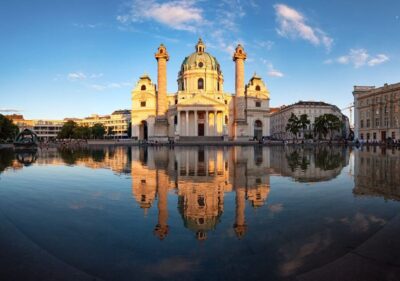
Vivaldi’s Four Seasons Concert in Karlskirche
Read our review →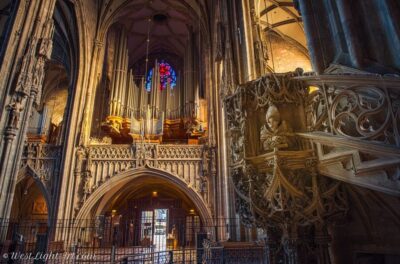
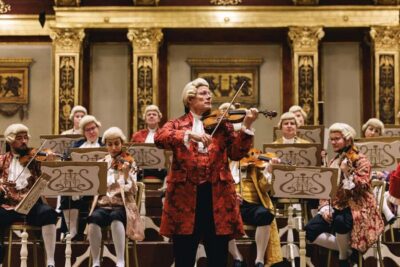
Vienna Classical Concert at St. Peter’s Church
Read our review →
Classical Concert in St. Anne’s Church (Annakirche)
Read our review →
Exclusive Evening at Schönbrunn Palace: After-Hours Audiotour, Dinner, Concert
Read our review →Browse the lists this tour appears in