
Reviewed · VIENNA TOURS
The Vienna Augmented Reality Puzzle Rally
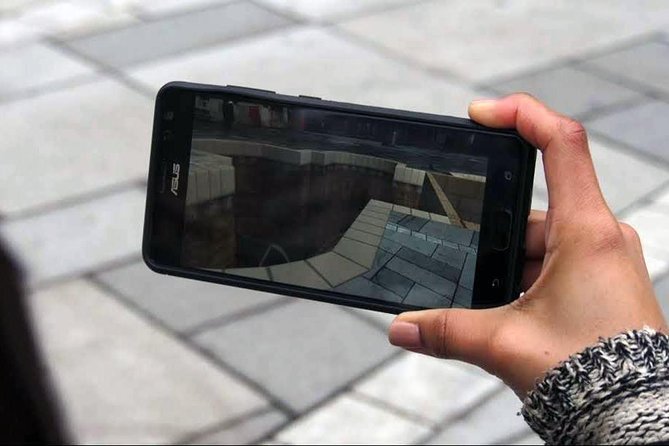
Vienna’s past becomes part of the game on this two-hour puzzle rally. From Stephansplatz, you use a special augmented-reality smartphone to see earlier versions of the city, solve a historical murder case, and follow clues linked to Mozart and the Hofburg. The phone is your window into old Vienna, not just a map.
I like the mix of paper puzzles and virtual challenges, since you are not simply following an app from one stop to the next. I also like the way the activity gives history a job to do: old buildings and past events become clues. The main drawback is that the experience depends on good weather, and a fixed, non-refundable booking leaves little room for last-minute changes.
Key Points
- Augmented-reality views of lost Vienna buildings let you compare the present city with its earlier form.
- A historical murder case and Mozart clues give the walk a clear story instead of a loose collection of facts.
- Special smartphones, a map, puzzle sheet, and clue bag are provided at the meeting point.
- Small teams compete to solve the most secrets and crack the code to the treasure chest.
- The activity lasts about two hours and begins and ends at Stephansplatz 5.
- The $57.32 price makes the most sense for families, groups, and people who prefer a hands-on city activity to a standard walking tour.
Vienna’s Past Appears on Your Phone
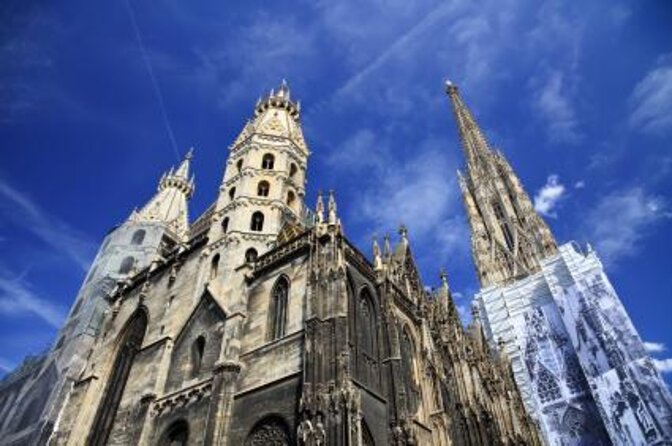
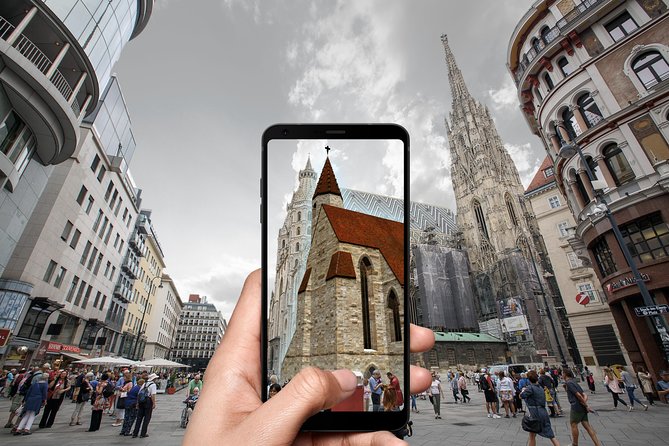
The clever idea here is simple: Vienna’s streets show you the present, while the augmented-reality phone adds pieces of the past. Lost buildings can be resurrected on the screen, and earlier versions of places around the Hofburg become part of the puzzle.
That changes the way you look at central Vienna. Instead of passing a grand façade and hearing a short date, you use the building or square to answer something. The technology has a purpose. It helps you picture a city that no longer exists and gives you a reason to inspect details around you.
The experience is built around a historical murder case, with additional clues that lead you in Mozart’s footsteps. The supplied material describes the activity as a puzzle rally, while the game itself is also known as Escape the Hofburg. The focus is not a long lecture about imperial Vienna. You work out the story by solving tasks.
That makes this a good choice if you enjoy history more when you can handle it, question it, and use it. If you want a quiet, traditional walking tour with a guide speaking for most of the time, this is a different kind of outing.
A few more Vienna half-days to weigh up
- Vienna: Vivaldi’s Four Seasons Concert in Karlskirche
★ 4.7 · 14,951 reviews - Vienna: Spanish Riding School Training
★ 3.9 · 9,281 reviews - Vienna: Skip-the-cashier-desk-line Giant Ferris Wheel Ride
★ 4.5 · 7,859 reviews
Starting at Stephansplatz 5
You meet at Stephansplatz 5, in Vienna’s 1010 district. The activity returns to the same meeting point, which keeps the logistics easy. You do not need to arrange a separate ride back from an unfamiliar neighborhood.
At the start, you receive the equipment needed for the game:
- A special augmented-reality smartphone
- An interactive map
- A puzzle sheet
- A bag containing mysterious clues
You do not need to bring puzzle materials of your own. The mobile ticket also keeps the booking simple, though confirmation is subject to availability and is sent within 48 hours of booking.
Stephansplatz is a practical base for this kind of activity. It is central, close to public transportation, and easy to fit into a day of sightseeing. You could schedule the rally before or after other central Vienna plans without building your whole day around a distant meeting point.
The maximum group size is 24 people. That is small enough for a team game to feel manageable, though the total number of people can still matter if the activity is full. You play in smaller teams, so your own group can share clues and divide the work.
A Two-Hour Puzzle Hunt Through Old Vienna
The exact stop-by-stop route is not provided, so you should not expect a published list of every street or puzzle station. What is clear is the shape of the activity: you begin at Stephansplatz, follow an interactive map, use AR scenes and physical clues, and return to the starting point after roughly two hours.
The first stage is likely about getting comfortable with the equipment and understanding how the game works. You then move through central Vienna as a team, checking the map, studying clues, and using the phone to reveal earlier buildings or animated scenes. Some challenges are solved on paper, while others depend on what appears on the screen.
That combination matters. If every answer came from the smartphone, the activity could feel like a standard phone game. If everything were printed on paper, the technology would be decoration. Here, the two formats support each other.
The historical material includes animated views of the Hofburg from past centuries. These scenes help you see how the imperial complex changed and give you information needed for some puzzles. You are not only searching for a location. You are also working out what that place looked like or meant at another point in time.
The murder case supplies the main thread. A story gives your group a reason to keep going when a puzzle becomes difficult. Mozart’s connection adds another familiar name to the route and helps tie the activity to Vienna’s musical identity.
At the end, teams that solve the most secrets crack a hidden code and earn the chance to open a mysterious treasure chest. The competitive element is likely to appeal to groups who enjoy a clear finish. If you are visiting with children or friends, the chest gives the last part of the game a useful sense of purpose.
What the Augmented Reality Adds
Augmented reality works best here because Vienna has so much visible evidence of its past, but not every part of that past survives in the street. A screen can show you a missing building or an earlier version of a familiar site without requiring a museum display or a long explanation.
The phone display acts as a second layer over the city. You can look at the real street, then use the device to see an earlier scene connected with it. This is especially useful around the Hofburg, where imperial architecture and later changes can otherwise blur together for a first-time visitor.
The technology is not a substitute for the city itself. You still walk through real public spaces and use physical clues. That is important because the best part of a city puzzle is the connection between the answer and the place where you find it.
There is also a practical limit. You will be carrying and watching a supplied smartphone while moving through central Vienna. You need to pay attention to your surroundings, not only to the screen. The game works best when one person in the team handles the device while others look at the map, paper, or buildings.
The AR scenes have been described as a modern way to make Vienna’s past feel present. That is a fair assessment, but you should think of this as a playful history activity rather than a full historical explanation. The facts serve the puzzles. You will get memorable glimpses and useful context, but not the depth of a museum tour or specialist lecture.
A different way to spend an afternoon here:
- Vienna: Schönbrunn Palace & Gardens Skip-the-Line Tour
★ 4.7 · 7,739 reviews - Vienna: Light of Creation Votive Church Immersive Light Show
★ 4.8 · 6,779 reviews - Vienna Spanish Riding School Guided Tour
★ 4.7 · 6,765 reviews - Vienna: Classical Concert in the World-Famous Musikverein
★ 4.6 · 6,673 reviews
The Puzzles: Clever, Sometimes Knifflig
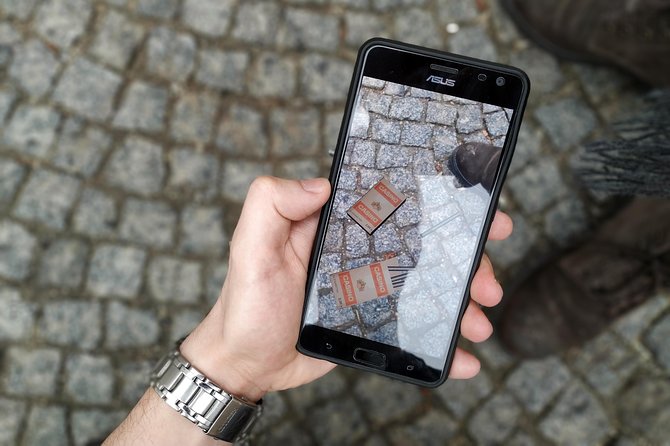
The puzzles are intended to be challenging. Some are described as particularly knifflig, the German word for tricky or demanding. That can be a strength if your group likes solving problems together, but it may frustrate you if you prefer a relaxed walk with only easy questions.
You will work with several kinds of information at once. The puzzle sheet may ask you to notice a detail, the map may point you toward the next place, and the AR phone may show an older building or animation needed for the answer. The bag of clues adds a physical element and gives the game something to investigate away from the screen.
This format encourages teamwork. One person may be good at visual details, another at word puzzles, and another at keeping track of the route. Families can divide tasks between adults and children, while a bachelor party or small celebration can turn the activity into a friendly contest.
You should allow time for the group to think. Two hours is enough for a focused outing, but it is not an unlimited period for wandering, taking long breaks, or stopping for a full meal along the way. If your team becomes stuck, the pace may slow.
The supplied information does not explain whether hints are available or how much help the tour attendant gives during the game. You can expect the materials and equipment to be provided on site, but you should not assume that every puzzle has an immediate solution or that a guide will solve it for you.
History for Families, Friends, and Local Residents
This activity is designed to work for more than one kind of visitor. A family celebration can use the game as a shared challenge, with children helping to spot clues and adults handling the more complex historical connections.
It also suits a bachelor party or other small group event. The treasure chest and team scoring create a light competitive mood, while the central setting makes the activity easier to combine with food and sightseeing afterward. It has a social purpose as well as a sightseeing purpose.
You do not need to be a first-time visitor to enjoy it. The game reveals corners and details that you might not notice during a normal walk, and the AR layer gives familiar Vienna a new use. For a local resident, that may be the strongest reason to book. You are not simply checking off famous sights. You are examining your own city through a different set of questions.
Technology fans should be particularly pleased. The activity uses AR in a meaningful way, with animations and past versions of the Hofburg supporting the story. If you enjoy trying new media, this is more distinctive than a standard paper scavenger hunt.
On the other hand, people who dislike phones, competition, or problem-solving should think twice. The smartphone is central to the experience, not an optional extra. The group also needs to cooperate and keep moving, so this may not be the right pick for someone seeking a slow, contemplative walk.
Is $57.32 a Fair Price?
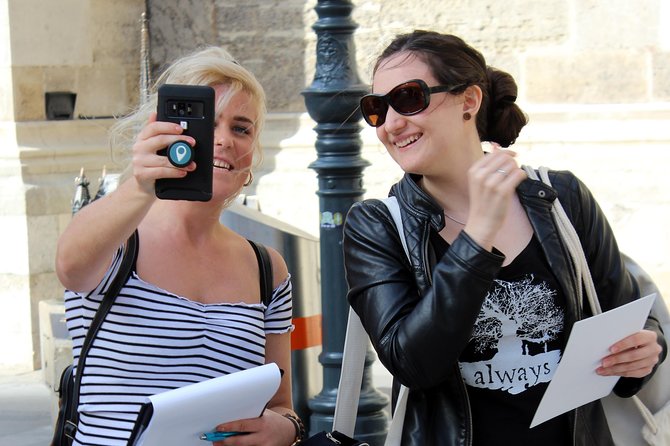
At $57.32 per person, this costs more than a self-guided walk through central Vienna. You are paying for the equipment, the prepared puzzle materials, the AR content, the on-site setup, and the game structure.
The value depends on how many people will actively use the experience. For one person looking for a cheap way to see Stephansplatz, the price is hard to justify. You could explore the area independently for much less.
For a family or group, the calculation changes. You receive a shared activity that keeps everyone involved for about two hours. The cost covers more than transportation from one sight to another. It pays for a story, a set of challenges, and a technology-based way to view Vienna’s past.
I would compare it with the cost of other organized group activities rather than with a free walk. If your group might otherwise spend money on entertainment, the puzzle rally offers sightseeing and a game in the same package. If you mainly want detailed historical commentary, a conventional guided tour may offer better value for you.
The included equipment is important. You do not need to rent a device, print clues, or prepare a route yourself. That convenience helps explain the price, especially for a short city visit when you want an activity that is ready to go.
Weather, Booking, and Practical Limits
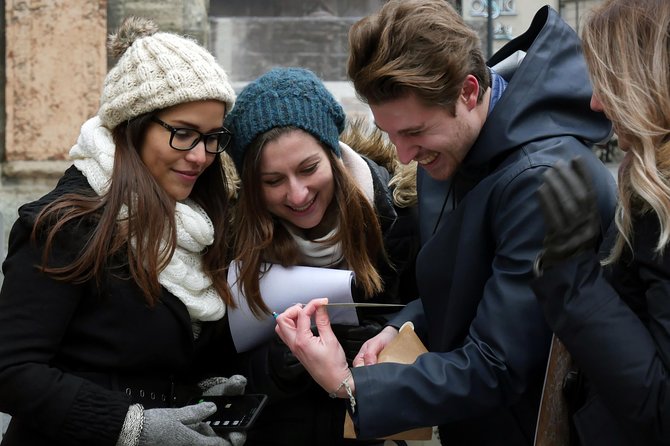
The experience requires good weather. Because the puzzle rally takes place around the city, poor conditions can affect both the walking and the use of the phone. If the operator cancels for bad weather, you are offered another date or a full refund.
Your own booking is non-refundable and cannot be changed for any reason. That is the main financial risk. Check your schedule and the forecast before you reserve, since a personal cancellation does not qualify for a refund under the stated policy.
The activity also requires a minimum number of participants. If that minimum is not reached and the activity is canceled, you are offered another date, another experience, or a full refund.
Service animals are allowed, public transportation is nearby, and most people can participate. The maximum group size is 24. These details make it fairly approachable, but the information provided does not specify the walking distance, wheelchair conditions, child age recommendations, or whether the route includes stairs. If any of those points matter to you, ask the provider before booking.
Alcoholic beverages are not included. That is not a serious issue for most people, but it matters if you are planning a celebration and assumed refreshments were part of the price.
How to Make the Most of the Rally
Bring a group that enjoys solving things together. The strongest experience will come from people who are willing to share ideas instead of letting one person control the phone and every answer.
Give the map and puzzle sheet equal attention. The AR phone is the flashy part, but the paper tasks are part of the design. Have one person read clues aloud while another handles the device and a third keeps track of the route.
Do not rush through the streets while staring at the screen. Vienna’s central streets are part of the experience, and the game works better when you pause to compare the real setting with the historic image.
Wear practical walking shoes and choose a weather-friendly time. The activity lasts about two hours, and the weather policy shows that outdoor conditions matter. You should also leave room before or after the rally for your own sightseeing, since the route begins and ends at Stephansplatz.
If you are booking for a celebration, remember that the activity itself does not include alcoholic drinks. Plan any meal or drinks separately after the game.
Should You Book the Vienna AR Puzzle Rally?
Book it if you want a social, hands-on way to explore central Vienna and you enjoy technology, mysteries, or friendly competition. The strongest reasons are the AR views of vanished buildings, the Hofburg scenes from earlier centuries, and the blend of physical clues with digital puzzles.
It is especially suitable for families, groups of friends, bachelor parties, and locals who want to see familiar streets differently. The two-hour length is manageable, and returning to Stephansplatz keeps the plan simple.
Skip it if you want a traditional guide-led history walk, dislike using phones during sightseeing, or need flexible cancellation terms. The price is aimed at an organized group experience, not a low-cost introduction to Vienna.
For the right group, the rally turns the city into a working puzzle board. You leave with more than a route through central Vienna: you have tested your teamwork, seen old buildings return on screen, and followed a story that makes the past easier to remember.
FAQ
How long does the Vienna Augmented Reality Puzzle Rally last?
The activity lasts approximately two hours.
Where does the activity start?
It starts at Stephansplatz 5, 1010 Vienna, Austria.
Where does the activity end?
The activity ends back at the meeting point at Stephansplatz 5.
What is included in the price?
The price includes special augmented-reality-enabled smartphones, an interactive map, puzzles, a puzzle sheet, and a bag of clues.
Are alcoholic beverages included?
No. Alcoholic beverages are not included.
What happens if bad weather cancels the activity?
If the operator cancels because of poor weather, you are offered a different date or a full refund.
How many people can take part?
The activity has a maximum group size of 24 people and is played in small teams.
Recently added around Vienna
- Vienna: Private tour Mauthausen and Linz★ 4.1 · 3 reviews
- 2-Day Prague Tour from Vienna with private Transfers and Lunches★ 5.0 · 3 reviews
- Vienna Self Guided Sherlock Holmes Murder Mystery Game★ 4.5 · 3 reviews
- Vienna Private Schönbrunn Palace Tour, Extra Rooms and Gardens★ 5.0 · 3 reviews
- Small-group Vienna Wine Tour★ 5.0 · 3 reviews
- Salzburg and Lake Region Private Day Trip from Vienna★ 5.0 · 3 reviews
- True Crime mobile puzzle rally Vienna★ 4.0 · 3 reviews
- Exploring the Gutenstein Alps★ 5.0 · 3 reviews
Vienna Tours, compared.

Vivaldi’s Four Seasons Concert in Karlskirche
Read our review →

Skip-the-cashier-desk-line Giant Ferris Wheel Ride
Read our review →
Schönbrunn Palace & Gardens Skip-the-Line Tour
Read our review →
Light of Creation Votive Church Immersive Light Show
Read our review →

Skip-the-Line Sisi Museum, Hofburg and Gardens Tour
Read our review →