
Reviewed · BELVEDERE AND KLIMT TOURS
Private Tour with an Art Historian of the Leopold Museum: Gustav Klimt, Egon Schiele and Viennese Art Nouveau
The most compelling part of this private Leopold Museum tour is its focus. Instead of trying to absorb every room, you follow an art historian through the works that best explain Gustav Klimt, Egon Schiele and Viennese Art Nouveau, along with artists such as Kokoschka, Gerstl and Makart. Julia, one named guide, is praised for making difficult ideas clear without draining the life from them.
I like the private format, since your group can set the pace and ask about collecting, symbolism, scandal or Austrian culture. I also like that admission is included, saving you the museum-entry chore. The main drawback is the price, $216.27 per person, and 2 hours 15 minutes may feel short if you want to discuss every major artist in depth.
Key points at a glance
- A focused visit to the Leopold Museum: See its permanent Egon Schiele collection and important Viennese modernist works without wandering aimlessly.
- A private art historian guide: Julia has been praised for linking close-looking with Austrian history, artistic movements and cultural change.
- Klimt and Schiele take center stage: You’ll examine the two artists most closely tied to Vienna’s Secession and early modern art.
- Admission is included: Your $216.27 price covers museum entry, making the tour simpler to arrange.
- A serious look at provocative art: Schiele’s nude and exhibitionist works raise questions about censorship, pornography and artistic freedom.
- Best for curious adults and art lovers: The material suits you if you want interpretation and discussion, not just a quick introduction.
Why the Leopold Museum makes a strong second museum
Vienna is famous for the Belvedere, especially for Gustav Klimt’s The Kiss. That makes it easy to treat the Leopold Museum as an afterthought. I think that would be a mistake, particularly if you want to understand the wider story of Austrian modernism rather than see one famous painting and move on.
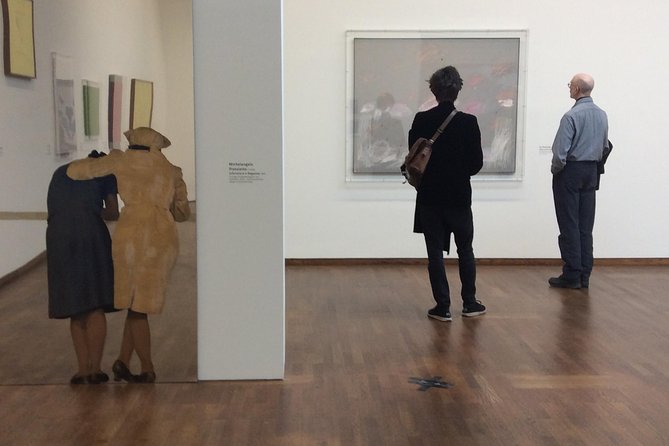
The Leopold Museum brings together painting, furniture and handicrafts from the period around the turn of the 20th century. Its collection grew from the private holdings of Rudolf Leopold, which gives the museum an unusual character. You are not simply walking through a standard survey of European art. You are seeing a concentrated view of the artists and design ideas that shaped Vienna’s move away from academic tradition.
The museum’s permanent Schiele display is a major reason to come. His work can be awkward, spare, confrontational and intensely personal. It does not always offer the easy beauty associated with Klimt. That tension is part of the point. Schiele’s bodies and faces ask you to consider where portraiture ends and exposure begins, and where art crosses into material that some people may find sexual or disturbing.
A guide gives you a way into that discomfort. Rather than reducing Schiele to a scandalous figure, an art historian can help you look at his line, posture, use of empty space and treatment of the human body. That kind of conversation is difficult to get from a label alone.
More Belvedere and Klimt visits:
- Entry Ticket Upper Belvedere, Klimt’s Kiss & Permanent Collection
★ 4.5 · 831 reviews - Vienna: Lower Belvedere Entry Ticket & Temporary Exhibitions
★ 4.1 · 275 reviews - Vienna: Belvedere Palace Skip-the-Line Tour
★ 4.9 · 197 reviews
Meeting Julia at the museum entrance
The tour begins at the Leopold Museum, Museumsplatz 1, in Vienna’s seventh district. You should arrive punctually at the front entrance. The meeting point is at the bottom of the large staircase leading up to the museum door, where your guide will be waiting.
This detail matters. The museum is near public transportation, but the instructions do not describe a hotel pickup or a city walking tour. You are responsible for reaching Museumsplatz and finding the guide at the stated point. Keep your confirmation handy, either on paper or on your phone, and use the contact details on it if you have trouble locating the meeting spot.
Julia is the guide named most often in the supplied material, although one account spells the name Julie. Her strongest quality appears to be her ability to shift between big ideas and small details. You might spend a moment discussing the Secession Movement, then look closely at a particular figure, gesture or compositional choice.
That balance is useful. A purely academic talk can leave you drowning in dates and names. A purely casual tour can leave you entertained but no wiser about what you saw. This experience aims for the middle ground, with historical context tied to the actual objects in front of you.
The first 30 minutes: finding Vienna’s artistic break
The museum visit is designed around the important works, not every room. I would expect the early part of the tour to set up the artistic and social changes that made Viennese modernism possible, then connect those changes to the objects on display.
The Secession Movement is central here. Vienna’s artists and designers were pushing against the established art world and its rules. The result was not one single style, but a new willingness to question academic taste, traditional subject matter and the boundary between fine art and design.
This is where furniture and handicrafts become useful. You can see that the period’s ideas were not limited to easel paintings. Decorative work, interiors and practical objects also carried the clean lines, patterns and new visual language associated with Viennese Art Nouveau.
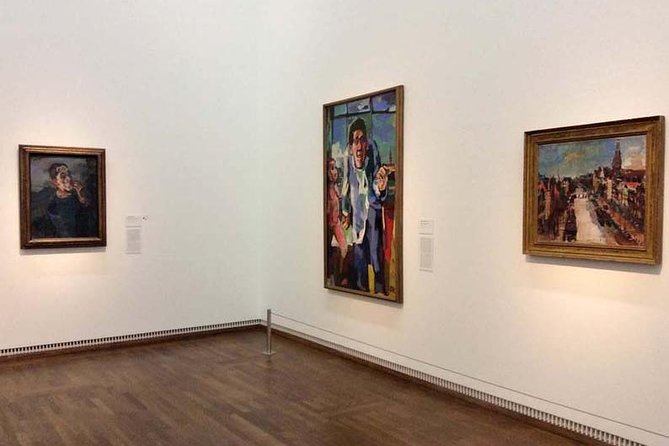
The tour also includes artists beyond Klimt and Schiele. Makart helps place the earlier Viennese art scene in context. Oskar Kokoschka brings a more eccentric, emotionally charged approach. Richard Gerstl adds another strand to the story of Austrian modernism. You will not study each artist equally, but their presence helps prevent Vienna’s art story from becoming a two-name greatest-hits tour.
I appreciate that broader frame. Klimt and Schiele are the obvious draws, but their work becomes easier to understand when you see the artistic world around them. You can compare different ideas about the body, portraiture, decoration and emotional expression instead of treating each painting as an isolated masterpiece.
Klimt without stopping at The Kiss
Klimt’s name sells many Vienna museum visits, but a good tour should do more than point at gold surfaces and repeat familiar facts. Here, the goal is to place Klimt within the Viennese art community and the Secession period.
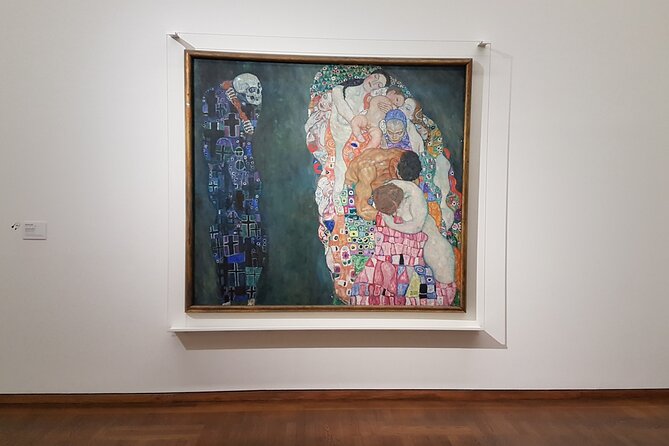
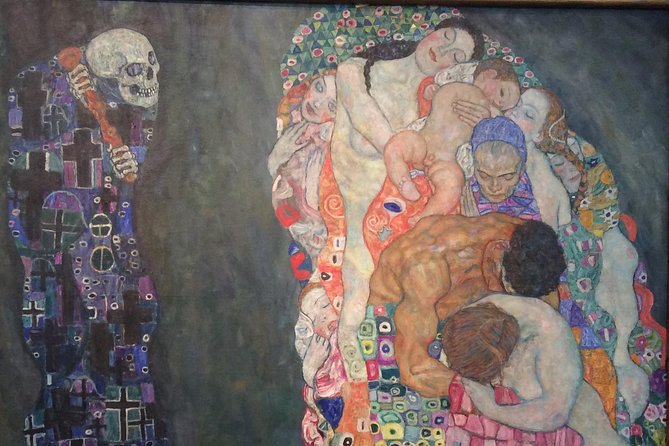
You can expect attention to the visual qualities that make Klimt immediately recognizable, including ornament, pattern and the relationship between decorative surfaces and human figures. The more useful question is why those choices mattered in Vienna at the time. Klimt’s work challenged old divisions between painting, design and sensual display.
An art historian can also help you notice the difference between looking at Klimt as a popular icon and looking at him as a serious modern artist. The familiar image of Klimt can flatten his work into luxury, gold and romance. A longer conversation brings back the conflict, ambition and cultural change behind the surface.
The private setting should help here. If you already know Klimt, you can ask about technique, symbolism or his place in Austrian art. If you are new to him, you can ask basic questions without worrying about slowing down a larger group. That freedom is one of the clearest reasons to consider paying for a private visit.
More Museums in Vienna:
- Vienna: Skip-the-Line Sisi Museum, Hofburg and Gardens Tour
★ 4.8 · 5,918 reviews - Vienna Kunsthistorisches Museum Day Admission Ticket
★ 4.6 · 3,690 reviews - Tickets for the Albertina Exhibitions
★ 4.7 · 2,126 reviews - Vienna: Chocolate Workshop in Chocolate Museum w/ Tasting
★ 4.5 · 1,802 reviews
Schiele and the questions that still cause trouble
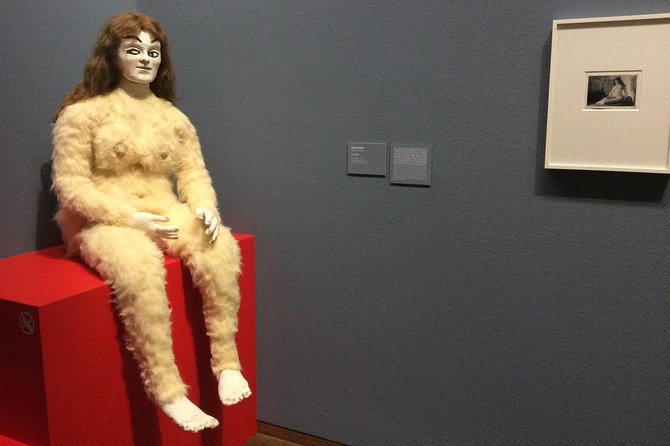
Egon Schiele is the emotional and intellectual center of this experience. The Leopold Museum has a permanent collection devoted to his work, and the tour treats his art as more than a collection of provocative nudes.
Schiele’s figures can look exposed, distorted and deliberately uncomfortable. His thin, urgent lines often make the body feel fragile rather than idealized. The pose may seem theatrical, but the mood is rarely relaxed. You are being asked to look at the sitter as a psychological presence, not simply a pleasing form.
That is why his art still produces argument. The subjects include sexuality, nudity and the boundary between pornography and art. The tour description openly frames these works as capable of causing dubious reactions, and that directness is helpful. You should not expect a softened, family-style account that avoids the difficult material.
This part may not suit everyone. If you are sensitive to explicit or unsettling imagery, you should know what you are signing up for. If you are interested in how museums and societies decide what counts as art, Schiele gives the guide plenty to work with.
I would especially value Julia’s approach here. The strongest accounts of her guiding describe a mix of specific facts and larger historical ideas. That method can keep the discussion grounded. You are not simply told that Schiele was controversial. You are encouraged to consider how line, pose, subject and context create that reaction.
Connecting the artists to Austria
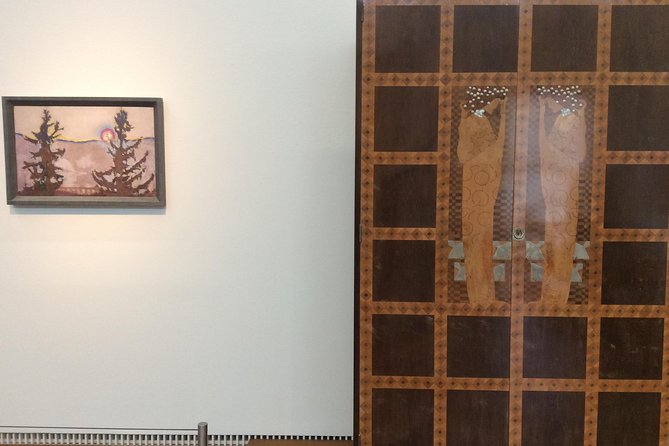
One of the tour’s better promises is that you will leave with a stronger understanding of Austria as well as its art. That is important because Viennese modernism did not develop in a vacuum.
The artists were working in a city caught between tradition and change. The Secession Movement reflected a wish to break from official artistic institutions, but it also belonged to a particular social and cultural setting. Klimt, Schiele, Kokoschka and Gerstl were not following the same path, yet their differences show how quickly Austrian art was changing.
The guide’s role is most valuable when these facts connect to what you are seeing. A date by itself is easy to forget. A date linked to a painting’s strange pose, unusual surface or rebellious subject is much easier to remember.
The tour also leaves room for questions about art, collecting and life in Vienna. That is more than a small perk. A private tour works best when you can follow your own curiosity. You might care about the Leopold collection, the Secession artists, the city’s culture, or the line between private taste and public museum display.
One caution: 2 hours 15 minutes is a useful introduction, not a complete course in Austrian modernism. Even with a focused route, you may leave with unanswered questions. That is not a flaw so much as a limit of the schedule. If you want to cover every artist in detail, you may need another museum visit or a second session.
What the private format changes
A private tour means only your group participates. This gives you more control than a standard group visit. You can move at a pace that suits you, pause longer at a favorite work, or spend less time on an artist who does not interest you.
That flexibility matters most in an art museum. Some people want to stand quietly in front of a painting. Others want a steady explanation. Some have a strong background in modern art, while others need the basic terms explained first. A private guide can adjust more easily than a fixed group tour.
The supplied accounts describe Julia as engaging and passionate about Austrian art. One couple who had already visited the museum wanted a more expert visit and found the added interpretation worthwhile. That tells you something practical: this is not only for first-time museum visitors. You can benefit from it even if you have already seen the collection and want to understand it better.
It also suits a small family group, a pair of art-focused friends or a couple with very different levels of museum experience. The cost becomes harder to justify for one person or a casual visitor who only wants a quick look at Klimt.
Is $216.27 per person fair value?
At $216.27 per person, this is a costly museum visit. The value depends heavily on how much you want from the experience and how many people are in your private group. Admission is included, but the main purchase is the guide’s time and the ability to shape the visit around your interests.
For someone who already plans to visit the Leopold Museum and would otherwise walk through it alone, the extra cost buys context, structure and conversation. You can avoid spending your limited Vienna time guessing which rooms matter most. You also gain an expert who can explain why the works matter, not just identify the names on the wall.
For a casual art viewer, the price may be too high. The museum itself can be visited without this tour, and 2 hours 15 minutes is not long enough to cover every corner. You should book it because you want interpretation, not because you need basic entry.
Group discounts are available, which may improve the value for a larger private party. Since the tour is offered in English, it is a practical choice for English-speaking visitors who want a museum experience without a language barrier.
The strongest case for the price is your personal interest. If Schiele’s controversial work, Klimt’s place in the Secession, and the story of Viennese modern art are central to your Vienna plans, the fee can make sense. If your priority is simply checking the museum off a list, save your money and visit independently.
Practical points before you book
Plan on moderate physical fitness. The meeting point is at the bottom of a huge staircase, and the tour is inside a museum, so you should be comfortable standing and walking for much of the 2 hours 15 minutes.
The museum is near public transportation, but the activity is not stroller accessible. Pets are not permitted. These details make the tour less suitable for visitors who need a stroller or are traveling with an animal.
Bring either a paper or electronic voucher. Confirmation is provided at booking. Free cancellation is available if you cancel at least 24 hours before the start time, based on Vienna local time. Changes or cancellations inside that window are not accepted for a refund.
Finally, arrive early enough to identify the staircase and settle in. The guide will be waiting at its bottom, not necessarily at the museum door itself. A few calm minutes here can prevent a rushed start.
Who should book this Leopold Museum tour?
You should book this if you want a serious but approachable introduction to Klimt, Schiele and the Secession period. It is especially suited to adults who enjoy asking questions, comparing artists and discussing the uneasy line between art, sexuality and public taste.
It is also a good choice if you have already visited the Belvedere and want a different side of Vienna’s art scene. The Leopold Museum offers more than another chance to see Klimt. It gives you a concentrated look at Schiele and a wider group of Austrian modernists.
I would hesitate if your budget is tight, you dislike explicit art, or you prefer to wander alone. The private format is a major benefit, but it comes at a premium. The visit is focused and thoughtful, not a quick photo stop.
FAQ
Where does the tour begin?
It begins at the Leopold Museum, Museumsplatz 1, 1070 Vienna, Austria. Meet in front of the main entrance, at the bottom of the large staircase leading to the museum door.
Where does the tour end?
The activity ends back at the Leopold Museum meeting point.
How long does the tour last?
The tour lasts approximately 2 hours and 15 minutes.
Is museum admission included?
Yes. Admission to the Leopold Museum is included in the tour price.
Is this a private tour?
Yes. Only your group participates in the activity.
Is the tour offered in English?
Yes. English is the listed tour language.
Which artists are covered?
The tour focuses on Gustav Klimt, Egon Schiele and Viennese Art Nouveau. It may also cover artists including Makart, Oskar Kokoschka and Richard Gerstl, as well as the Secession Movement.
Is the tour suitable for wheelchair users or strollers?
The activity is listed as not stroller accessible. Travelers should have a moderate level of physical fitness.
Can I cancel for a full refund?
Yes, if you cancel at least 24 hours before the experience start time. Cancellations or changes made less than 24 hours before the start are not accepted for a refund.
Should you book it?
Book this private visit if you want the Leopold Museum to make sense, not just look impressive. Julia’s teaching style, the permanent Schiele collection and the chance to discuss Klimt, Secession art and controversial subjects at your own pace give the museum real depth.
Skip it if you only want a fast look or cannot justify the price. For art lovers, returning museum visitors and curious first-timers, though, this is one of the better ways to place Vienna’s famous artists in the same conversation.
Recently added around Vienna
- Vienna: Private tour Mauthausen and Linz★ 4.1 · 3 reviews
- 2-Day Prague Tour from Vienna with private Transfers and Lunches★ 5.0 · 3 reviews
- Vienna Self Guided Sherlock Holmes Murder Mystery Game★ 4.5 · 3 reviews
- Vienna Private Schönbrunn Palace Tour, Extra Rooms and Gardens★ 5.0 · 3 reviews
- Small-group Vienna Wine Tour★ 5.0 · 3 reviews
- Salzburg and Lake Region Private Day Trip from Vienna★ 5.0 · 3 reviews
- True Crime mobile puzzle rally Vienna★ 4.0 · 3 reviews
- Exploring the Gutenstein Alps★ 5.0 · 3 reviews
Belvedere and Klimt Tours, compared.
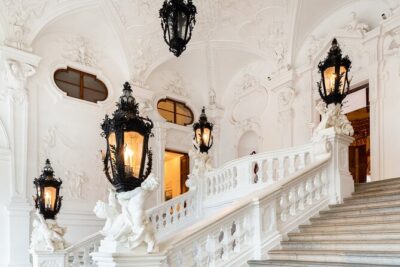
Entry Ticket Upper Belvedere, Klimt’s Kiss & Permanent Collection
Read our review →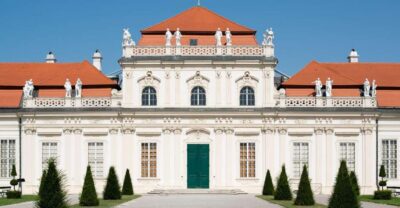
Lower Belvedere Entry Ticket & Temporary Exhibitions
Read our review →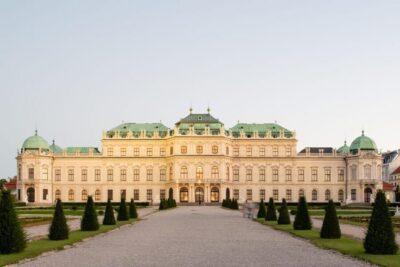
Skip-the-line Upper Belvedere Tickets and Guided Tour Vienna
Read our review →
Schönbrunn, Belvedere, Big Bus, Giant Wheel & Cruise
Read our review →
Skip-the-line Upper Belvedere Tickets and Guided Tour Vienna
Read our review →
Klimt Villa (Gustav Klimt Atelier & Museum) Ticket
Read our review →Browse the lists this tour appears in