
Reviewed · SALZBURG TOURS
Explore Salzburg in 60 minutes with a Local
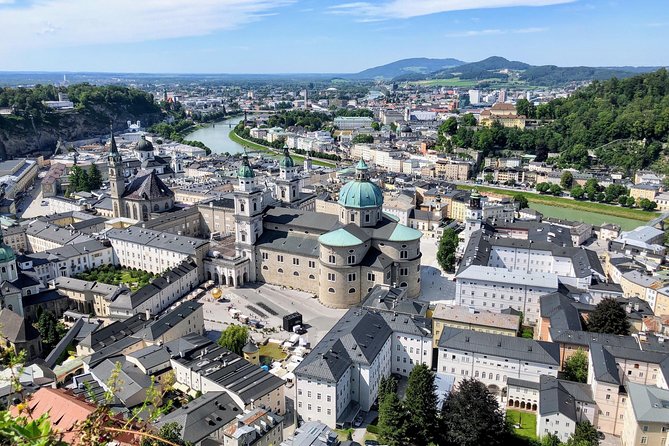
Salzburg gives you a lot in a small area, and this short walk links its finest sights with the story of Mozart and the city’s baroque center. In about an hour to 90 minutes, you’ll see the cathedral, Mozart’s birthplace and residence, Mirabell Palace, and St. Peter’s Abbey.
I like the small-group format, which makes it easier to ask questions and adjust the pace. I also like the practical advice built into the walk, especially tips on restaurants, cafés, photo spots, and places to explore after the tour. One consideration is the price: at $117.95 per person, this is a costly orientation walk unless you value personal attention and plan to use the advice for the rest of your stay.
Key points to know before booking
- Mozart anchors the walk: You visit both the house where Mozart was born and the residence where he later lived.
- The route covers Salzburg’s essential center: The cathedral, Mirabell Palace, St. Peter’s Abbey, and major old-town sights all fit into one compact introduction.
- A small group keeps it personal: The experience is advertised for a small group, with a maximum of eight people and a highlight describing groups of up to six.
- The guide adapts the route: Stops can change with weather, and the pace can reflect the group’s interests.
- The advice is useful beyond the tour: You receive personal suggestions for restaurants, cafés, sights, and good places for photos.
- It is best early in your stay: The walk helps you decide what deserves more of your own time afterward.
What this Salzburg walk is really designed to do
This is not a long museum tour or a full treatment of every Salzburg landmark. It is a compact introduction led by an independent local, with the emphasis on orientation, atmosphere, and useful recommendations.
That makes the timing important. The experience lasts about one hour to 90 minutes, so you should expect an overview rather than extended visits inside every building. Several stops are major attractions with plenty to see on your own, including Mozart’s birthplace and residence. Entry tickets are not included, so the walk is mainly about seeing the places, understanding their importance, and deciding which ones you want to enter later.
The small group changes the feel. The group can include up to eight people, while the tour’s main description refers to groups of up to six. Either way, this is much more intimate than a large city walk. You can ask about a restaurant, pause for a photo, or tell the guide that you are more interested in Mozart, architecture, or everyday Salzburg.
One named guide associated with the experience is Michael. His approach, as described in the supplied feedback, included explaining how Salzburg’s old town was built and how it changed over time. That is exactly the sort of context that helps the grand façades make sense instead of becoming a parade of pretty buildings.
A few more Salzburg half-days to weigh up
- Salzburg Marionette Theater: The Magic Flute SHORT version (1 hour)
★ 5.0 · 11 reviews - Salzburg: Express Walk with a Local in 60 minutes
★ 5.0 · 4 reviews - Explore Innsbruck in 60 minutes with a Local
★ 4.5 · 12 reviews
Starting at Café Mozart on Getreidegasse
The meeting point is Café Mozart at Getreidegasse 22. This places you in one of Salzburg’s best-known old-town streets, a useful setting for a tour built around Mozart and the historic center.
Getreidegasse is also the address of Mozart’s birthplace, so the start immediately puts you near one of the city’s central stories. You are not beginning at a distant transport stop or a modern commercial district. You start in the middle of the old town, close to the sights that give Salzburg its identity.
Arrive ready to walk. The tour is described as unsuitable for people with impaired mobility, and no special mobility support is provided. The route may be short in time, but historic centers often involve uneven surfaces, narrow streets, and regular standing. The exact route can also change with weather.
The walk ends at Schrannengasse 1. That matters for planning. You do not return to the café, so you should note where the ending point sits and arrange your next stop from there. Public transportation tickets are not included if the route or your onward plans require them.
Salzburg Cathedral and the city’s grand opening scene
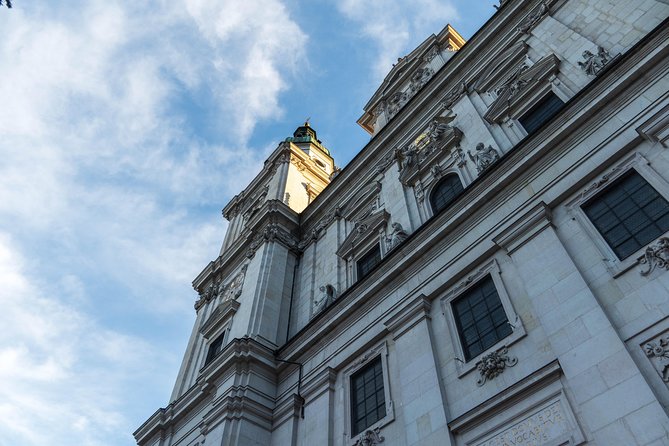
The cathedral is one of the strongest stops on this short route. Its baroque design gives you an immediate sense of Salzburg’s scale and ambition, while its connection to Mozart makes it more than an architectural photo stop. Mozart was baptized here, tying the building directly to the composer whose life shapes much of the city’s appeal.
I like beginning with a place that explains both Salzburg’s religious importance and its visual character. The cathedral helps you understand why the center feels so carefully composed, with grand church architecture set among narrower streets and historic façades.
Because the tour is short, do not assume you will have time for a full interior visit. Entry tickets for monuments and museums are not included. If the cathedral matters to you, ask the guide how to return for a longer look after the walk.
This is also a good point to ask about photography. The experience specifically includes help finding impressive photo points, and the cathedral area offers one of the clearest opportunities to frame Salzburg’s baroque center. Your guide can help you see the space as a whole rather than simply pointing at the building and moving on.
Mozart’s birthplace on Getreidegasse
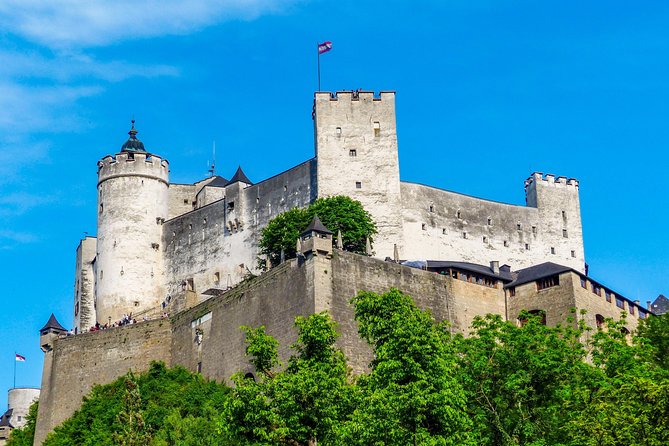
The next Mozart stop is his birthplace, now a museum about his life and work. Its location on Getreidegasse makes it an easy part of the old-town route, but its importance reaches far beyond the street itself.
You will learn where one of music history’s most famous figures began his life. The useful part of seeing it with a local is the connection between the museum, the street, and the wider city. Salzburg did not simply add Mozart to its tourist signs. His family, music, homes, and public memory are woven into the old town.
The practical catch is that entrance is not part of the walking tour. If you want the museum exhibits, original documents, and displays inside, plan a separate visit and budget for the admission. The short walk gives you orientation, but it does not replace the museum experience.
I would use this stop to decide how much Mozart you want during your stay. If you are a serious music fan, you may want to spend more time inside. If you mainly want the city’s architecture and atmosphere, a short explanation from the guide may be enough.
A different way to spend an afternoon here:
- The Original Sound of Music Tour in Salzburg
★ 4.5 · 6,129 reviews - Salzburg: Original Sound of Music Tour
★ 4.8 · 5,059 reviews - From Salzburg: Half-Day Tour to Hallstatt
★ 4.6 · 3,596 reviews - Salzburg: Mozart Concert at Mirabell Palace
★ 4.8 · 3,498 reviews
Mirabell Palace and gardens
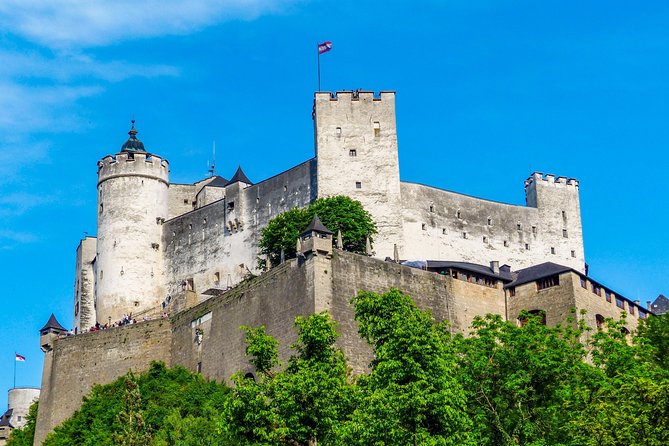
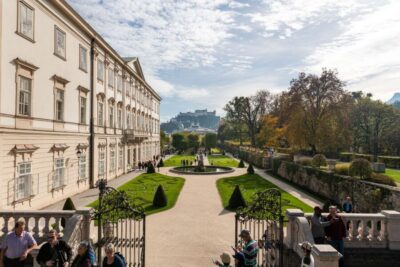
Mirabell Palace and its gardens provide a change of pace from the tighter old-town streets. The palace is a major baroque sight, and the gardens are known for their formal design and strong photo appeal.
This is one of the places where a local guide can improve your visit without turning it into a lecture. You can hear why the palace and gardens matter, spot useful views, and get advice on returning when you have more time. The experience is built around finding good photo points, and Mirabell is naturally suited to that part of the walk.
The stop also helps you compare two sides of Salzburg. The cathedral and old town feel dense and historic. Mirabell gives you more open space and carefully planned garden views. That contrast makes the city easier to read.
Again, keep the timing in mind. A one-hour walk cannot give you a leisurely garden visit plus a full palace tour. Treat this as a guided introduction. If you want to linger, schedule a separate return visit after the walk.
St. Peter’s Abbey and its quiet cemetery
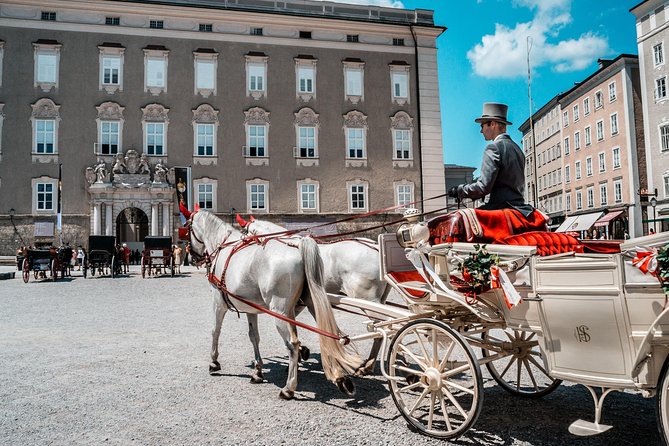
St. Peter’s Abbey is among the oldest monasteries in the German-speaking world. Its abbey church and cemetery add a quieter, more reflective stop to a route otherwise filled with famous names and grand buildings.
The cemetery is especially useful in a short city walk because it shows a different side of Salzburg. You are not only looking at palaces and churches from the outside. You are also seeing a place shaped by religious life, remembrance, and centuries of local use.
The abbey church gives the stop architectural weight, while the cemetery provides a calmer setting. That contrast can help break up the pace of the route. It also gives you another place to return to if you want time for close observation rather than a quick explanation.
As with the other major sites, the exact time spent here can depend on the group’s interests and the weather. If religious buildings and historic cemeteries are high on your list, tell the guide early. The route is designed to adapt, within the limits of a short walk.
Mozart’s residence and his Salzburg years
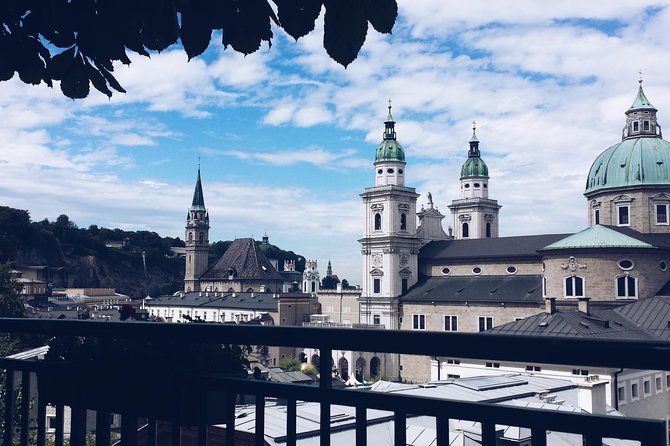
The final major Mozart-related stop is the residence where he lived for a significant period. It offers a different view from the birthplace, focusing on his working and family life during his Salzburg years.
Seeing both locations is one of the strongest reasons to choose this particular walk. The birthplace introduces the beginning of Mozart’s story. The residence shows a later phase, when his place in Salzburg had developed and his daily life had changed. Original documents and memorabilia add substance for anyone who chooses to visit the museum afterward.
The two sites also prevent the Mozart theme from becoming too narrow. You get a sense of movement through the city, not just a single birthplace presented in isolation. A local guide can connect the buildings to the old town around them and explain how Mozart fits into Salzburg’s broader development.
Admission is not included, so the same advice applies: use the walk to get your bearings, then return for the interior exhibits if the subject interests you. A music lover may find that the tour is only the start of a larger Mozart day.
The value of personal recommendations
The most useful part of this experience may happen between the famous stops. The guide offers recommendations for restaurants, cafés, sights, and places to take photographs. That can be more helpful than a standard list because you can explain what you want and receive suggestions suited to your pace and interests.
The supplied feedback gives a clear example of this strength. One person booked at the last minute, received an introduction to the old town, and came away with suggestions for exploring independently. Another described the walk as particularly useful upon arrival because it helped set up the rest of the stay.
I would book this near the beginning of a Salzburg visit, not on your final morning. You will have time to act on the advice, return to a museum, try a recommended café, or revisit a viewpoint. If you already know Salzburg well, the value drops because much of the experience is orientation.
The guide can also respond to your questions in a way a printed guide cannot. Ask about how the old town developed, which museums deserve your limited time, or where to pause for a meal. The more clearly you explain your plans, the more useful the personal recommendations should be.
Price, group size, and overall value
The listed price is $117.95 per person. For a one-hour to 90-minute walk, that is a high cost compared with a basic group city tour. You should not book this expecting the lowest-cost way to see Salzburg.
The price makes more sense if you value three things: a small group, an English-speaking independent local, and advice tailored to your visit. With no more than eight people, and possibly as few as six depending on the booking setup, the guide has more room to respond to individual interests than on a large coach or crowded walking tour.
You also need to remember what the price does not cover. Personal expenses are excluded, as are entry tickets for public transportation, museums, and monuments. The tour fee buys the guided experience and recommendations, not a package of admissions.
For a first visit, the walk can save you time by showing how the main sights fit together. That is its main value. For a repeat visit, or for someone who prefers to explore entirely alone, the cost may be harder to justify.
The group discount feature may improve the calculation for a party, but the exact saving is not provided. Check the price for your group before booking rather than assuming a particular discount.
Who will get the most from this walk
I would recommend this experience to you if you are arriving in Salzburg and want a quick introduction before making your own plans. It is also a good fit if you want Mozart, baroque architecture, and practical food advice in one compact outing.
It suits people who enjoy asking questions and adjusting a route as they go. The guide can adapt to interests and walking pace, although the short duration limits how much can change. An English-language walk also makes the format straightforward for English-speaking visitors.
You may want something else if you need a fully accessible route, extensive interior visits, or a detailed specialist lecture on Mozart. The walk is not recommended for people with impaired mobility, and admission costs are separate.
Service animals are allowed, the meeting area is near public transportation, and most people can participate. Confirmation is provided at booking. Free cancellation is available if you cancel at least 24 hours before the local start time. Changes or cancellations inside that window are not accepted for a refund.
Should you book Explore Salzburg in 60 minutes with a Local?
Book it if you want a friendly orientation at the start of your stay, especially if Mozart and the old town are central to your plans. The combination of major sights, a small group, photo guidance, and personal restaurant and café tips gives the walk a useful purpose beyond simple sightseeing.
Think twice if $117.95 feels high for a short route or if you expect museum admissions to be included. You will get the best value by using the tour to plan the rest of your Salzburg visit, then returning to the cathedral, Mozart museums, Mirabell, or St. Peter’s Abbey at your own pace.
FAQ
How long does the Salzburg walking tour last?
The experience lasts approximately one hour to 90 minutes.
What language is the tour offered in?
The tour is offered in English.
Where does the tour start?
It starts at Café Mozart, Getreidegasse 22, 5020 Salzburg, Austria.
Where does the tour end?
The tour ends at Schrannengasse 1, 5020 Salzburg, Austria.
How many people can join the tour?
The maximum group size is eight people. The main tour description also presents it as a smaller experience limited to six people.
Are entry tickets included?
No. Tickets for public transportation, museums, and monuments are not included.
Does the tour include restaurant recommendations?
Yes. Personal recommendations can include restaurants, cafés, sights, and photo points.
Can the itinerary change?
Yes. The route adapts to the group’s interests and walking pace, and stops may vary with weather conditions.
Is the tour suitable for people with impaired mobility?
No. The experience is not recommended for people with impaired mobility.
What is the cancellation policy?
You can cancel for a full refund up to 24 hours before the experience begins. Cancellations or changes made less than 24 hours before the start time are not accepted for a refund.
Recently added around Salzburg
- From Vienna: Austrian Lakes and Salzburg Private Tour★ 5.0 · 3 reviews
- Salzburg On the Traces of Mozart Private Tour★ 4.5 · 3 reviews
- Salzburg & “The Sound of Music” Full Day Driver-Guided Tour★ 5.0 · 3 reviews
- Salzburg für Salzburger★ 5.0 · 3 reviews
- Salzburg “Sound of Music” Private Driver-Guided Tour★ 5.0 · 3 reviews
- Private Tour: Discover Salzburg and the Stunning Lake District★ 5.0 · 3 reviews
- Private Bavarian Mountain Tour★ 4.3 · 3 reviews
- MONDSEE: The Strudelgirl – bake your Apple Strudel Dream★ 5.0 · 3 reviews
Salzburg Tours, compared.

Eagle’s Nest and Berchtesgaden Tour from Salzburg
Read our review →
Browse the lists this tour appears in