
Reviewed · WALKING TOURS IN SALZBURG
Private walking tour through the old town of Salzburg
Salzburg packs a remarkable amount into a small old town. In two hours, this private walk takes you from the formal gardens of Mirabell Palace across the Salzach River and into medieval lanes, grand baroque squares, Mozart sites, and the foot of Hohensalzburg Fortress. It is a useful way to get your bearings fast.
I especially like the route’s clear progression from Mirabell to Kapitelplatz and the chance to shape the conversation around Mozart, local life, or The Sound of Music. Guide Florian Fink von Finkenheim is repeatedly praised for his history, humor, patience, and willingness to pause. The main consideration is the mixed guide experience: one review describes inappropriate jokes and an unprofessional tone, so guests who prefer a strictly formal guide may want to state that preference early.
Key points at a glance
- Mirabell Palace begins the story: Start among Salzburg’s famous baroque gardens before crossing the Salzach River.
- Mozart appears twice: See Mozart’s residence and the house on Getreidegasse where he was born.
- A compact old-town route: Medieval passages, guild signs, baroque churches, squares, and the cathedral fit into one walk.
- The Sound of Music is optional flavor: Florian can add film locations and background by request rather than letting movie trivia take over.
- Private means flexible: Only your group participates, with room for questions, pauses, and changes in emphasis.
- The finish has Salzburg’s signature view: Kapitelplatz puts St. Peter’s Abbey, Salzburg Cathedral, and Hohensalzburg Fortress close at hand.
Why this two-hour route works
Salzburg is easy to admire and surprisingly easy to misunderstand. The domes, fountains, and painted facades can blur into a pretty postcard unless someone explains how the city fits together. This tour gives you a short, organized introduction rather than sending you from sight to sight with no thread.
The route also has a good visual rhythm. Mirabell Palace offers open space and garden design. The Salzach crossing shifts you toward the older city. Getreidegasse narrows the view with traditional signs and medieval passages. The final squares open up again, ending beneath the fortress.
That variety matters on a two-hour walk. You are not spending the entire time on one long street or standing in front of one church. You keep moving, but the pace is not described as taxing. One guest with mobility concerns found the walk steady and appreciated being able to stop.
The private format changes the feel of the experience. Florian can spend more time on Mozart if that is your main reason for coming, or explain everyday life before computers, mobile phones, and electricity if you want a broader sense of the past. The guide can also add a few Sound of Music details without turning the entire morning into a film pilgrimage.
More Walking Tours in Salzburg
- Salzburg 2.5-Hour Walking Tour: Mozart, Old Town & More
★ 4.2 · 987 reviews - Salzburg: Old Town, Mozart, & Mirabell Gardens Walking Tour
★ 4.8 · 461 reviews - Salzburg Oldtown: Sightseeing Walking Tour with Licensed Local Guide
★ 5.0 · 392 reviews
Mirabell Palace and the first Mozart stop
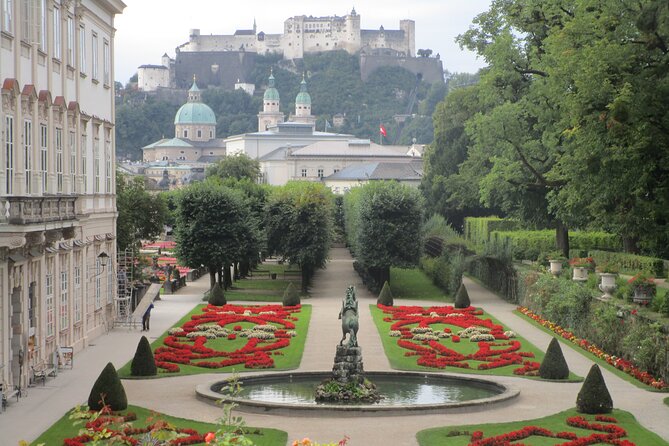
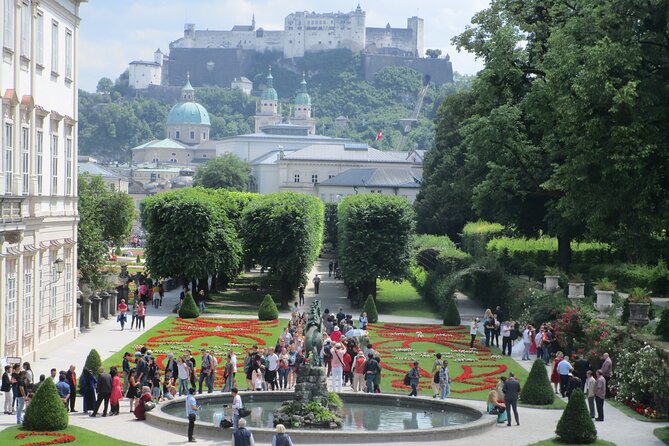
Meet at Bellini’s Cafe & Bar on Mirabellplatz 4. The tour begins in the baroque garden of Mirabell Palace, a fitting opening because Salzburg’s polished beauty is immediately on display.
The garden is known for its formal layout and its connection with The Sound of Music. The tour description identifies it as one of the film-related highlights, so fans can expect a link to the movie here. Still, the larger value is architectural. The palace and garden introduce the grand style that later appears in Salzburg’s churches, fountains, and princely residences.
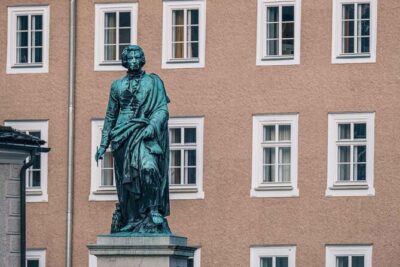
From Mirabell, you look at Mozart’s house. This is Mozart’s residence rather than his birthplace, and that distinction is useful. Salzburg sells plenty of Mozart souvenirs, but a guide can help separate the composer’s real connection to the city from the later commercial layer.
I would not book this walk expecting admission to every museum or palace interior. The route is built around outdoor views and explanations. That keeps the tour moving and makes two hours realistic, but you will need separate tickets if you want to explore interiors in depth.
Crossing the Salzach into Getreidegasse
The walk reaches the old town by way of the Salzach River. This is one of the route’s strongest transitions. The river helps you understand Salzburg’s geography, while the crossing provides a clean change from Mirabell’s open garden to the tighter medieval center.
Medieval house passages then lead toward Getreidegasse. These passages are easy to miss if you walk only along the main shopping street, and they give the old town more character than its famous storefronts alone. Getreidegasse is lined with shops, but its traditional guild signs are the detail worth watching.
Those signs recall a time when many people could not read. A symbol above a shop did practical work, identifying a trade or business. Today, the signs also make the street one of Salzburg’s most recognizable views. I like this stop because it turns decoration into social history.
The walk pauses outside the house where Mozart was born. This is one of the city’s essential stops, but it can also be one of the most crowded and commercialized. A private guide helps by giving the building context instead of leaving you with only a photo opportunity.
If Mozart is your priority, tell Florian at the start. The private setup makes that request worthwhile. If your group includes one Mozart fan and one person who prefers architecture, the guide can balance both interests.
Kollegienkirche and the baroque center
Next, an arcaded courtyard leads to Grünmarkt and the Kollegienkirche. This part of the walk shows how Salzburg’s old town works at close range. You move from a busy street into a quieter passage, then out into a market area and toward one of the city’s major churches.
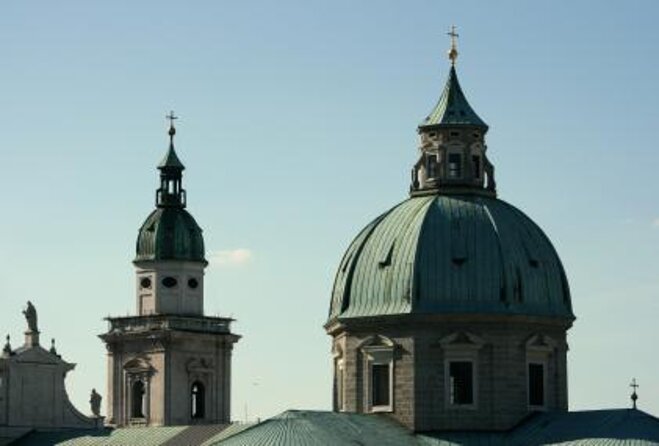
The Kollegienkirche was the first church built in the Austrian Baroque era. Its importance is not just visual. It helps explain why Salzburg feels so different from a simple medieval town. The city’s older streets were given a grand, theatrical layer through church construction, princely building projects, and elaborate public spaces.
The university church is described as bombastic, and that is fair. Its scale and design may feel like a sharp contrast to the intimate courtyards nearby. I like the contrast because it shows Salzburg in miniature: narrow passages, market life, and monumental ambition all sit within a few minutes of one another.
The tour is primarily a walking and viewing experience. The available details do not promise interior visits, timed entry, or a church service. Expect the guide to explain what you see from the route and point out the church’s importance.
A different way to spend an afternoon here:
- The Original Sound of Music Tour in Salzburg
★ 4.5 · 6,129 reviews - Salzburg: Original Sound of Music Tour
★ 4.8 · 5,059 reviews - From Salzburg: Half-Day Tour to Hallstatt
★ 4.6 · 3,596 reviews - Salzburg: Mozart Concert at Mirabell Palace
★ 4.8 · 3,498 reviews
Town Hall, Alter Markt, and Salzburg’s café traditions
The route then passes the town hall and reaches Alter Markt. This square brings together several familiar Salzburg themes: Mozart, cafés, sweets, and high-end shopping.
Mozart’s favorite café is here, along with shops selling Mozart balls and luxury goods. Mozart balls are among Salzburg’s best-known food souvenirs, and their presence shows how the composer’s image remains part of daily commerce. You can treat the stop as a chance to learn the local story or simply note where to return for shopping after the walk.
Alter Markt also offers a useful pause from the grandest architecture. The square connects Salzburg’s public life with its tourist identity. You see places designed for ordinary routines, but also businesses that depend on the city’s fame.
This is an area where a private tour can save time. Instead of wondering which café or shop has a meaningful connection to Salzburg, you can ask Florian what matters locally and what is mainly aimed at visitors. His style is described as friendly and humorous, with history woven into the walk rather than delivered as a long lecture.
Residenzplatz and the princely city
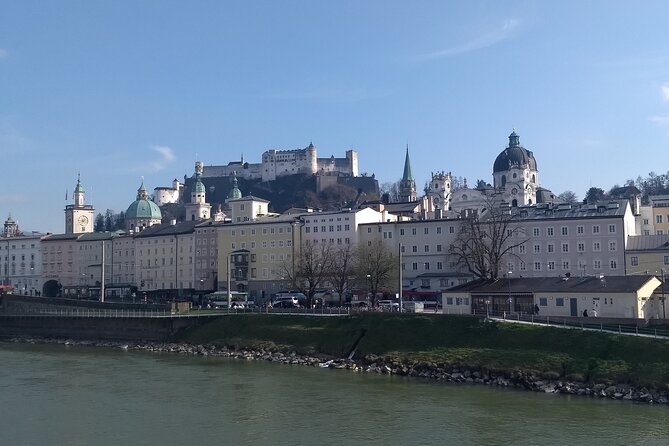
Near Alter Markt, the so-called princely town begins. At Residenzplatz, the route takes in the old and new Residenz and the large baroque fountain in the center.
This is where Salzburg’s political and religious power becomes most visible. The residences frame a square designed for ceremony, not modest town life. The fountain adds another layer of display, and its scale helps explain why Salzburg is often associated with baroque spectacle.
The route description calls the fountain the largest baroque fountain outside Italy. That detail gives you a useful comparison as you look at it, though the real pleasure is seeing how the fountain, residences, and cathedral area connect.
Residenzplatz can be a good place to ask about the city’s rulers and the influence of Salzburg’s archbishops. The tour promises context about a thousand years of history, but the private format is especially helpful here because you can ask for the short version or a fuller explanation.
Mozartplatz and Salzburg Cathedral
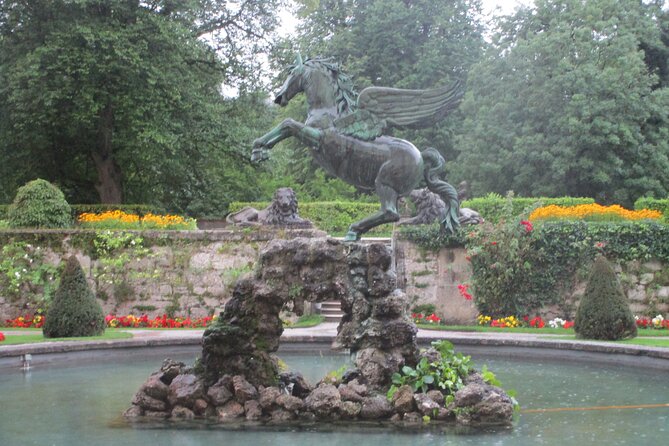
A short detour reaches Mozartplatz before the tour continues to Salzburg Cathedral. The detour adds another Mozart reference without taking you far from the main route.
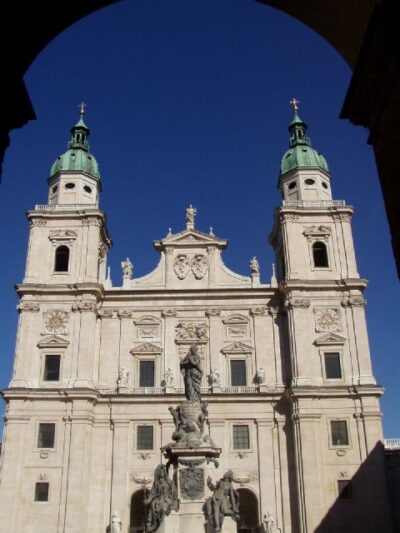
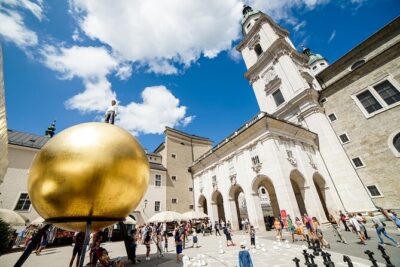
The cathedral is one of Salzburg’s defining sights. It is described as the largest and oldest baroque church north of the Alps, and the tour gives you a view of its monumental exterior. You will also see the cathedral from Residenzplatz, so the guide can help you understand how the building dominates the surrounding squares.
For many people, this is the visual high point of the walk. The cathedral is large enough to make the nearby streets feel almost theatrical, yet it remains closely connected to the old town. The tour’s focus on views means you should not assume that admission or an interior visit is included.
If you want to enter the cathedral afterward, the tour’s ending is convenient. Kapitelplatz is next to it, about 150 meters from Getreidegasse. That makes it simple to continue exploring on your own once the formal walk ends.
Kapitelplatz, St. Peter’s Abbey, and the fortress view
The tour finishes at Kapitelplatz. This is a strong ending because several of Salzburg’s major symbols come together in one place.
St. Peter’s Abbey is identified as the oldest monastery in the German-speaking world and the cradle of Christianity in Austria. That claim gives the final stop more weight than a simple photo stop. The abbey represents Salzburg’s religious foundation, while the cathedral and residences show the later power and wealth built around it.
The view of Hohensalzburg Fortress is the real finale. The fortress rises roughly 100 meters above the city and is Salzburg’s most commanding landmark. From Kapitelplatz, you get the classic relationship between the old town below and the fortress above.
The fortress is not part of this two-hour walk as an interior visit. You can continue there separately if you have time. Ending at Kapitelplatz is practical because you are already beside the cathedral and close to Getreidegasse, rather than being dropped far from the center.
What the guide adds to the experience
The strongest pattern in the feedback is praise for Florian’s historical explanations and personal warmth. His name appears consistently, although one guest called him Fellipie and Florian corrected the name. Several people describe him as prepared, pleasant, enthusiastic, and good at mixing humor with local history.
A few specific qualities matter more than broad praise. Florian has been flexible when guests wanted to stop, and he kept a steady pace for someone concerned about mobility. He also added Sound of Music information when requested, which suggests you should speak up about your interests rather than wait for the guide to guess.
The tour is private, so you can ask about Salzburg traditions, ordinary life, Mozart, architecture, or filming locations. That is a better use of the format than simply following the route silently. Prepare two or three questions before you arrive.
There is one serious caution. One review describes an older guide making suggestive jokes and inappropriate historical comments. The provider apologized for the poor experience but also responded that the guest should have raised concerns during the tour. That response does not remove the concern. If respectful, polished commentary is essential to you, say so clearly at the beginning and decide early if the tone does not suit your group.
Price, pace, and practical value
The listed price is $89.01 per person, with group discounts available. For a solo guest or a very small party, that is not a budget walk. For a group sharing the cost of a private guide, the value improves, especially if you care about asking questions and setting the pace.
You are paying for a short, focused introduction rather than a full-day program. The route covers major sights, but it does not include a long museum visit, a fortress tour, or a meal. I see the best value in using it on your first day in Salzburg, then returning to the places that caught your attention.
The walk lasts about two hours. Wear shoes suited to old-town streets, and leave time afterward for the cathedral, St. Peter’s Abbey, Getreidegasse, or Hohensalzburg Fortress. The meeting point is near public transportation, and a mobile ticket is accepted.
Most people can participate, and service animals are allowed. The route includes city streets, passages, squares, and a river crossing, so anyone with mobility concerns should discuss the pace with the guide at the start. A guest found the pace manageable, but that is not a guarantee for every mobility level.
Free cancellation is available up to 24 hours before the start time for a full refund. Changes or cancellations inside that window are not accepted for a refund, and the cut-off follows Salzburg local time.
Who should book this Salzburg walk
I would choose this tour if you have only a short time in Salzburg and want the main old-town sights tied together. It is also a good match for first-time visitors who want help deciding which places deserve a longer return visit.
Mozart fans will appreciate the two residential connections and the chance to request more detail. Film fans can ask for Sound of Music locations, while architecture lovers get a compact lesson in medieval streets and Austrian baroque design.
Families and mixed-interest groups may benefit from the private format because the guide can adjust the balance. The walk also suits people who prefer a human introduction before exploring alone.
I would be more cautious if you want guaranteed museum entry, extensive time inside churches, or a tour focused only on the film. The experience is an outdoor overview, and its success depends heavily on the guide’s tone and presentation.
Should you book it?
Book this private Salzburg walking tour if you want a well-organized first look at Mirabell Palace, Mozart’s sites, Getreidegasse, the baroque center, Salzburg Cathedral, and Hohensalzburg Fortress. The route is compact, the ending is convenient, and Florian Fink von Finkenheim has earned strong praise for clear explanations, humor, and flexibility.
At $89.01 per person, compare the cost with the total price for your group and the benefit of having a guide to yourselves. Ask for your preferred mix of Mozart, baroque architecture, local customs, and Sound of Music details. If you do that, this can be a useful and enjoyable introduction to Salzburg rather than just a checklist of famous buildings.
FAQ
Where does the private Salzburg walking tour begin?
It begins at Bellini’s Cafe & Bar, Mirabellplatz 4, 5020 Salzburg, Austria.
Where does the tour end?
The walk ends at Kapitelplatz, beside Salzburg Cathedral and about 150 meters from Getreidegasse.
How long does the tour last?
The tour lasts approximately two hours.
Is this a private tour?
Yes. Only your group participates in the activity.
Is the tour focused on Mozart and The Sound of Music?
The route includes Mozart’s house, Mozart’s birthplace, and several locations connected with The Sound of Music. You can request additional Sound of Music details from the guide.
What is the cancellation policy?
You can cancel at least 24 hours before the local start time for a full refund. Cancellations or changes made less than 24 hours before the start time are not accepted for a refund.
Recently added around Salzburg
- From Vienna: Austrian Lakes and Salzburg Private Tour★ 5.0 · 3 reviews
- Salzburg On the Traces of Mozart Private Tour★ 4.5 · 3 reviews
- Salzburg & “The Sound of Music” Full Day Driver-Guided Tour★ 5.0 · 3 reviews
- Salzburg für Salzburger★ 5.0 · 3 reviews
- Salzburg “Sound of Music” Private Driver-Guided Tour★ 5.0 · 3 reviews
- Private Tour: Discover Salzburg and the Stunning Lake District★ 5.0 · 3 reviews
- Private Bavarian Mountain Tour★ 4.3 · 3 reviews
- MONDSEE: The Strudelgirl – bake your Apple Strudel Dream★ 5.0 · 3 reviews
Walking Tours in Salzburg, compared.
Salzburg 2.5-Hour Walking Tour: Mozart, Old Town & More
Read our review →
Old Town, Mozart, & Mirabell Gardens Walking Tour
Read our review →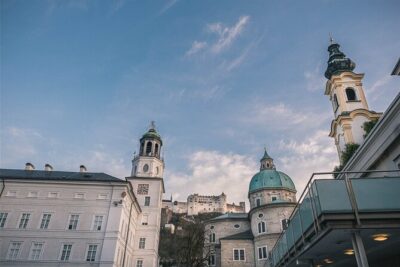
Salzburg Oldtown: Sightseeing Walking Tour with Licensed Local Guide
Read our review →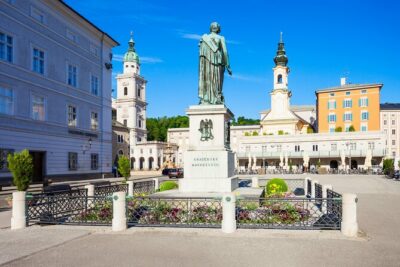
Salzburg Old Town Walking Tour, Mozart, Mirabell Gardens
Read our review →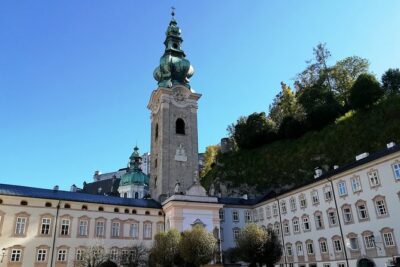
Salzburg Old Town Highlights Private Walking Tour
Read our review →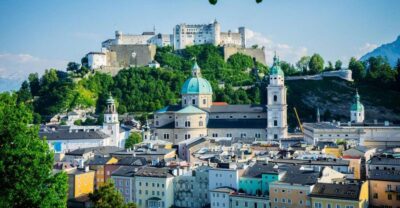
Salzburg Old Town, Fortress, Cathedral Private Walking Tour
Read our review →Browse the lists this tour appears in