
Reviewed · SALZBURG TOURS
MONDSEE: The Strudelgirl – bake your Apple Strudel Dream
The best part of this Mondsee experience is the dough. Under Simone’s guidance, you stretch it until it is thin enough to read a newspaper through, then fill, roll, and bake your own apple strudel. It is a practical lesson in a famous Austrian dish, not a quick demonstration from the sidelines.
I like the small groups of up to 16 people, with two or three people sharing a worktable. I also like that lunch is part of the $69 price: you get sour cream potato soup, potatoes, and homemade bread along with the baking class and recipe.
The main consideration is the flour. The dough uses high-gluten flour, so this class is not suitable for people with gluten intolerance or a high-gluten allergy. You will also handle knives and other sharp tools, and flour may dust your clothes.
Key points at a glance
- Stretch dough to newspaper-thin: The central challenge is getting the dough very thin without making holes.
- Meet Simone, The Strudelgirl: She teaches in English, German, or Dutch and explains each step in a simple, practical way.
- Work at a shared table: Teams of two or three make one apple strudel, with a maximum group size of 16.
- Lunch is included: Expect traditional sour cream potato soup with homemade bread. Goulash soup has also been served on some occasions.
- Reach it easily in Mondsee: Free parking and the bus terminal are about five minutes away on foot.
- Plan for flour and knives: Wear comfortable clothes, accept a little mess, and use sharp tools carefully.
Making strudel in Mondsee, one step at a time
This is a two-hour cooking class built around doing the work yourself. Simone gives you a short introduction to Austrian cuisine and explains how strudel became part of the country’s food culture. Then the class moves quickly to the table, where you and your teammates begin preparing the pastry.
You will peel and season the apples, work with the dough, add the filling, roll the strudel, and bake it. The order matters. Each stage shows you something that a recipe alone cannot easily explain, especially the feel of the dough and the point at which it is thin enough.
The class is suitable for people who want an active food experience. You are not simply watching a chef make pastry while taking notes. Your hands stay busy, and you share the table with two or three people. That makes the class social, but it also means you should be ready to cooperate over one finished strudel.
The group limit of 16 keeps the setup manageable. It is not a private lesson, but it is small enough for direct instruction. If you are booking as a couple, you may work together at one table. Families and friends can also share the process, though children under five are not allowed.
A few more Salzburg half-days to weigh up
- The Original Sound of Music Tour in Salzburg
★ 4.5 · 6,129 reviews - Salzburg: Original Sound of Music Tour
★ 4.8 · 5,059 reviews - From Salzburg: Half-Day Tour to Hallstatt
★ 4.6 · 3,596 reviews
Simone’s practical lesson on Austrian baking
Simone, known as The Strudelgirl, is the instructor. She teaches in English, German, and Dutch, so you can choose the language that works best for your group. Her style is hands-on and easy to follow, with the practical steps explained as you go.
The most memorable task is stretching the dough. The goal is to make it so thin that a newspaper could be read through it, without tearing a hole. That sounds simple until the dough is in your hands. It gives the class a real challenge and helps explain why a good strudel has a delicate, crisp pastry rather than a thick, bready shell.
You will also learn how to prepare and season the apples before they go into the dough. The class focuses on the small decisions that affect the final result: how the fruit is handled, how the dough is stretched, and how the filled pastry is rolled.
This is useful if you want to repeat the dish at home. Ingredients and equipment are supplied, and each person receives the recipe. You do not need to bring baking tools or an apron. Bring comfortable clothes, though, since the flour can leave a dusty coating.
The use of knives is part of the preparation. Sharp tools are used at your own risk, so this is not a class where you can switch off and let someone else handle every task.
From peeled apples to a crisp baked roll
The apple preparation is the first clear sign that this is more than a pastry tasting. You peel the apples and season them before placing them inside the dough. This gives you a direct sense of how the filling is built rather than treating it as a finished mixture.
Next comes the dough. Simone demonstrates the technique, then you try it with your group. The paper-thin goal adds a little drama to the lesson. A small hole may not ruin your lunch, but avoiding one is part of the fun.
Once the dough is ready, you fill it and roll it up. This is a team job, especially when two or three people share one table. You need to coordinate your movements so the dough stays together and the filling does not spill out.
The baking stage brings the payoff. You get to enjoy the finished apple strudel after putting in the work. The class does not treat the pastry as an abstract cultural symbol. You make it, bake it, and eat it.
The experience does not promise that every batch will look perfect. That is part of its appeal. A crack or uneven roll gives you a better understanding of the technique than a flawless pastry made entirely by a professional.
Lunch adds an Austrian table to the class
The price includes lunch, which makes the class feel like a complete food outing rather than a single baking lesson. The planned meal is a traditional Austrian sour cream potato soup served with homemade bread.
That soup is a smart match for the activity. It gives you a savory course before or alongside the sweet pastry, and it reflects the simple, filling side of Austrian home cooking. The meal also gives the class a natural pause, allowing you to sit down and eat together instead of rushing from baking straight to departure.
On one occasion, Simone served goulash soup as well as sour cream potato soup, both with bread. The regular offering is described as sour cream potato soup with potatoes and homemade bread, so you should not book expecting goulash every time. Drinks are not included, and souvenirs are extra.
The lunch matters when you compare the $69 price with other short cooking activities. You are paying for the instructor, ingredients, equipment, apron, recipe, hands-on work, and a meal. That is a fair package for a two-hour class, especially if you value the social side and want more than a sample of strudel.
Still, this is not the right choice if you only want to eat Austrian pastry. A bakery visit will be faster and likely cheaper. The value here comes from learning the method and making the food yourself.
A different way to spend an afternoon here:
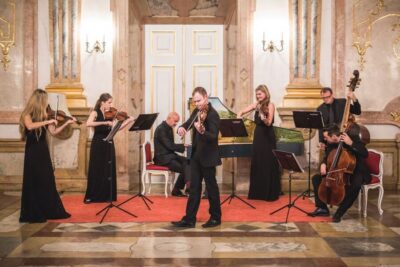
- Salzburg: Mozart Concert at Mirabell Palace
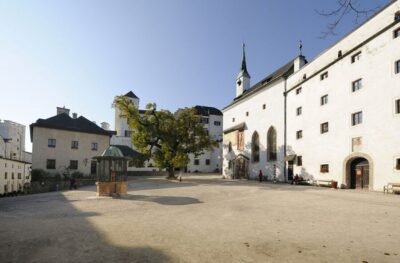
★ 4.8 · 3,498 reviews - Salzburg: Hohensalzburg Fortress Admission Ticket
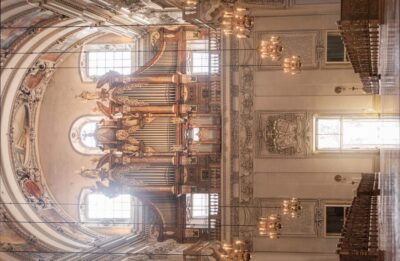
★ 4.6 · 2,236 reviews - Salzburg Cathedral: Organ Concert at Midday
★ 4.6 · 2,007 reviews - Eagle’s Nest and Berchtesgaden Tour from Salzburg
★ 4.6 · 1,455 reviews
A small class with a social rhythm
The maximum group size is 16, and the working format places two or three people at each table. This setup suits couples, families with older children, and friends who enjoy cooking together.
The shared table has a practical benefit: one person can help hold or stretch the dough while another prepares the filling. It also means you should not expect to make a separate full-size strudel for every person. The information provided describes one apple strudel dream per team, not one individual pastry per participant.
For a family, the class can work well with children old enough to follow instructions and handle kitchen tasks safely. A six-year-old took part successfully with an adult family group, but the formal age rule excludes children under five. Adults remain responsible for children around knives, hot equipment, and the dough.
The class is also a good date activity. You have a shared task, a built-in meal, and a result to enjoy together. It is less formal than a restaurant meal and more structured than simply wandering around town.
The language choices are another plus. English, German, and Dutch are available. If you need a fully private lesson, though, the standard small-group format may not offer that.
Finding the workshop near Mondsee’s center
The meeting point is at Peter Tafner-Strasse 1 in Mondsee. From the nearby bus terminal and free public parking on Franz-Kreutzberger-Strasse, the walk takes about five minutes.
Follow the green sign marked ZENTRUM and walk down Peter Tafner-Strasse. The location is at the end of the street. This is useful information if you are arriving by car, since you can park nearby and finish the journey on foot rather than searching for a parking space right outside the workshop.
The activity lasts two hours, but check the available start time when booking. The exact schedule is not fixed in the information provided. Give yourself enough time to find the meeting point, especially if you are coming from another part of the Upper Austria region.
Mondsee is a sensible place for this kind of class. It gives you a local food activity that fits well into a day of sightseeing, rather than another large attraction that requires a long block of time. You can plan the class around other stops in town, but the baking itself should remain the focus.
Who should book this baking class
I would recommend this experience to you if you like food with a story and prefer learning by doing. It is especially suitable for:
- Couples looking for a shared activity
- Families with children aged five and older
- Home bakers who want to improve their pastry technique
- Visitors interested in Austrian cooking beyond schnitzel and cake
- Small groups that enjoy a relaxed lunch with an instructor
The class is less suitable for anyone with gluten intolerance or a high-gluten allergy because the dough uses high-gluten flour. It is also not suitable for wheelchair users according to the supplied access information.
Wear comfortable clothes that can handle flour. Do not bring pets, except assistance dogs, and smoking is not allowed indoors. Weapons, explosive substances, and personal sharp objects are prohibited. You do not need to bring ingredients, tools, or an apron.
The activity is not designed as a sightseeing tour. There are no listed stops, transport segments, or extended walks. The attraction is the kitchen work, Simone’s instruction, the shared meal, and the satisfaction of producing a traditional pastry.
Is $69 a good value?
At $69 per person, the price is reasonable if you plan to use the full package. The class lasts two hours and includes instruction from an experienced chef, ingredients, equipment, apron, recipe, apple strudel preparation, and lunch with soup and homemade bread.
The price is less attractive if you are mainly looking for a quick dessert. You will spend time peeling, stretching, filling, and rolling the dough, so the value depends on your interest in the process. This is an activity where the work is the point.
I also like the fact that lunch is included rather than left as an optional extra. You know that the food portion is part of the booking price, while drinks and souvenirs are not. That makes it easier to compare with other cooking classes.
Free cancellation is available up to 24 hours before the activity for a full refund, and you can reserve now and pay later. Those terms help if your Upper Austria plans are still moving around.
Should you book The Strudelgirl?
Book it if you want to spend two hours making a classic Austrian dish with a real instructor, then sit down for soup, bread, and your finished strudel. Simone’s warm teaching style, the small group setup, and the paper-thin dough challenge give the class more character than a standard demonstration.
Skip it if you have a gluten problem, need wheelchair access, dislike shared kitchen work, or want a quick pastry stop with no practical effort. For everyone else, this is a focused, good-value food activity in Mondsee, with enough hands-on work to make the final bite feel earned.
FAQ
How long does The Strudelgirl baking class last?
The baking class lasts two hours. Check the available starting times when booking.
What does the $69 price include?
The price includes the hands-on apple strudel baking class, instruction, ingredients, baking tools, apron, recipe, and lunch with traditional sour cream potato soup, potatoes, and homemade bread.
Are drinks included?
No. Drinks and souvenirs are not included in the price.
How many people can join the class?
The class accepts a maximum of 16 people. Participants work in teams of two or three at one table to make their apple strudel.
Which languages does Simone teach in?
The activity is available in English, German, and Dutch.
Can children join the baking class?
Children under five are not permitted. Older children can take part, but adults should supervise them carefully when knives and other sharp tools are used.
Is the class suitable for people with gluten intolerance?
No. The dough is made with high-gluten flour, so the class is not suitable for people with gluten intolerance or a high-gluten allergy.
Recently added around Salzburg
- From Vienna: Austrian Lakes and Salzburg Private Tour★ 5.0 · 3 reviews
- Salzburg On the Traces of Mozart Private Tour★ 4.5 · 3 reviews
- Salzburg & “The Sound of Music” Full Day Driver-Guided Tour★ 5.0 · 3 reviews
- Salzburg für Salzburger★ 5.0 · 3 reviews
- Salzburg “Sound of Music” Private Driver-Guided Tour★ 5.0 · 3 reviews
- Private Tour: Discover Salzburg and the Stunning Lake District★ 5.0 · 3 reviews
- Private Bavarian Mountain Tour★ 4.3 · 3 reviews
- Zell am See Alpine Village Private Day Trip from Salzburg★ 5.0 · 3 reviews
Salzburg Tours, compared.



Eagle’s Nest and Berchtesgaden Tour from Salzburg
Read our review →
Browse the lists this tour appears in