
Reviewed · DAY TRIPS FROM VIENNA
Semi-Private Tour: Central Europe &Balkans from Vienna to Athens
This is an ambitious 21-day overland journey from Vienna to Athens, crossing Central Europe and the Balkans by private vehicle. You move from Austrian vineyards and Budapest to Sarajevo, Mostar, Montenegro, Albania, North Macedonia, and Greece, with historic towns, mountain roads, local food, and border crossings woven into the trip.
I like the small maximum group of 10, which should make hotel pickups, walks, and border days easier than on a large coach tour. I also like the food and drink stops, from Rust wine and Serbian cellars to Albanian byrek, qofte, raki, and a cooking lesson at Kruje Castle. The main consideration is pace: this covers a lot of ground, and some days involve long drives, uneven streets, and quick visits.
Key points at a glance
- Twenty-one days by private transport: A practical way to connect places that are difficult to link by public transport.
- Austrian, Hungarian, and Serbian wine country: Visit Rust, Sremski Karlovci, and the Rahovec Valley.
- A strong Albania food focus: Taste byrek, qofte, gjize, Albanian coffee, olive oil, wine, and raki.
- Major UNESCO sights: See Budapest, Mostar, Kotor, Ohrid, Berat, Gjirokaster, and Meteora.
- A group capped at 10 people: Expect a more personal touring style than a standard bus trip.
- Athens or Corfu finish: The final drop-off can be in Athens, or at Igoumenitsa Port with ferry tickets to Corfu included.
What this long Balkan journey really covers
The headline experience is not a three-day Albania food tour. The detailed plan is a 21-day journey beginning in Vienna and ending in Athens or at the port for Corfu.
That distinction matters when you decide if this is right for you. Albania receives excellent attention, especially around Kruje, Tirana, Berat, Gjirokaster, and the wine country, but the trip also spends substantial time in Austria, Slovakia, Hungary, Serbia, Bosnia and Herzegovina, Montenegro, Kosovo, North Macedonia, and Greece.
You are buying a connected route rather than a deep stay in one country. The reward is variety. The tradeoff is that some stops last only an hour, so you should not expect a slow, museum-heavy tour in every city.
Private transport is the backbone of the trip. It saves you from arranging trains, buses, border connections, and hotel transfers across several countries. The vehicle also gives the tour leader flexibility to reach smaller places such as Rust, Sremski Karlovci, Kruje, and Tushemisht.
The group limit is 10 people. That is small enough to keep walking tours manageable and large enough to provide some social company on long road days. The tour begins with hotel pickup in Vienna at 11 a.m., and the company provides hotel drop-off in Athens or port drop-off at Igoumenitsa.
More day trips out of Vienna:
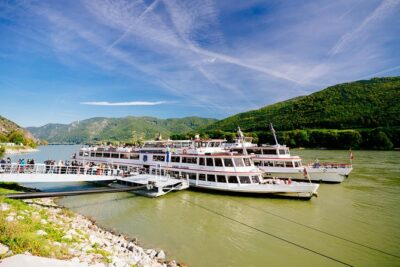
- Danube Valley Day Trip from Vienna
★ 4.0 · 1,576 reviews - From Vienna: Guided Tour to Bratislava with Speed Boat Ride
★ 4.2 · 1,404 reviews - Hallstatt Guided Day Trip from Vienna With Boat Ride Option
★ 4.5 · 1,301 reviews
Days 1 to 4: Rust, Bratislava, Győr, and Budapest
Your first afternoon takes you from Vienna to Rust in Austria’s Burgenland region. The drive passes hilly vineyards and views toward Lake Neusiedl, a UNESCO-listed area.
Rust is a good opening stop because it offers a gentle introduction to the region. Its old center has colorful houses, flower boxes, small shops, and traditional Austrian details. You get time to walk, browse souvenirs made from natural materials, and possibly sit near the vineyards for food and local wine.
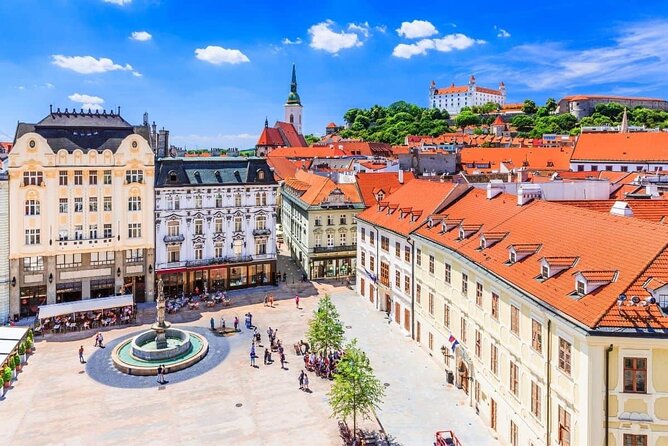
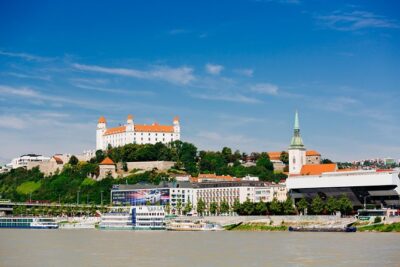
The first night is in Bratislava. The following morning brings a short walking tour through the Old Town, including the medieval Old Town Hall and Michael’s Gate, the only preserved medieval gate in the city’s old fortifications.
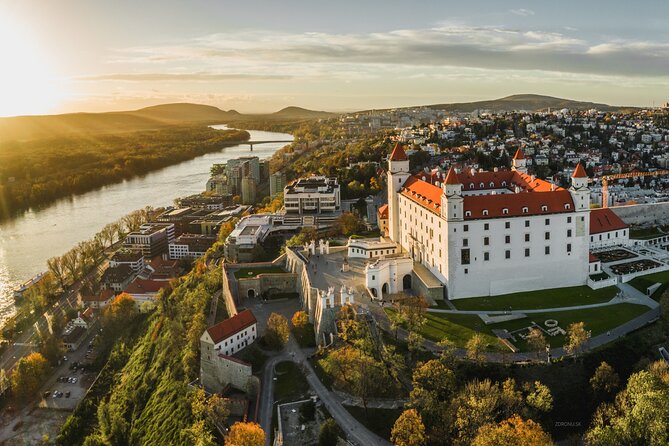
Bratislava Castle is the main viewpoint. It sits above the Danube and provides a broad look over the Slovak capital. The schedule also leaves café time in the city center, which is useful because the formal sightseeing is fairly brief.
On day three, you cross into Hungary for Győr, known for its rivers, Baroque buildings, churches, and central pedestrian streets. The Town Hall has a 59-meter tower, and the Cathedral of the Virgin Mary traces its origins to the 11th century.
The Győr Synagogue is another notable stop, with a large gray dome visible from a distance. You also have time along Baross Gabor Street for cafés, shops, and Hungarian food. The suggested blueberry beer is an unusual local tasting detail, though drinks are not included.
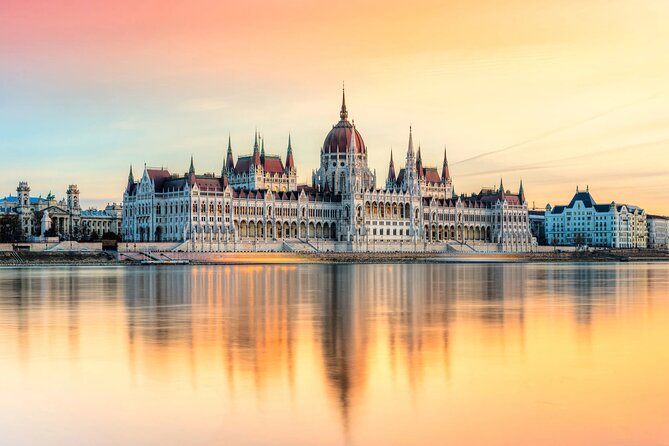
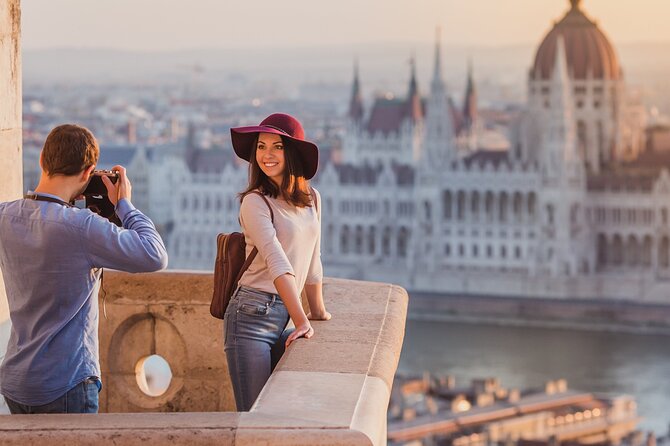
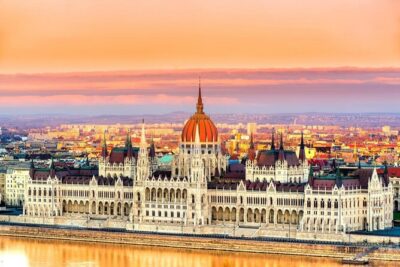
Budapest gets more time on day four. You pass St. Stephen’s Basilica, walk along major boulevards, and see the Opera, Parliament, Heroes’ Square, Fisherman’s Bastion, bridges, and Buda Castle.
The plan gives you a broad introduction rather than a detailed city stay. I like that you have a free evening, since Budapest is especially atmospheric after dark. Still, anyone wanting the thermal baths, major museums, or a thorough Parliament visit will need to arrange extra time independently.
Days 5 to 8: Subotica, Novi Sad, and Belgrade
Subotica introduces you to northern Serbia and its Austro-Hungarian past. The city is known for decorated buildings, mixed cultural influences, and a relaxed café culture.
The City Hall dominates the central square, surrounded by park space, fountains, and open walking areas. You also visit the Cathedral of St. Teresa of Avila and the synagogue. The stop is short, so treat it as a taste of the city rather than a full architectural study.
Novi Sad receives a longer visit. Its position between former Austro-Hungarian and Ottoman spheres helps explain the blend of styles you see in the streets. The pedestrian areas around Zmaj Jovina and Dunavska are easy places to explore on foot.
Petrovaradin Fortress, often called the Gibraltar on the Danube, is the major sight. The schedule includes free time, which gives you room to enjoy Novi Sad at your own pace before staying overnight there.
The next day focuses on Sremski Karlovci, a small Baroque town closely linked with Serbian religious, cultural, and wine traditions. Its Four Lions fountain carries a local legend that drinking from it means you will return and marry there.
The wine element is more than a quick tasting here. You learn about the area’s cellar tradition and have time to try regional wines while looking across the vineyards. If wine is one of your main interests, this is one of the more rewarding sections of the route.
Belgrade follows on day eight. The fortress and Kalemegdan Park sit above the meeting point of the Sava and Danube rivers, giving you one of the trip’s best city views.
You then walk along Knez Mihailova toward Republic Square. The visit is compact, so you will see the major central sights without covering every side of Belgrade. A lunch stop in Zvornik follows as you head toward Bosnia and Herzegovina, adding a useful break to a long travel day.
Days 9 to 11: Sarajevo, Mostar, Kotor, and Budva
Sarajevo is one of the most important historical stops on the route. You walk through Ottoman and Austro-Hungarian sections of the city, passing bazaars, mosques, churches, and synagogues.
The tour also addresses the Yugoslav War, with bullet holes and cannon marks still visible in parts of the city. That subject deserves attention and respect, and the uneven streets and ruins mean you should bring steady footwear.
Latin Bridge connects the city to the assassination of Archduke Franz Ferdinand, an event that helped trigger the First World War. Sarajevo also gives you a chance to try local meat dishes and desserts, though meals are paid separately.
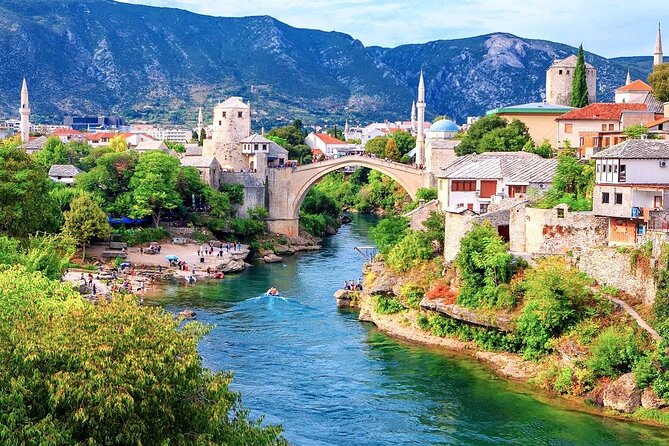
Mostar comes later the same day. Its Old Bridge, Stari Most, is a UNESCO site and the center of the old town. Around it, you find stone lanes, an old bazaar, mosques, and small shops.
The visit is brief, but free time lets you wander beyond the guided portion. Look for the repeated Don’t Forget reminders around town, which point to Mostar’s painful recent past. The city is visually striking, but its cobbled streets can be tiring after a full day of sightseeing and driving.
Kotor arrives on day 10. The old town is a maze of narrow cobbled streets, shaped in part to confuse invading forces. You visit St. Luke’s Church and then have an afternoon to explore independently.
Kotor rewards unhurried wandering, but the listed visit does not include a climb of the city walls. If that is a priority, ask the tour leader how much free time you will have and what can fit safely into the day.
Budva follows, with its split between modern development and the historic old town. You visit churches and medieval streets before stopping near Sveti Stefan. The island resort itself is not open for general visits, but the coastal viewpoint is worthwhile for photographs.
The route then crosses into Albania for Shkoder. Rozafa Castle offers views toward Lake Shkoder and the meeting point of three rivers. Shkoder’s Venetian influence and long Illyrian and Roman-era story make it an appealing first Albanian stop.
A few more Vienna half-days to weigh up
- Vienna: Vivaldi’s Four Seasons Concert in Karlskirche
★ 4.7 · 14,951 reviews - Vienna: Spanish Riding School Training
★ 3.9 · 9,281 reviews - Vienna: Skip-the-cashier-desk-line Giant Ferris Wheel Ride
★ 4.5 · 7,859 reviews - Vienna: Schönbrunn Palace & Gardens Skip-the-Line Tour
★ 4.7 · 7,739 reviews
Days 12 to 15: Kosovo and Albania’s food traditions
Day 12 begins at Mrizi i Zanave, an agro-tourism farm and slow-food center. You tour the farm, learn how it uses regional organic products, and see how old communist-era buildings were adapted for storage.
This is one of the trip’s most distinctive stops because it connects food with local employment and rural business. The farm has created jobs for more than 400 people in the surrounding area. You can eat lunch or buy produce, but the cost is not included.
Prizren is next, with its river, bridges, religious buildings, and Ottoman-era streets. The Sinan Pasha Mosque is included, as is the hilltop Kalaja Fortress, which gives you a fine view over town.
Gjakova’s old bazaar follows on day 13. It has been rebuilt after damage from several conflicts and now offers traditional crafts, shops, and places to eat. The stop works well for browsing, but remember that shopping and meals come out of your own pocket.
The Decan Monastery provides a different kind of visit. Orthodox monks still live there and produce food such as cheese. The monastery is known for its 14th-century frescoes and belongs to UNESCO. Dress and behavior should be respectful at this religious site.
Rahovec adds another wine stop. Grapes have been grown in the valley since Illyrian times, and the vineyards sit on low hills at roughly 350 to 520 meters. The timing of your visit may not coincide with the annual September wine festival, but the area remains a useful stop for understanding Kosovo’s wine culture.
Kruje is the historical centerpiece of the Albanian section. Its position on rocky ground helped it resist Ottoman expansion, and the old bazaar remains one of the best places on the route for handmade Albanian goods.
The castle visit includes paths once used by locals to leave without being seen during attacks. The tour also promises a cooking lesson at Kruje Castle, a memorable way to connect the setting with Albanian food traditions. The schedule allows time for lunch and shopping, but the meal itself is not included.
Tirana’s food walk brings the culinary theme into daily city life. You start with byrek, a filled pastry commonly made with cheese, meat, or spinach, then visit Çam Bazaar and local market streets.
You also taste an Albanian dessert, drink Albanian coffee, and eat qofte with bread. Vegetarians are offered bread with gjize, a cottage cheese. Raki is part of the tasting, so pace yourself, especially if you have a long drive or an early start afterward.
Bunk’Art 2 closes the Tirana visit. The museum occupies a former nuclear bunker built for Enver Hoxha and senior communist officials. Its exhibits cover the communist army and everyday life under the regime, giving you important context for modern Albania.
Days 16 to 19: Ohrid, Berat, and Gjirokaster
Struga is a short stop beside the source of the Drini River. You then continue to Ohrid, one of North Macedonia’s major cultural and natural attractions.
Ohrid and Lake Ohrid have UNESCO status, and the town is strongly linked with Orthodox Christianity. You visit viewpoints and churches, along with the Halveti Hayati Tekke mosque. The claim of 365 churches gives you a sense of the town’s religious importance, even though the tour visits only selected sites.
The next day includes St. Naum Monastery, located near the source of the Crni Drim River. It sits within Galicica National Park, with clear spring water, greenery, and mountain views.
After crossing into Albania, you stop in Tushemisht and Driloni National Park. Drilon’s small lake, willows, and quiet water provide a welcome pause after several city visits and border crossings.
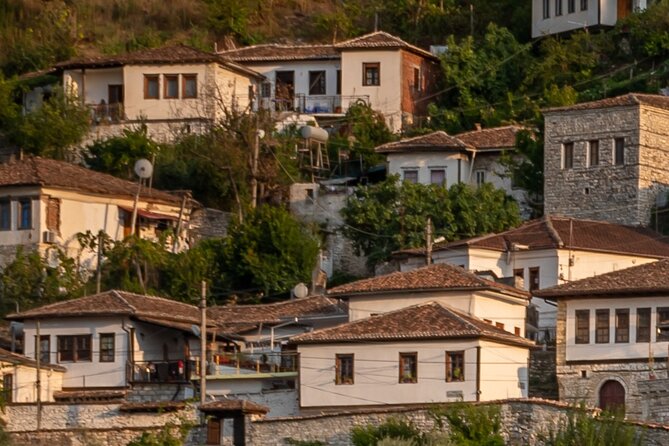
Berat is one of Albania’s strongest stops. Known as the town of 1,001 windows, it climbs steep hills with old houses packed above one another. Residents still live inside the castle area, which makes the site feel like a living neighborhood rather than only a monument.
You can expect stone lanes, churches, mosques, an old bridge, museums, and traces of the communist period. The three-hour visit gives Berat more breathing room than several earlier towns.
Gjirokaster is called the Stone City, and its houses do resemble small fortresses. The old bazaar leads toward the castle area, with steep stone lanes and handmade crafts along the way.
Skenduli House is included and remains in original condition. This provides a closer look at domestic life than another castle viewpoint would. As in Kruje and Mostar, good shoes matter because the old centers use uneven stone streets.
Days 20 and 21: Ioannina, Meteora, and the final drop-off
Ioannina introduces northern Greece through its old town and Byzantine and Ottoman remains. The castle contains narrow lanes and historic buildings, with cafés where you can try Greek food.
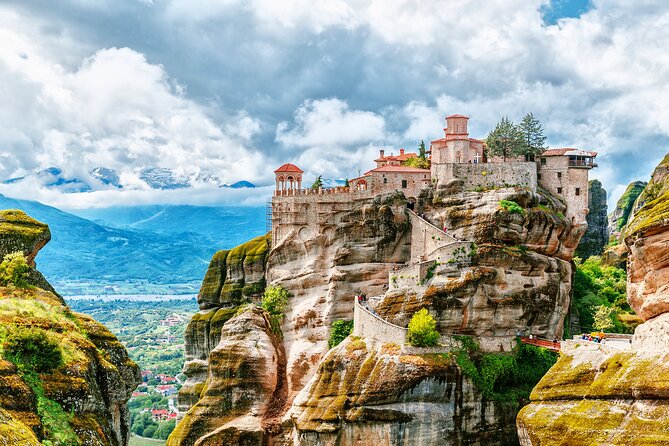
Meteora is the visual finale. Monasteries sit atop dramatic rock formations, and the schedule aims for sunset, when the stone and sky change color. The visit is short, so you may see the setting more than the interiors of several monasteries.
On the final day, the tour leader drops you at your Athens hotel. An alternative route takes you to Igoumenitsa Port, where ferry tickets to Corfu are included. These are different endings, so confirm the option you want before booking and check how it fits with your onward plans.
Price, hotels, meals, and overall value
The price is $7,315.17 per person. That is a serious cost, but it covers 20 breakfasts, private transport, road taxes, petrol, international car insurance, tourist taxes, a professional tour leader, and listed entry tickets.
Accommodation is based on double, twin, or larger shared occupancy in three-star hotels. The price therefore makes the most sense if you want one organized land route and are comfortable sharing a room. Solo occupancy details are not provided, so ask about any supplement before paying.
Lunches, dinners, drinks, snacks, souvenirs, and personal spending are extra. This matters on a food-focused itinerary because many of the best tastes are suggestions rather than included meals.
The strongest value comes from convenience and route design. You avoid planning transport across many borders, and you reach small towns that would take effort to connect alone. The weaker value is the limited time in some major cities, especially if you prefer several nights in each place.
Past feedback specifically praised guide Sokol, who was described as doing an excellent job, along with smooth organization, good accommodation, plentiful food, and enjoyable wine. Treat that as useful evidence about the service, but remember that guide assignments can change.
Who should book this tour?
I would choose this trip if you want a broad first look at Central Europe and the Balkans, enjoy road travel, and prefer having transport and hotels arranged. It suits people who like old towns, castles, wine, religious sites, regional food, and stories from the 20th century.
It is less suitable if you want a relaxed holiday with few hotel changes. You should also think twice if long drives, border crossings, cobblestones, stairs, and uneven ground are difficult for you. A moderate fitness level is required.
The tour is non-refundable and cannot be changed after booking. Because the route, final destination, and room arrangement all affect the practical value, confirm those details before you commit.
FAQ
How long is the tour?
The tour lasts approximately 21 days, beginning in Vienna and finishing in Athens or at Igoumenitsa Port for the Corfu ferry option.
What time does the tour start?
The stated start time is 11 a.m. in Vienna.
How large is the group?
The tour has a maximum of 10 people.
Is hotel pickup included?
Yes. Hotel pickup is offered in Vienna, and hotel drop-off is provided in Athens.
Are hotels included?
Yes. The price is calculated using three-star hotel accommodation with double, twin, triple, or quadruple room occupancy.
Are meals included?
Twenty breakfasts are included. Lunches, dinners, drinks, and snacks are not included.
Is transport included?
Yes. Private transport, petrol, road taxes, and international car insurance are included.
Are attraction entry tickets included?
Entry tickets for the listed sites to be visited are included. The itinerary specifically lists included admission for places such as Bratislava Castle, St. Stephen’s Basilica, Sinan Pasha Mosque, Kalaja Fortress, Bunk’Art 2, St. Naum Monastery, and Skenduli House.
Can I finish the tour in Corfu?
Yes. Instead of hotel drop-off in Athens, you can be dropped at Igoumenitsa Port, with ferry tickets to Corfu Port included.
My booking advice
Book this tour if the idea of seeing many countries in one connected journey excites you more than settling into one region. The combination of private transport, a 10-person limit, Albanian food experiences, wine country, Sarajevo, Mostar, Ohrid, and Meteora gives you a lot for three weeks.
Skip it if you want slow travel, included dinners, or certainty that every day will be easy. At this price, the real purchase is not just sightseeing. It is the time saved arranging a complicated route, plus the company of a tour leader who can keep the journey moving across a large and varied part of Europe.
Recently added around Vienna
- Vienna: Private tour Mauthausen and Linz★ 4.1 · 3 reviews
- 2-Day Prague Tour from Vienna with private Transfers and Lunches★ 5.0 · 3 reviews
- Vienna Self Guided Sherlock Holmes Murder Mystery Game★ 4.5 · 3 reviews
- Vienna Private Schönbrunn Palace Tour, Extra Rooms and Gardens★ 5.0 · 3 reviews
- Salzburg and Lake Region Private Day Trip from Vienna★ 5.0 · 3 reviews
- Small-group Vienna Wine Tour★ 5.0 · 3 reviews
- True Crime mobile puzzle rally Vienna★ 4.0 · 3 reviews
- Exploring the Gutenstein Alps★ 5.0 · 3 reviews
Day Trips from Vienna, compared.
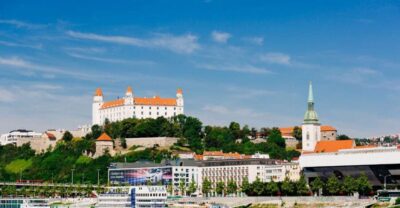
Guided Tour to Bratislava with Speed Boat Ride
Read our review →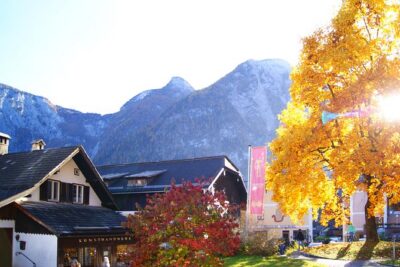
Hallstatt Guided Day Trip from Vienna With Boat Ride Option
Read our review →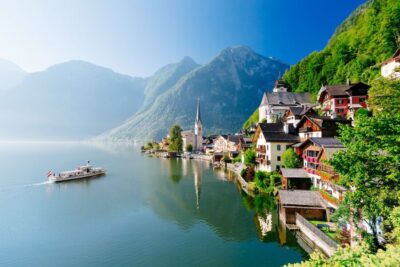
Wachau Valley Wine Tasting Bike Tour from Vienna
Read our review →
Bratislava Day Trip from Vienna With Catamaran Cruise on Danube
Read our review →Browse the lists this tour appears in