
Reviewed · VIENNA TOURS
Entrance ticket Heidi Horten Collection Vienna
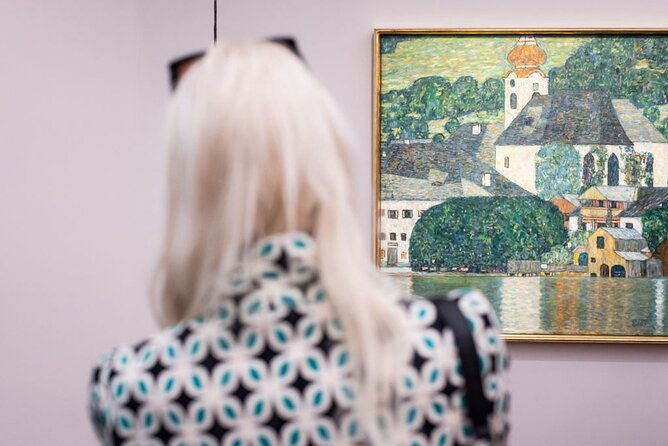
Vienna’s Heidi Horten Collection is less a traditional museum than a showpiece for modern art, set inside an eye-catching building near the Albertina and State Opera. Klimt, Warhol, Basquiat, Picasso, Rothko, Bacon, and other major names share the same compact circuit, with the architecture shaping how you see the art.
I like the easy central location and the included audio guide, which gives the collection more context than the labels alone. I also like the mix of famous names and artists you may not know, plus temporary exhibitions that can make a return visit worthwhile.
The main consideration is the presentation. The open rooms, decorative staging, sound and light displays, and closely spaced works will delight some visitors but feel noisy or scattered to others. This is not the quiet, chronological art museum some people expect.
Key points to know before you go
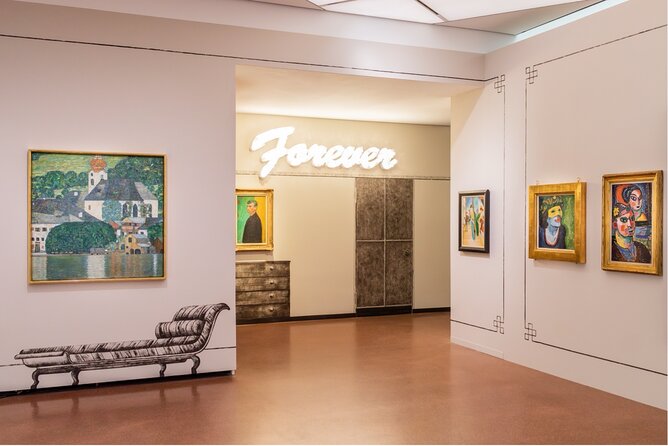
- A compact collection with major names: See works linked to Klimt, Warhol, Basquiat, Picasso, Rothko, Lichtenstein, Chagall, and others.
- The building is part of the experience: Open sightlines and unusual interior design create a setting unlike Vienna’s classic palace museums.
- The current special exhibition is The Line: It runs from 19 September 2025 to 8 March 2026 and explores the line across eras and continents.
- Plan on one to two hours: The museum is not huge, but the art and audio material can easily fill the visit.
- Your phone is useful: The audio guide is available digitally, and a mobile ticket is included with the booking.
- Best for modern-art fans: It suits visitors who enjoy bold juxtapositions more than strict chronology or traditional gallery rooms.
Entering Vienna’s most unusual private collection museum
The Heidi Horten Collection occupies a prime spot in central Vienna, close to the State Opera and Albertina. You can fit it into a museum day without giving up much time to transport, and it works especially well after a visit to the Albertina because the two institutions offer very different experiences.
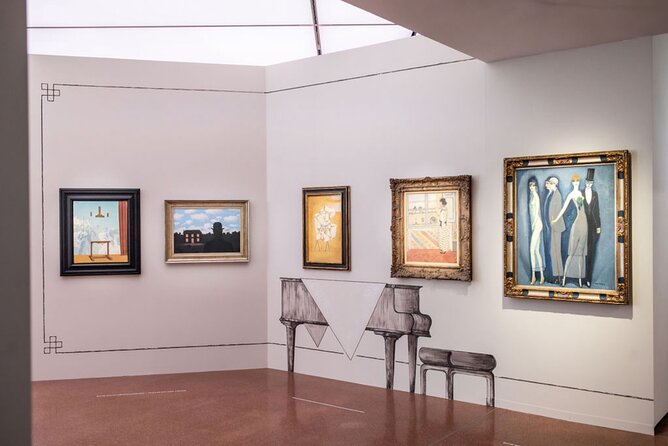
The museum’s architecture makes an immediate impression. It was designed as an open, transparent setting where you can see from one room toward another. Art is not always isolated on plain white walls. Sightlines, colored elements, furnishings, and decorative details help shape the mood.
I find that approach refreshing when I want something less formal. It also explains why the museum can feel surprising from one room to the next. You are not simply following a neat timeline. You are moving through a personal selection built around the taste of Heidi Horten, the collection’s founder.
That personal quality is both the museum’s charm and its central weakness. You will see excellent works, but the selection does not pretend to tell the full story of twentieth-century art. If you want a carefully ordered survey with every artistic movement explained, the Albertina or Vienna’s Museum of Modern Art may better match your expectations.
A few more Vienna half-days to weigh up
- Vienna: Vivaldi’s Four Seasons Concert in Karlskirche
★ 4.7 · 14,951 reviews - Vienna: Spanish Riding School Training
★ 3.9 · 9,281 reviews - Vienna: Skip-the-cashier-desk-line Giant Ferris Wheel Ride
★ 4.5 · 7,859 reviews
Klimt to Warhol on the ground floor
The permanent presentation, titled Klimt ⇄ Warhol, brings together icons of modern and contemporary art. The title signals a broad span, from Vienna around 1900 to American pop art and later international work.
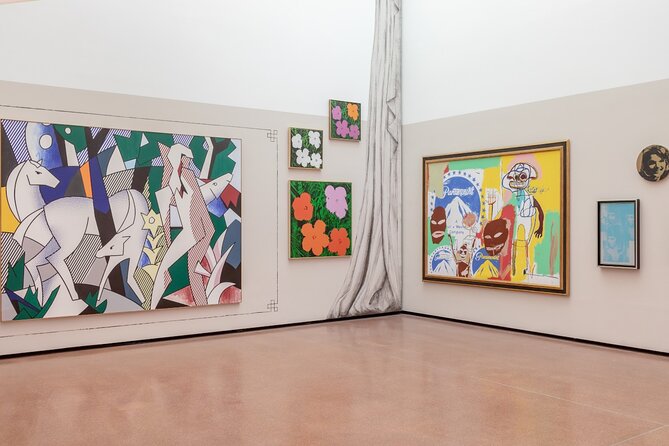
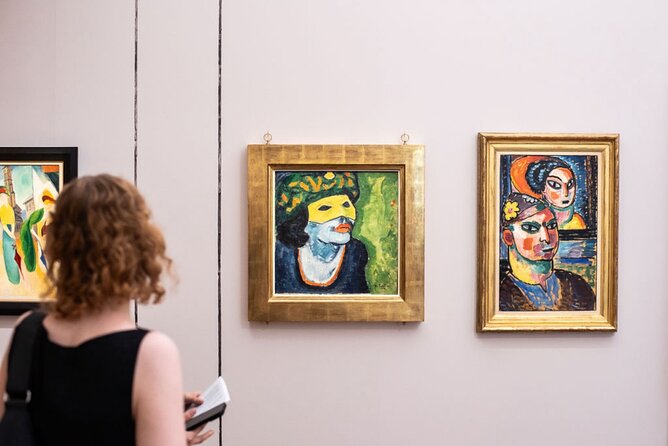
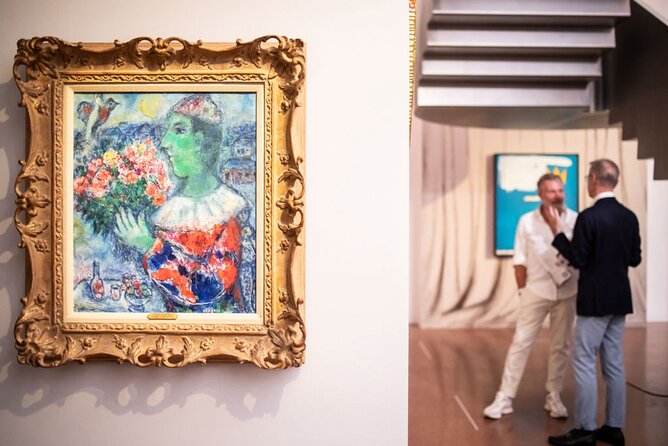
The names alone make this a worthwhile stop for many visitors. You might encounter works associated with Francis Bacon, Georg Baselitz, Jean-Michel Basquiat, Marc Chagall, Lucio Fontana, Keith Haring, Paul Klee, Yves Klein, Gustav Klimt, Roy Lichtenstein, René Magritte, Emil Nolde, Pablo Picasso, Mark Rothko, Andy Warhol, and others.
The pleasure here comes from comparison. A Klimt may invite close attention to surface and ornament, while a Warhol or Lichtenstein shifts your focus toward mass culture and repetition. Basquiat brings raw energy and personal symbolism. Rothko asks for a slower, more inward look. The museum places very different artistic voices within the same visual conversation.
That can also produce a sense of disorder. The collection reflects what one person acquired, not a complete national or historical record. Some visitors will enjoy the freedom to make their own links. Others may wish for more explanation about why each piece belongs beside the next.
The audio guide helps. It is included in the admission and can be accessed through your mobile device using Smartify. Bring a charged phone and headphones if you prefer listening privately, though the supplied information does not specify whether headphones are provided on site.
A useful feature of the museum’s approach is that public voting has helped shape at least some presentation choices. That gives the display a more participatory feel, though you should still expect the institution to interpret the collection through its own design choices.
The Line, from 19 September 2025 to 8 March 2026
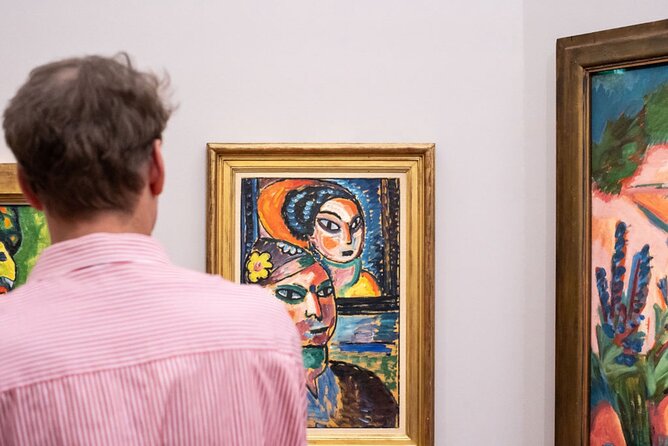
If you visit during this period, the temporary exhibition The Line adds a second reason to buy a ticket. Its subject sounds simple, but the exhibition treats the line as one of art’s basic tools, capable of describing, dividing, suggesting movement, creating emotion, or becoming the artwork itself.
The display reaches from Vienna around 1900 through the art of the 1960s and into the present. It brings together artists from Europe, Africa, Asia, North America, and South America, giving the theme a wider reach than the permanent collection’s largely European and American star power.
Works associated with Paul Klee, Lucio Fontana, Roy Lichtenstein, Egon Schiele, Jackson Pollock, Agnes Martin, Andy Warhol, and Chiharu Shiota are included. That range lets you compare a drawn line, a scratched or cut surface, a gestural mark, a repeated graphic shape, and an installation that uses line in space.
I would allow extra time for this exhibition rather than treating it as a quick add-on. The theme is accessible, even if you are not trained in art history, because you can begin with a basic question: what is the line doing here? Is it outlining an object, recording movement, creating tension, or pulling your eye across the room?
Temporary exhibitions change, so confirm the program if your visit falls outside these dates. The museum has indicated that a new exhibition is planned from 27 March after The Line closes, with different works from the Heidi Goëss-Horten collection.
How the open design changes your visit
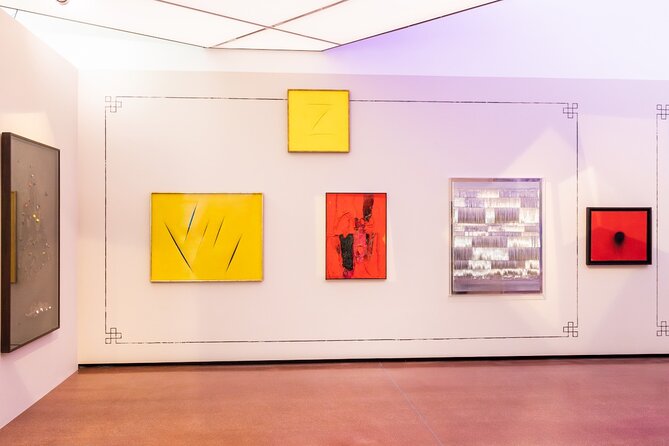
The museum’s interior is meant to be experienced as a total work of art. You may see pieces across several rooms at once, with the building guiding your attention through open views rather than sealed galleries.
I like the sense of discovery this creates. A work at the far end of a room can draw you forward, and the whole visit feels more connected to design than a standard white-box exhibition. It is also a good setting for visitors who enjoy photography and visual composition, though photography rules should be checked at the entrance because the supplied information does not specify them.
The same design can make the visit less restful. Sound and light elements from other parts of the museum may carry into open areas. One exhibition, Light Sound Senses, has included artists working with light and sound, with the aim of testing perception through artistic and scientific ideas. If you prefer silence and clear separation between galleries, the open plan may feel distracting.
There are also marked boundaries around some artworks and narrow passages in places. Pay attention to floor lines and staff instructions. The unusual layout rewards patience, but it is not built for wandering without noticing your surroundings.
The museum’s style can feel playful, even theatrical. Some visitors will find that welcoming and memorable. Others may think the furniture, curtains, and visual effects compete with the paintings. I would approach the visit as an art experience shaped by design, not as a neutral container for paintings.
A different way to spend an afternoon here:
- Vienna: Schönbrunn Palace & Gardens Skip-the-Line Tour
★ 4.7 · 7,739 reviews - Vienna: Light of Creation Votive Church Immersive Light Show
★ 4.8 · 6,779 reviews - Vienna Spanish Riding School Guided Tour
★ 4.7 · 6,765 reviews - Vienna: Classical Concert in the World-Famous Musikverein
★ 4.6 · 6,673 reviews
Allow one to two hours, and use the audio guide
The advertised visit lasts about one to two hours. That estimate is sensible for most people, but your pace will depend on how closely you listen to the audio guide and how much time you spend with the temporary exhibition.
A fast visit can cover the main rooms in about an hour. I would set aside closer to two hours if you want to hear the commentary, compare artists, and give The Line proper attention. The museum is compact enough to pair with another central sight on the same day.
Because the ticket is mobile, keep the booking confirmation easy to reach on your phone. The experience is offered in English, and the included audio guide adds useful interpretation without the cost or fixed schedule of a private tour.
There is no private transportation and no snack provision. Neither matters much here. The location is central, the museum is near public transport, and the visit is short enough to plan around a café or meal elsewhere in the city.
The ticket price listed for this experience is $14.38 per person. I consider that fair if you want a concentrated look at major modern art and a temporary exhibition. It is less convincing if you only want a quick Klimt stop, since Vienna offers other museums with stronger single-artist or period focus.
The value improves when the current temporary exhibition interests you. With The Line, you are receiving both the permanent display and a substantial second subject rather than paying for a small room of paintings alone.
Who will enjoy this museum most
I would recommend the Heidi Horten Collection to you if you enjoy modern and pop art, famous works shown beside less familiar names, and museums that make strong design choices.
It is especially useful for:
- Visitors who want Warhol, Lichtenstein, Basquiat, Klimt, Rothko, and Picasso in one central stop.
- Couples or friends with different art tastes, since the collection covers many styles and periods.
- Repeat visitors to Vienna who have already seen the major historic museums.
- People who enjoy temporary exhibitions and may return for changing displays.
- Anyone with a free hour near the Albertina, Opera, or central Vienna.
I would be cautious if you want a chronological art-history lesson, quiet rooms, or extensive background on every movement. The museum’s personal selection means you may admire individual works without understanding a clear overall argument.
The museum also addresses the background of its funding and the origins of the collection. That subject is part of the institution’s public conversation, and some visitors may want more financial detail than is available. The museum explains that admission, shop revenue, other services, and support from the founder’s private foundation help finance its work. If provenance and institutional transparency are central to your museum choices, read that material carefully and decide how comfortable you are before booking.
Location, access, and a practical visit plan
The central location is one of the ticket’s strongest practical features. You can reach the museum by public transport, and it is also accessible on foot, by bicycle, or by scooter according to the available information.
A simple plan would be to visit the Albertina first, pause for a meal or coffee, then walk to the Heidi Horten Collection. You can also reverse the order. The two museums complement each other: one gives you a more established Viennese art setting, while the Heidi Horten Collection offers a personal modern-art display with stronger visual staging.
Most people can participate, and service animals are allowed. The available details do not give specific information about wheelchair access, cloakroom arrangements, or restroom facilities, so contact the museum directly if those points affect your plans.
Bookings are commonly made about five days ahead, which suggests you should not leave a popular date until the last moment if your schedule is tight. Confirmation arrives at booking. You can cancel for a full refund up to 24 hours before the start time, but cancellations or changes within 24 hours are not refunded or accepted.
My verdict on the Heidi Horten Collection
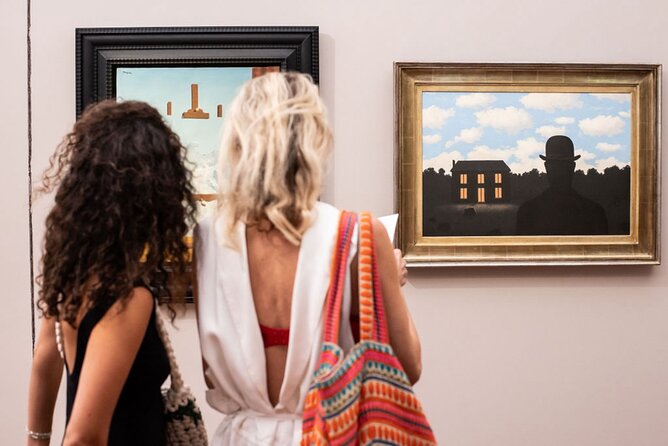
I like the museum’s ambition. It gives you major modern art in a compact, central setting, adds a useful audio guide, and refuses to look like every other gallery in Vienna. The staff is described as friendly, and the museum’s education program can add a warm, hands-on element, including guided activities built around making art.
The strongest praise belongs to the collection quality, central location, unusual presentation, and temporary exhibitions. Those are real advantages, especially for a short city break.
The biggest warning is equally clear: the museum’s visual effects and open layout can compete with the art. The collection may also feel like an assortment rather than a carefully argued history. That is not a flaw for everyone, but you should know what you are buying.
Should you book it?
Book this ticket if you want a compact modern-art stop with high-profile names, an English audio guide, and a temporary exhibition such as The Line. At $14.38, it offers solid value when you have one to two hours and are already near the Albertina or State Opera.
Skip it if your Vienna itinerary is built around traditional museum displays, quiet contemplation, or a tightly ordered account of art history. For the right visitor, this is an exciting change of pace. For the wrong one, the open design and personal selection may feel more distracting than inspiring.
FAQ
How long does the Heidi Horten Collection visit take?
The approximate duration is one to two hours. You may spend less time on a quick visit or closer to two hours if you use the audio guide and study the temporary exhibition.
What artists can I see at the museum?
The collection includes works by artists such as Gustav Klimt, Andy Warhol, Francis Bacon, Georg Baselitz, Jean-Michel Basquiat, Marc Chagall, Lucio Fontana, Keith Haring, Paul Klee, Yves Klein, Roy Lichtenstein, René Magritte, Emil Nolde, Pablo Picasso, and Mark Rothko.
What is The Line exhibition?
The Line is a temporary exhibition about the many roles of the line in art. It includes works by Paul Klee, Lucio Fontana, Roy Lichtenstein, Egon Schiele, Jackson Pollock, Agnes Martin, Andy Warhol, Chiharu Shiota, and others. It runs from 19 September 2025 to 8 March 2026.
Is an audio guide included?
Yes. The entrance ticket includes an audio guide, and the guide can be accessed through the Smartify platform on your mobile device.
Is the museum near public transportation?
Yes. The museum is near public transportation and is also in central Vienna, close to the State Opera and Albertina.
Can I cancel the ticket for a refund?
Yes. You can receive a full refund if you cancel at least 24 hours before the experience start time. Cancellations or changes made less than 24 hours before the start time are not accepted, and the amount paid is not refunded.
Recently added around Vienna
- Vienna: Private tour Mauthausen and Linz★ 4.1 · 3 reviews
- 2-Day Prague Tour from Vienna with private Transfers and Lunches★ 5.0 · 3 reviews
- Vienna Self Guided Sherlock Holmes Murder Mystery Game★ 4.5 · 3 reviews
- Vienna Private Schönbrunn Palace Tour, Extra Rooms and Gardens★ 5.0 · 3 reviews
- Salzburg and Lake Region Private Day Trip from Vienna★ 5.0 · 3 reviews
- Small-group Vienna Wine Tour★ 5.0 · 3 reviews
- True Crime mobile puzzle rally Vienna★ 4.0 · 3 reviews
- Vienna: Wachau Valley Private Kayak and Wine Tour★ 5.0 · 3 reviews
Vienna Tours, compared.

Vivaldi’s Four Seasons Concert in Karlskirche
Read our review →

Skip-the-cashier-desk-line Giant Ferris Wheel Ride
Read our review →
Schönbrunn Palace & Gardens Skip-the-Line Tour
Read our review →
Light of Creation Votive Church Immersive Light Show
Read our review →

Skip-the-Line Sisi Museum, Hofburg and Gardens Tour
Read our review →