
Reviewed · FOOD TOURS IN VIENNA
Vienna: Wine Tasting Tour
Vienna’s wine culture comes to life in four city-center stops, not in one stiff tasting room. You’ll move from a local wine tied closely to the city to Austrian Riesling, Grüner Veltliner from the Wachau, and a Burgenland red, with ham and traditional spreads along the way. I especially like the mix of private cellars and everyday dining spots, plus the chance to see a less obvious side of central Vienna.
I also like the guide-led format. Lukas is praised for his wine skill, warm manner, and flexibility, while other bookings name Hari, Harry, or Luke, so the guide can vary. The main drawback is the price: $159 per person is a serious spend for five glasses over two and a half hours, though the four venues, food, and expert guidance make it more than a simple tasting.
Key points to know before booking
- Five Austrian wines in four venues: The evening moves through wine cellars, restaurants, and a local bar rather than staying in one place.
- A useful introduction to Austrian grapes: You taste local styles from Grüner Veltliner and Riesling to Blaufränkisch or another Burgenland red.
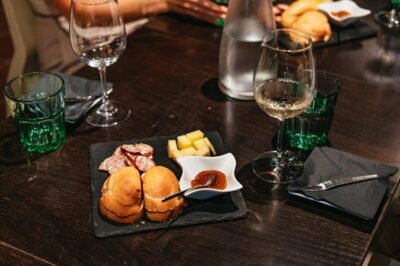
- Food is part of the experience: Austrian ham, bread, and typical spreads help show how the wines fit the local table.
- The guide shapes the evening: Lukas, also referred to as Luke in one account, is often praised for his passion and easy conversation, though guide assignments may vary.
- Central Vienna on foot: The route begins at Lugeck 6 and ends at Schottengasse 3, with short walks between stops.
- Best for adults and wine-curious visitors: The minimum drinking age is 16, and the experience is not suitable for children or pregnant women.
Why this Vienna wine tour is different
Vienna is unusual among European capitals because vineyards are part of the city itself. You can visit grand palaces, Gothic churches, and coffeehouses, then spend an evening learning about wine without leaving the central districts.
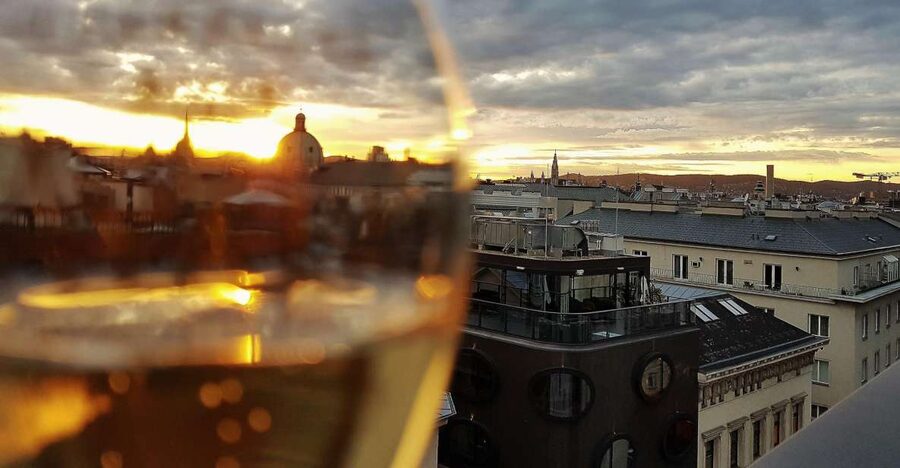
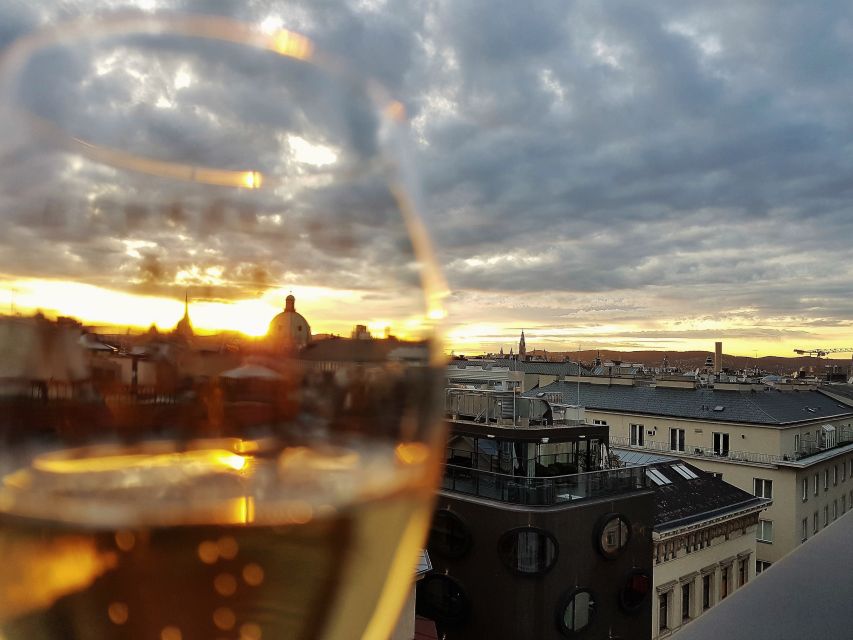
This tour takes a city approach to Austrian wine. You are not being driven out to a vineyard, so you will not see rows of vines or a rural winery. Instead, you get a compact lesson in Austrian wine culture while walking through central Vienna and entering places you might not find on your own.
That urban setting is useful if your visit is short. In 150 minutes, you cover several wine styles, sample food, and hear about Vienna and Austria from a local guide. The route also gives you a quick look at cellar restaurants and wine-serving spaces that are easy to miss if you stick to major sights.
The tone appears to be friendly rather than formal. Lukas is repeatedly praised for making the tasting feel relaxed and social, with enough explanation to keep serious wine drinkers interested without turning the evening into a lecture. Past bookings also describe guides who offered restaurant, café, shopping, and general Vienna tips. For that reason, I would schedule this early in your stay if you want to use the advice later.
More Food Tours in Vienna
- Vienna: Chocolate Workshop in Chocolate Museum w/ Tasting
★ 4.5 · 1,802 reviews - Vienna for Food Lovers: Cafés, Markets & Austrian Cuisine
★ 5.0 · 1,063 reviews - Wachau Valley Wine Tasting Bike Tour from Vienna
★ 5.0 · 829 reviews
Starting at Lugeck 6 and meeting the guide
The meeting point is in front of the Johannes Gutenberg Monument at Lugeck 6, in Vienna’s 1010 district. This is a central location, close to major sights and easy to combine with an afternoon in the historic center.
The evening begins with a short introduction before the group walks about five minutes to the first tasting. The route is not a long-distance walking tour, but you should wear comfortable shoes. You will be moving between venues, and the total experience includes several short walks rather than one continuous tasting.
The guide is an important part of the value here. The supplied information identifies the tour as led in English or German by a wine lover and sommelier. Names attached to past bookings include Lukas, Luke, Hari, and Harry. Lukas receives particularly warm praise for his enthusiasm, wine knowledge, local advice, and ability to adjust the tasting to the group.
That flexibility matters. Wine preferences vary widely, and a good guide can explain a style without making you feel foolish for disliking it. You can expect the guide to discuss grapes, regions, production, and the connection between each wine and its setting.
Stop one: a local wine tied to Vienna
The first tasting introduces a wine described as iconic to Vienna as St. Stephen’s Cathedral. The exact wine is not specified in the supplied details, so you should expect a distinctly Viennese opening rather than a generic international pour.
This is a smart way to begin. Before moving into famous Austrian varieties, you get a sense of the wine culture closest to the city itself. The guide explains the background of the wine and why it matters in Vienna, giving the first glass a local frame.
The tasting lasts about 25 minutes. That is enough time to learn the basic style, taste carefully, and ask questions without making the opening feel drawn out. The first stop also sets the pattern for the evening: a glass of wine, a short walk, then a new venue and a new angle on Austria.
One limitation is that the first wine is not named in advance. If you are booking because you want one particular grape or producer, you should not assume it will be included. The tour is built around a broad introduction, not a fixed list of prestigious labels.
Stop two: Austrian Riesling in a private cellar
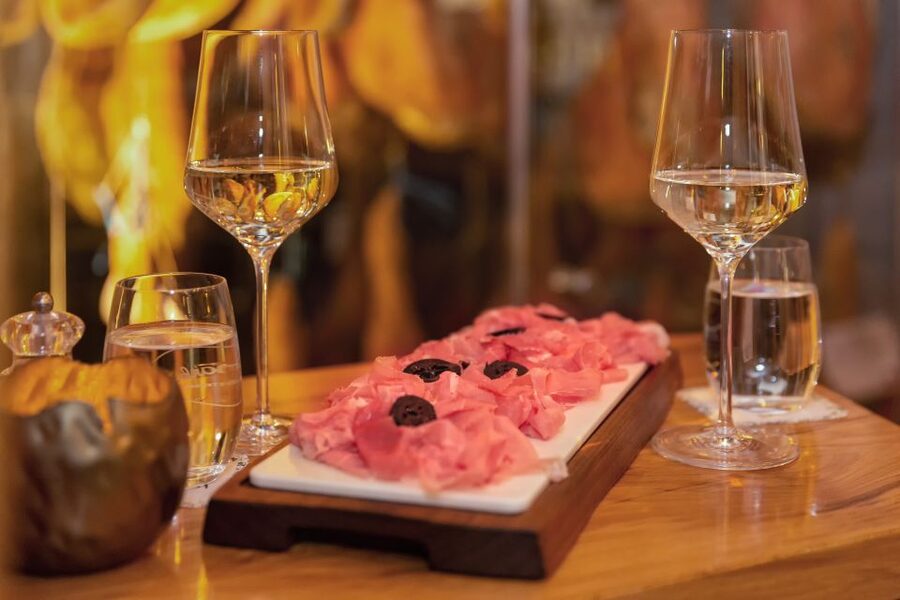
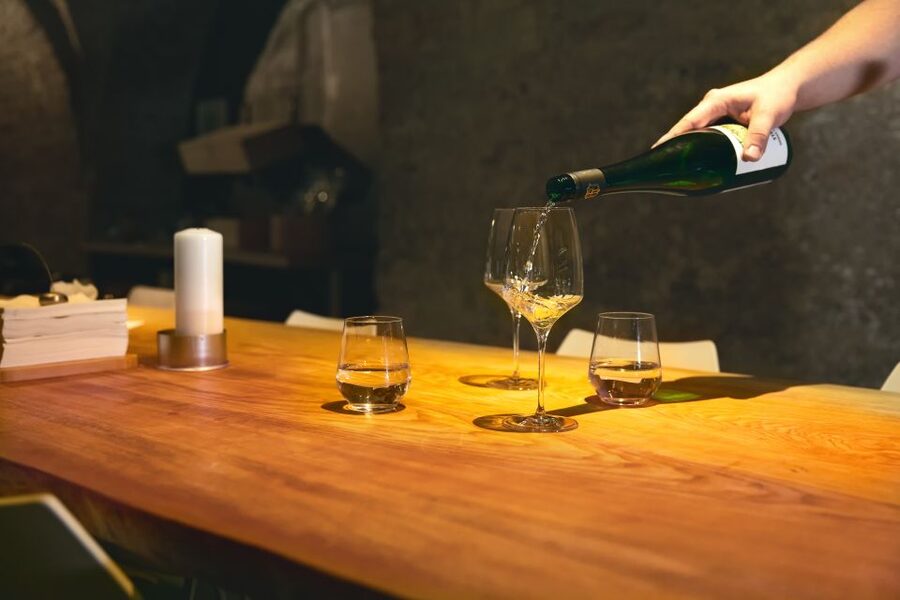
After an eight-minute walk, you reach a local restaurant for the second tasting. The featured wine here is Austrian Riesling, served in a private wine cellar.
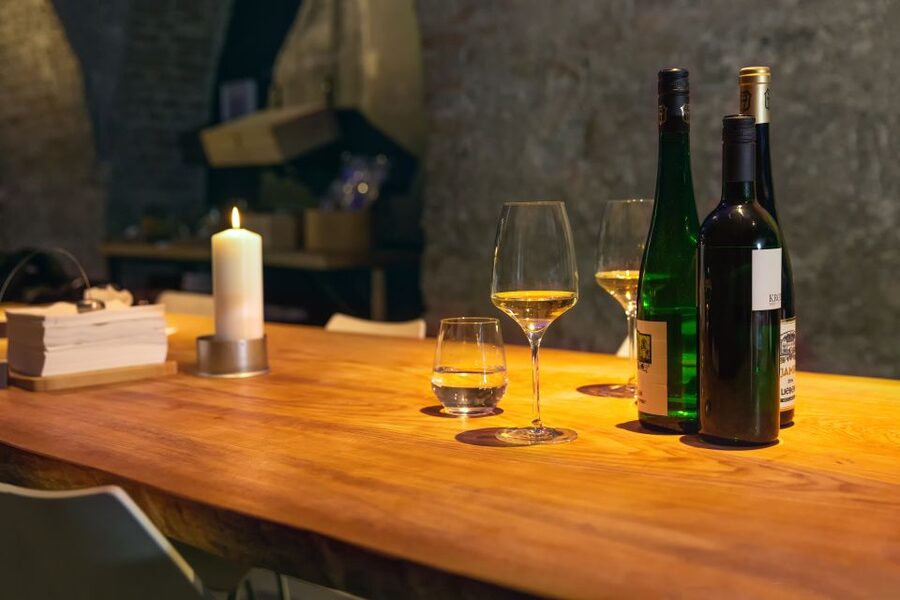
The cellar setting is one of the more appealing parts of the route. It gives the tasting a sense of place without requiring a trip outside Vienna. You are not simply standing at a counter while someone pours. The room itself helps show how wine has long been stored and served in the city.
The guide discusses the qualities of Austrian Riesling, which gives you a chance to compare it with the first glass. The tasting lasts about 25 minutes. That timing keeps the evening moving, but it also means the discussion will remain an introduction rather than a full technical class on Austrian Riesling.
I like this stop for visitors who want context as much as flavor. The guide’s comments connect the wine to Austrian production and regional differences, while the cellar gives you a more intimate setting than a large restaurant dining room. Several past accounts specifically praise the private cellars and unusual venues.
More Wine Tours in Vienna:
- Vienna: Swarovski House Tour with Champagne and Gift
★ 4.7 · 787 reviews - Countryside Half Day Wine Tour near Vienna
★ 5.0 · 545 reviews - Wachau Valley Small-Group Tour and Wine Tasting from Vienna
★ 5.0 · 540 reviews - From Vienna: Half-day Countryside Wine Tour with Meal
★ 4.7 · 526 reviews
Stop three: wine with Austrian ham at a local bar
Another eight-minute walk brings you to a local bar for a 30-minute wine and food tasting. Here, the wine is paired with Austrian ham, and the selection includes an international variety.
The international glass provides a useful change of pace. If every pour were a famous Austrian grape, the tasting could become a narrow list of names. This stop lets you compare an international style with the Austrian wines around it and think about how the same food might work with different wine profiles.
The ham is not just a snack added to fill the table. Food changes how wine tastes, especially with salt and fat. A ham tasting gives the guide a practical way to explain pairing without relying only on tasting vocabulary. You can consider whether the wine becomes softer, sharper, fruitier, or more balanced once you eat.
The bar setting should also make this stop feel less formal. It is a good point in the evening to talk with the group and ask the guide for suggestions. The route is social, so it may suit you if you enjoy meeting people while you taste. If you prefer a silent, highly controlled tasting with detailed notes and no group conversation, this format may feel loose.
Stop four: Wachau Grüner Veltliner with Austrian spreads
The fourth tasting takes place at another local restaurant after a five-minute walk. This is the longest food-and-wine stop, lasting about 30 minutes, and focuses on Grüner Veltliner from the Wachau Valley.
Grüner Veltliner is central to any first look at Austrian wine. The Wachau is one of Austria’s best-known wine regions, and this glass gives the guide a chance to explain how regional conditions and winemaking affect the style. The provided information does not specify the producer or vintage, so think of this as a regional introduction rather than a chance to track down a particular bottle.
The wine comes with traditional Austrian spreads and bread. That makes this stop feel more like a small local meal than a sequence of isolated samples. You can taste the wine on its own, then see how it behaves with savory food.
One past account singles out a Gritsch wine as a memorable pour. That does not guarantee the same bottle on your date, but it suggests that the selection can include serious examples rather than entry-level supermarket wine. The guide may also adjust parts of the tasting to suit the group, a useful feature if you already know you prefer dry whites, fuller reds, or less familiar styles.
Finishing with Burgenland red wine
The evening ends with a glass of red wine from Burgenland, a region in eastern Austria. The final stop is not another listed venue, but the experience finishes at Schottengasse 3 after the last tasting.
Burgenland gives the tour a needed red-wine finish. After local Viennese wine, Riesling, an international glass, and Wachau Grüner Veltliner, you can compare Austria’s red-wine character with its better-known white varieties. The supplied highlights also mention Blaufränkisch, so this is the point where you may encounter that grape, although the details do not promise that every departure will serve it.
The guide uses the final glass to discuss Burgenland and the details that shape its wines. Ending with a regional discussion is helpful because you leave with a simple mental map of Austria: Vienna has its own traditions, Wachau is important for white wine, and Burgenland gives you a route into Austrian reds.
The last stop also gives you a chance to ask for more wine advice. If you discover a style you like, write down the grape and region before you leave. The tour is short enough that you may not remember every label afterward.
What the $159 price really includes
At $159 per person, this is not a bargain tasting. Five glasses alone would not justify the cost for most visitors. The price makes more sense when you count the four venues, food tastings, guide, and the time saved researching where to go.
You are paying for access and structure as much as wine. The guide takes you to private cellars, restaurants, and a bar, explains what is in the glass, and links the stops to Vienna. Several past accounts praise the places as unusual and difficult to find without local help.
The ham, bread, and Austrian spreads also matter. They turn the event into a food-and-wine outing rather than five small pours. Still, you should keep expectations realistic. This is not a full dinner, and the information does not state the pour size or the precise food quantities.
The price is easiest to justify if you are new to Austrian wine, have only a few evenings in Vienna, or value a social guided experience. It is harder to justify if you already know Austrian wine well, prefer to buy bottles directly, or want a longer vineyard visit outside the city.
Free cancellation up to 24 hours before the start and the reserve-now-pay-later option reduce the financial risk of booking. Starting times vary, so you need to check availability for your date.
Who will enjoy the evening most
I would recommend this tour to adults who want a clear, friendly introduction to Austrian wine without spending a full day outside Vienna. It works especially well for couples, small groups, and solo visitors who like sharing a table and conversation.
It also suits people who want more than polished tourist venues. The route includes cellar spaces, local restaurants, and a bar, and the guide adds recommendations for other places in Vienna. The experience is still organized, but it does not appear designed as a grand luxury event.
Wine beginners should feel comfortable here. You do not need to know Austrian grapes before arriving. At the same time, the range from Riesling and Grüner Veltliner to a Burgenland red gives experienced drinkers enough variety to stay interested.
The minimum drinking age is 16. Children under 16 are not suitable, and the tour is not suitable for pregnant women. The accessibility information is inconsistent: the activity details say wheelchair accessible, while the restrictions say wheelchair users are not suitable. If you use a wheelchair, contact the provider before paying and ask about the exact route, cellar access, and venue entrances.
Practical ways to get more from the tasting
Book this near the beginning of your Vienna stay if you want to use the guide’s restaurant and café suggestions. One past booking specifically found the local recommendations useful enough to justify leaving time afterward to try them.
Eat lightly beforehand, but do not arrive hungry. The tour includes ham, bread, and spreads, yet it is not described as a complete meal. A small meal earlier can help you enjoy the wine without relying on the tasting food to carry you through the evening.
Remember that the tour involves walking between four locations. The walks are short, about five to eight minutes each, but central Vienna streets and cellar steps may affect comfort. Comfortable footwear is sensible.
Take notes if a wine catches your attention. The tour covers five glasses in a relatively short time, and the final Burgenland red can blur together with the earlier pours if you are not keeping track. Ask the guide about the grape, region, and producer while the bottle is in front of you.
Should you book this Vienna wine tour?
Book it if you want a well-organized introduction to Austrian wine with real food, varied venues, and a guide who can connect wine to Vienna. The strongest reasons are the private cellar, the movement through four central locations, the Wachau Grüner Veltliner, and the chance to taste Austrian styles without arranging several reservations yourself.
Skip it if $159 feels high for five glasses, or if your main goal is a vineyard visit, a full meal, or a specialist tasting built around named producers and vintages. For most wine-curious visitors with limited time, I think the four-stop format gives the price a fair basis, especially if you book early enough to use the guide’s wider Vienna advice.
FAQ
How long does the Vienna wine tasting tour last?
The tour lasts 150 minutes, or two and a half hours.
How many wines are included?
Five glasses of wine are included.
How many locations does the tour visit?
The tasting takes place at four different locations in central Vienna, including wine cellars, restaurants, and a local bar.
What wines might I taste?
The program includes an iconic local Viennese wine, Austrian Riesling, an international variety, Grüner Veltliner from the Wachau Valley, and a Burgenland red. Blaufränkisch is also highlighted as one of the Austrian varieties you may taste.
Is food included?
Yes. The tour includes Austrian ham, bread, and typical Austrian spreads.
Where does the tour begin?
It begins at Lugeck 6, 1010 Vienna, in front of the Johannes Gutenberg Monument.
Where does the tour finish?
The tour finishes at Schottengasse 3.
What languages does the guide speak?
The live guide is available in English or German.
What is the minimum drinking age?
The minimum drinking age is 16. Children under 16 are not suitable for this activity.
Is the tour wheelchair accessible?
The provided information gives conflicting details. One section says the activity is wheelchair accessible, while another says it is not suitable for wheelchair users. Contact the provider before booking to confirm access at every venue.
Can I cancel the booking?
You can cancel up to 24 hours in advance for a full refund. A reserve-now-pay-later option is also available.
Recently added around Vienna
- Vienna: Private tour Mauthausen and Linz★ 4.1 · 3 reviews
- 2-Day Prague Tour from Vienna with private Transfers and Lunches★ 5.0 · 3 reviews
- Vienna Self Guided Sherlock Holmes Murder Mystery Game★ 4.5 · 3 reviews
- Vienna Private Schönbrunn Palace Tour, Extra Rooms and Gardens★ 5.0 · 3 reviews
- Small-group Vienna Wine Tour★ 5.0 · 3 reviews
- Salzburg and Lake Region Private Day Trip from Vienna★ 5.0 · 3 reviews
- True Crime mobile puzzle rally Vienna★ 4.0 · 3 reviews
- Exploring the Gutenstein Alps★ 5.0 · 3 reviews
Food Tours in Vienna, compared.
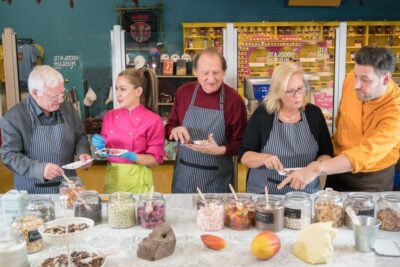
Chocolate Workshop in Chocolate Museum w/ Tasting
Read our review →
Vienna for Food Lovers: Cafés, Markets & Austrian Cuisine
Read our review →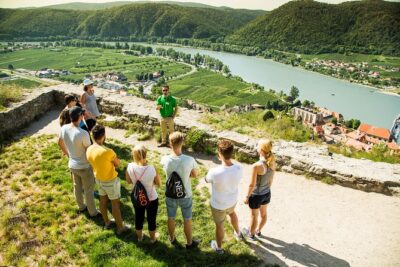
Wachau Valley Wine Tasting Bike Tour from Vienna
Read our review →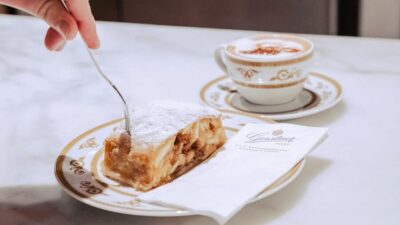
Gerstner KuK Hofzuckerbäcker Baking Show & Tasting
Read our review →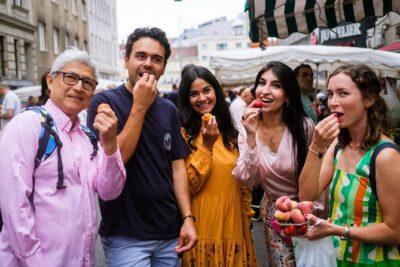
Authentic Vienna Food Tour inc. lunch, street food, 3 drinks
Read our review →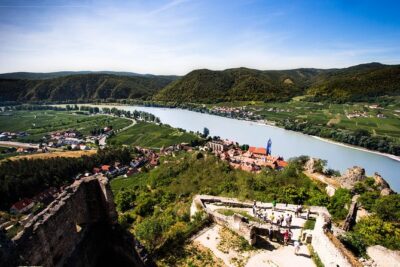
Wachau Valley Small-Group Tour and Wine Tasting from Vienna
Read our review →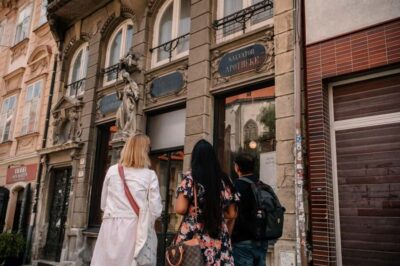
Wine Tasting Experience in a Private Wine Cellar
Read our review →Browse the lists this tour appears in