
Reviewed · FOOD TOURS IN VIENNA
Austrian Wine Tasting
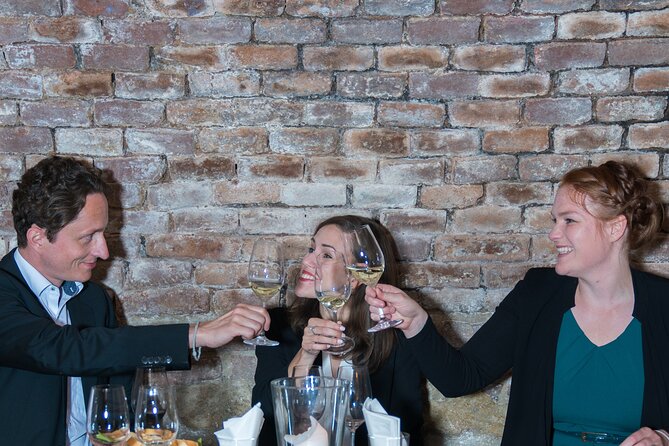
Austrian wine gets the spotlight here, not as a quick sip between sightseeing stops, but as a two-hour lesson in how the country grows grapes, labels wine, and pairs bottles with food. Sommelier Stylianos Stavridis, often called Stelios, leads the session in English and gives each of six wines room for discussion. I like the small group, capped at eight, and the useful mix of whites and reds, including Grüner Veltliner, Sauvignon Blanc, Riesling, Sankt Laurent, and Blaufränkisch.
I also like the practical approach. You learn how to notice aroma, acidity, body, and structure instead of simply being told which glass is best. The main consideration is the food: cheese, cured meat, and bread make a pleasant pairing plate, but this is a tasting snack rather than a full meal. The setting is also described differently by some visitors, so do not book it expecting a guaranteed old brick cellar.
Quick takeaways
- Six Austrian wines in two hours: Taste a broad sample of Austrian styles, including familiar white grapes and less expected red varieties.
- Stylianos leads the session: His teaching covers Austrian regions, grape varieties, production, wine classification, and tasting technique.
- Small group setting: The maximum of eight people gives you a better chance to ask questions and discuss each glass.
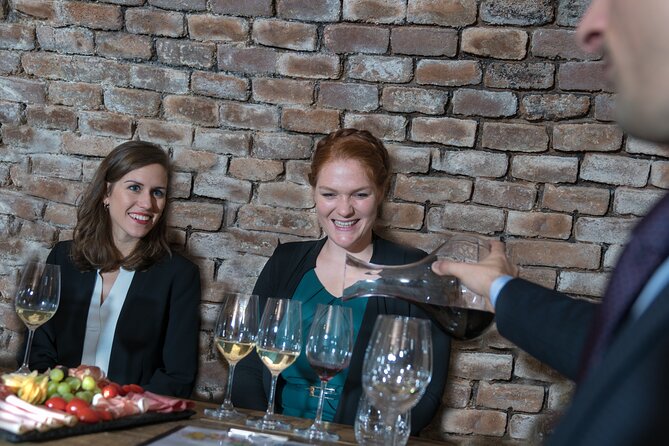
- Local pairings included: Cheese, cured meats, and bread help show how food changes the taste of wine.
- Central Vienna location: The meeting point is at Hollandstraße 10 in the 2nd district, near public transportation.
- Book ahead: The experience is often reserved about 37 days before the date, a useful clue for planning popular travel periods.
Why Austrian wine deserves two hours in Vienna
Vienna is famous for grand buildings, coffeehouses, and museums. Wine can feel like a side note. That is a mistake. Austria has a wine culture with its own grapes, regional styles, classification rules, and production traditions, and this tasting gives you a compact way to make sense of it.
The value is not just the number of pours. Six glasses let you compare wines rather than judge one bottle in isolation. A crisp white followed by another white can show how acidity, fruit, and texture differ. Later, a red such as Sankt Laurent or Blaufränkisch may challenge the easy assumption that Austria is mainly a white-wine country.
I especially like that the session is built around Austrian identity, not a generic lesson that could happen anywhere. You hear about major wine regions, local grapes, the way wine is made, and how Austria classifies its bottles. That gives you useful context for restaurant menus and wine shops during the rest of your stay.
The tone also suits mixed groups. You do not need a polished wine vocabulary. The session explains what to look for and gives you a way to describe what you notice. At the same time, people who already know wine can ask more detailed questions about growing areas, production, and style.
More Food Tours in Vienna
- Vienna: Chocolate Workshop in Chocolate Museum w/ Tasting
★ 4.5 · 1,802 reviews - Vienna for Food Lovers: Cafés, Markets & Austrian Cuisine
★ 5.0 · 1,063 reviews - Wachau Valley Wine Tasting Bike Tour from Vienna
★ 5.0 · 829 reviews
Meeting Stylianos in Vienna’s 2nd district
The tasting begins at Wine Tasting Vienna, at Hollandstraße 10/1-3 in Vienna’s 1020 district. The address is near public transportation, and one visitor found it easy to reach both on foot and by transit. You return to this same meeting point at the end, so there is no complicated route between parts of the activity.
The building is described as a restored traditional Viennese property from the Wilhelminian era. That matters because the setting gives the tasting a sense of place before the first glass arrives. You are not being taken out to a distant vineyard, but you are still learning about Austrian wine in a building tied to Vienna’s historic urban fabric.
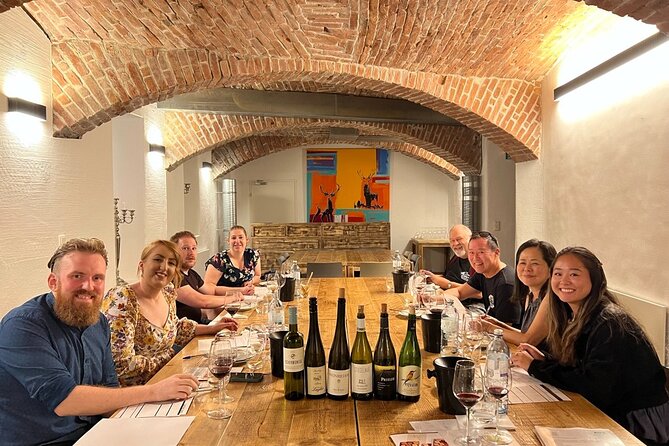
One point deserves a clear note. The room may not look exactly like every photograph you have seen. One detailed account described a more modern space rather than an old-fashioned room with brick and cellar atmosphere. I would book this for the instruction and wines first, with the decor as a bonus rather than the main reason to go.
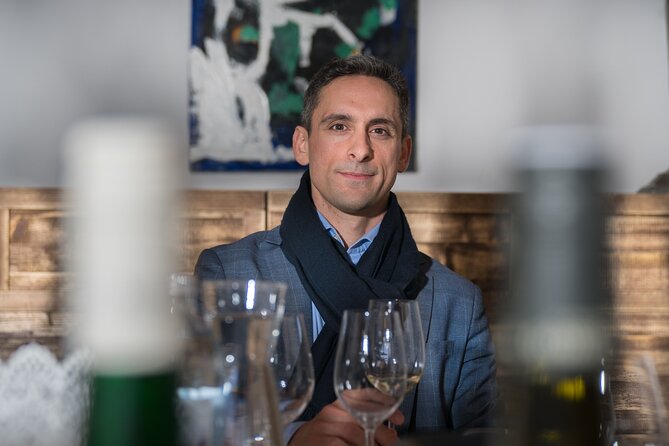
Stylianos is both the owner and the host. The strongest part of his role is his willingness to explain each wine instead of rushing through a fixed script. He presents the bottle, opens the discussion, answers questions, and helps you draw more from the glass.
Six glasses, from Grüner Veltliner to Blaufränkisch
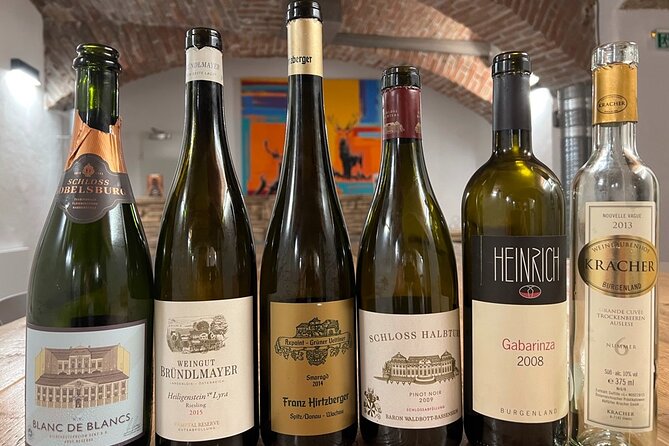
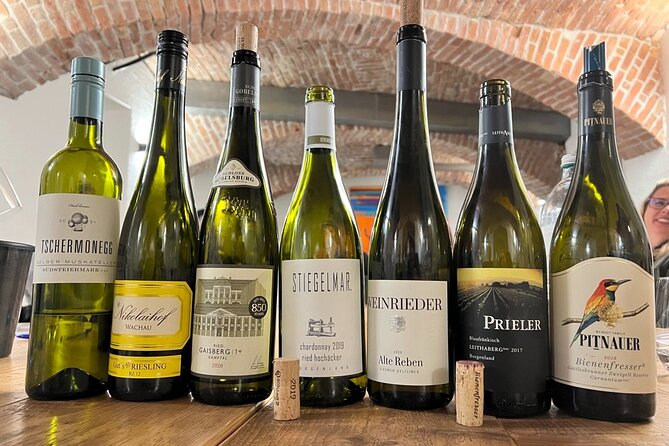
The exact wines can change. That is worth knowing, since Stylianos adjusts the selection to keep the session interesting. Still, the tasting has included a useful range of Austrian examples, with several well-known whites and two reds that can surprise people who associate Austria mainly with lighter wine.
A typical selection has included:
- Grüner Veltliner
- Sauvignon Blanc
- Riesling
- Sankt Laurent
- Blaufränkisch
- Other Austrian selections chosen for comparison
Grüner Veltliner is an important introduction because it helps explain Austria’s best-known white grape. Sauvignon Blanc and Riesling then give you points of comparison. The aim is not simply to announce grape names. You are guided toward differences in smell, taste, acidity, weight, and finish.
The red wines may be the pleasant surprise. Sankt Laurent and Blaufränkisch bring more depth and firmness to the table than some first-time visitors expect from Austrian wine. If you usually order white wine in Austria, these pours can widen your choices for dinner.
The pours are described as generous by one account, but the experience remains a guided tasting rather than a night of free drinking. Six wines in roughly two hours is enough time to pay attention, compare notes, and ask questions without turning the session into a race.
Learning how to taste without the usual fuss
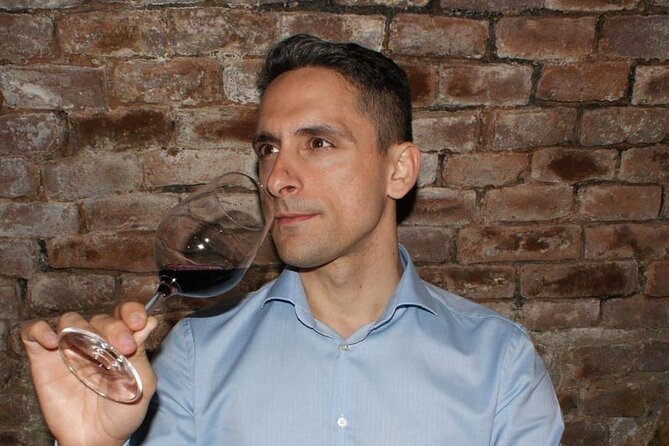
Wine instruction can become stiff when a host throws around technical terms and waits for you to pretend you understand. This session takes a more useful path. You learn to look at aroma, taste, acidity, body, and boldness, then connect those observations with the wine in front of you.
I like the fact that you can ask basic questions without feeling out of place. The setting is described as friendly and approachable, which matters if you are still learning. A person who already knows wine can also ask about Austrian production, classification, and regional differences.
An educational booklet is provided, and you can take notes and pictures during the session. That turns the experience into something you can use after leaving. You may remember a grape name more easily when you have written down what it tasted like and what food worked with it.
The lesson also reaches beyond Austria at times, touching on wine culture in other parts of the world. That broader discussion can help you place Austrian bottles in context, though the central subject remains Austrian wine.
The English presentation is another practical strength. The host speaks English, and the format allows a real conversation rather than a one-way lecture. If you have a long list of questions, this is the sort of setting where they can be answered directly.
More Wine Tours in Vienna:
- Vienna: Swarovski House Tour with Champagne and Gift
★ 4.7 · 787 reviews - Countryside Half Day Wine Tour near Vienna
★ 5.0 · 545 reviews - Wachau Valley Small-Group Tour and Wine Tasting from Vienna
★ 5.0 · 540 reviews - From Vienna: Half-day Countryside Wine Tour with Meal
★ 4.7 · 526 reviews
Cheese, charcuterie, and the limits of the snack plate
The included food is a cold plate with locally sourced cheese, cured meats, and bread. Still water is also provided. The pairings are not an afterthought. Stylianos suggests which cheese or meat works with each wine, showing how salt, fat, texture, and acidity affect what you taste.
This is useful even if you are not deeply interested in wine. Pairing advice can change how you order in Vienna. A wine that seems sharp by itself may work better with cheese, while a fuller red may make more sense alongside cured meat.
The food is enough to support the tasting, but do not plan it as dinner. One account found the cheese and meat very good but modest in quantity, with only a few slices and strips. The sample menu calls it a cold plate, and that is the right expectation.
I would eat a light meal beforehand if you are arriving hungry. You will enjoy the wines and pairings more when you are not waiting for a substantial meal to appear.
Why the small group matters
The maximum group size is eight people. That is one of the strongest practical features of the experience. A large wine class can leave you holding a glass while the host speaks to the far side of the room. Here, the format is better suited to questions and conversation.
A small group also changes the mood. The experience has been described as having a wine-club feel, which is a good way to picture it. You share opinions, compare what you notice, and hear questions that may not have occurred to you.
Solo visitors can fit in well. The session has also gone ahead with just one person when no one else had booked, so the experience does not depend on a large crowd. If you prefer a lively group, you can ask about joining another time slot, but any change should be arranged before the booking deadline.
The group size is not a promise of complete privacy. You may be tasting with couples or other people on holiday. Still, eight is small enough for direct contact with the host and a more personal session than a commercial tasting room.
Price, timing, and what you are really buying
The listed price is $145.18 per person for about two hours. That is not a bargain if you measure the experience by the number of snacks or the amount of wine alone. You are paying for six Austrian wines, food pairings, a certified sommelier, instruction, a central meeting point, and the chance to ask questions in a small group.
The value improves if Austrian wine is new to you. A bottle purchased at random can be hard to understand, especially when grape names and classification terms are unfamiliar. This session gives you a framework for choosing bottles later, and that knowledge can shape several meals beyond the tasting itself.
It is also a better fit for a short Vienna visit than a full vineyard excursion outside the city. You get a focused introduction without spending much of the day on transport. The tradeoff is that you do not visit vineyards or wineries in the countryside. Everything happens at the Vienna meeting point.
Plan for the full two hours, and allow a little extra time before the start to reach Hollandstraße 10. The experience is often booked around 37 days ahead, so I would reserve early for a specific evening or for busy periods.
Free cancellation is available if you cancel at least 24 hours before the start time. Changes or cancellations made inside that window are not accepted for a refund, and the cut-off follows local Vienna time.
Who should book this tasting
I would choose this for:
- Anyone who wants a focused introduction to Austrian wine
- Couples looking for an evening activity with food and conversation
- Solo visitors who enjoy small-group classes
- Wine beginners who want clear tasting guidance
- Experienced wine drinkers curious about Austrian regions and grapes
- People who prefer learning in Vienna rather than taking a countryside excursion
It may not be the right pick if you want a vineyard tour, a full meal, or a casual bar crawl. It also may disappoint if the room itself is your main reason for booking and you expect an old brick cellar.
The experience works best when you arrive ready to participate. Ask about the grapes, write down what you notice, and pay attention to the food pairings. You will get more from the session than if you simply wait for the next pour.
Should you book the Austrian Wine Tasting?
Yes, if you want to understand Austrian wine rather than just drink it. The combination of six varied wines, local cheese and charcuterie, a maximum of eight people, and direct guidance from Stylianos makes the $145.18 price easier to justify for wine-minded visitors.
I would be especially keen to book if I had already seen Vienna’s main sights and wanted an evening activity with local flavor. The best reason to go is the teaching: you leave with a clearer sense of Austrian grapes, regions, tasting terms, and pairings.
Skip it if you need dinner, a vineyard visit, or a guaranteed historic cellar setting. For everyone else, this is a polished and personal way to add Austrian wine to your Vienna plans.
FAQ
Where does the Austrian Wine Tasting take place?
The tasting begins at Wine Tasting Vienna, Wine Tasting Vienna, Exclusive Wine Experiences, Stylianos Stavridis e.U., Hollandstraße 10/1-3, 1020 Wien, Austria.
How long does the experience last?
The tasting lasts approximately two hours.
How many wines are included?
Six Austrian wines are included in the experience.
Is the tasting conducted in English?
Yes. The tasting is offered in English and led by a wine professional.
What food is included?
You receive a cold plate with locally sourced cheese, cured meats, and bread. Still bottled water is also included.
How many people can join?
The activity has a maximum of eight participants.
Does the experience end at the meeting point?
Yes. The activity ends back at the same meeting point.
Is the location near public transportation?
Yes. The meeting point is near public transportation.
Can I cancel for a full refund?
Yes, if you cancel at least 24 hours before the experience start time. Cancellations or changes made less than 24 hours before the start time are not accepted for a refund.
Recently added around Vienna
- Vienna: Private tour Mauthausen and Linz★ 4.1 · 3 reviews
- 2-Day Prague Tour from Vienna with private Transfers and Lunches★ 5.0 · 3 reviews
- Vienna Self Guided Sherlock Holmes Murder Mystery Game★ 4.5 · 3 reviews
- Vienna Private Schönbrunn Palace Tour, Extra Rooms and Gardens★ 5.0 · 3 reviews
- Salzburg and Lake Region Private Day Trip from Vienna★ 5.0 · 3 reviews
- Small-group Vienna Wine Tour★ 5.0 · 3 reviews
- True Crime mobile puzzle rally Vienna★ 4.0 · 3 reviews
- Exploring the Gutenstein Alps★ 5.0 · 3 reviews
Food Tours in Vienna, compared.
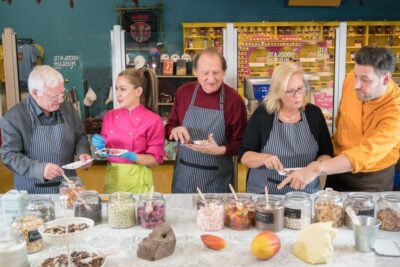
Chocolate Workshop in Chocolate Museum w/ Tasting
Read our review →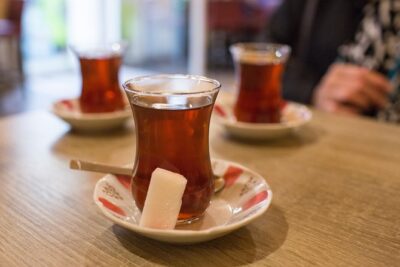
Vienna for Food Lovers: Cafés, Markets & Austrian Cuisine
Read our review →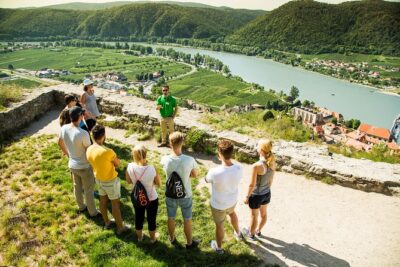
Wachau Valley Wine Tasting Bike Tour from Vienna
Read our review →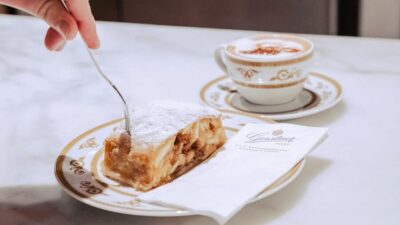
Gerstner KuK Hofzuckerbäcker Baking Show & Tasting
Read our review →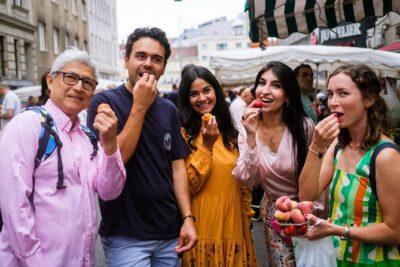
Authentic Vienna Food Tour inc. lunch, street food, 3 drinks
Read our review →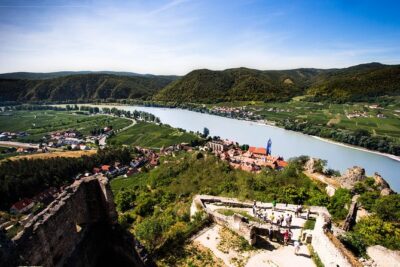
Wachau Valley Small-Group Tour and Wine Tasting from Vienna
Read our review →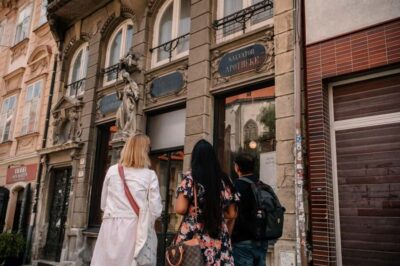
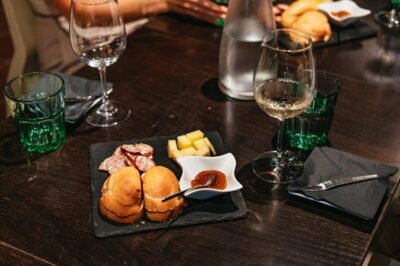
Wine Tasting Experience in a Private Wine Cellar
Read our review →Browse the lists this tour appears in