
Reviewed · FOOD TOURS IN SALZBURG
Guided Wine Tasting in a Hidden Wine Bar
Salzburg is famous for Mozart, grand churches, and mountain views. This tasting gives you a different way to spend 45 minutes: sit at a local wine shop and bar, sip Austrian wine, and try small regional bites. I like the compact format and the chance to taste wines from more than one Austrian area without leaving the city. I also like that the food is part of the tasting, not an afterthought.
The catch is that the experience can depend heavily on the host and the size of your group. Some sessions offer clear explanations and a warm welcome, while others feel more like three glasses poured at a shop counter. At $45.27 per person, that difference matters.
Key points at a glance
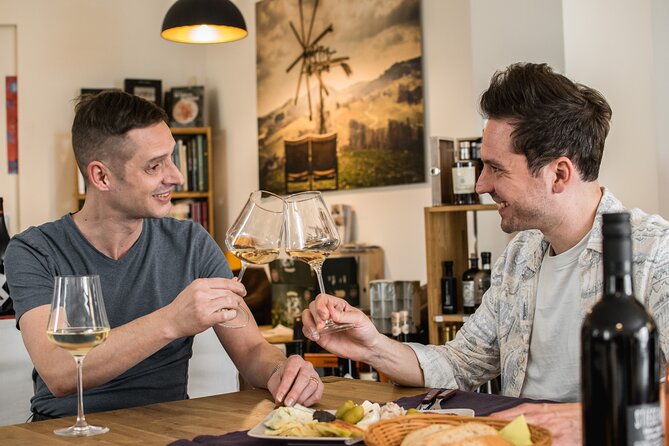
- Three wines in about 45 minutes: The standard tasting includes a sparkling, white, and red selection when available, along with small snacks.
- Austrian wine beyond Salzburg: You may taste classic regional wines as well as bottles from other Austrian wine areas.
- A central meeting point: Begin and end at De Gustibus, Bergstraße 14, in Salzburg.
- Small-group setting: The activity accepts a maximum of 10 people, though a very small group can make the session feel less lively.
- Premium option: Add three more wines, more snacks, and a second wine-bar stop for a longer tasting.
- A host-dependent experience: The best sessions include useful background and tasting notes, while weaker ones offer little education.
What happens at De Gustibus on Bergstraße
You meet at Wine Shop De Gustibus, at Bergstraße 14, 5020 Salzburg. The activity ends at the same place, so you do not need to arrange a ride back or find your way across town after drinking. The shop is near public transportation, which makes it an easy stop during a day in central Salzburg.
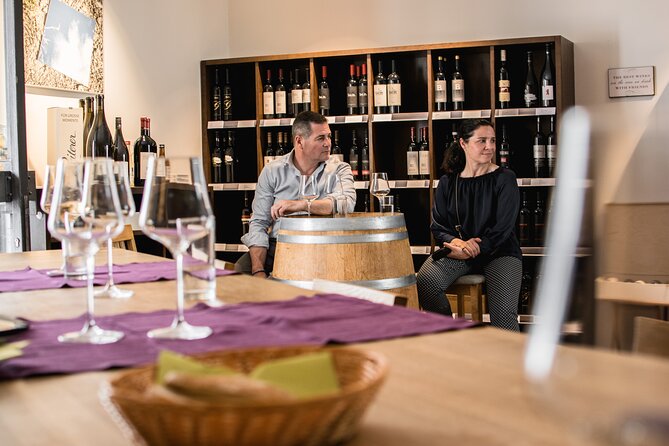
The setting is more wine shop and local bar than grand tasting room. That is part of the appeal. You are not being led through a polished cellar with formal tables and printed tasting sheets. You are sitting in a place where locals may also be having a drink, and that can make the experience feel relaxed and social.
It can also create uneven results. One session may have a friendly local atmosphere, with conversation and practical suggestions for Salzburg. Another may feel plain, especially if you were expecting a secret cellar or a carefully designed wine lounge. The phrase hidden wine bar suggests a special setting, but the bar is on a main street and may not look particularly unusual from the outside.
That is worth keeping in mind before you book. You are paying for the wine, snacks, and guided introduction, not for a dramatic room or a sightseeing stop.
More Food Tours in Salzburg
- Salzburg: Stiegl Brewery Tour with Beer Tasting
★ 4.7 · 278 reviews - Salzkammergut: Sandstone Beer Cellar Tour
★ 4.8 · 222 reviews - Salzburg: Guided Wine Tasting in a Hidden Wine Bar
★ 4.4 · 58 reviews
Three Austrian wines, three different roles
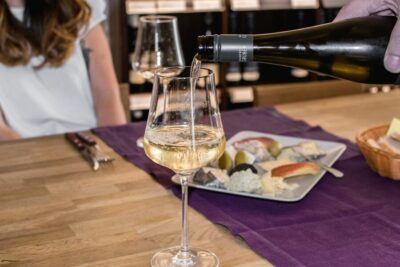
The standard experience includes three wines. The advertised range is a sparkling wine, a white, and a red, although the exact bottles can vary. One session may include all three styles, while another may offer mostly white wine, so do not book this expecting a guaranteed lineup of particular grapes or producers.
The sparkling wine is a sensible opening pour. It gives you a fresh start and provides an easy comparison with the still wines that follow. If you are new to Austrian wine, this first glass can help you notice how a wine changes when it has bubbles, higher acidity, and a lighter feel.
The white wine is likely to be the most important part of many Austrian tastings. Austria is especially well known for crisp white wines, and the tasting may include bottles from classic Austrian wine areas rather than only the immediate Salzburg region. You may receive a regional wine, or a bottle from another part of the country, depending on what the host has selected.
The red wine closes the basic flight when it is included. It gives the tasting a broader range and keeps the experience from feeling like a single-style sampling. If red wine is your priority, confirm the selection at the start rather than assuming it will be part of the pour.
A useful host should explain where each wine comes from, what flavors to look for, and how the bottle fits into Austrian wine culture. That information is central to the price. Without it, the session becomes a small flight of wine with snacks, something you could approximate at a wine bar for less money.
Why Austrian wine adds interest
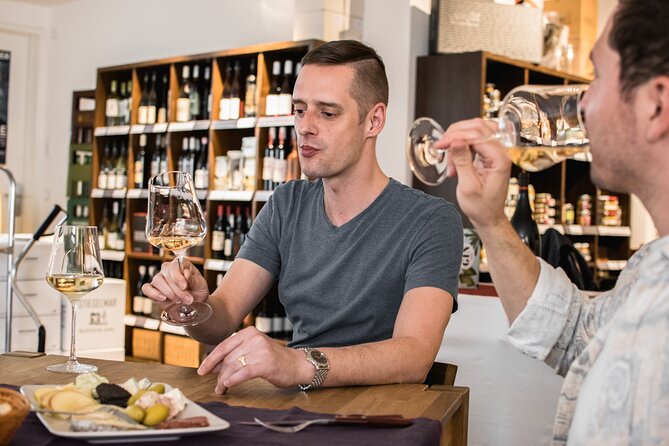
Austria has about 45,000 hectares of cultivated vineyards, and wine growing there reaches back to Roman times. That does not mean you will receive a long history lecture in 45 minutes, but it gives the tasting a useful frame. Austrian wine is not just a side note to the country’s better-known beer and schnapps traditions.
The tasting can introduce you to regional labels and Austrian wine terms that you might otherwise pass over in a shop. The selection may include classic local bottles as well as wines from other Austrian regions. This is helpful if Salzburg is only one stop on a wider trip and you want a quick introduction before visiting Vienna, the Wachau, or wine country elsewhere in Austria.
The quality of the explanation varies. A strong presentation connects the wine to its region, producer, and style. It may also explain why one bottle tastes sharper, fruitier, fuller, or more restrained than another. A weaker session may provide little more than the name printed on the bottle. If you care about learning, ask questions directly: Where was the wine made? What grape is it? Is it typical of the region? What food is usually served with it?
That approach can turn a quiet tasting into a useful mini-lesson.
Regional spreads and small local bites
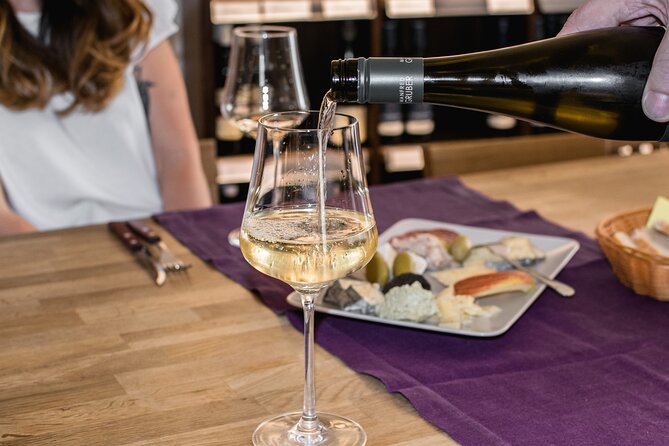
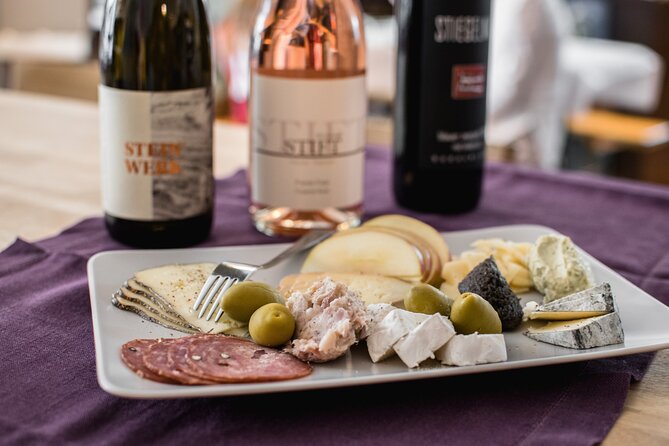
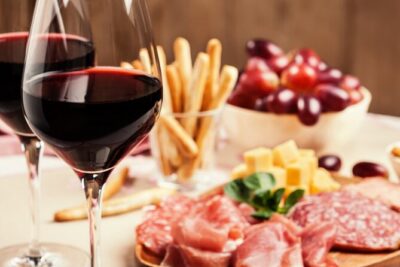
Each wine is paired with a small snack. The food is not presented as a full meal, so arrive having eaten if you are booking this around lunch or dinner. Think of the snacks as palate companions rather than a replacement for Salzburg dining.
The food received strong praise in several sessions. The snacks may include a prepared charcuterie-style tray, regional spreads, or small local specialties that you have not tried before. This is one of the more distinctive parts of the experience because the food gives you another way to understand the wine.
A salty bite can make a white wine seem brighter. A richer spread may soften a sharp edge. Even when the host does not give a detailed food explanation, tasting the pairing side by side helps you notice how wine behaves with food.
The amount can vary, and dietary details are not provided in the available information. If you have restrictions, ask the provider before booking rather than assuming substitutions are available.
More Wine Tours in Salzburg:
- Private Austrian Wine & Charcuterie Tasting Class with a Pro-Sommelière
★ 5.0 · 4 reviews - Wachau Valley Wine Tasting Bike Tour from Vienna
★ 5.0 · 829 reviews - Vienna: Swarovski House Tour with Champagne and Gift
★ 4.7 · 787 reviews - Countryside Half Day Wine Tour near Vienna
★ 5.0 · 545 reviews
The social side of a small Salzburg bar
The group limit is 10 people, which is a good size for conversation if the full group attends. You can ask questions without speaking to a room full of people, and the host has a chance to give personal attention.
A very small group can feel different. With only two people, the room may seem less lively and the host may offer less structured interaction. That can be pleasant if you want a quiet drink, but it may disappoint you if you expect a formal class.
The local bar setting also means you may meet people who are not part of the tasting. That can add an authentic Salzburg touch. Casual conversation with locals or other drinkers may lead to practical ideas about places to visit, eat, or drink. It is not guaranteed, but the setting allows it in a way that a private tasting room usually does not.
The mood is best described as informal. You should be comfortable with a little uncertainty. The experience does not appear built around a strict script, timed lecture, or elaborate presentation.
Standard tasting or premium wine-bar hop
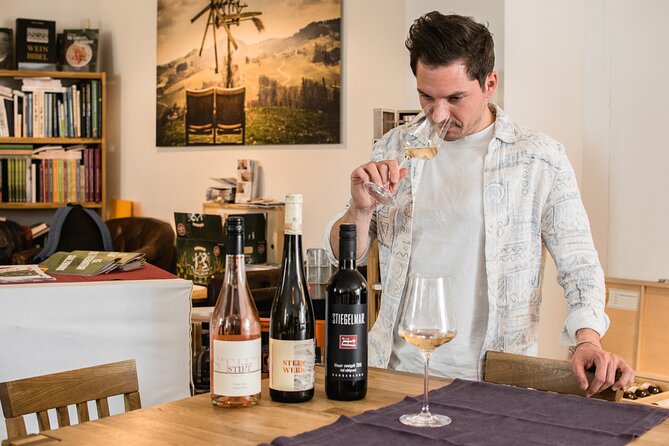
The basic option includes three wines and small snacks in about 45 minutes. That makes it easy to fit between Salzburg sights. You could schedule it before dinner, after a museum visit, or during a break from walking the historic center.
The premium option adds three more wines, more snacks, and another wine-bar stop. In effect, you receive a six-wine experience with a change of setting. This is the better choice if wine is a major reason for your time in Salzburg and you want more than a quick introduction.
The premium option also makes the price easier to assess. At the standard level, $45.27 per person is a fair price only if the host provides real guidance and the snacks are well presented. If the session is simply three pours with little explanation, the cost feels high.
With additional wines and another bar, the premium version offers more time, more comparison, and a better chance to meet other people. Still, the same host-dependent issue applies. More glasses do not automatically mean more insight. I would choose the premium option only if you genuinely want a longer drinking experience, not simply because six sounds better than three.
One note: a separate tasting account describes five wines and a festive atmosphere involving songs and historical storytelling. That may reflect a different session or the premium format. Do not assume those elements are part of every standard booking.
How much attention should you expect from the host?
The strongest sessions include a warm welcome, clear introductions, good wine, and neatly prepared snacks. A friendly owner can make the bar feel immediately comfortable, and an engaged wine expert can connect each glass to Austrian wine culture without drowning you in technical terms.
The weakest sessions fall short in a basic way. The host may pour the three wines, provide little information about the producer or tasting notes, and then step away. One account also describes a host who appeared more interested in drinking than teaching. That is not a minor flaw here, because the guided explanation is the main reason to pay a premium over ordering wine independently.
You can improve your odds by arriving ready to participate. Ask where the wine comes from and what makes it typical. Ask the host to compare the bottles. If you want red wine, say so. If you want more detail about Austrian regions, make that clear at the beginning.
The available information does not provide the wine expert’s name, so you should not expect a specific named guide. The provider is Wien mal anders, but the person leading your session may vary.
Timing, age, and practical details
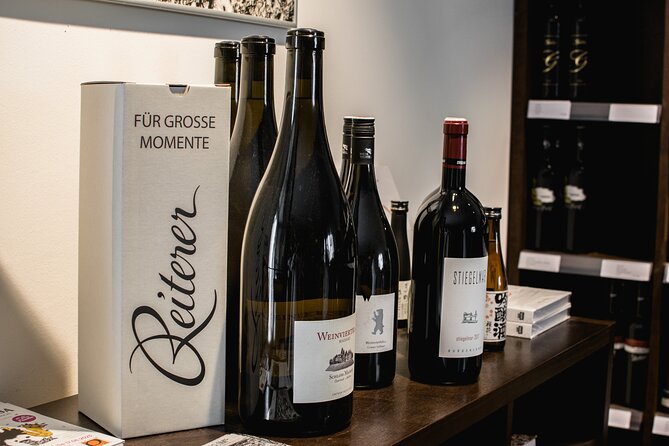
The tasting lasts approximately 45 minutes in its standard form. That is enough time for three wines and snacks, but not enough for a slow, formal class. Expect a brisk introduction rather than a full course in wine appreciation.
You must be at least 18 years old to drink. Most people can participate, and service animals are allowed. The activity is offered in English, which is useful if you do not speak German.
You receive confirmation when booking, and the ticket is mobile, so there is no need to print paperwork. The activity begins and ends at De Gustibus. Since drinking is involved, walking or public transportation is the sensible way to reach the meeting point.
Free cancellation is available if you cancel at least 24 hours before the start time. Changes or cancellations made inside that window are not accepted for a refund. Cutoff times follow local Salzburg time, so check the time carefully if you are arranging the activity during a busy trip.
Who will enjoy this experience most?
I would recommend the standard tasting to you if you want a short introduction to Austrian wine and prefer an informal bar to a formal wine school. It suits couples, small groups, and people who enjoy pairing drinks with local snacks.
It is also useful for a first evening in Salzburg. You can get a feel for Austrian wine before deciding which bottles to seek out during the rest of your trip. The central meeting point and short duration make it easy to combine with other plans.
The premium option suits you better if you already enjoy wine, want more tasting time, and like the idea of moving between bars. Six wines can provide a much better sense of Austrian styles than three, especially if the host explains the differences.
I would be cautious if your main goal is advanced wine education. You may receive a thoughtful presentation, but the experience does not guarantee detailed maps, producer background, structured tasting notes, or a consistent lecture. You should also reconsider if you want a dramatic secret-bar setting. The venue is a wine shop and bar on a main street, not necessarily a concealed cellar.
Should you book the Salzburg wine tasting?
Book it if you value good wine, small snacks, and easy conversation more than a polished production. The best version offers a friendly welcome, tasty food, and a useful look at Austrian bottles in a relaxed local setting. The chance to meet locals can be a genuine bonus.
Skip it if you would be frustrated by a host who gives only brief information or by a venue that feels ordinary. At $45.27, the standard session needs engaged hosting to feel worthwhile. If you book, ask questions, clarify the wine selection, and choose the premium option only when you want a longer bar experience.
For an easy, social introduction to Austrian wine, it is a reasonable Salzburg add-on. Just keep your expectations practical: this is a small tasting in a local shop, not a formal wine academy.
FAQ
Where does the wine tasting begin?
It begins at Wine Shop De Gustibus, Bergstraße 14, 5020 Salzburg, Austria.
Where does the activity end?
The activity ends back at the meeting point at De Gustibus.
How long does the standard tasting last?
The standard experience lasts approximately 45 minutes.
How many wines are included?
The standard option includes three wines. The premium option adds three more wines, for a total of six.
Are snacks included?
Yes. The tasting includes regional spreads and small local delicacies. The premium option includes additional snacks.
Is the experience offered in English?
Yes. The activity is offered in English.
What is the minimum drinking age?
The minimum drinking age for this activity is 18 years old.
More Drinking Tours in Salzburg
- Salzburg: Pubcrawl Tour through best Bars and Clubs in Town
★ 3.8 · 64 reviews - Salzburg: Stiegl Brewery Museum Entry Ticket & Beer Tasting
★ 4.0 · 35 reviews - Vienna: Guided Pub Crawl with Club Entry
★ 4.1 · 720 reviews - Vienna Nights Pub Crawl
★ 4.5 · 642 reviews
Recently added around Salzburg
- From Vienna: Austrian Lakes and Salzburg Private Tour★ 5.0 · 3 reviews
- Salzburg On the Traces of Mozart Private Tour★ 4.5 · 3 reviews
- Salzburg & “The Sound of Music” Full Day Driver-Guided Tour★ 5.0 · 3 reviews
- Salzburg für Salzburger★ 5.0 · 3 reviews
- Salzburg “Sound of Music” Private Driver-Guided Tour★ 5.0 · 3 reviews
- Private Tour: Discover Salzburg and the Stunning Lake District★ 5.0 · 3 reviews
- Private Bavarian Mountain Tour★ 4.3 · 3 reviews
- MONDSEE: The Strudelgirl – bake your Apple Strudel Dream★ 5.0 · 3 reviews
Food Tours in Salzburg, compared.
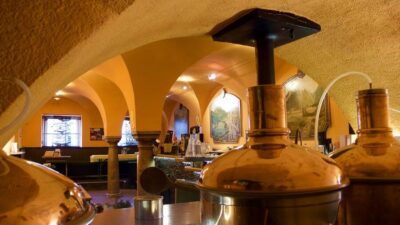
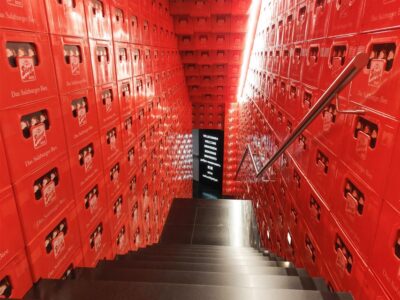
Stiegl Brewery Museum Entry Ticket & Beer Tasting
Read our review →
Private Austrian Wine & Charcuterie Tasting Class with a Pro-Sommelière
Read our review →
Private Austrian Food Tasting Tour in Salzburg’s Old Town
Read our review →Browse the lists this tour appears in