
Reviewed · INNSBRUCK TOURS
Innsbruck: Alpenzoo Entrance Ticket
The most interesting thing about Innsbruck’s Alpine Zoo is its focus: this is not a general zoo with a few mountain animals added on. It presents the wildlife of the Alps, from fish and frogs to wolves, brown bears, lynx, elk, and birds of prey, in habitats shaped around valleys, lakes, rocky slopes, and cold alpine regions.
I like the wide range of animals, with about 150 species spread through enclosures, aviaries, terrariums, and aquariums. I also like the strong conservation role, including endangered-species breeding programs and care for injured wild animals.
The main drawback is the sloped terrain. The zoo is wheelchair accessible in some ways, with wide paths and special tours, yet the activity information also says it is not suitable for wheelchair users. Anyone with limited mobility should confirm the route and bear-mobile arrangements before booking.
Key points to know before you go
- About 150 alpine species: See brown bears, lynx, wolves, elk, otters, fish, reptiles, and birds of prey.
- A zoo built around mountain habitats: Expect uphill and downhill paths through areas modeled on alpine valleys, lakes, cliffs, and icy regions.
- Spring is the best season for young animals: From April through June, look for young ibex, chamois, and deer.
- Conservation is part of the visit: The zoo supports European breeding programs and receives injured wildlife.
- Open all year: Most animals remain active in winter, although marmots, reptiles, and amphibians are less active or absent from view.
- A practical family stop: The on-site Animal Meal bistro offers small meals and drinks, with indoor and outdoor seating for about 150 people.
Why Innsbruck’s Alpine Zoo feels different
The Alpine Zoo is built around one clear idea: showing the animal life of the Alps in its own regional setting. That makes the visit more focused than a large city zoo with animals from every continent.
You move through several types of alpine habitat rather than simply walking from one isolated cage to another. The route includes green valley areas, quiet water habitats, rough mountain slopes, and colder regions that suit species adapted to high elevations.
The collection represents about 20 of the 80 alpine mammal species, around 60 of the 200 alpine bird species, and nearly all fish species found in the Alps. Those numbers give you a useful sense of scale. This is not an attempt to display every famous animal on earth. It is a close look at one part of Europe’s natural world.
That focus also makes the zoo a good choice after visiting Innsbruck’s old town or mountain attractions. You do not need specialist knowledge to enjoy it. The animals are the draw, but the regional theme gives the visit a stronger purpose.
A few more Innsbruck half-days to weigh up
- Wattens: Swarovski Crystal Worlds Entrance Ticket
★ 4.5 · 1,386 reviews - Tyrolean Evenings Family Gundolf in Innsbruck
★ 4.7 · 975 reviews - Swarovski Crystal Worlds Admission Ticket in Wattens
★ 4.0 · 859 reviews
Following the sloped route through alpine habitats
Plan on walking through a sloping site. You will encounter uphill and downhill sections as the zoo moves between habitats, so comfortable shoes are essential. Bring water, especially if you plan to stay for several hours.
The route is not a fixed guided tour with a named guide. You explore at your own pace during the one-day admission period, stopping where the animals are most active. That makes it easy to spend extra time with a favorite enclosure instead of being hurried along with a group.
The naturalistic design can make animal watching more rewarding, but it also means you may not see every animal immediately. Some species have space to move away from the path. That is part of a better habitat, though it requires patience.
The zoo includes wide paths, walk-in enclosures, and aviaries. Still, do not assume the entire route is level. The published information describes special tours for people with disabilities using a bear mobile, while also listing the activity as not suitable for wheelchair users. If this affects your plans, ask the provider about the current route and vehicle arrangements before paying.
Brown bears, lynx, wolves, and elk
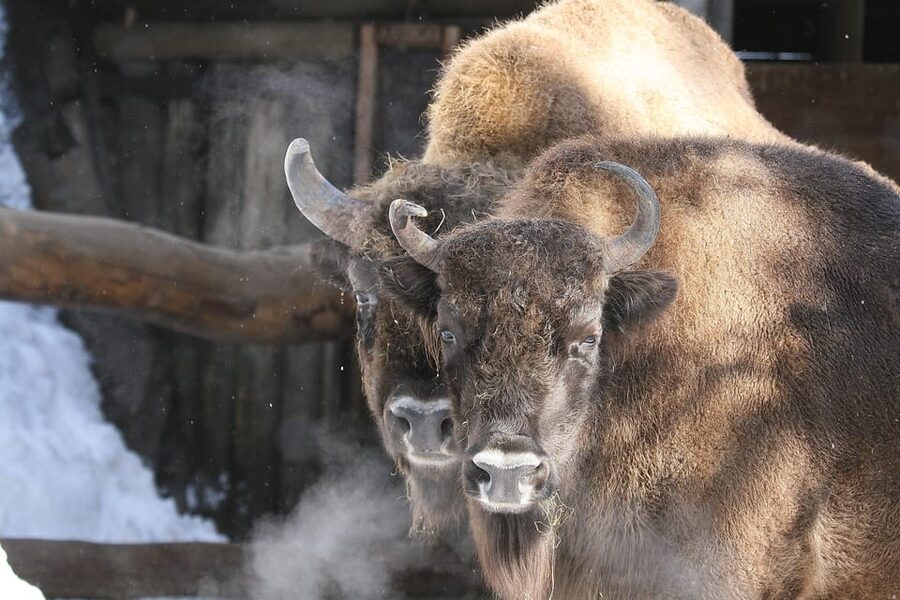
The larger mammals provide the obvious highlights. Brown bears, lynx, wolves, and elk are among the animals you can look for, and each gives the visit a different feel.
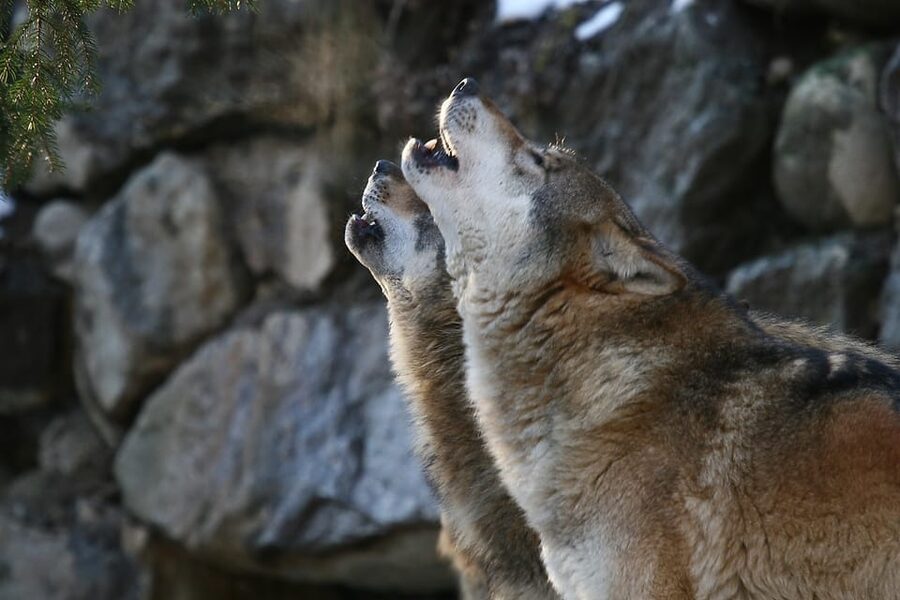
Brown bears are familiar symbols of the mountain world, but seeing them in a setting designed around alpine terrain helps place them in context. Wolves and lynx offer a chance to compare two very different predators. Wolves are social animals, while lynx are more secretive, so your viewing experience may depend on timing and luck.
Elk add another scale to the visit. Their size makes them easy to appreciate, especially for children who may already know them from books or wildlife programs. Otters bring a lighter moment, with water-based movement that can hold a child’s attention when the uphill walking begins to wear thin.
Do not plan the day around seeing one specific animal at close range. Zoo animals choose where to rest, and some may be less visible. The strength of this place is the full collection and the alpine setting, not a guarantee of constant action at every enclosure.
Birds of prey, fish, and smaller alpine life
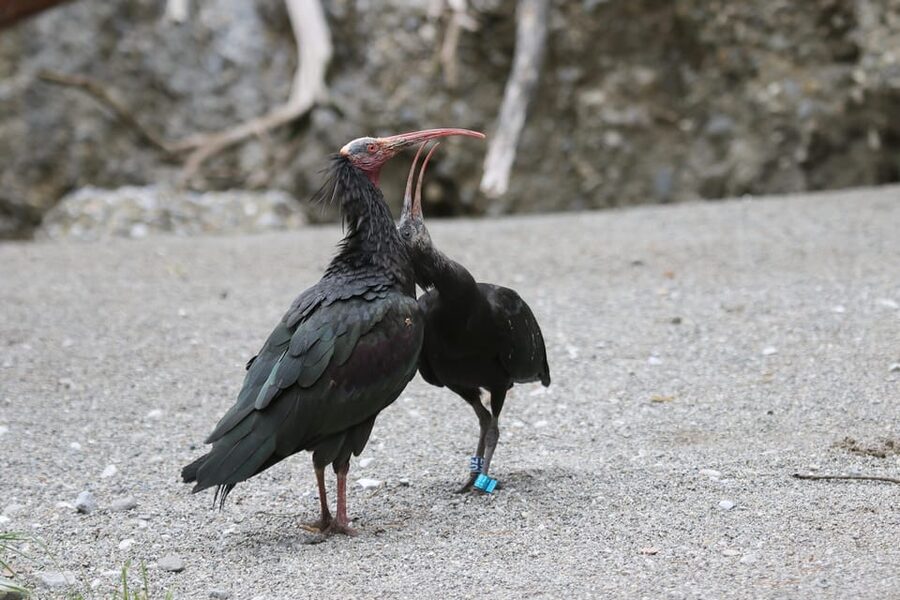
The bird collection is a major part of the visit. The zoo presents about 60 of the 200 bird species found in the Alps, including different birds of prey. Aviaries let you see these animals at a more natural scale than a small display would allow.
The fish collection deserves attention, too. The zoo features nearly all fish species found in the Alps, giving the visit a useful link to mountain streams and lakes. Aquariums and terrariums also bring you closer to animals that are easy to miss outdoors.
This range matters because alpine nature is not only about bears and wolves. Fish, amphibians, reptiles, insects, and small mammals make up much of the region’s living systems. The indoor displays can be especially useful during poor weather, when you may want a break from the open paths.
Winter has one important limitation. Marmots, reptiles, and amphibians are not active in the same way during the cold months. Most other animals remain active year-round, so a winter visit still works, but you should adjust your expectations for those species.
A different way to spend an afternoon here:
- Top of Innsbruck: Roundtrip Cable Car Ticket
★ 4.8 · 701 reviews - Innsbruck Swarovski Crystal Worlds Ticket and Transfer
★ 4.6 · 658 reviews - Combi Entrance Ticket to Alpine Zoo and Hungerburg
★ 4.5 · 637 reviews - Innsbruck: City Card Including Public Transport
★ 4.7 · 437 reviews
The best months for young animals
March brings signs of spring, especially among the birds. You may see courtship behavior and nest-building, which adds movement and purpose to the aviaries.
From April through June, the zoo’s young ibex, chamois, and deer are a seasonal highlight. This is likely the most appealing period for families, since young animals can make the visit feel fresh even if you have been to the zoo before.
Spring and early summer can also give you a better chance to see animals responding to milder weather. That said, the zoo is open daily throughout the year, including Sundays and public holidays. Winter is not a wasted season. Many animals remain active, and the quieter time of year may suit you if you prefer a less crowded outing.
The tradeoff is simple: choose spring for young animals and bird behavior, or choose winter for a year-round wildlife visit with fewer seasonal expectations. Summer gives you the longest opening hours, from 9:00 AM to 6:00 PM, while November through March closes at 5:00 PM.
Conservation beyond the viewing areas
The zoo’s conservation work gives the visit more substance than animal watching alone. It takes part in European Endangered Species Breeding Programs, known as EEP, and European Studbooks, known as ESB.
These programs coordinate breeding and records for threatened species across European institutions. In practical terms, the animals are part of wider efforts to maintain healthy populations rather than being collected only for display.
The zoo also serves as a reception center for injured wildlife. That role connects the attraction to the surrounding region. When wild alpine animals need care, the zoo contributes to their protection and possible recovery.
You may not see every part of that work during a normal self-guided visit, but it is worth keeping in mind as you move through the enclosures. The displays are not only about identifying animals. They also show why native species need protection as habitats and populations change.
How long to stay and what to bring
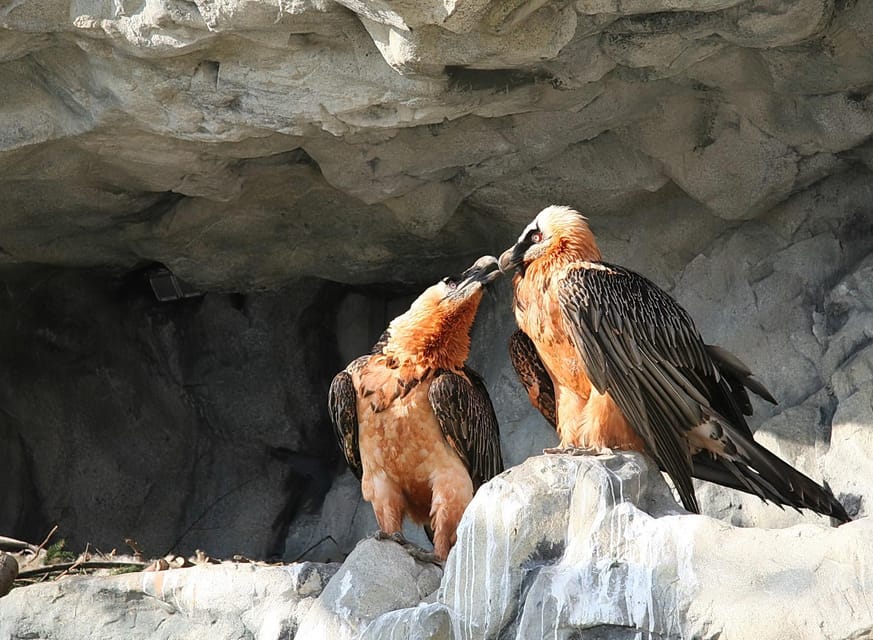
The ticket is valid for one day, and you can reasonably plan several hours here. A family could spend much of the day, especially if children stop at many enclosures and you take a meal break. The single visitor comment available describes the zoo as a place where you can spend a full day with children, which matches the range of habitats and species.
I would avoid rushing in for a short hour-long stop unless your schedule is tight. The site is sloped, and moving between areas takes time. A slower pace also improves your chances of seeing animals that are resting or keeping out of immediate view.
Bring:
- Comfortable shoes for the sloped paths
- Water and snacks
- Weather-appropriate clothing
- A camera
Smoking is not allowed, and pets cannot enter. Assistance dogs are permitted with proper documentation.
The Animal Meal bistro is useful when you need a break. It serves small meals and drinks and has indoor and outdoor seating for about 150 people. Meals and drinks are not included in the ticket, so keep a little extra money available if you plan to eat on site.
Is the $17 ticket good value?
At about $17 per person, the ticket is fairly priced for a full-day attraction, especially if you use the entire opening period. The value comes from the number of species, the regional focus, and the chance to return to areas during the same day if an animal is not visible at first.
It is a stronger buy for families and animal lovers than for someone looking for a quick photo stop. The collection includes enough variety to keep a longer visit interesting, while the bistro makes it easier to stay rather than leave for food.
The price does not cover meals, drinks, or parking. Those extra costs are easy to overlook, so include them in your day’s budget. The ticket does include access to all animal enclosures and special tours for people with disabilities.
Free cancellation is available up to 24 hours before the visit, and you can reserve now and pay later. That flexibility helps if your Innsbruck schedule depends on mountain weather or changing plans.
Who should book this zoo visit?
I would recommend the Alpine Zoo to families, wildlife fans, and anyone who wants a quieter, more local subject than a standard world-animal collection. It also works well for a full-day plan because you can set your own pace and take a food break without leaving the grounds.
It may not suit you if steep or sloped paths are difficult, if you have animal allergies, or if you have serious back problems. The activity information also lists it as unsuitable for pregnant women and wheelchair users, despite describing accessible paths and special bear-mobile tours. Get a clear answer about your needs before booking.
You should also choose your season with care. Spring offers nesting birds and young animals, while winter keeps most mammals and birds active but is less useful for seeing marmots, reptiles, and amphibians.
Should you book the Alpine Zoo?
Book it if you want a focused look at alpine wildlife, can manage sloped walking, and have at least several hours in Innsbruck. The combination of bears, lynx, wolves, otters, birds of prey, fish, and seasonal young animals gives the visit plenty of variety.
Skip it if you want a flat, quick attraction or a general zoo filled with animals from around the world. For most families, the $17 admission makes sense when you stay long enough to see several habitat zones and use the bistro break. If you visit in April, May, or June, your chances of seeing young ibex, chamois, and deer make the timing especially appealing.
FAQ
How much does the Alpine Zoo entrance ticket cost?
The ticket costs $17 per person.
How long is the ticket valid?
The ticket is valid for one day.
What are the Alpine Zoo’s opening hours?
From April through October, the zoo is open from 9:00 AM to 6:00 PM. From November through March, it is open from 9:00 AM to 5:00 PM.
Is the Alpine Zoo open every day?
Yes. The zoo is open daily, including Sundays and public holidays.
Which animals can I see?
You can see about 150 species, including brown bears, lynx, wolves, elk, otters, birds of prey, alpine fish, reptiles, and amphibians.
Are the animals active in winter?
Most animals remain active throughout the year. Marmots, reptiles, and amphibians are exceptions and are less active during winter.
When can I see young alpine animals?
From April through June, you may see young ibex, chamois, and deer. From March, birds may be courting and building nests.
Is the zoo wheelchair accessible?
The zoo has wide paths, walk-in enclosures, and special tours using a bear mobile for people with disabilities. However, the activity information also says it is not suitable for wheelchair users, so confirm the current arrangements before booking.
Are assistance dogs allowed?
Yes. Assistance dogs are allowed with proper documentation. Other pets are not allowed.
Are food and drinks included?
No. Meals and drinks are not included. The Animal Meal bistro sells small meals and drinks and offers indoor and outdoor seating.
Can I cancel the ticket?
Yes. You can cancel up to 24 hours in advance for a full refund. You can also reserve now and pay later.
Recently added around Innsbruck
- CITY QUEST INNSBRUCK: uncover the secrets of this city!★ 5.0 · 3 reviews
- Innsbruck Old town walking tour★ 4.5 · 3 reviews
- Ötztal: Guided Cave Tour for Beginners★ 5.0 · 3 reviews
- Innsbruck: Christmas Tour with a licensed guide★ 5.0 · 3 reviews
- Linderhof palace from Innsbruck, drive and guide★ 4.5 · 3 reviews
- Innsbruck: Walking Traditional Food Tour★ 5.0 · 4 reviews
- Food Tour : Culture & Culinary in Innsbruck’s Old Town★ 5.0 · 4 reviews
- Innsbruck Old Town Highlights Private Walking Tour★ 5.0 · 4 reviews
Innsbruck Tours, compared.
Swarovski Crystal Worlds Admission Ticket in Wattens
Read our review →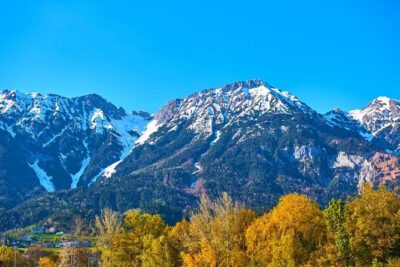
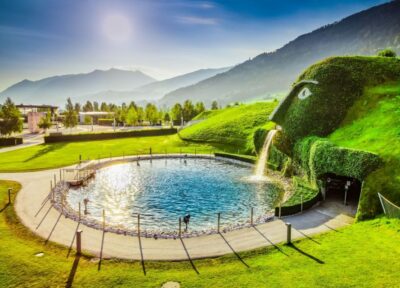
Innsbruck Swarovski Crystal Worlds Ticket and Transfer
Read our review →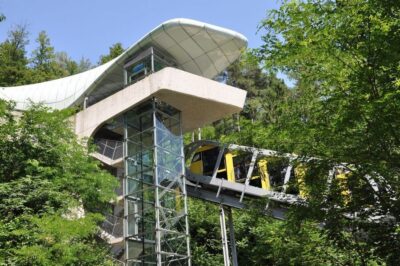
Combi Entrance Ticket to Alpine Zoo and Hungerburg
Read our review →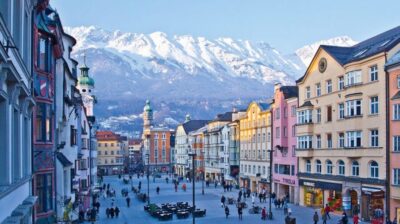
Browse the lists this tour appears in