
Reviewed · FOOD TOURS IN VIENNA
Vienna: Austrian Wine Tasting
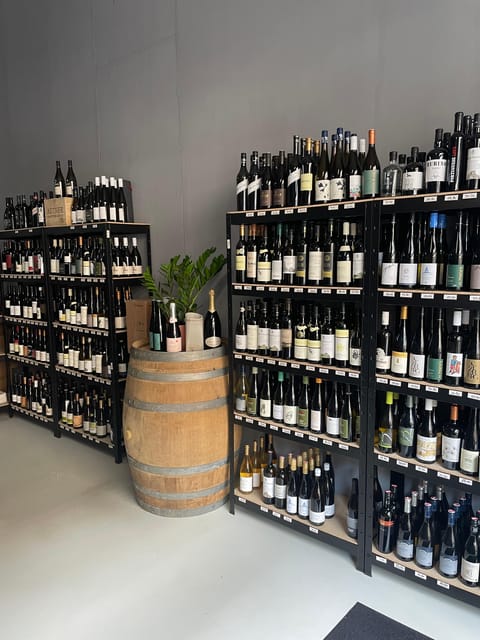
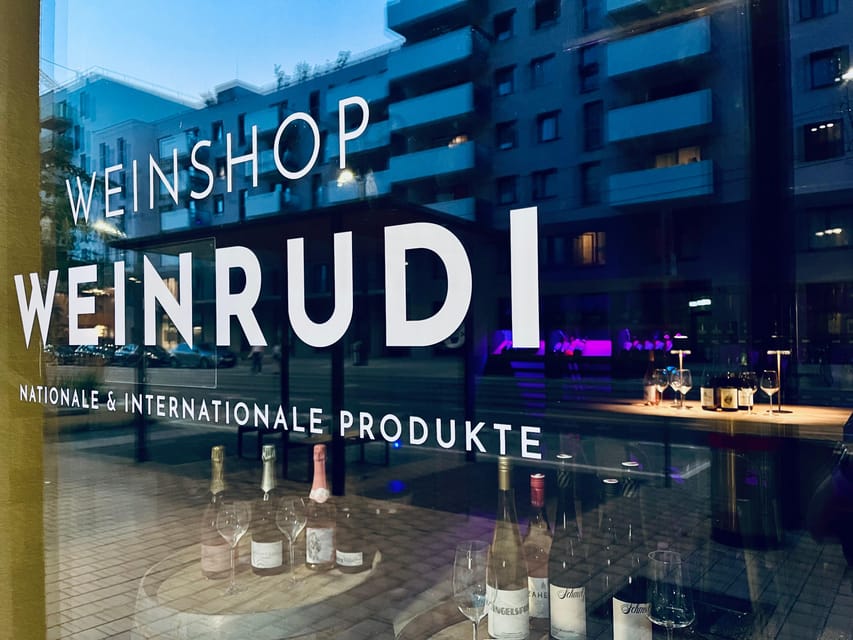
Austrian wine gets its own clear, focused afternoon at Weinrudi, a wine shop near Vienna’s Prater. Over about two hours, Rudi guides you through six wines, from Vienna’s Wiener Gemischter Satz DAC to Wachau Grüner Veltliner and Kremstal Riesling.
I like the small group of eight and the generous tasting pours. I also like the way the session links each bottle to Austria’s wine regions instead of treating wine as a parade of labels. The main drawback is that this is a shop tasting, not a visit to a vineyard, and one reported cancellation caused real trouble for the people who arrived.
Austrian Wine Tasting at Weinrudi is a good fit if you want useful wine knowledge without spending a full day outside Vienna. The experience has a rating of 4.8 from 13 ratings, with particular praise for Rudi’s friendly teaching style and the amount of wine served.
Key points at a glance
- Six Austrian wines plus Frizzante: The tasting begins with a welcome glass and moves through leading bottles from several Austrian regions.
- Rudi leads the session: A graduate of the Wine Academy presents the wines in English or German and explains tasting methods in plain terms.
- Vienna appears in the glass: You taste Wiener Gemischter Satz DAC, a local style that gives the city’s wine identity a place at the table.
- Bread, snacks, and water are included: These help you taste carefully and keep the alcohol from arriving on an empty stomach.
- Limited to eight people: The small format should make questions easier and conversation more natural.
- Near the Prater and Giant Ferris Wheel: You can pair the tasting with one of Vienna’s best-known attractions, though pickup is not included.
Why this tasting is different from a basic wine flight
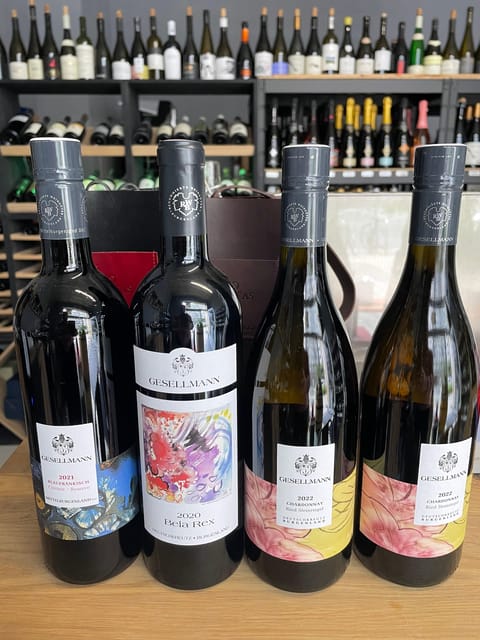
Many wine tastings give you a list of pours and a few broad comments. This one is meant to explain how Austrian wine fits together. You learn about the country’s main wine-growing areas, its best-known grape varieties, and the styles associated with them.
That regional link matters. Austrian wine is not one single taste. The bottle from Vienna represents the city’s own mixed-vineyard tradition. Grüner Veltliner from the Wachau gives you a chance to consider Austria’s most famous white grape in one of its best-known regions. Riesling from the Kremstal brings another comparison, with the focus shifting to a different grape and place.
I like this structure because it gives you a way to remember what you taste. Instead of trying to memorize six labels, you can ask: Is this a Vienna wine, a Wachau wine, or a Kremstal wine? Which grape is in the glass? What changes from one region to the next?
The session also covers wine tasting techniques. You do not need formal training. Rudi’s role is to help you look, smell, taste, and compare with more confidence. That makes the tasting useful even if you are new to wine.
More Food Tours in Vienna
- Vienna: Chocolate Workshop in Chocolate Museum w/ Tasting
★ 4.5 · 1,802 reviews - Vienna for Food Lovers: Cafés, Markets & Austrian Cuisine
★ 5.0 · 1,063 reviews - Wachau Valley Wine Tasting Bike Tour from Vienna
★ 5.0 · 829 reviews
Meeting Rudi at Bruno-Marek-Allee 11
You meet directly at Weinrudi, at Bruno-Marek-Allee 11 in Vienna’s second district. There is no hotel pickup, so allow enough time to reach the shop on your own. The meeting point is especially handy if you are already planning to visit the Prater or the Giant Ferris Wheel.
The location gives the activity a local, everyday feel. You are not being taken to a staged wine show or a distant estate. You are entering a working wine shop in the city and spending time with someone whose job is to understand and present wine.
The shop will be open for the scheduled meeting. Still, I would check your booking time carefully and arrive promptly. One serious complaint involved a cancellation that was not passed on before arrival. The provider later said the host had faced a medical emergency and had informed the booking company, but the customer only found the shop closed. That appears to be an isolated service failure, but it is worth checking for any last-minute message on the day of your tasting.
The opening Frizzante sets the pace
The tasting starts with a welcome glass of Frizzante. This is a light, sparkling aperitif that gives the session an easy beginning and lets you settle in before the still wines arrive.
The opening drink is more than a pleasant extra. It creates a clear starting point for comparison. After a glass with bubbles and fresh lift, you can pay attention to how the still wines feel different in the mouth.
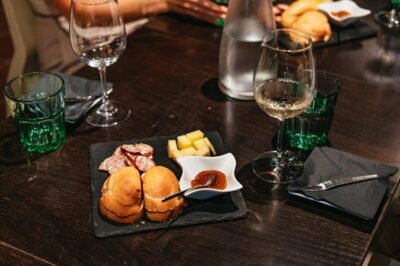
Bread, snacks, and water are included throughout the activity. The snacks have been described as a platter of bread, meats, and cheese, though the exact selection may vary. This is useful with six pours, particularly if you are tasting in the afternoon or have come straight from sightseeing.
Use the water. Wine tasting is easier when you take small sips, pause between glasses, and drink water along the way. You are not expected to finish every pour simply because it is in front of you, and you can focus more clearly when you pace yourself.
Six glasses, three important Austrian regions
The main tasting includes six generous wine samples from leading and award-winning winemakers. The precise order can vary, but the listed selection gives you a good idea of the session’s scope.
More Wine Tours in Vienna:
- Vienna: Swarovski House Tour with Champagne and Gift
★ 4.7 · 787 reviews - Countryside Half Day Wine Tour near Vienna
★ 5.0 · 545 reviews - Wachau Valley Small-Group Tour and Wine Tasting from Vienna
★ 5.0 · 540 reviews - From Vienna: Half-day Countryside Wine Tour with Meal
★ 4.7 · 526 reviews
Wiener Gemischter Satz DAC from Vienna
Vienna is unusual among major European capitals because wine-growing is part of the city itself. Wiener Gemischter Satz is closely linked to that identity. It is made from several grape varieties grown together in one vineyard and harvested together, rather than blended only after separate wines are made.
You do not need to remember every grape in the bottle to appreciate the point. The wine lets Rudi explain how Vienna’s vineyards differ from a single-variety wine and why this local style matters. It is a useful first regional example because the city outside the shop is part of the story.
Grüner Veltliner Ried Pichl Point from the Wachau
Grüner Veltliner is Austria’s best-known grape, and the Wachau is one of the country’s most famous wine areas. The Ried Pichl Point bottle gives the tasting a specific vineyard reference rather than a broad regional label.
This is where the session can help you shop for wine later in your trip. You can learn what to look for when you see Grüner Veltliner on a restaurant list or in a Vienna wine shop. Rather than treating the grape as an abstract name, the tasting connects it to the Wachau and to a named vineyard site.
Riesling Handwerk from the Kremstal
The Kremstal example shifts the focus to Riesling and another Austrian wine region. Tasting it beside Grüner Veltliner helps you notice the difference between grape variety and regional character.
Rudi can also use this bottle to explain Austrian wine labels and the way quality wines are identified. The value here is comparison. A single glass can be pleasant, but several related wines make it easier to understand what your palate is noticing.
The remaining pours complete the representative selection. You are promised six quality Austrian wines, not just the three named examples. They are chosen from notable winemakers, so the session is designed to show range rather than repeat the same style six times.
A relaxed teaching style, not a stiff lecture
The strongest praise for this activity focuses on Rudi’s presentation. He is described as friendly, funny, and able to explain both the wines and their background without making the room feel formal.
That tone matters. Wine can become tiring when every sip comes with a technical speech. Here, the presentation appears to leave room for conversation. One account describes Rudi discussing French wine after hearing about a visit to Saint-Émilion, showing that he can widen the discussion beyond Austria when your interests take you there.
The session is offered in English or German. If you want to ask detailed questions, a small group helps. With no more than eight participants, you have a better chance of speaking up, asking about a grape, or returning to a wine you found interesting.
The format can also be flexible. One especially long afternoon grew beyond the planned six wines after Rudi offered additional bottles, including a Spanish wine. That should not be treated as a guaranteed part of every booking. It does show that the shop can have a social, conversational character when timing and circumstances allow.
You should plan on the stated tasting rather than expect extras. The official experience includes a welcome Frizzante and six glasses. Anything beyond that is at the host’s discretion and may depend on other bookings.
About 1.5 to 2 hours in the wine shop
The scheduled wine portion is listed as about 1.5 hours, while the full presentation is described as approximately two hours. In practice, allow roughly two hours so you are not rushing to your next appointment.
That length works well for a city break. You get enough time to compare six wines, but you are not committing an entire day to a distant wine region. It also leaves room to visit the Prater before or after the tasting.
The exact balance between teaching, tasting, and conversation may change with the group. A quiet group may ask more questions. A lively group may spend longer discussing particular wines. The small size makes that flexibility possible, though it also means the experience depends quite a bit on the host and the people sharing the table.
Is $81 a fair price?
At $81 per person, this is not a bargain if you measure the activity only by the volume of wine. You are paying for six tasting glasses, a welcome Frizzante, food to accompany the wine, and an expert-led presentation in central Vienna.
I think the price is fair for people who want context as well as alcohol. Six good wines purchased individually could add up quickly, especially when the bottles come from leading winemakers. You also avoid arranging transport to several wineries and can fit the tasting into a day of sightseeing.
The value is strongest for curious drinkers. If you already know Austrian wine well and only want to drink without instruction, you may find the price less attractive. If you want to understand the difference between Vienna, Wachau, and Kremstal, the guided comparisons make the fee easier to justify.
The generous pours deserve a note of caution. One customer found the samples so ample that walking home became difficult. That is a reminder to eat, use the included water, and avoid scheduling a demanding activity immediately afterward.
Who should book this wine tasting?
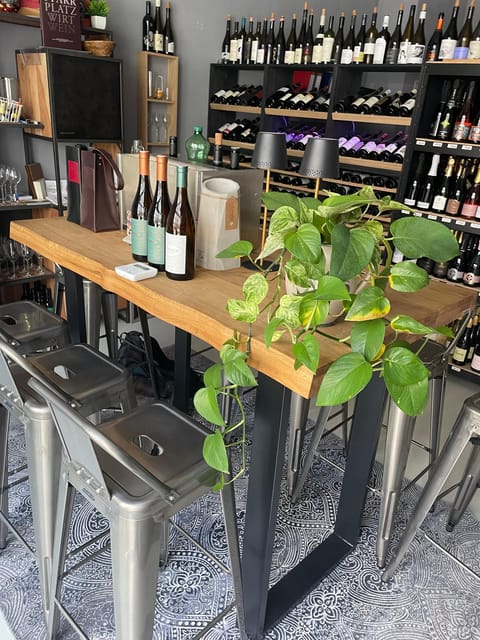
I would recommend it to adults who want a compact introduction to Austrian wine while staying in Vienna. It is especially useful for:
- First-time visitors who want to order Austrian wine with more confidence
- Couples looking for a social afternoon near the Prater
- Wine drinkers who enjoy asking questions and comparing regions
- People who prefer a shop-based tasting to a full countryside excursion
- Visitors who want an English-language wine activity in a small group
This is not suitable for children under 18 or pregnant women. People with a cold are also asked not to attend, which makes sense for a tasting built around smell and taste.
The activity is wheelchair accessible. Because there is no pickup, you still need to arrange your own route to Bruno-Marek-Allee 11.
Making the Prater part of your plan
The second district gives you an easy pairing option. The Prater and its Giant Ferris Wheel are nearby attractions, so you can build a half-day around the tasting without crossing the whole city.
You might visit the Prater first, then arrive at Weinrudi with time to spare. Or schedule the tasting before a walk and a ride on the Ferris Wheel. Keep the wine’s effect in mind if you plan anything that requires concentration or a long journey afterward.
Because the experience begins and ends at the wine shop, it does not include sightseeing commentary or transportation between attractions. That is a limitation, but also a strength for independent visitors who prefer to control the rest of the day.
Booking flexibility and one practical warning
You can cancel up to 24 hours before the activity for a full refund, and the reserve-now, pay-later option lets you hold a place without paying immediately. The activity is valid for one day, with start times shown according to availability.
For a small group capped at eight, check availability early if your Vienna dates are fixed. The limited size is part of the appeal, and there may not be many seats at each start time.
I would also check your messages on the day of the tasting. The one reported cancellation problem involved poor communication between the host and booking company. A quick confirmation can save you an unnecessary trip across Vienna.
My verdict on Weinrudi
I like this activity because it gives Austrian wine a human scale. You sit in a Vienna wine shop, taste a short but useful selection, and learn enough about the regions and grapes to make your next restaurant order more interesting.
The best parts are Rudi’s warm teaching style, the small group, and the generous spread of wine and snacks. The limits are just as clear: you are not visiting vineyards, pickup is not included, and the tasting depends on the scheduled host being available.
Book it if you want a relaxed, educational introduction to Austrian wine and you value conversation over scenery. Skip it if you want a full countryside wine tour, a tightly timed sightseeing program, or simply a quiet drink without instruction. For most adult wine-curious visitors in Vienna, $81 is a reasonable price for two hours of tasting, regional context, and a useful start to understanding Austria in the glass.
FAQ
Where does the Austrian wine tasting take place?
The tasting takes place directly at Weinrudi, at Bruno-Marek-Allee 11 in Vienna’s second district.
How long does the experience last?
The presentation lasts approximately two hours. The wine tasting portion is listed as about 1.5 hours.
How many wines are included?
You receive six glasses of wine, along with a welcome glass of Frizzante.
What food and drinks are provided?
Bread, snacks, and water are included. The snacks may include items such as bread, meats, and cheese.
Which Austrian wines might I taste?
The listed examples include Wiener Gemischter Satz DAC from Vienna, Grüner Veltliner Ried Pichl Point from the Wachau, and Riesling Handwerk from the Kremstal.
Is the tasting available in English?
Yes. The live guide can present the experience in English or German.
How many people can join the group?
The tasting is limited to eight participants.
Can I cancel the booking?
You can cancel up to 24 hours in advance for a full refund. A reserve-now, pay-later option is also available.
Recently added around Vienna
- Vienna: Private tour Mauthausen and Linz★ 4.1 · 3 reviews
- 2-Day Prague Tour from Vienna with private Transfers and Lunches★ 5.0 · 3 reviews
- Vienna Self Guided Sherlock Holmes Murder Mystery Game★ 4.5 · 3 reviews
- Vienna Private Schönbrunn Palace Tour, Extra Rooms and Gardens★ 5.0 · 3 reviews
- Salzburg and Lake Region Private Day Trip from Vienna★ 5.0 · 3 reviews
- Small-group Vienna Wine Tour★ 5.0 · 3 reviews
- True Crime mobile puzzle rally Vienna★ 4.0 · 3 reviews
- Exploring the Gutenstein Alps★ 5.0 · 3 reviews
Food Tours in Vienna, compared.
Chocolate Workshop in Chocolate Museum w/ Tasting
Read our review →
Vienna for Food Lovers: Cafés, Markets & Austrian Cuisine
Read our review →
Wachau Valley Wine Tasting Bike Tour from Vienna
Read our review →
Gerstner KuK Hofzuckerbäcker Baking Show & Tasting
Read our review →
Authentic Vienna Food Tour inc. lunch, street food, 3 drinks
Read our review →
Wachau Valley Small-Group Tour and Wine Tasting from Vienna
Read our review →
Wine Tasting Experience in a Private Wine Cellar
Read our review →Browse the lists this tour appears in