
Reviewed · FOOD TOURS IN VIENNA
Viennese Wine Tasting in a Private Hidden Wine Cellar
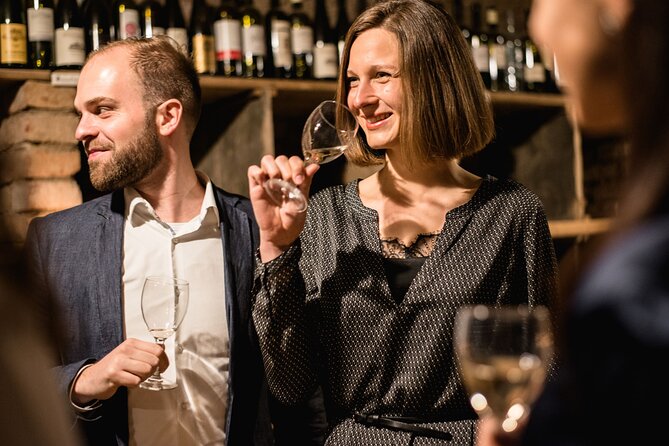
Vienna’s wine story gets most interesting below street level. At Haas & Haas, you descend several floors beneath a central delicatessen into an old cellar linked to the city’s long wine tradition, then taste three Austrian wines at a table underground. Cornelius and Bernie are the guides most often named for their clear, friendly presentations.
I like the small-group setting, which lets the guide adjust the talk for first-time tasters and seasoned wine drinkers. I also like the practical pairing of wine with bread, cheese, meats, and local spreads. The main catch is value: three pours in roughly 45 minutes may feel brief if you expect a full vineyard tour or generous glasses.
Key points at a glance
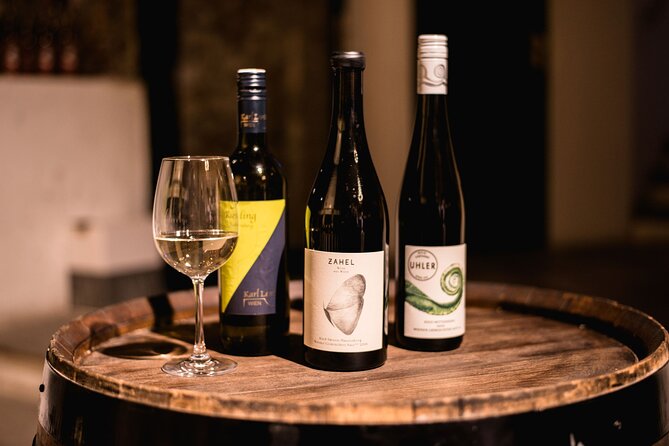
- Three Austrian wines: Expect a guided tasting of Viennese and other regional wines, often covering different grapes and styles.
- Several floors underground: The cellar is the main attraction, with old passages and rooms beneath the Haas & Haas shop.
- Food pairing included in some options: Bread, cheese, salami, meats, dips, and local spreads may accompany the wines.
- Guides who explain, not just pour: Cornelius and Bernie are praised for making Austrian wine approachable.
- Small maximum group: The experience accepts no more than 12 people, though some departures may be much smaller.
- Two formats: Choose the standard guided tasting or a 30-minute self-guided cellar visit with one glass of local wine.
Why Vienna’s wine story begins underground
Vienna is unusual among European capitals because vineyards are still cultivated within the city itself. Around 700 hectares of vines grow inside the urban area, and viticulture here reaches back to the Romans, who occupied the region about two thousand years ago.
That background gives the cellar visit a useful purpose. You are not simply sampling Austrian wine in a shop. You are learning why wine belongs to Vienna’s identity, how old underground spaces fit into the city, and how local wine differs from bottles produced elsewhere in Austria.
The experience takes place at Haas & Haas wine and delicatessen on Ertlgasse 4 in Vienna’s 1010 district. This is a central meeting point, near public transportation and easy to combine with a day of sightseeing. The shop itself sells wine and specialty foods, so you can browse before or after the tasting.
The cellar is the real setting. Several accounts describe going about three floors down, with some sections dating back roughly 300 to 400 years. The supplied information also connects the underground spaces with Roman-era layers and old commercial rooms beneath the city. You should think of it as an atmospheric historic cellar, not a modern winery with barrels, vineyards, and production equipment.
More Food Tours in Vienna
- Vienna: Chocolate Workshop in Chocolate Museum w/ Tasting
★ 4.5 · 1,802 reviews - Vienna for Food Lovers: Cafés, Markets & Austrian Cuisine
★ 5.0 · 1,063 reviews - Wachau Valley Wine Tasting Bike Tour from Vienna
★ 5.0 · 829 reviews
The walk down to the old cellar
The activity begins at the shop, where your guide gathers the group and leads you below street level. The descent is part of the story. Instead of walking through a polished exhibition, you move through genuine underground rooms associated with old Vienna.
The cellar is described as extensive, with tunnels and lower levels that continue beyond the main tasting area. One account wished for access to the deepest section, so the exact route can vary. You should expect to see an interesting portion of the cellar rather than every passage beneath the building.
At the tasting table, the group settles in for the wine presentation. Some sessions have had as many as 11 participants, while others have been nearly private because only one booking was present. The official maximum is 12 people. That is small enough for questions, although a larger departure may feel less personal than a two-person visit.
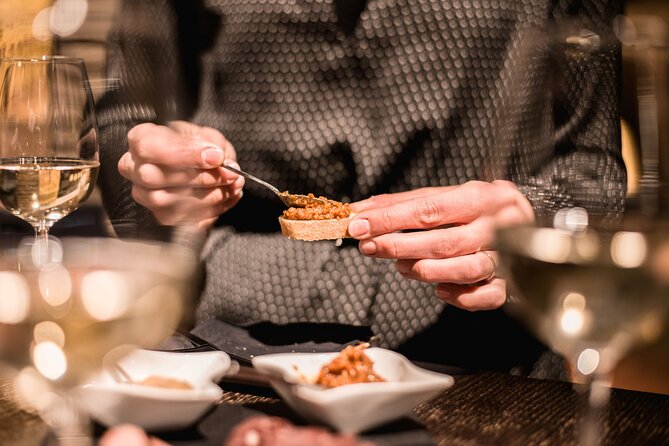
The setting is plain and atmospheric. The cellar may be largely empty apart from the long tasting table, but that is part of its appeal. The old walls and low underground rooms provide a stronger sense of place than a standard bar or shop counter.
Three pours, with Austrian grapes in the spotlight
The standard tasting includes three different wines. The selection can range from classic Viennese bottles to wines from other Austrian regions, so you get a wider introduction than the city label alone might suggest.
Past tastings have included two whites and one red. The specific bottles can change, but the basic idea is variety. You may compare different grapes, regions, aromas, and finishes rather than drink three versions of the same style.
One bottle mentioned was Cabernet Franc, which pleased a participant who especially enjoyed the red. Other tasters favored the first white. These details suggest that the tasting is not limited to the best-known Austrian white wine styles, though you should not assume those exact bottles will appear on your date.
The guide explains each wine as it is poured. You will hear about Austrian grapes, growing regions, wine-making traditions, and the guide’s own observations about what appears in the glass. This is useful if you are new to Austrian wine because the discussion gives you words for what you are tasting without requiring prior training.
I like the format for a first tasting. The guide can explain basic ideas, then add more detail for people who already know wine. Cornelius is particularly praised for including both beginners and experienced drinkers, keeping the pace moving without turning the session into a lecture.
The pours are tasting portions, not full glasses. That is appropriate for comparing three wines, but it is also the experience’s clearest limitation. If you want a long afternoon of drinking, this will feel short. One participant wished for a heavier pour or a second glass, and another would have liked the chance to buy a full glass of a favorite afterward.
You may be able to stay at the shop and enjoy a glass after the tasting, but the supplied details do not promise that the tasted wines will always be available by the glass. Ask on the day if a particular bottle catches your interest.
Local snacks make the tasting more useful
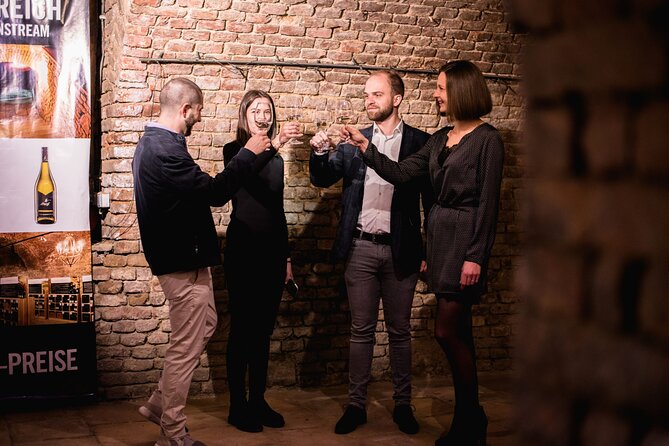
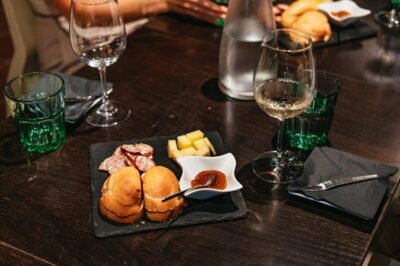
Food is not an afterthought here. The pairing can include Viennese spreads and delicacies, bread, cheese, beef salami, meats, and dips. The exact plate depends on the selected option and the available in-house products.
The portions are intended to support tasting rather than replace lunch. Some participants found the plate just right, while others wanted more. If you arrive hungry, eat beforehand or plan a meal afterward. You will receive something savory, but do not book this as a food tour.
The snacks help you understand the wines. A salty meat, creamy spread, or piece of bread can change how a wine tastes, and the guide may use the pairing to explain that contrast. It also gives the group a natural way to talk while keeping the experience relaxed.
Pay close attention when booking because the inclusions vary by option. Snacks and alcoholic tastings are listed as included only if that option is chosen. The self-guided format includes a cellar visit and one glass of local wine, but it is not the same as the full three-wine presentation.
More Wine Tours in Vienna:
- Vienna: Swarovski House Tour with Champagne and Gift
★ 4.7 · 787 reviews - Countryside Half Day Wine Tour near Vienna
★ 5.0 · 545 reviews - Wachau Valley Small-Group Tour and Wine Tasting from Vienna
★ 5.0 · 540 reviews - From Vienna: Half-day Countryside Wine Tour with Meal
★ 4.7 · 526 reviews
The guide makes or breaks a short tasting
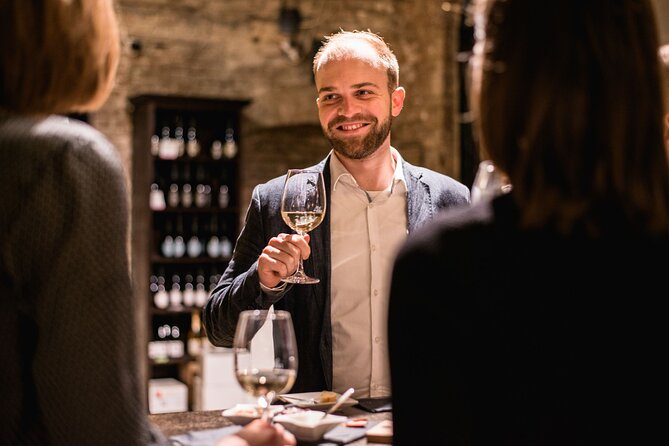
The strongest part of this activity is the human presentation. Cornelius is repeatedly singled out for his enthusiasm, clear explanations, and ability to connect wine with Vienna’s past. Bernie is also praised for a warm and informative approach.
That matters because the experience is compact. In 45 minutes, the guide must cover the cellar, local history, Austrian wine regions, grape varieties, and three tastings. A rushed presenter could make the session feel like a series of facts. A good one gives you enough context to remember what you drank and why it mattered.
Most of the available feedback describes the guides as friendly, engaging, and easy to follow. One negative experience involved a guide speaking too quickly, so communication style may vary. If you have trouble hearing or following the pace, ask the guide to slow down. The group setting also matters. Loud side conversations can make a short presentation harder to follow.
English is the advertised language. The activity is capped at 12 people, and the guide generally encourages questions and group participation. You do not need wine knowledge to enjoy it, but you should be ready for an educational tasting rather than a silent flight of samples.
How much value do you get for $22.93?
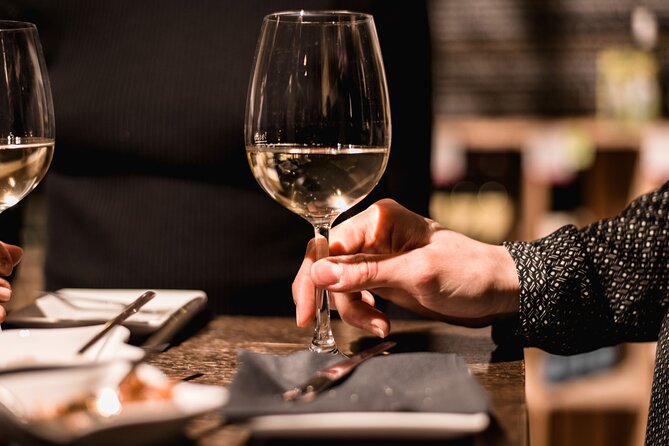
At $22.93 per person, the price is attractive for central Vienna if you value the cellar access and guided explanation. You receive admission to the cellar, three tastings in the guided format, and snacks when that option is selected. The location also saves you the time and cost of traveling out to a vineyard.
The value is less obvious if you measure the ticket only by wine volume. Three small pours in about 45 minutes do not equal a full wine flight at a country estate. You are paying for the setting, the guide, the historical context, and the chance to sample Austrian wines in a place that is not normally open as a public attraction.
I would call it a good-value introduction, not a full wine day. For a couple with a free hour between museums, the price makes sense. For serious wine drinkers seeking production details, vineyard views, or several full glasses, it may feel limited.
The self-guided option changes the calculation. It offers a shorter 30-minute cellar visit with one local glass and an audio guide. It may suit you if you prefer moving at your own pace, but remember to bring your smartphone. Your own headphones are recommended for better audio, and headphones are not supplied.
Timing, access, and practical planning
The standard experience lasts approximately 45 minutes. Some sessions have run closer to an hour, particularly when the guide has time for questions or the group is engaged. Still, leave room in your schedule rather than planning a tight museum entry immediately afterward.
The meeting point is Haas & Haas wine and delicatessen, Ertlgasse 4, 1010 Vienna. The tour ends at the same location. Since the activity stays in central Vienna, it works well as a break from sightseeing rather than a separate day trip.
There are a few floors to climb, and the activity is not suitable for people with mobility issues. The cellar route may involve stairs and uneven underground spaces. Service animals are allowed, and most people can participate, but anyone who finds repeated stair climbs difficult should choose another wine experience.
Confirmation arrives when you book. Free cancellation is available if you cancel at least 24 hours before the start time. Changes or cancellations inside that window are not accepted for a refund.
The activity is offered in English and uses mobile tickets. If you select the audio-guide format, bring your phone and, ideally, headphones. The guided tasting does not require wine expertise or special equipment.
Who should book this cellar tasting?
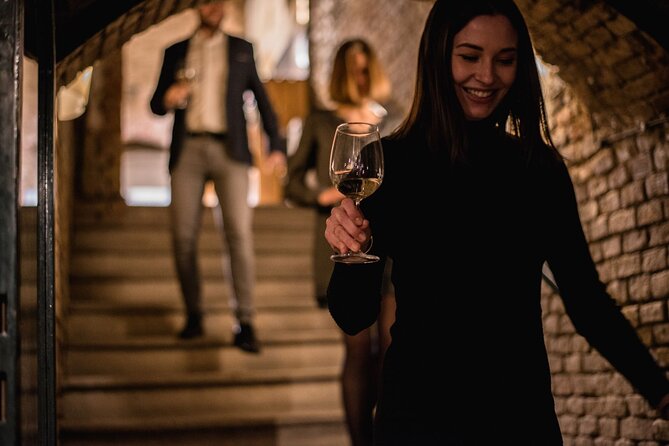
I would recommend it to you if you want a short, central Vienna activity with three Austrian wines and a strong sense of place. It suits couples, solo visitors, and small groups who enjoy learning a little while tasting. The cellar gives the experience more character than a normal shop tasting.
It is also a good choice for first-time wine tasters. The guide explains the wines, the grapes, and the local context without assuming that you already know the difference between Austrian regions. The food plate gives you something familiar to eat while you get used to tasting.
You may want a different activity if you expect vineyard scenery, a winery production tour, a large meal, or generous wine portions. This is an underground city experience with wine, not a rural estate visit. The cellar is the star, and the tasting is a compact way to make sense of it.
The 30-minute self-guided version is best for you if time is tight or you prefer audio commentary. Choose the guided option if the wine itself is your main reason for booking. The live guide adds explanations, questions, and comparisons that an audio tour cannot easily match.
Should you book the Vienna wine cellar experience?
Yes, if you want an affordable introduction to Austrian wine in a genuinely old setting. The combination of Vienna’s Roman-era wine roots, several levels of underground cellar, three varied pours, and local snacks gives you more substance than a quick drink at a bar.
I would book it early if your schedule is fixed, since the experience is commonly reserved about 33 days ahead. Select the food and wine inclusions carefully, expect tasting-size pours, and allow for stairs. If those limits suit you, this is a smart one-hour addition to a Vienna itinerary and a pleasant way to discover that the city’s wine culture is not confined to the countryside.
FAQ
Where does the wine tasting begin?
It begins at Haas & Haas wine and delicatessen, Ertlgasse 4, 1010 Vienna, Austria.
Where does the activity end?
The experience ends back at the meeting point at Haas & Haas.
How long does the guided tasting last?
The guided tasting lasts approximately 45 minutes. Some sessions have lasted about an hour.
How many wines are included?
The guided tasting includes three different Viennese or Austrian wines when the tasting option is selected.
Are snacks included?
Snacks are included only with the option that specifies them. Possible pairings include local spreads, bread, cheese, meats, salami, and dips.
Is there a self-guided option?
Yes. The self-guided cellar option lasts about 30 minutes and includes an audio guide and one glass of local wine when that option is chosen.
What should I bring for the audio guide?
Bring your smartphone. Your own headphones are recommended for the best audio experience, and headphones are not provided.
Is the cellar suitable for people with mobility issues?
No. The activity involves climbing several floors, so it is not suitable for people with mobility issues.
Recently added around Vienna
- Vienna: Private tour Mauthausen and Linz★ 4.1 · 3 reviews
- 2-Day Prague Tour from Vienna with private Transfers and Lunches★ 5.0 · 3 reviews
- Vienna Self Guided Sherlock Holmes Murder Mystery Game★ 4.5 · 3 reviews
- Vienna Private Schönbrunn Palace Tour, Extra Rooms and Gardens★ 5.0 · 3 reviews
- Salzburg and Lake Region Private Day Trip from Vienna★ 5.0 · 3 reviews
- Small-group Vienna Wine Tour★ 5.0 · 3 reviews
- True Crime mobile puzzle rally Vienna★ 4.0 · 3 reviews
- Exploring the Gutenstein Alps★ 5.0 · 3 reviews
Food Tours in Vienna, compared.
Chocolate Workshop in Chocolate Museum w/ Tasting
Read our review →
Vienna for Food Lovers: Cafés, Markets & Austrian Cuisine
Read our review →
Wachau Valley Wine Tasting Bike Tour from Vienna
Read our review →
Gerstner KuK Hofzuckerbäcker Baking Show & Tasting
Read our review →
Authentic Vienna Food Tour inc. lunch, street food, 3 drinks
Read our review →
Wachau Valley Small-Group Tour and Wine Tasting from Vienna
Read our review →
Wine Tasting Experience in a Private Wine Cellar
Read our review →Browse the lists this tour appears in